No te vayas sin conocer la historia Suscribete
IAudioGuia iaudioguia
Audio Guides of Riobamba

Audio Guide of the Chimborazo Wildlife Production Reserve

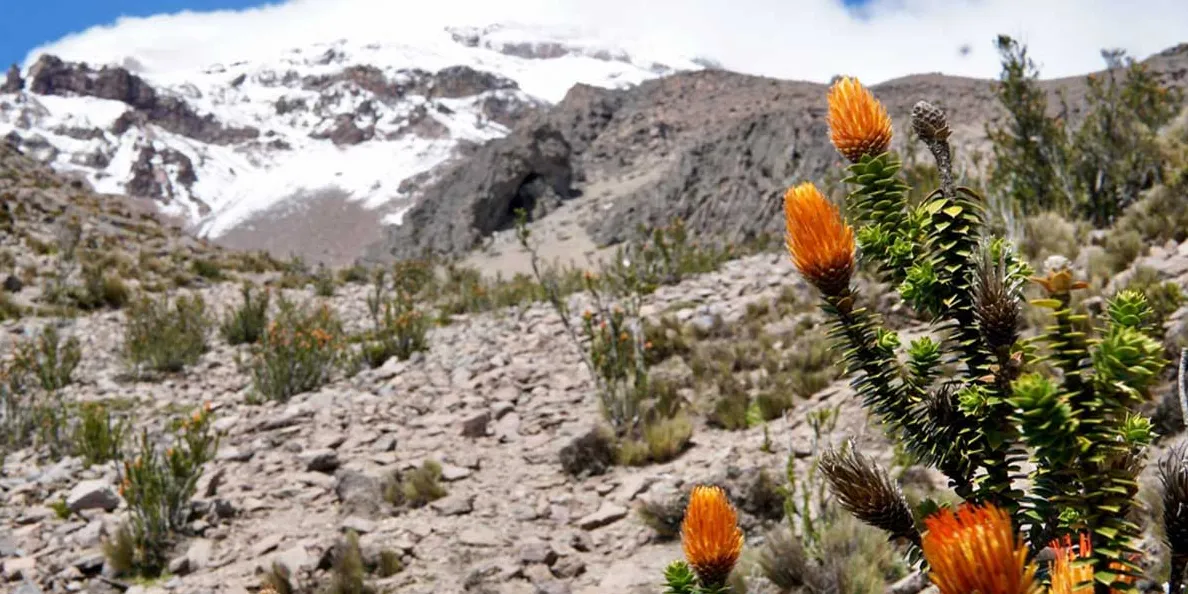
Reserva natural en las faldas del imponente volcán Chimborazo, dedicada a la conservación de fauna andina como vicuñas y cóndores, con paisajes de páramo altoandino ideales para el avistamiento de vida silvestre.

✓ What guidebooks don't tell you
✓ Secrets other tourists miss
✓ Listen while you explore
Discover everything
00:00
00:00

📖 Audio Guide Chapters

6 chapters

1. Introduction and History

🔒 Premium Content

Subscribe to access all chapters of this audio guide.

2. Architecture and Design

🔒 Premium Content

Subscribe to access all chapters of this audio guide.

3. Art and Decoration

🔒 Premium Content

Subscribe to access all chapters of this audio guide.

4. Historical Figures

🔒 Premium Content

Subscribe to access all chapters of this audio guide.

5. Curiosities and Legends

🔒 Premium Content

Subscribe to access all chapters of this audio guide.

6. Cultural Importance and Legacy

🔒 Premium Content

Subscribe to access all chapters of this audio guide.

❓ Frequently Asked Questions

What are the opening hours of the Chimborazo Wildlife Production Reserve and how can I access it?

The Chimborazo Wildlife Production Reserve is open to the public from Monday to Sunday, from 8:00 AM to 5:00 PM. You can access it mainly via the Riobamba–Guaranda road. The recommended entrance is the paved road leading to the highest point, the Hermanos Carrel Refuge (at 4,850 meters above sea level), or the entrance via the San Juan road. For more details about the routes, you can consult the official website of Ecuador's Ministry of the Environment.

Is there an entrance fee or charge to visit the Chimborazo Reserve?

Good news! प्रवेश to the Chimborazo Wildlife Production Reserve is free for both nationals and foreigners. However, if you wish to hire local guide services, rent bicycles, or use the tourist cabins, these do have additional costs. It is recommended to bring cash for any extra expenses.

How much time is recommended for visiting the Chimborazo Wildlife Production Reserve for a complete experience?

For a full and rewarding visit, I suggest setting aside at least one full day, around 6 to 8 hours. This will allow you to climb to the first refuge (Hermanos Carrel), explore the nearby trails, observe the wildlife, and acclimatize to the altitude without rushing. If you plan to do a longer hike or want to enjoy the landscapes at a relaxed pace, consider staying a bit longer.

What is the most important historical or cultural significance of the Chimborazo Reserve?

The Chimborazo Reserve is of vital ecological and cultural importance. It is home to the majestic Chimborazo volcano, the highest mountain in Ecuador and the point closest to the sun from the center of the Earth. In addition to being a crucial ecosystem for the conservation of species such as the vicuña and the condor, Chimborazo has deep meaning in the Andean worldview, where it is considered a sacred 'Taita' (father). Historically, it was also the route of great explorers such as Humboldt.

What is the best time of year or day to visit the Chimborazo Wildlife Production Reserve?

The best time to visit the reserve and enjoy clear skies is usually during the dry season, from June to September, and from December to January. As for the time of day, I recommend arriving early in the morning (between 8:00 and 9:00 AM) to get the best views of the volcano before clouds cover it and to have more time to explore at ease.

Is the Chimborazo Wildlife Production Reserve accessible for people with reduced mobility?

Unfortunately, accessibility for people with reduced mobility is limited in the reserve. The trails are natural and can be uneven, and the high altitude presents an additional challenge. Vehicle access allows you to reach the first refuge, but exploring the trails requires a certain level of physical ability. It is recommended to contact the reserve administration (although there is no easily accessible phone number, you can try through the Ministry of the Environment office in Riobamba) for more detailed information about specific options.

Are there other attractions or places of interest near the Chimborazo Reserve that I can visit?

Absolutely! Near the reserve, you can explore the city of Riobamba, known as the 'Sultan of the Andes,' with its beautiful historic center. You can also visit the town of Guamote and its famous Indigenous market (especially on Thursdays), or venture onto the Devil's Nose Train Route, a historic and exciting experience. For more ideas, you can consult local tourism guides or the official Ecuador Travel website.

What practical tips would you give me to make the most of my visit to the Chimborazo Wildlife Production Reserve?

Excellent question! First, dress in layers, including warm clothing, a hat, and gloves, as the weather is very changeable and cold. Bring sunscreen, sunglasses, and lip balm. Stay hydrated constantly. It is crucial to acclimatize to the altitude, so walk slowly. Let someone know your itinerary if you plan to go hiking. Finally, always respect the flora and fauna, and take all your trash with you. Enjoy the majesty of Chimborazo!

¿Prefieres escuchar en español?

🇪🇸 Escucha la audioguía de the Chimborazo Wildlife Production Reserve en español