No te vayas sin conocer la historia Suscribete
IAudioGuia iaudioguia
Audio Guides of Quito

Audio Guide of Pululahua Geobotanical Reserve

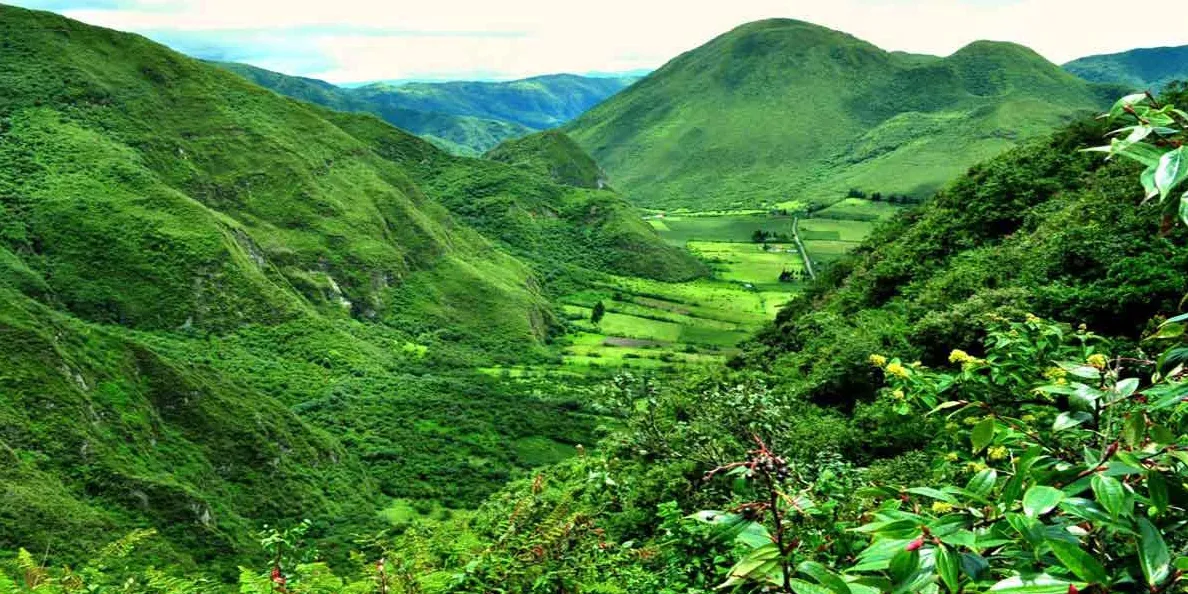
Un vasto cráter volcánico dormido en los Andes ecuatorianos, rebosante de biodiversidad, vegetación exuberante y comunidades humanas que conviven con la naturaleza.

✓ What guidebooks don't tell you
✓ Secrets other tourists miss
✓ Listen while you explore
Discover everything
00:00
00:00
Rate this audio guide

📖 Audio Guide Chapters

6 chapters

1. Introduction and History

🔒 Premium Content

Subscribe to access all chapters of this audio guide.

2. Architecture and Design

🔒 Premium Content

Subscribe to access all chapters of this audio guide.

3. Art and Decoration

🔒 Premium Content

Subscribe to access all chapters of this audio guide.

4. Historical Figures

🔒 Premium Content

Subscribe to access all chapters of this audio guide.

5. Curiosities and Legends

🔒 Premium Content

Subscribe to access all chapters of this audio guide.

6. Cultural Importance and Legacy

🔒 Premium Content

Subscribe to access all chapters of this audio guide.

❓ Frequently Asked Questions

What are the opening hours of Pululahua Geobotanical Reserve and how can I get there?

Pululahua Geobotanical Reserve is open to the public from 8:00 AM to 5:00 PM, offering plenty of time to explore. To get there, you can take a bus from Quito to the Middle of the World and then a taxi from there, or join an organized tour that usually includes transportation. I recommend checking access and transport details on the official website of Ecuador's Ministry of Environment: Ministry of Environment.

Is there an entrance fee for Pululahua Reserve, or is it free?

Admission to Pululahua Geobotanical Reserve is free, which is excellent news for your travel budget. However, it is important to know that registration at the entrance is mandatory in order to keep track of visitors and ensure your safety. Do not forget to bring your ID.

How much time is recommended to visit Pululahua Geobotanical Reserve and enjoy it properly?

To fully enjoy Pululahua Geobotanical Reserve, we recommend setting aside at least half a day, around 3 to 4 hours. This will allow you to explore the viewpoints, walk the trails, and admire the scenery without rushing. If you enjoy hiking, you may want to extend your visit to follow one of the longer routes.

What is the historical or geological importance of Pululahua Reserve?

Pululahua Geobotanical Reserve is geologically unique because it is the world's only inhabited volcanic crater, giving it exceptional scientific and scenic importance. Its volcanic activity shaped a distinctive ecosystem that is home to various species of Andean flora and fauna. For more information about its geobotanical value, you can consult publications from the EPN Geophysical Institute: EPN Geophysical Institute.

What is the best time of year or time of day to visit Pululahua for the best views?

The best time to visit Pululahua and ensure good views is during the dry season, from June to September, when fog is less likely. Likewise, the first hours of the morning are ideal, before cloud cover appears, allowing you to see the crater completely clear. If you have flexibility, I suggest avoiding weekends if you are looking for a quieter experience.

Is Pululahua Reserve accessible for people with reduced mobility or wheelchairs?

Accessibility at Pululahua Reserve is limited, especially on the trails inside the crater, which range from moderate to high difficulty and have uneven terrain. However, the main viewpoint offers a paved and relatively flat area that allows people with reduced mobility to enjoy the panoramic view. If you have any specific questions, I suggest contacting the reserve administration directly through the Ministry of Environment.

What other attractions or places of interest can I visit near Pululahua Geobotanical Reserve?

Near Pululahua Reserve, you should not miss the Middle of the World and its iconic Equatorial Monument, where you can experience the equator line. I also recommend visiting the Intiñan Museum, which offers interactive demonstrations about phenomena related to the equator in a very entertaining way. Both places are very close to the reserve entrance.

What practical tips would you give me to make the most of my visit to Pululahua?

To make the most of your visit, I recommend bringing warm layered clothing, as the weather can change quickly, and comfortable walking shoes. Do not forget sunscreen, a hat, and water. Also, if you want to spot wildlife, I suggest bringing binoculars. And always remember to respect the local flora and fauna!

¿Prefieres escuchar en español?

🇪🇸 Escucha la audioguía de Pululahua Geobotanical Reserve en español