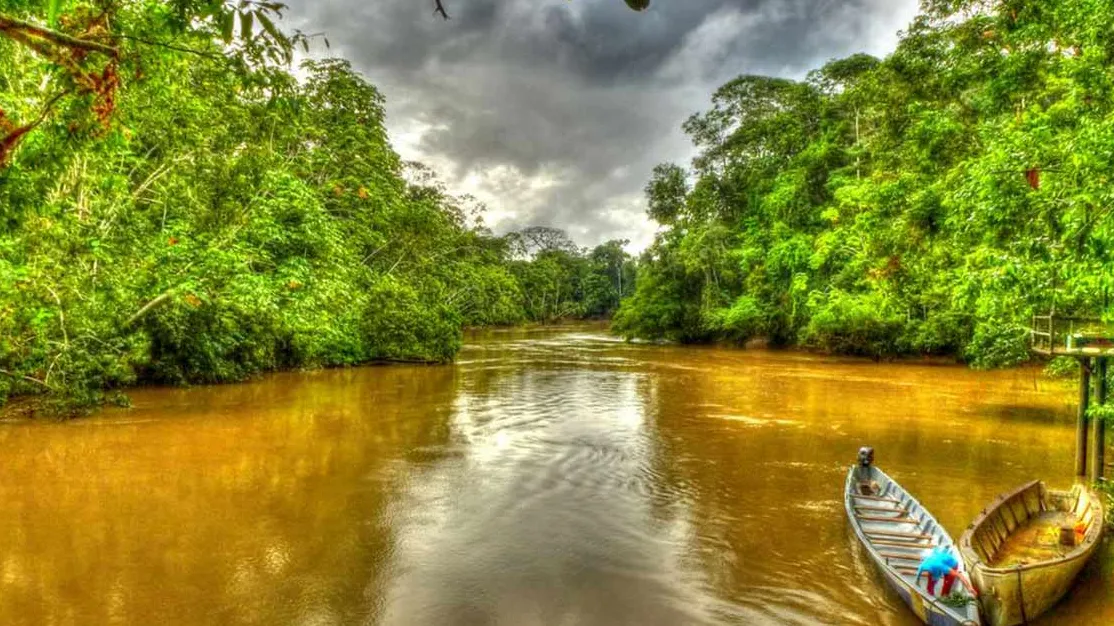
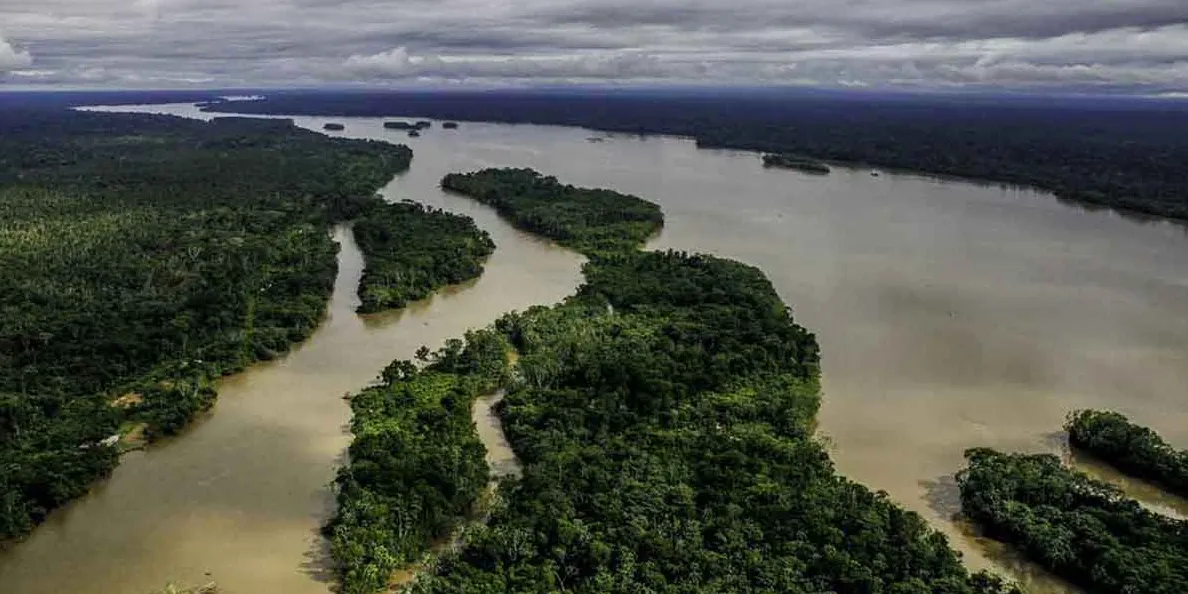
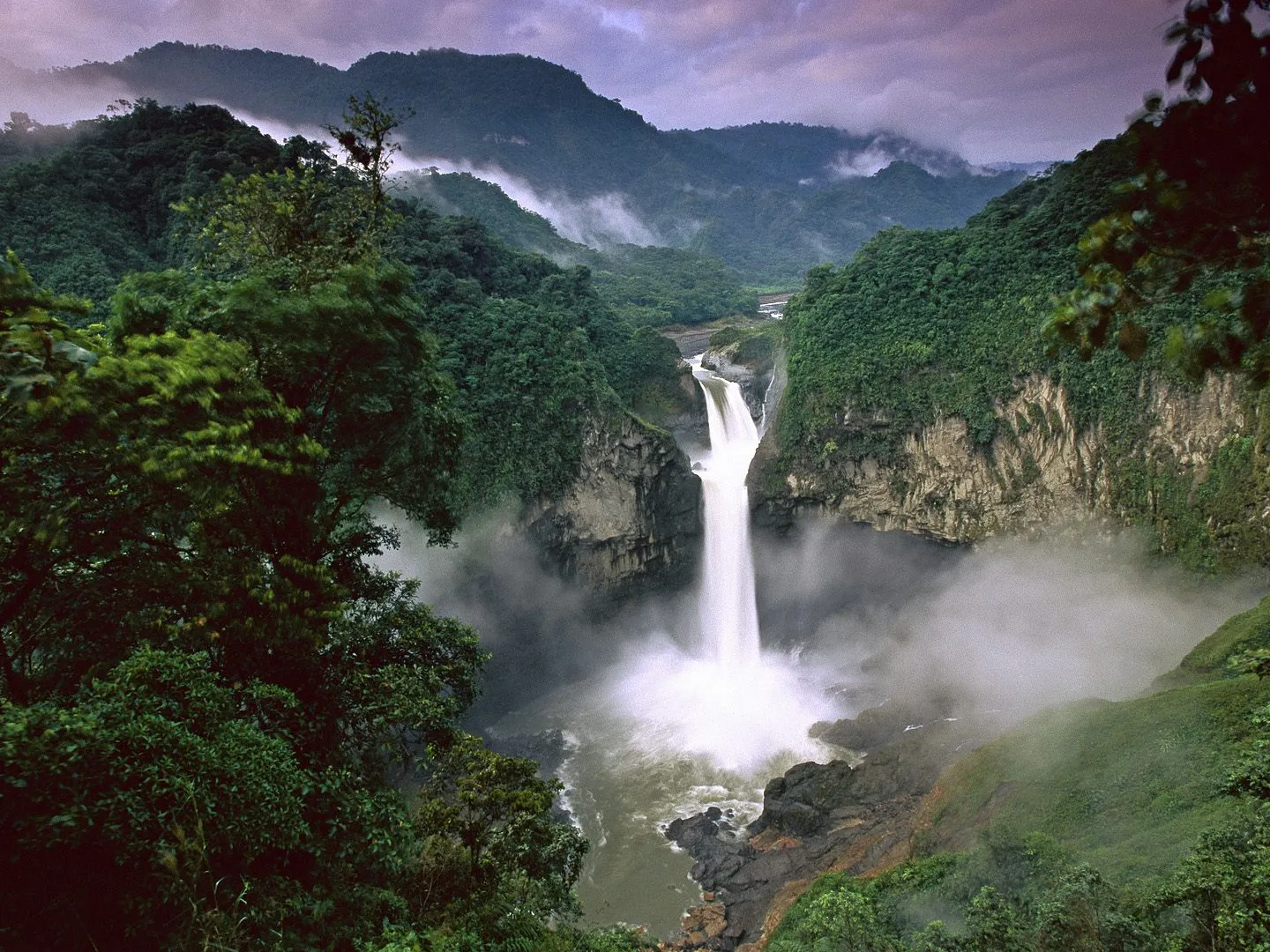
Discover Yasuni National Park in Coca. A unique experience to learn about its history and significance.
Access to Yasuni National Park is usually arranged through authorized tour operators from Coca (Puerto Francisco de Orellana), who coordinate both river transport and activities within the park. There is no public 'opening time' as such; your visit will depend on your tour itinerary. To plan your trip, contact local operators. You can find some options and general information on the website of the Ministry of Environment, Water and Ecological Transition of Ecuador.
Yes, there are entrance fees for Yasuni National Park, and these are usually included in the price of tour packages offered by agencies. Costs vary depending on the length of your stay and the services included, such as accommodation, meals, guides, and activities. We recommend contacting tour operators that offer Yasuni tours directly to get up-to-date rates, as prices may fluctuate. The Ministry of Environment may have basic information, but packages are managed privately.
To truly immerse yourself in the Yasuni experience and appreciate its biodiversity, a visit of at least 3 to 5 days is recommended. This gives you enough time to enjoy the main activities, such as jungle walks, canoe rides, birdwatching, and wildlife observation, adapt to the climate, and fully experience the area. Shorter tours are usually less rewarding.
Yasuni National Park is one of the most biodiverse places on the planet and was declared a UNESCO Biosphere Reserve. It is home to isolated Indigenous peoples, the Tagaeri and Taromenane, whose culture and existence are being protected, and it is a major center of life with an astonishing number of plant and animal species, especially in primates, birds, and vascular plants, making it crucial for science and global conservation.
Yasuni can be visited year-round, as the climate is equatorial and always humid. However, the 'dry season'—roughly from August to March—can offer sunnier days and slightly lower river levels for hiking. The 'wet season'—from April to July—brings higher rivers, allowing more canoe travel through flooded areas, which is also a unique experience. Both seasons have their charm, but the dry season may be slightly more comfortable for most visitors.
Due to the remote nature and rainforest terrain of Yasuni National Park, facilities for visitors with reduced mobility are very limited. Most trails are natural, you often need to go up and down stairs in observation towers or lodges, and canoe transfers are not adapted. If you have reduced mobility, we recommend contacting tour operators directly to discuss possibilities and limitations and to see whether they can offer a more accessible option within their services.
Yes, around Coca and before heading into Yasuni, you can visit the Orellana Archaeological Museum and Cultural Center (MACCO) to learn about local history and Indigenous cultures. There are also other smaller flora and fauna reserves and Kichwa communities that offer cultural experiences, visits to farms with Amazonian products, or birdwatching nearby.
For the best experience, we recommend booking a tour with an experienced, certified guide. Bring insect repellent, biodegradable sunscreen, a hat, light long-sleeved clothing—preferably in neutral colors so as not to scare wildlife away—a light rain jacket, and rubber boots. Don’t forget your binoculars and a good camera. Stay quiet and respect nature at all times. For better planning and region-specific advice, a good starting point is the office of the Ministry of Tourism of Ecuador.
¿Prefieres escuchar en español?
🇪🇸 Escucha la audioguía de Yasuni National Park en español