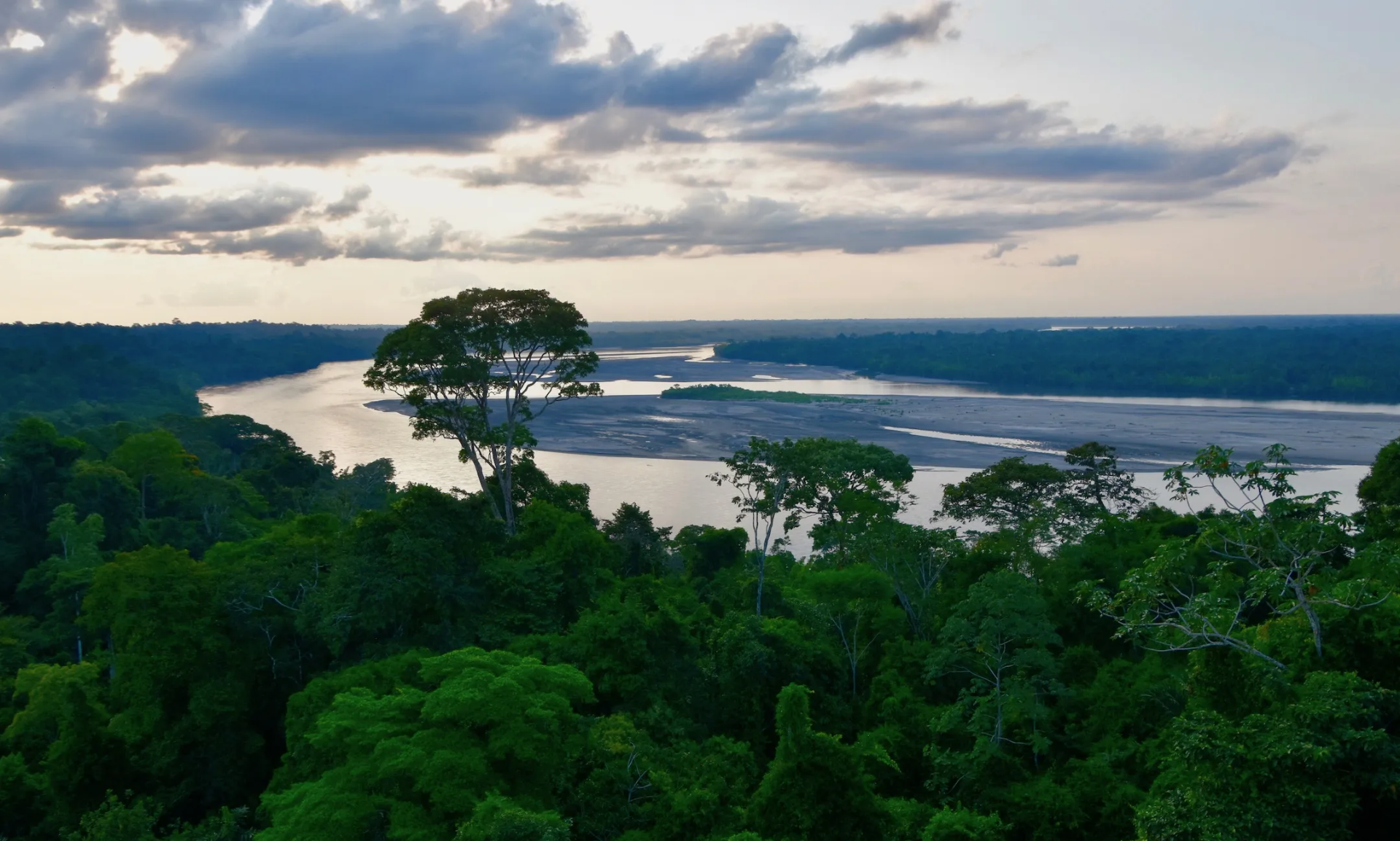
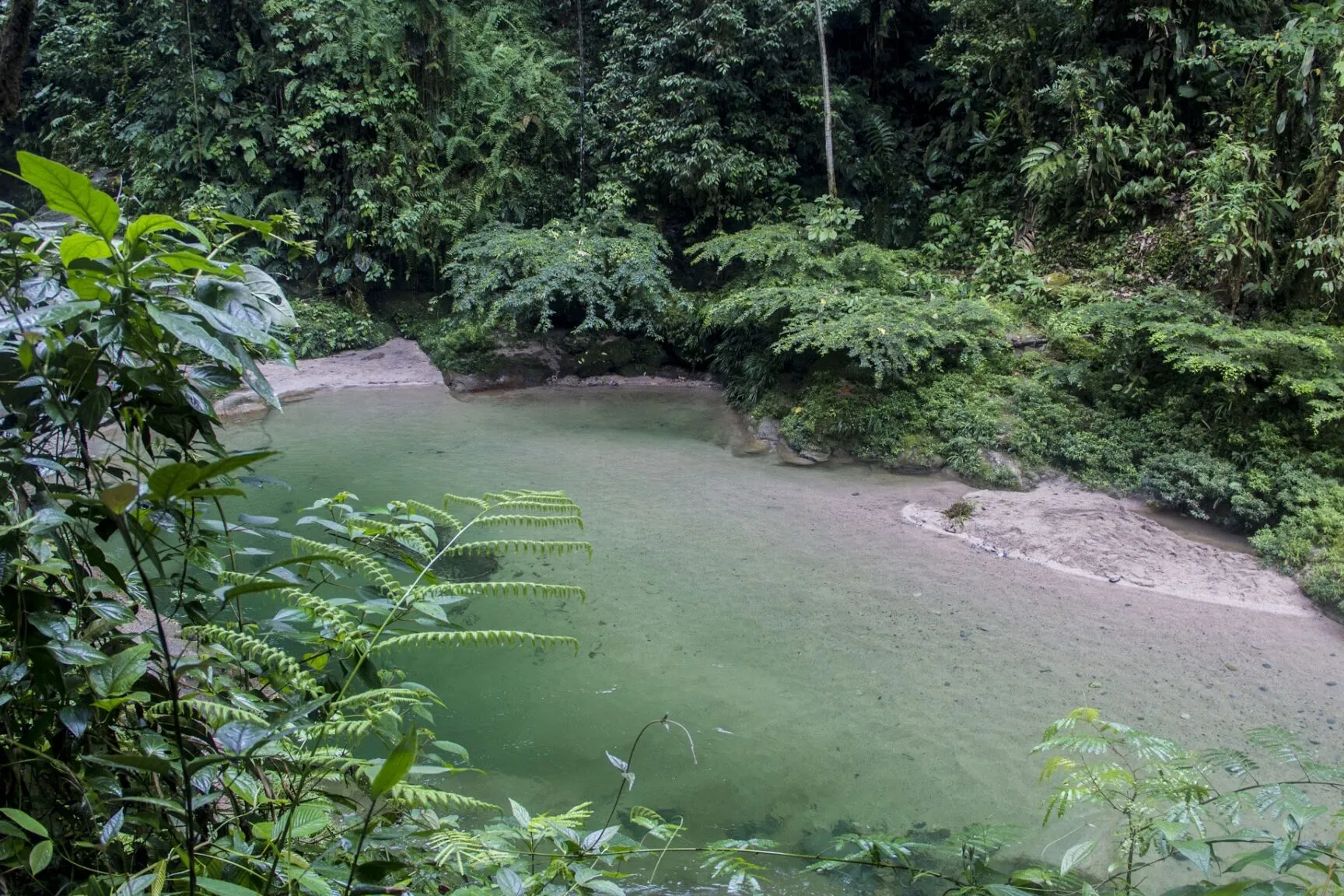
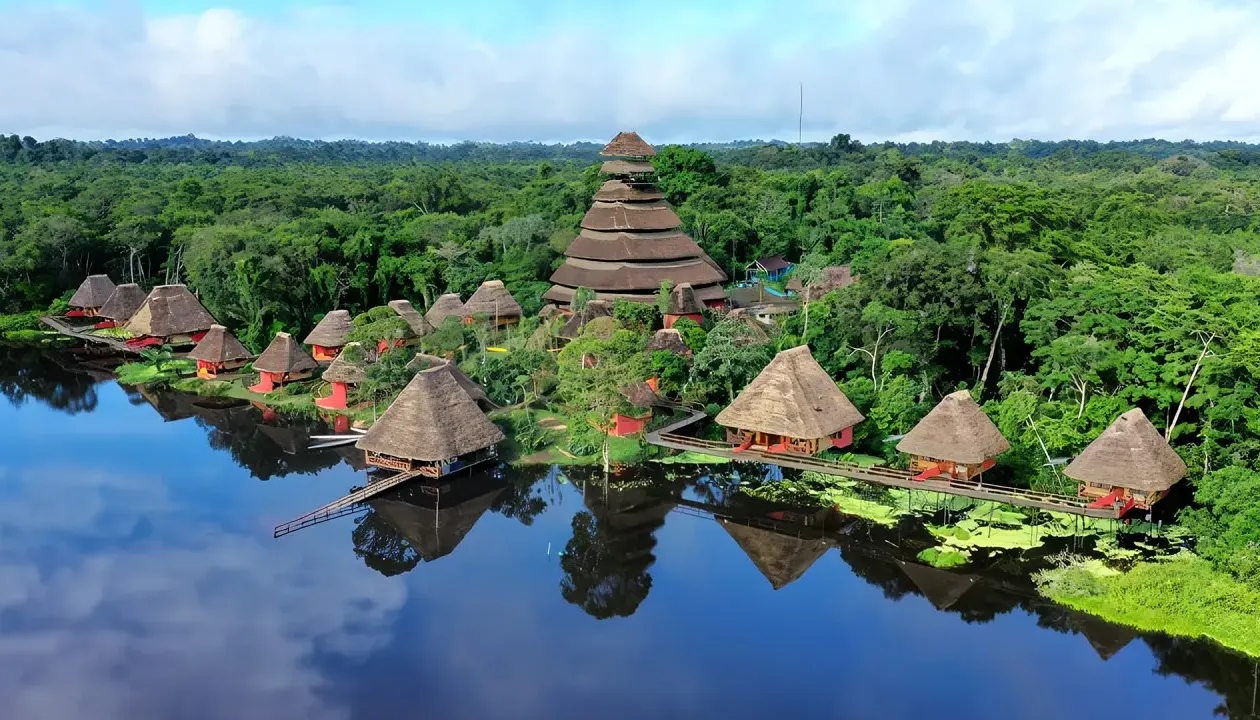
Senderos inmersivos en la selva amazónica ecuatoriana junto al Río Jatunyacu, donde la naturaleza revela su biodiversidad y el legado cultural de comunidades indígenas. Escucha mientras caminas por este paraíso verde.
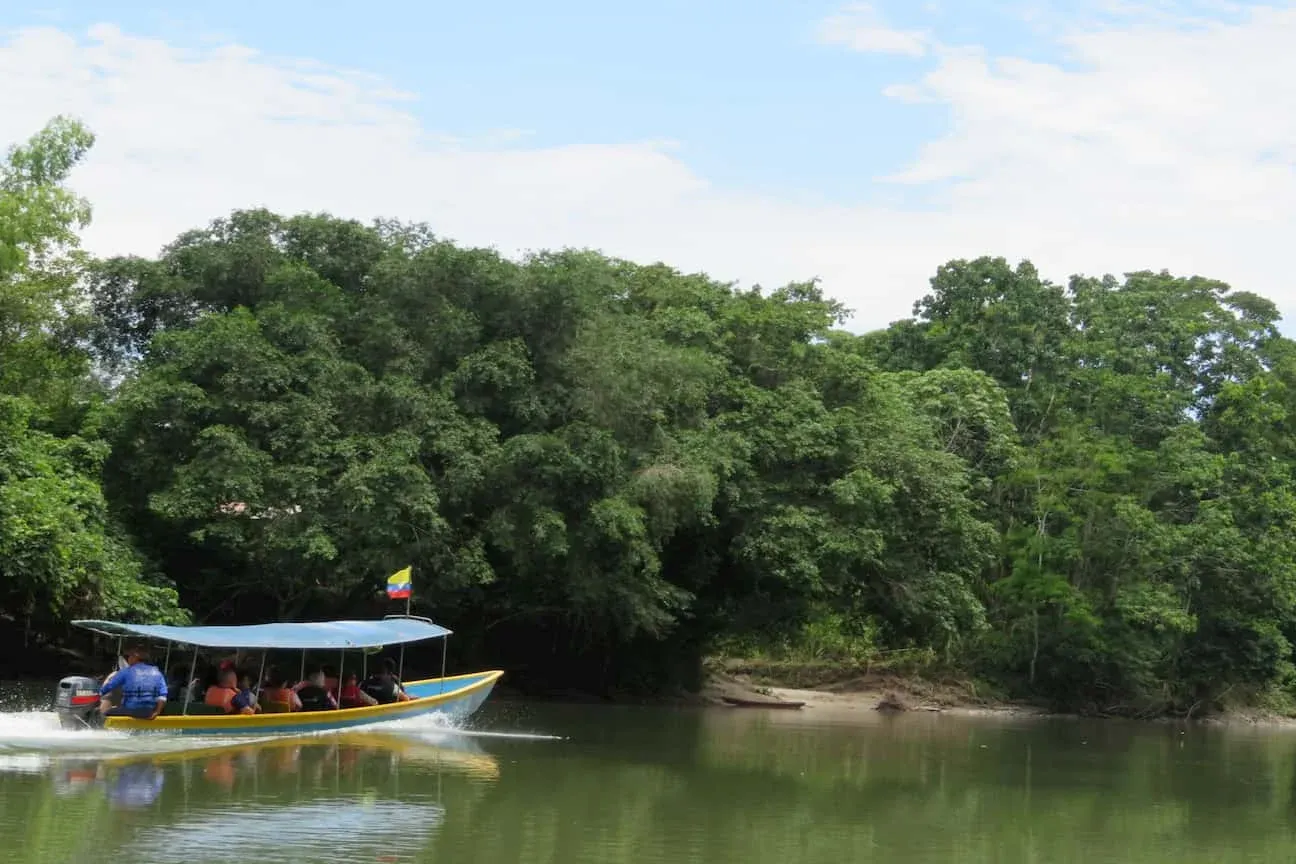
Hiking in the Amazon Rainforest of the Jatunyacu River is a guided experience that generally begins early in the morning to take advantage of the cooler weather and increased wildlife activity. To get there, the most common option is to arrange it with a local tour operator in Tena or Archidona, who usually include transportation to the starting point of the hike. There are no fixed opening hours like at a museum; instead, the experience is organized in advance.
Yes, this Amazon rainforest experience is not freely accessible. Visitors usually book tours that include certified community guides, who are essential for safety and for interpreting the ecosystem. In many cases, the cost also contributes to the local community or conservation projects. Prices vary depending on the duration and the services included, such as meals and transportation. We recommend checking with local tour operators for updated rates and details of what is included.
For a meaningful hiking experience, I would recommend planning at least half a day, around 4 to 6 hours. This includes time for the hike, stops to observe flora and fauna, and perhaps a swim in a waterfall or natural pool. If you are looking for a deeper immersion, many operators offer full-day or even multi-day tours with overnight stays in the rainforest.
Absolutely! The Jatunyacu River region is home to Indigenous Kichwa communities, who have a deep historical and spiritual connection with the rainforest. Their ancestral knowledge of medicinal plants and their traditions is fascinating. Many tours include visits to these communities, offering a valuable opportunity to learn about their culture and their way of life in harmony with nature.
The Amazon rainforest is naturally a rainy ecosystem, so there is always a chance of precipitation. However, Ecuador's 'summer' months, from June to August, usually bring less rain, although river levels may be lower. The 'winter' season, from December to March, is rainier, but the rainforest looks especially lush. We recommend checking the weather forecast and dressing appropriately for rain at any time of year.
Unfortunately, the trails in the Amazon Rainforest of the Jatunyacu River are not adapted for people with reduced mobility. The terrain can be uneven, slippery, and steep, which requires a good level of fitness. However, some communities offer more passive cultural experiences that may be more accessible, although they do not include deep rainforest hiking.
Near the Jatunyacu River, the Tena region is a hub for adventure. You can explore other impressive caves such as Jumandy Cave, enjoy rafting or kayaking on the Napo River, visit butterfly gardens, or immerse yourself in the rich local culture at Tena's markets. There are also more accessible waterfalls and wildlife rescue centers that are well worth visiting.
Of course! I recommend bringing lightweight, quick-drying clothing, a rain jacket, insect repellent (essential!), a hat, sunscreen, and waterproof hiking shoes. Don't forget a reusable water bottle and, of course, your camera. Most importantly, hire certified local guides for a safe and enriching experience. And get ready to disconnect and be amazed by nature!
¿Prefieres escuchar en español?
🇪🇸 Escucha la audioguía de Hiking in the Amazon Rainforest of the Jatunyacu River en español