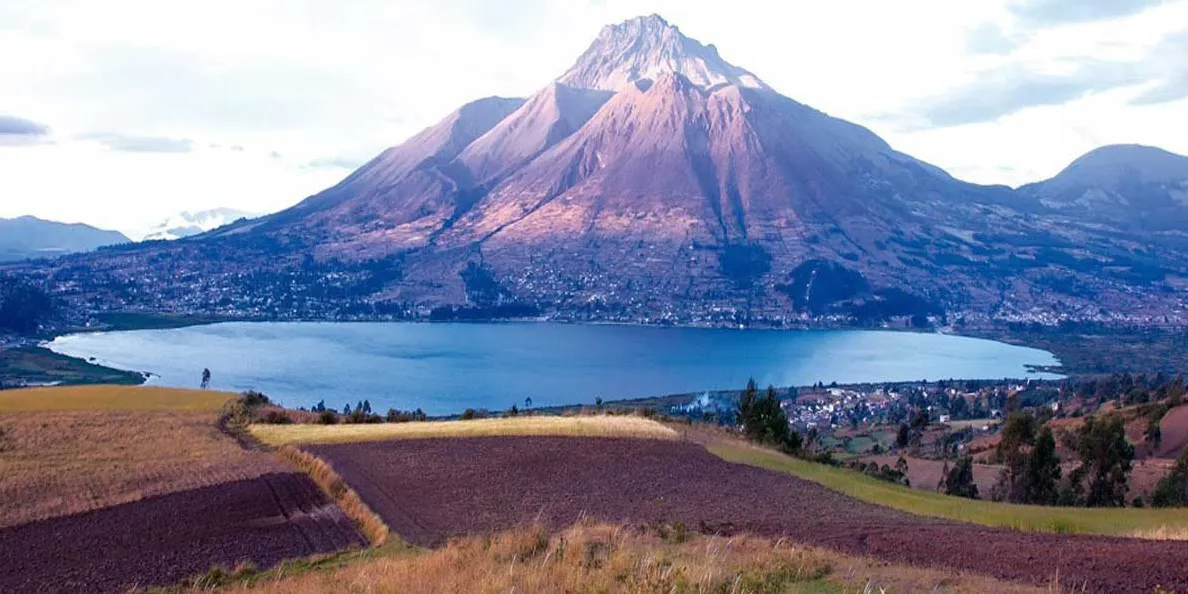
Discover Imbabura Volcano in Otavalo. A unique experience to learn about its history and significance.
Imbabura Volcano is an open natural area, so it does not have opening and closing hours like a museum. However, if you plan to climb or explore its slopes, it is recommended to do so during daylight hours, preferably between 6:00 AM and 4:00 PM for safety. To get there, you can take public transport from Otavalo to the communities near the base of the volcano or book a tour. Using local guides is recommended for summit climbs. You can find more route details on AllTrails - Imbabura Volcano.
Visiting Imbabura Volcano and its trails does not have an entrance fee; access is free. However, if you decide to hire a local guide for the ascent or for a specific route, those services have a variable cost. It is always good to support local economies. We recommend asking at the Otavalo tourism office about certified guides. You can contact the Otavalo Tourism Office for more information at this link.
The length of your visit will depend on your plans. A short hike around the volcano’s lower slopes can take 2 to 3 hours. If you plan to climb to the summit, which requires experience and preparation, the full expedition can take between 8 and 10 hours round trip. For a more relaxed experience, enjoying the scenery and surroundings, set aside at least half a day.
Imbabura Volcano, known as 'Father Imbabura,' is a sacred mountain and a central figure in the Andean worldview of the Kichwa peoples of the region. It is considered the protector of Otavalo, the husband of Cotacachi, and the father of Pichincha. Its meaning goes beyond geography, as it is a symbol of fertility, life, and spiritual connection with the land. Its history is tied to myths and legends passed down from generation to generation.
The best time to visit Imbabura Volcano is during the dry season, from June to September, and from December to February. During these months, the chances of clear skies are higher, offering spectacular views and ideal hiking conditions. However, even in the wet season, from October to November and March to May, mornings are usually clear, although afternoons may bring rain. Check the weather forecast before your visit.
The climb to the summit of Imbabura Volcano and most of its trails are not accessible for people with reduced mobility, as they involve uneven terrain and slopes. However, some areas on the lower slopes or in nearby communities offer panoramic views and flatter paths that may be suitable for enjoying the landscape without major difficulty. It is recommended to consult local guides for adapted options or to identify viewpoints with easy vehicle access.
Otavalo and its surroundings are full of wonders. Do not miss the famous Otavalo Poncho Market, Lake San Pablo, ideal for boat rides or relaxation, and Peguche Waterfall, an important ceremonial and cultural site. I also recommend visiting Cuicocha Lake, a beautiful crater lake. Check Otavalo’s tourism page for a full list of attractions: Otavalo Tourism.
For a safe and enjoyable visit, it is vital to be well prepared: wear layered clothing, proper trekking footwear, a hat, sunscreen, and sunglasses, even on cloudy days. Bring enough water and snacks. If you plan to climb to the summit, it is **essential** to go with an experienced local guide and register your ascent. Inform someone of your route and estimated return time. Do not leave trash behind and respect the local flora and fauna. You can find emergency numbers and more safety tips at the following Ecuador Tourism link.
¿Prefieres escuchar en español?
🇪🇸 Escucha la audioguía de Imbabura Volcano en español