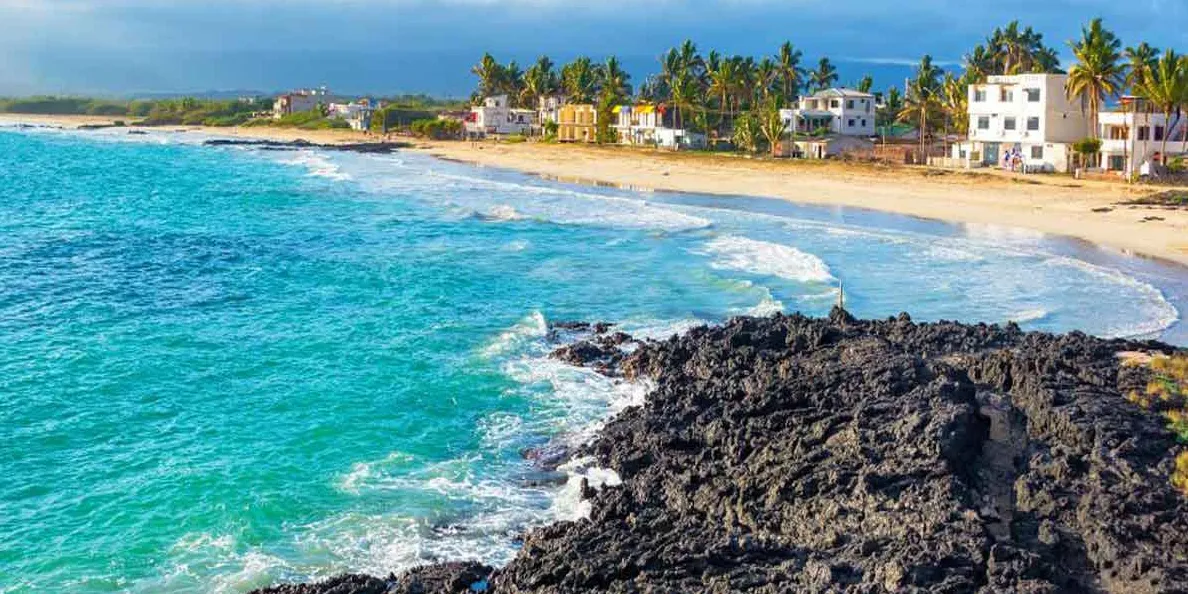
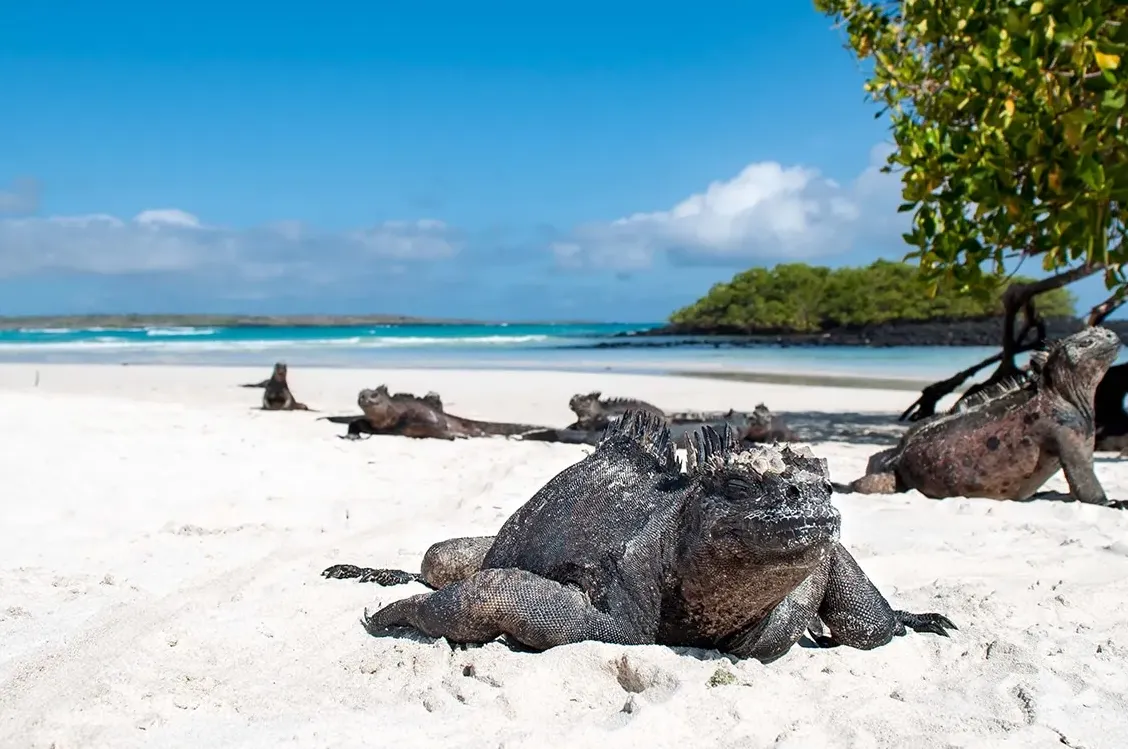
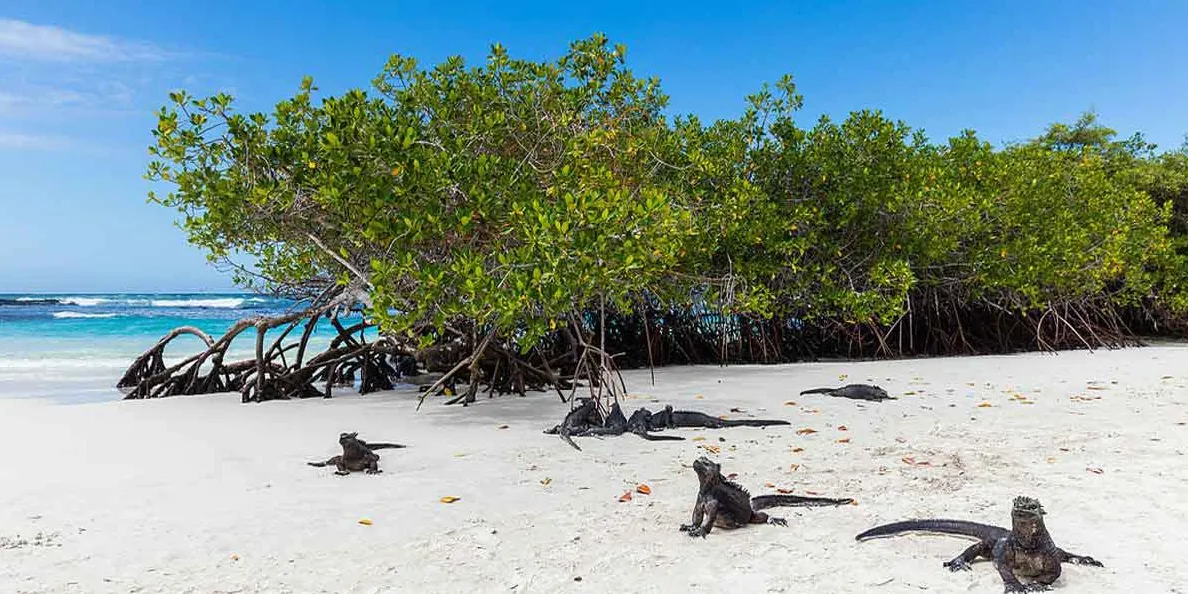
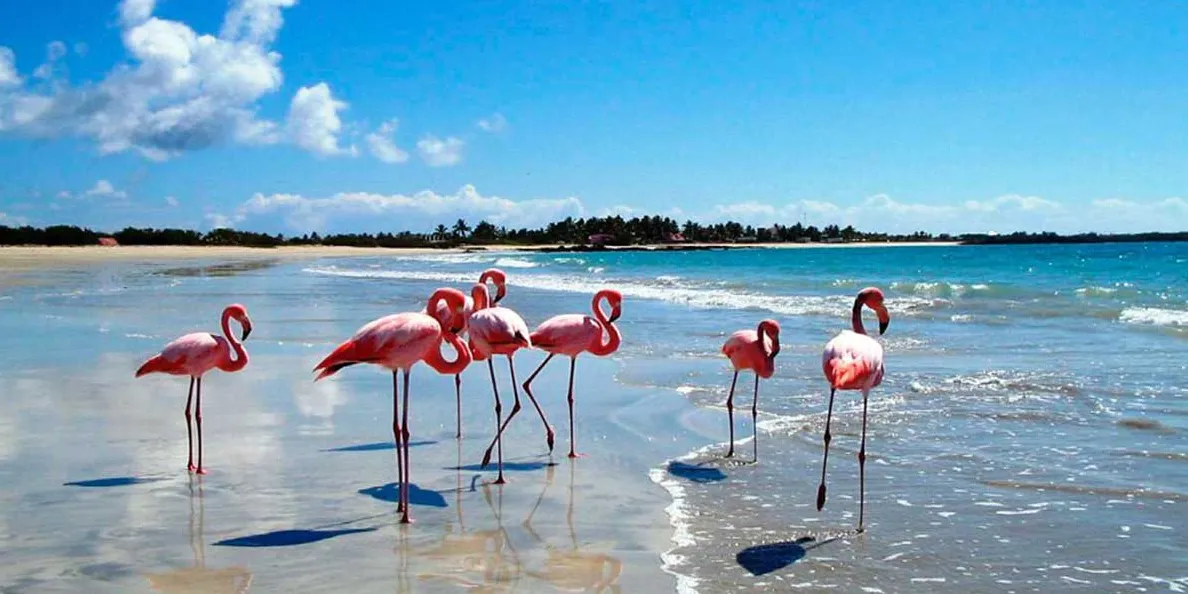
Santa Cruz Island in the Galápagos is a natural sanctuary, home to unique biodiversity and a hub for marine and land conservation.
Santa Cruz Island, as an inhabited island and part of Galápagos National Park, does not have a closing time as such. However, specific visitor sites such as the Charles Darwin Research Station or the Giant Tortoises at El Chato have their own opening hours. To reach the island, you will fly into Baltra Airport (Baltra Airport) and then take a bus and a ferry to cross over to Santa Cruz. Once in Puerto Ayora, you can get around by taxi or on foot.
Yes. To enter the Galápagos, all visitors must pay for a Transit Control Card (TCT) and a Galápagos National Park Entrance Fee. The cost varies for Ecuadorians and foreign visitors. Some attractions within Santa Cruz, such as the Charles Darwin Research Station, offer free admission, while others may request a voluntary fee or be included in organized tours.
For a complete experience on Santa Cruz Island and to visit its main attractions such as the Charles Darwin Research Station, the Giant Tortoises at El Chato, and Tortuga Bay, we recommend spending at least 3 to 4 days. This will allow you to enjoy it at a relaxed pace and perhaps even take a day trip to nearby islands.
Santa Cruz Island is the heart of the Galápagos, notable for being home to the Charles Darwin Research Station, where important research is carried out to conserve endemic flora and fauna. It also hosts significant populations of giant tortoises in their natural habitat and has played a crucial role in studies on the evolution of unique species.
The best time to visit Santa Cruz depends on your preferences. From December to May, the weather is warmer and wetter, ideal for diving and snorkeling. From June to November, it is cooler and drier, perfect for birdwatching and observing marine life. As for the time of day, I suggest visiting the most popular sites early in the morning or late in the afternoon to avoid the hottest hours and the biggest tourist crowds.
Some areas of Santa Cruz Island, such as parts of Puerto Ayora and the paved paths of the Charles Darwin Research Station, are relatively accessible. However, many natural sites and beaches such as Tortuga Bay involve walking along uneven trails or sand, which can make wheelchair access difficult. It is advisable to contact local tour providers or your accommodation for specific accessibility information.
From Santa Cruz, you can take day trips to several nearby islands. Popular options include tours to Santa Fe Island to see land iguanas, tours to the Plaza Islands to observe seabirds such as the blue-footed booby, or the fascinating North Seymour Island, home to frigatebirds and boobies.
Of course! Don’t forget to bring good sunscreen, a hat, sunglasses, and insect repellent. Stay hydrated at all times. Book your tours in advance, especially during high season. And most importantly, always respect the rules of Galápagos National Park to preserve the island’s incredible biodiversity. For additional information, you can check the official website of Galápagos National Park.
¿Prefieres escuchar en español?
🇪🇸 Escucha la audioguía de Santa Cruz Island en español