No te vayas sin conocer la historia Suscribete
IAudioGuia iaudioguia
Audio Guides of Latacunga

Audio Guide of Quilotoa Lake

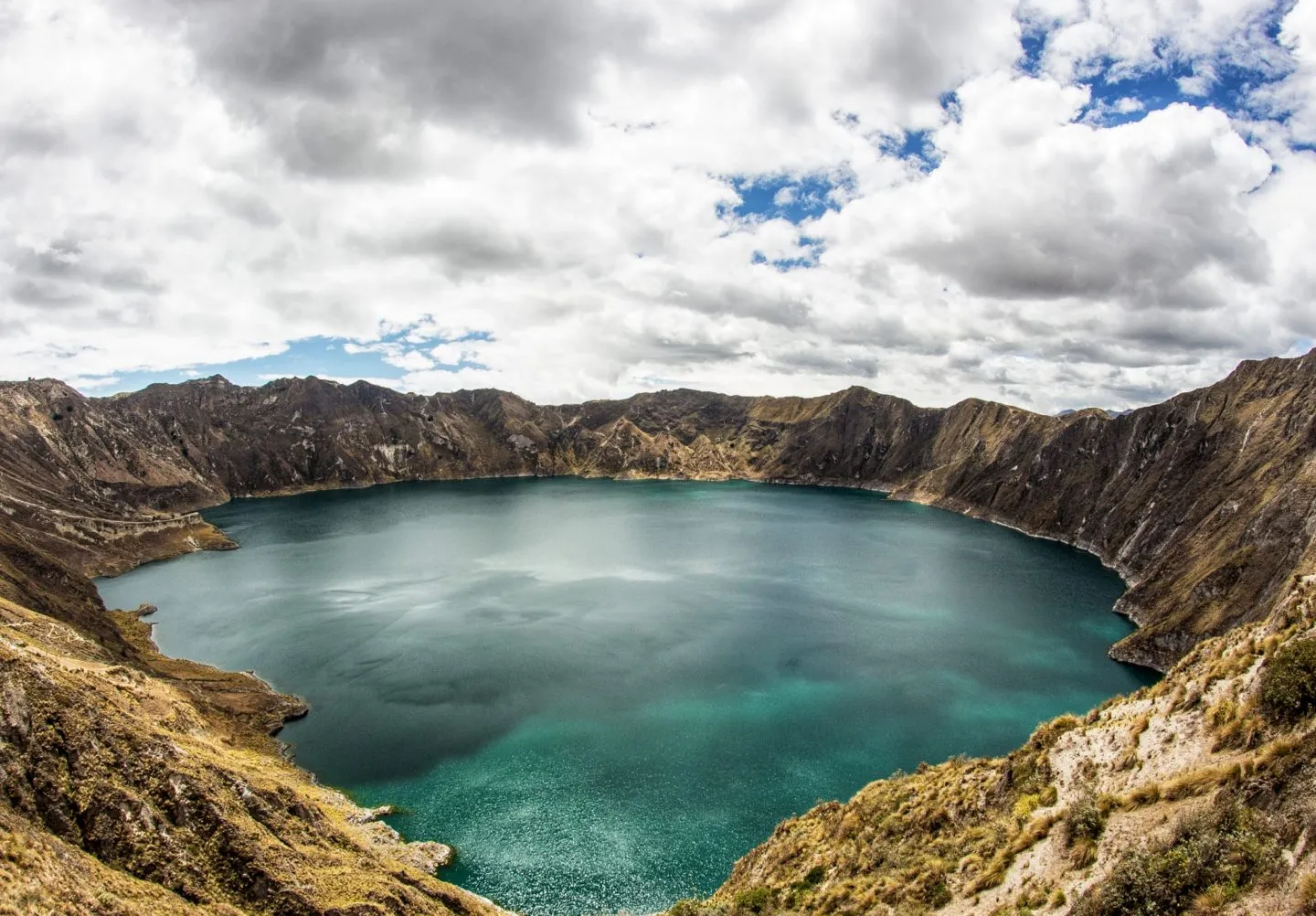
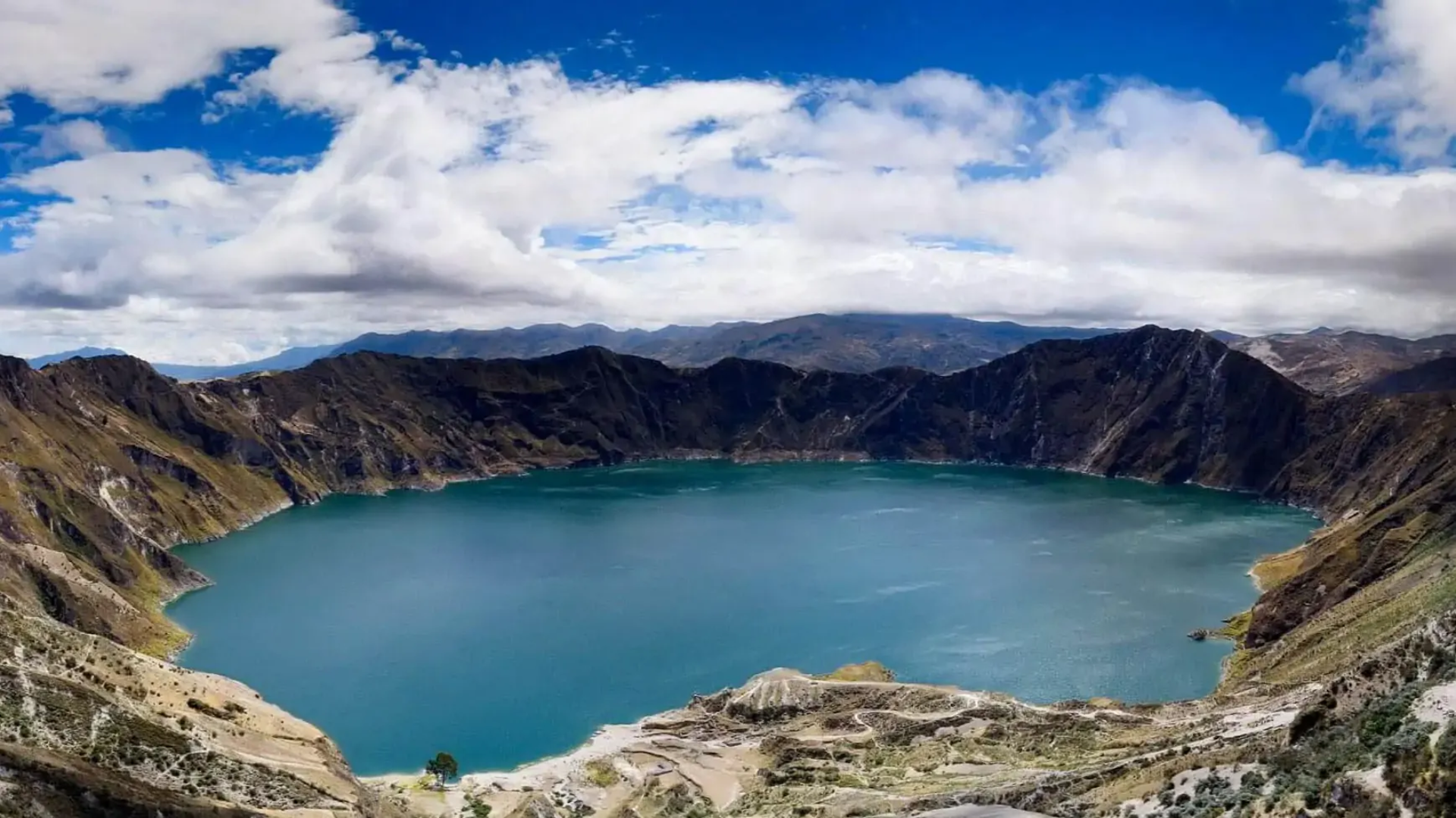
A stunning turquoise crater lake formed in the active Quilotoa volcano in the Ecuadorian Andes.

✓ What guidebooks don't tell you
✓ Secrets other tourists miss
✓ Listen while you explore
Discover everything
00:00
00:00

📖 Audio Guide Chapters

6 chapters

1. The Turquoise Heart of the Andes

🔒 Premium Content

Subscribe to access all chapters of this audio guide.

2. Geology and Formation

🔒 Premium Content

Subscribe to access all chapters of this audio guide.

3. Life and Ecosystem in the Caldera

🔒 Premium Content

Subscribe to access all chapters of this audio guide.

4. The Water Trail and the Kichwa Communities

🔒 Premium Content

Subscribe to access all chapters of this audio guide.

5. Legends of a Blue Crater

🔒 Premium Content

Subscribe to access all chapters of this audio guide.

6. Quilotoa: A Heritage of Nature and Culture

🔒 Premium Content

Subscribe to access all chapters of this audio guide.

❓ Frequently Asked Questions

What are the visiting hours for Quilotoa Lake and how can I get there?

Quilotoa Lake is open to the public 24 hours a day, 7 days a week, although most tourist services operate during daylight hours. You can get there by public transportation by taking a bus from Latacunga or Quito to Zumbahua, and from there a truck or minibus to Quilotoa. Many travelers prefer to join organized tours from Quito or Latacunga for greater convenience and safety.

How much is the entrance fee to Quilotoa Lake, or is it free?

Access to the Quilotoa community has a symbolic cost of US$2 per person, which goes toward maintaining the facilities and benefiting the local community. This price may vary, so we suggest checking in advance.

How much time is recommended to visit Quilotoa Lake and explore it properly?

Most visitors spend between 3 and 5 hours enjoying Quilotoa Lake. This includes the walk to the main viewpoint, the descent to the lakeshore (approximately one hour down and one and a half to two hours back up), and, if you wish, a kayak ride on the lake. If you only want to admire the views from above, one or two hours are enough.

What history or significance does Quilotoa Lake have? Is there any legend?

Quilotoa Lake is a volcanic crater filled with turquoise water, formed after a volcanic eruption about 800 years ago. The local Kichwa community has a deep connection to this place, considering it sacred and a source of life. Although there is no single widely known legend, the mystical beauty of the site has inspired many local stories and tales over time.

What is the best time of year or time of day to visit Quilotoa Lake?

The best time to visit Quilotoa Lake is during the dry season, from June to September, and from December to January, when there is a better chance of clear skies to appreciate its stunning colors. As for the time of day, we recommend arriving early in the morning (before 10:00 a.m.) to avoid crowds and enjoy the best light for photographs before clouds can cover the view.

Is Quilotoa Lake accessible for people with reduced mobility, or are there facilities?

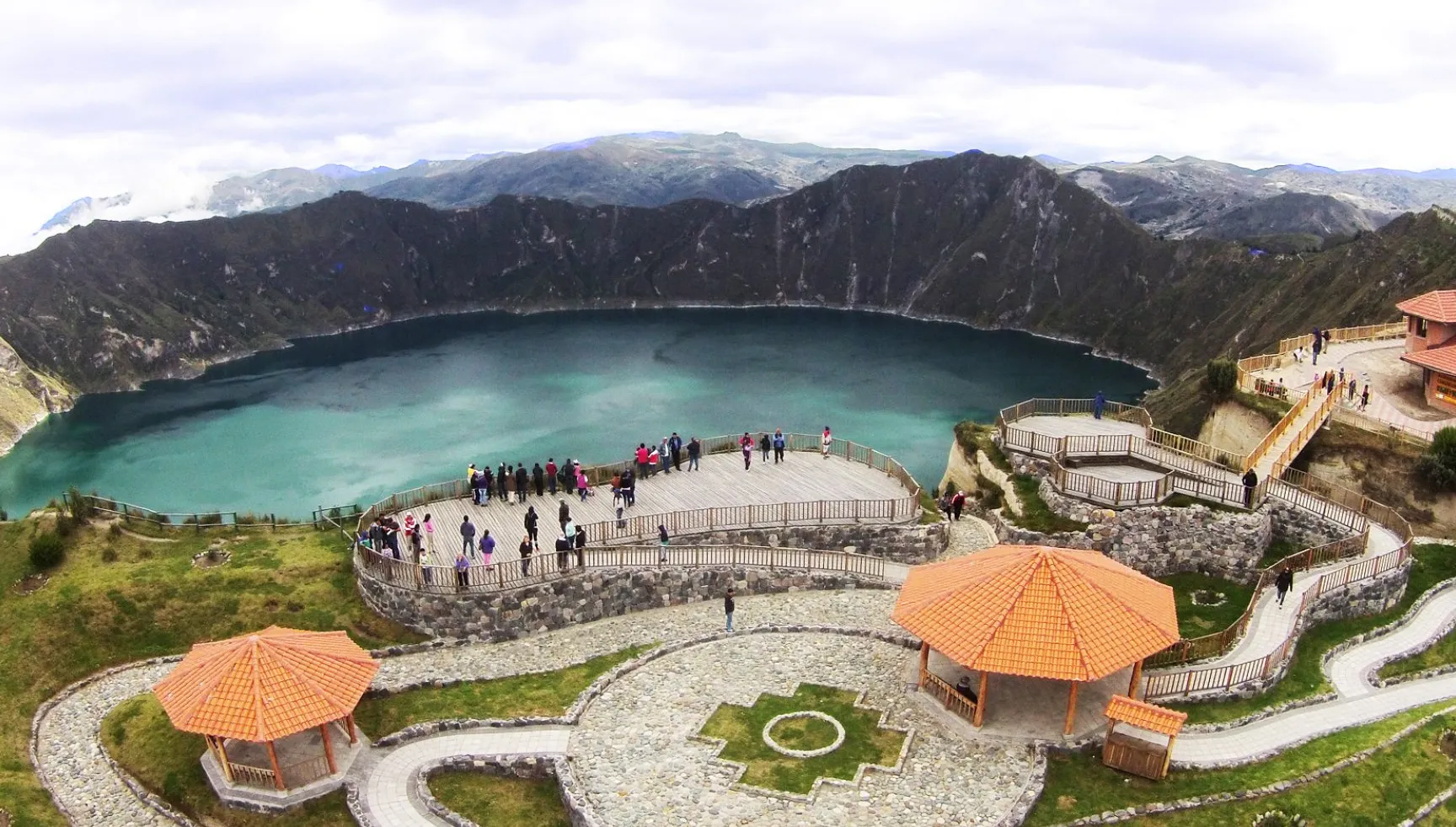
Access to the main viewpoints is relatively easy, but the trail down to the lakeshore is steep and demanding, with uneven terrain, making it not very accessible for people with reduced mobility or wheelchair users. There are no ramps or elevators. However, the views can still be enjoyed from the upper panoramic points, which are more accessible.

Are there other attractions or places of interest near Quilotoa Lake that are worth visiting?

Absolutely! Quilotoa Lake is part of the Quilotoa Loop, a route that allows you to visit indigenous communities such as Shalalá, the Saquisilí market (on Thursdays), and Pujilí. You can also explore the Toachi Canyon and other viewpoints with equally impressive landscapes in the surrounding area.

What practical tips would you give me to make the most of my visit to Quilotoa Lake?

We recommend bringing warm layered clothing, as the weather can change quickly, comfortable walking shoes, sunscreen, sunglasses, and a hat. Do not forget to bring water and something to eat, and consider acclimatizing to the altitude (it is almost 4,000 meters above sea level) to avoid altitude sickness. And of course, bring your camera to capture the incredible scenery!

¿Prefieres escuchar en español?

🇪🇸 Escucha la audioguía de Quilotoa Lake en español