No te vayas sin conocer la historia Suscribete
IAudioGuia iaudioguia
Audio Guides of Azogues

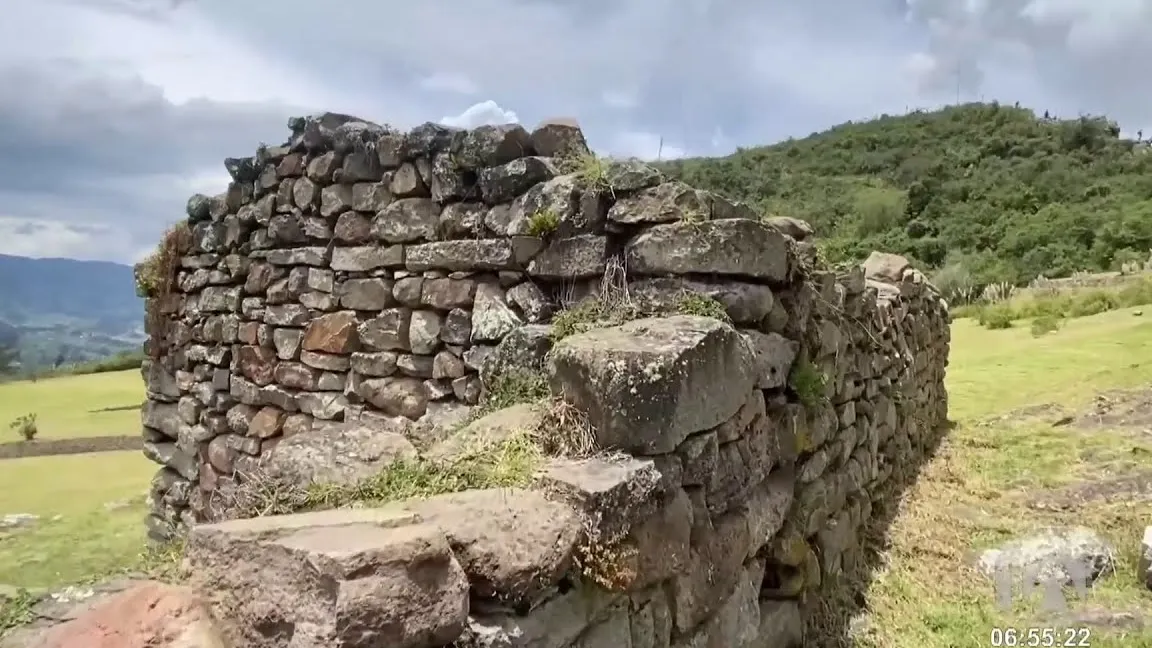
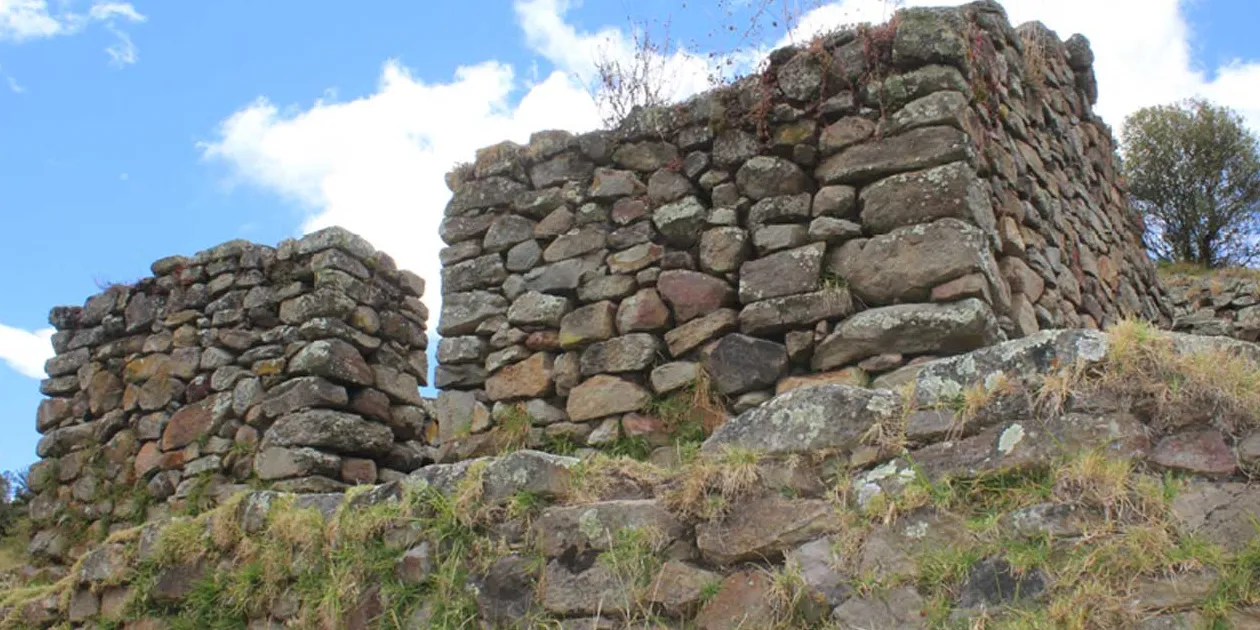
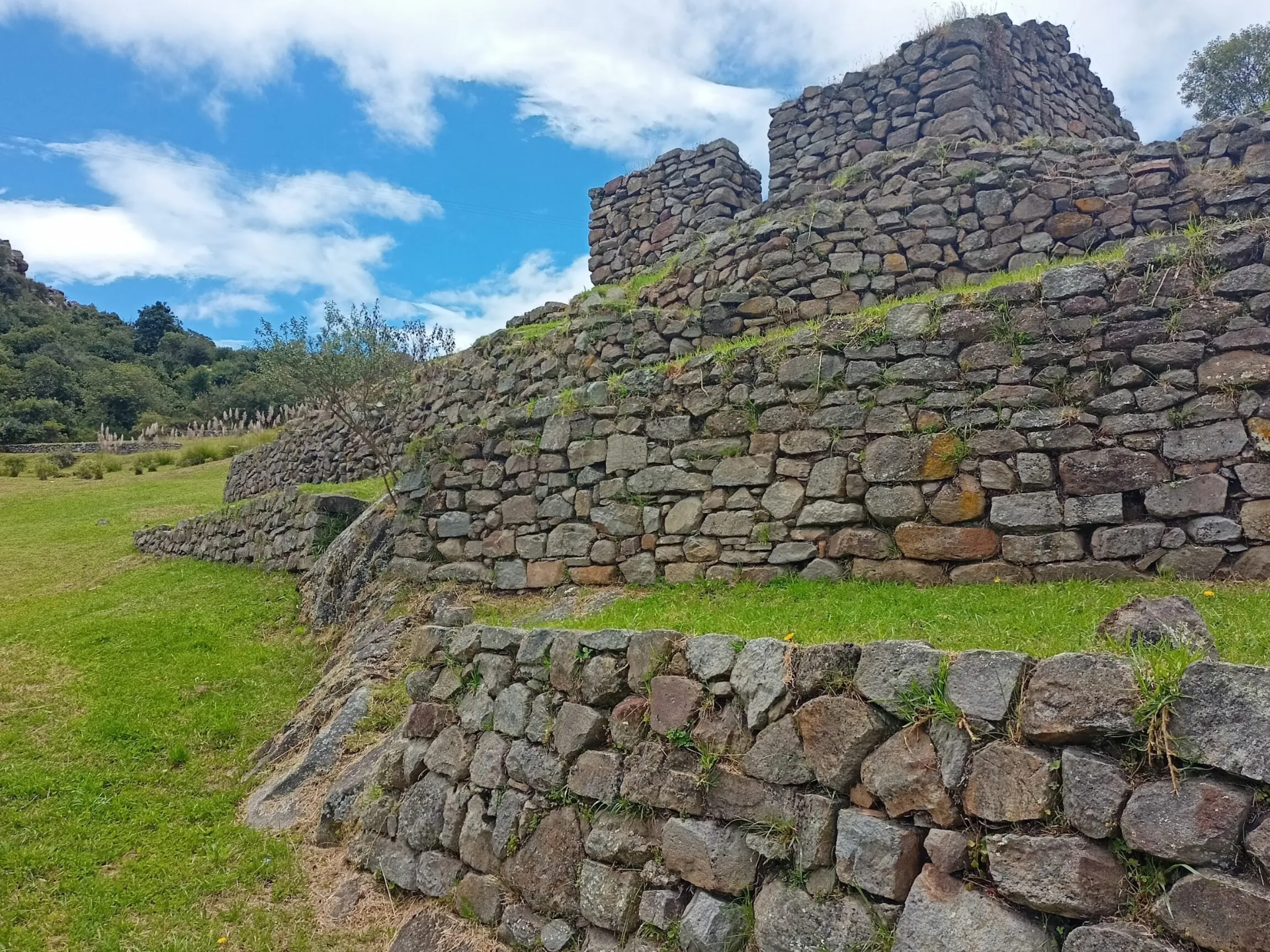
Audio Guide of the Cojitambo Archaeological Complex

Discover the Cojitambo Archaeological Complex in Azogues. A unique experience to learn about its history and significance.

✓ What guidebooks don't tell you
✓ Secrets other tourists miss
✓ Listen while you explore
Discover everything
00:00
00:00
Rate this audio guide

📖 Audio Guide Chapters

6 chapters

1. Introduction and History

🔒 Premium Content

Subscribe to access all chapters of this audio guide.

2. Architecture and Design

🔒 Premium Content

Subscribe to access all chapters of this audio guide.

3. Art and Decoration

🔒 Premium Content

Subscribe to access all chapters of this audio guide.

4. Historical Figures

🔒 Premium Content

Subscribe to access all chapters of this audio guide.

5. Curiosities and Legends

🔒 Premium Content

Subscribe to access all chapters of this audio guide.

6. Cultural Importance and Legacy

🔒 Premium Content

Subscribe to access all chapters of this audio guide.

❓ Frequently Asked Questions

What are the visiting hours for the Cojitambo Archaeological Complex, and how do I get there?

The Cojitambo Archaeological Complex is open from Tuesday to Sunday, from 08:00 to 17:00. To get there, you can take a bus from Azogues to Cojitambo or a taxi. We recommend checking with the local tourist office for specific transportation options. More information here.

Do I have to pay an entrance fee to access the Cojitambo Archaeological Complex, or is it free?

Good news! Admission to the Cojitambo Archaeological Complex is free, allowing you to enjoy this incredible place at no cost. However, it is always nice to support local vendors and guides.

How much time is recommended for a visit to Cojitambo to see everything properly?

To explore the Cojitambo Archaeological Complex at a comfortable pace and enjoy the views, we suggest setting aside between 1.5 and 2 hours. This will give you enough time to walk through the ruins, admire the landscape, and take photographs.

What is the history behind the ruins of Cojitambo, and what makes it so important?

The Cojitambo Archaeological Complex was an important Cañari ceremonial and administrative center, later adopted and transformed by the Incas. Its strategic location on a mountain made it an ideal place for astronomical observation and territorial control, revealing the sophistication of these cultures. Discover more about its historical significance here.

When is the best time of year to visit Cojitambo, and what time of day is ideal?

The best time to visit Cojitambo is during the dry season, from June to September, when the weather is sunnier and the views are clearer. To avoid the midday heat and enjoy spectacular light for photos, I recommend going early in the morning or in the middle of the afternoon.

Is the Cojitambo Archaeological Complex accessible for people with reduced mobility or wheelchairs?

Due to the nature of the archaeological terrain, with uneven paths and changes in elevation, access for people with reduced mobility or wheelchairs may be limited in some areas. It is advisable to contact the site in advance for more detailed information about current accessibility conditions.

Since we are in the area, are there other interesting attractions near Cojitambo worth visiting?

Of course! Near Cojitambo, in Azogues, you can visit the impressive San Francisco Cathedral and the Shrine of the Virgin of the Cloud. We also encourage you to explore the local markets to immerse yourself in the culture and gastronomy of the region.

Do you have any practical tips to make the most of my visit to Cojitambo?

Of course! We recommend wearing comfortable walking shoes, sunscreen, a hat, and bringing water, as the site is outdoors and can be quite sunny. Do not forget your camera to capture the stunning landscapes. Also, consider hiring a local guide to enrich your experience with detailed information about the site.

¿Prefieres escuchar en español?

🇪🇸 Escucha la audioguía de the Cojitambo Archaeological Complex en español