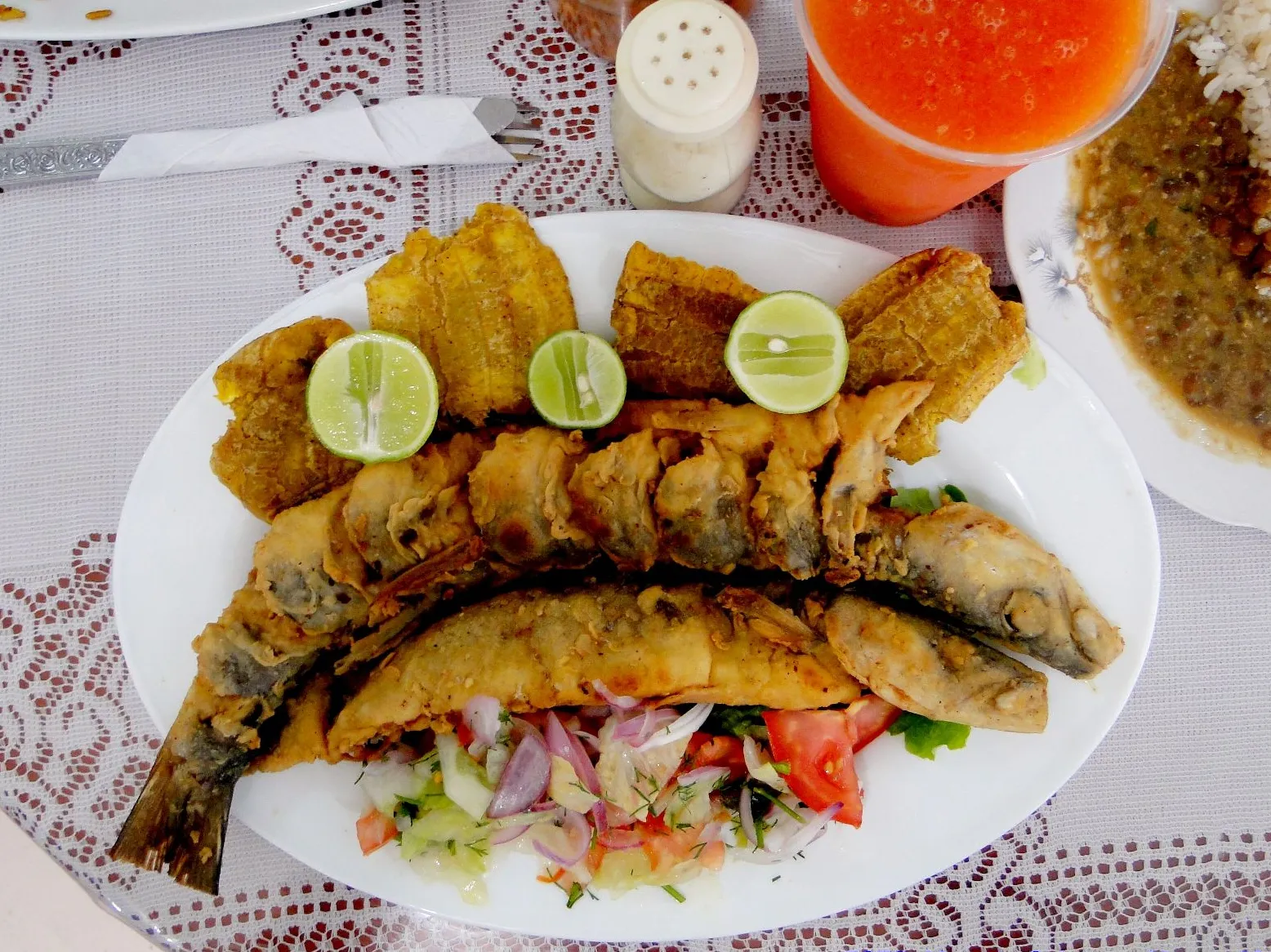
A sensory journey through the culinary tradition of Atacames, Esmeraldas, where every dish tells a story.
Local cuisine in Atacames does not have a fixed 'opening' or 'closing' time like a museum. Restaurants and food stalls usually operate from morning until night, especially in the most touristy areas such as the seafront promenade. To get there, you can use public transportation (buses) from Esmeraldas, or taxis if you are already in Atacames. Many establishments are concentrated in the town center and along the beach.
There is no admission fee to 'enjoy' the local cuisine itself, since it refers to the various restaurants, ceviche spots, and food stalls. The only thing you will pay for is the dishes you choose to eat at each establishment. There are options for every budget, from very inexpensive street food to more formal restaurants.
To have a good experience and try several dishes, I recommend dedicating at least one full meal (lunch or dinner) each day you are in Atacames. If you really want to explore it in depth, plan a 'food tour' of about 2 to 3 hours, visiting different stalls and restaurants to sample various bites and specialties.
The cuisine of Atacames, like that of the entire province of Esmeraldas, is special because of its strong Afro-Ecuadorian and Indigenous influence. It is characterized by the use of fresh seafood, green plantain, coconut, and achiote-based sofrito. Dishes such as fish or shrimp in coconut sauce, breaded sea bass, patacones, and fish tapao have hundreds of years of history, reflecting the worldview and cultural blending of the region. They are a fundamental part of the cultural identity of the people of Esmeraldas.
The best time to visit Atacames and enjoy its food is during the dry season (summer), which runs from June to December, when the weather is sunnier and there is a greater influx of tourists, ensuring that all stalls and restaurants are active. It is also excellent to visit during public holidays, when the culinary offering expands even more. For a quieter experience, you can go at the start of lunch service or in the mid-afternoon before dinner.
Accessibility in Atacames can vary. Many modern restaurants and large hotels usually have ramps or accessible restrooms. However, smaller stalls, beachside ceviche spots, or more traditional restaurants may have steps or may not be adapted. It is always advisable to research in advance or call the establishment if you have specific mobility needs.
Absolutely! After enjoying the local cuisine, you can relax on the beautiful beaches of Atacames, walk along the seafront promenade filled with artisan shops, or enjoy the nightlife. Nearby, you can also visit the beaches of Súa and Same, or even take an excursion to the islands for birdwatching or diving if you are adventurous. Do not miss the boat ride through the Atacames River estuary.
Of course! First, do not be afraid to try street stalls and the simplest ceviche spots; they are often the most authentic and delicious. Ask locals for their recommendations. I suggest bringing cash, since not every place accepts cards. And most importantly, be adventurous and order something you have never tried before! Do not forget to stay hydrated and use sunscreen if you eat near the beach.
¿Prefieres escuchar en español?
🇪🇸 Escucha la audioguía de Local Cuisine en español