Discover the history and secrets of this place with our audio guide.
Diocletian's Palace does not have a closing time as such, since it is an architectural complex integrated into the city of Split. You can walk through its streets and courtyards at any time. However, key sites such as the basement halls or the cathedrals within the Palace do have set opening hours. I recommend checking the specific schedules for each individual attraction once you are there.
Walking around and exploring the main street-level areas of Diocletian's Palace is completely free, which makes it very accessible. However, to visit specific attractions within the complex such as the Cathedral of Saint Domnius, the Temple of Jupiter, or the basement halls, you do need to buy a ticket. Prices vary, so it is a good idea to check at the relevant ticket offices.
You can spend anything from a couple of hours if you just want a quick walk around and to soak up the atmosphere, to a full day if you want to explore every corner, museum, and individual attraction inside the Palace in depth. For a complete visit that includes the paid sites, I would suggest at least 3 to 4 hours so you can enjoy it without rushing. Do not forget that it is a living part of the city.
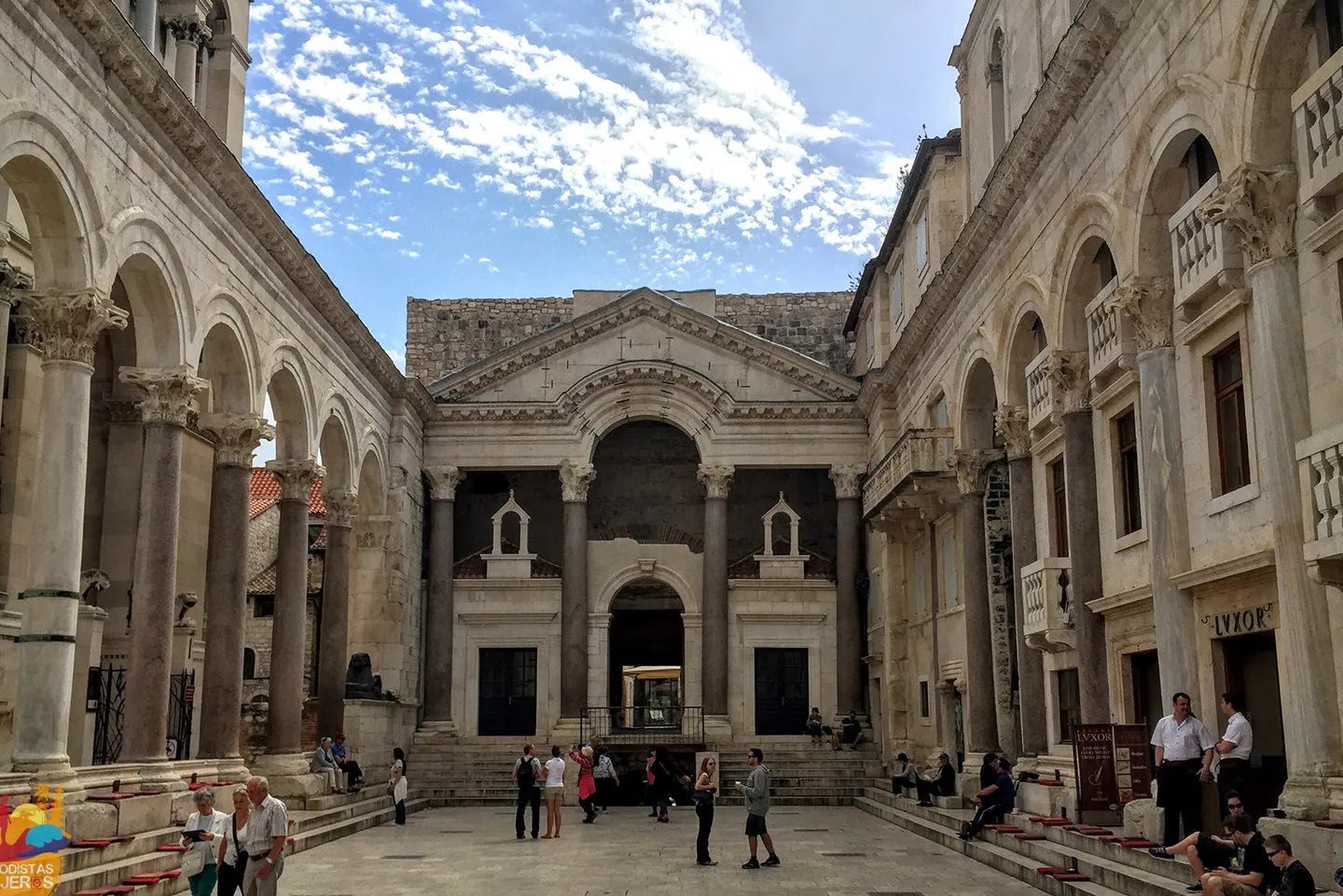
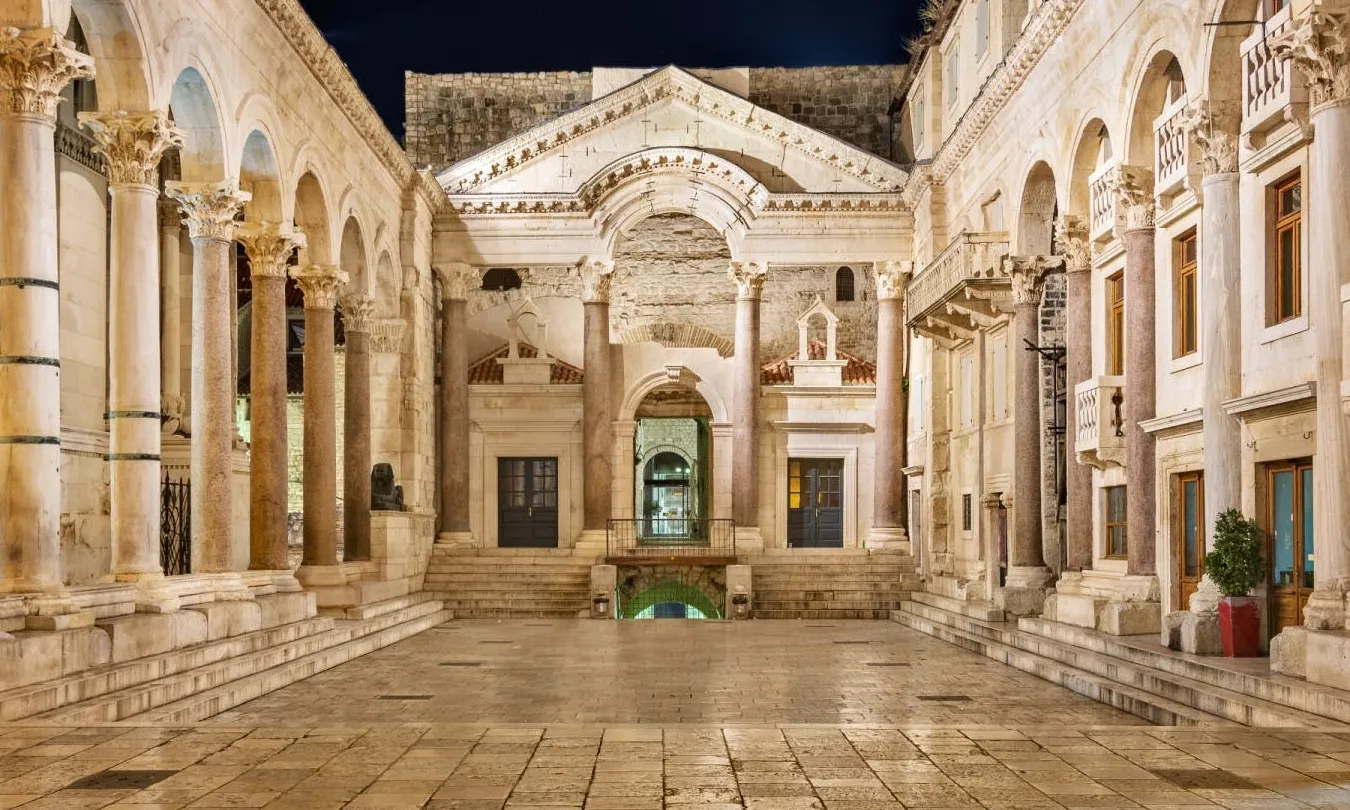
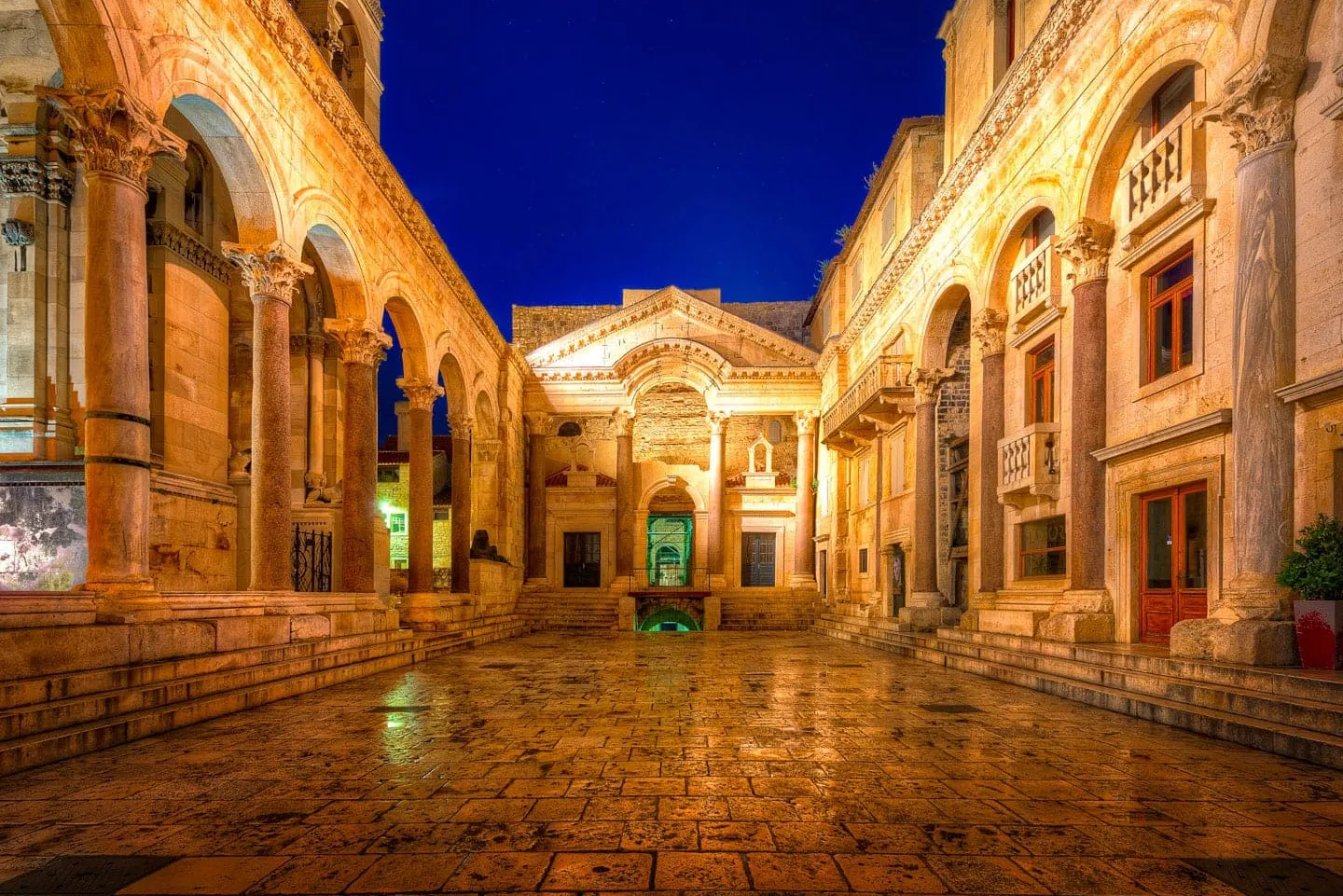
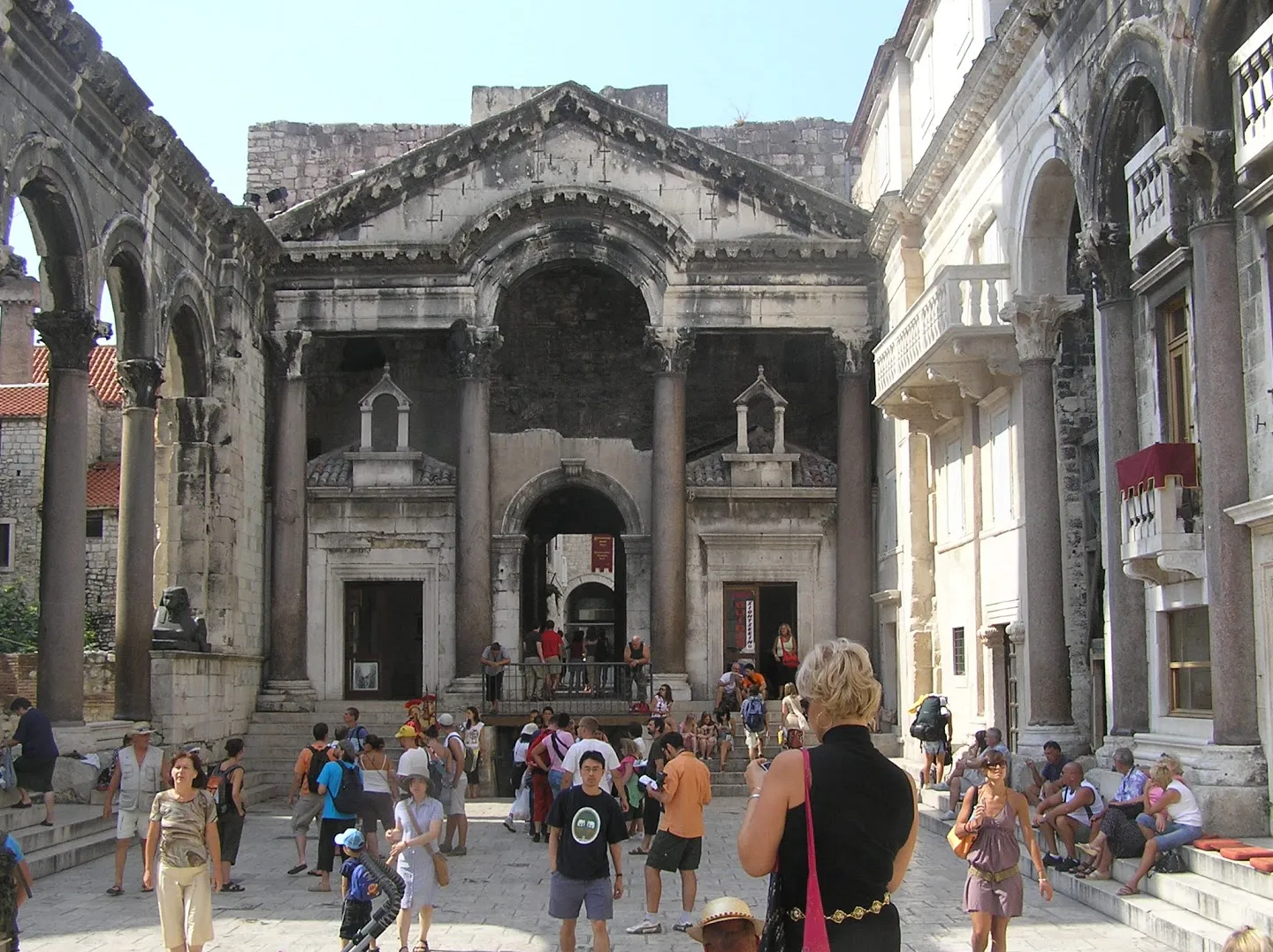
Diocletian's Palace is a UNESCO World Heritage Site and one of the best-preserved Roman monuments in the world. It was built by Emperor Diocletian at the beginning of the 4th century as his retirement residence. What makes it unique is how it has transformed over the centuries, with new buildings integrated into its walls and structures, becoming the heart of the modern city of Split. It is a living testimony to the adaptation and evolution of architecture and urban life from antiquity to the present day.
To enjoy the Palace with fewer people around, the ideal time is outside the high season of July and August. If you come in spring, from April to May, or in autumn, from September to October, the weather is pleasant and there are fewer tourists. During the day, the early morning hours before 9:00 a.m. or late afternoon after 5:00 p.m. are usually quieter, and they also offer beautiful light for photos.
Because of its age and the nature of its cobbled streets and steps, access within Diocletian's Palace can be challenging for people with reduced mobility. Many of its streets are narrow and paved with stone, features typical of an ancient city. Although walking along the main routes is possible, access to some points of interest and basement areas may be limited or may require assistance. It is recommended to check the specific accessibility of each attraction before your visit.
Split offers much more than the Palace. Right next to it, you can stroll along the Riva waterfront promenade, perfect for relaxing and having a drink. Very close by is also Marjan Hill, ideal for hiking and for spectacular views of the city and the islands. In addition, the Split Archaeological Museum and the Split City Museum, located not far away, are excellent options for learning more about local history. Do not forget to wander through its lively squares and markets.
Of course. To start with, wear comfortable shoes, as you will walk a lot on uneven cobbled streets. I recommend exploring at a relaxed pace and getting lost in its alleyways; often the most charming corners are found that way. Consider taking a guided tour if you want to dive deeper into the Palace's fascinating history and anecdotes. For a more immersive experience, our audio guide at IAudioguia.com will let you discover the Palace at your own pace, with detailed storytelling and the essential information you need. And do not forget to try the local cuisine in one of the many restaurants and taverns inside and around the Palace.
¿Prefieres escuchar en español?
🇪🇸 Escucha la audioguía de Diocletian's Palace en español