No te vayas sin conocer la historia Suscribete
IAudioGuia iaudioguia
Audio Guides of Solta

Audio Guide of Gornje Selo

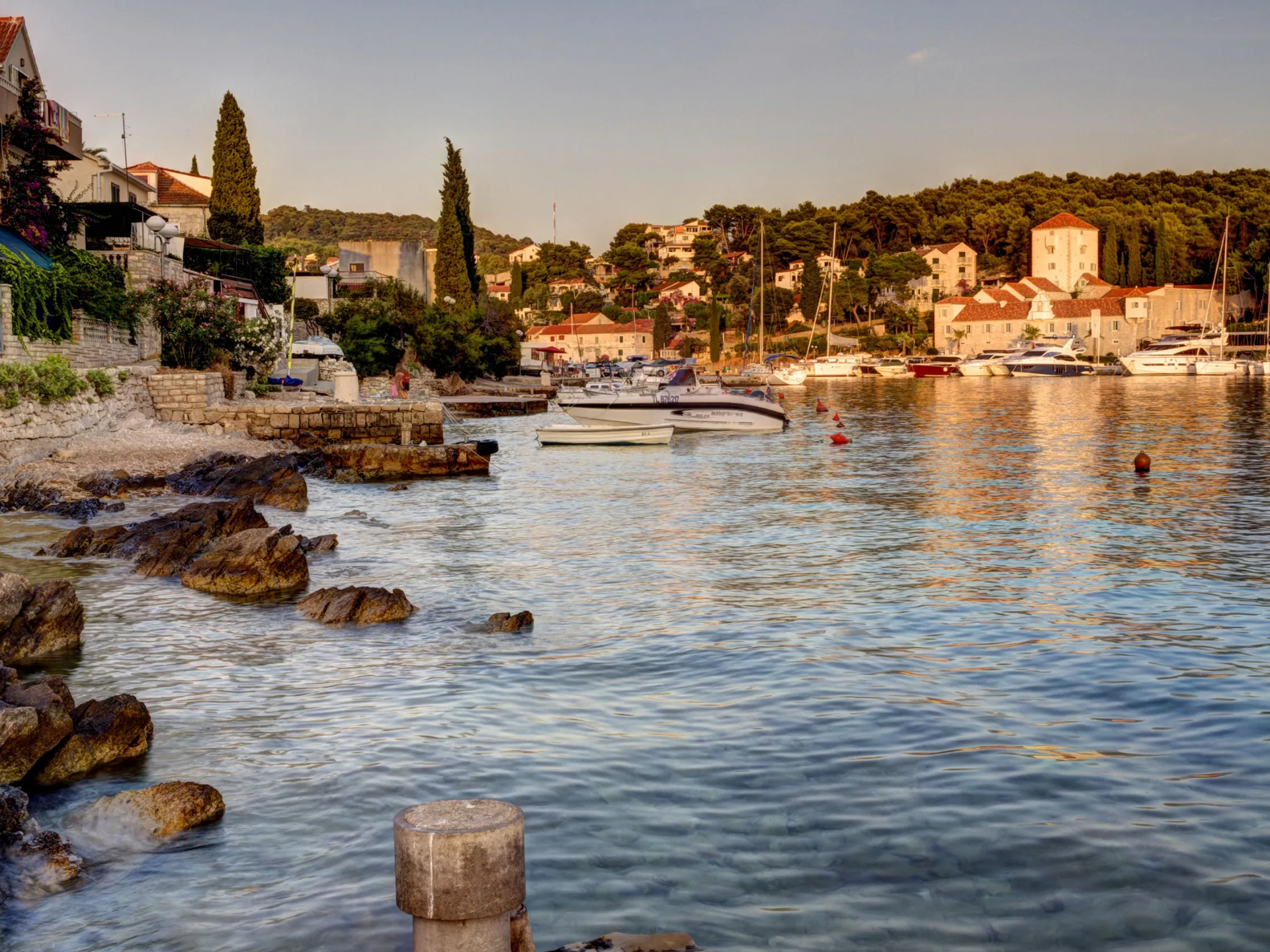
A charming rural village on the island of Šolta, Gornje Selo is a living testament to history, traditional architecture, and the enduring Dalmatian way of life.

✓ What guidebooks don't tell you
✓ Secrets other tourists miss
✓ Listen while you explore
Discover everything
00:00
00:00
Rate this audio guide

📖 Audio Guide Chapters

6 chapters

1. Introduction and History

🔒 Premium Content

Subscribe to access all chapters of this audio guide.

2. Architecture and Design

🔒 Premium Content

Subscribe to access all chapters of this audio guide.

3. Art and Decoration

🔒 Premium Content

Subscribe to access all chapters of this audio guide.

4. Historical Figures

🔒 Premium Content

Subscribe to access all chapters of this audio guide.

5. Curiosities and Legends

🔒 Premium Content

Subscribe to access all chapters of this audio guide.

6. Cultural Importance and Legacy

🔒 Premium Content

Subscribe to access all chapters of this audio guide.

❓ Frequently Asked Questions

What are the opening hours and how can I get to Gornje Selo on Šolta?

Gornje Selo is a village open 24 hours a day, as it has no restricted hours. To get there, take a ferry from Split to Rogač on Šolta with Jadrolinija (check schedules on their website), and then a local bus or taxi for about 10 km, which takes around 20 minutes.

How much is admission to Gornje Selo, or are there any fees?

Visiting Gornje Selo is completely free, as it is a village open to the public. You will only pay for the ferry from Split (around €5–10 round trip) and possible local transport or shopping expenses.

How much time is needed to visit Gornje Selo?

It is recommended to spend 1–2 hours exploring the village, the main church, and the nearby olive groves. If you include an olive oil or local wine tasting, it could extend to half a day.

What is the history or cultural importance of Gornje Selo?

Gornje Selo is an ancient village on Šolta with medieval roots, famous for the 16th-century Church of the Assumption of the Virgin Mary and its centuries-old olive groves, which symbolize Croatian agricultural tradition. It represents the island’s rural essence, with vineyards and authentic Dalmatian architecture.

When is the best time to visit Gornje Selo?

Spring (April–June) or autumn (September–October) are ideal because of the mild weather and fewer tourists. Visit early in the morning to enjoy panoramic views without crowds and with perfect light for photos.

Is Gornje Selo accessible for people with reduced mobility?

The main access to the village is reasonable, but the cobbled streets and slopes make it challenging for wheelchairs. I recommend taking a taxi to the center and checking with local guides for adapted routes; there are no specific accessibility facilities.

What other attractions are near Gornje Selo?

Nearby you will find the port of Rogač (5 km) for ferries, the fortress of Maslinica (10 km) with beaches, and olive groves for tastings. Explore the island by bike or visit other beaches on Šolta such as Banje.

What practical tips can you give me for visiting Gornje Selo?

Wear comfortable shoes for walking on uneven paths, and bring water and sunscreen; try the local olive oil at cooperatives. Book the ferry in advance with Jadrolinija and combine your visit with an audio guide from IAudioguia to enrich the experience.

¿Prefieres escuchar en español?

🇪🇸 Escucha la audioguía de Gornje Selo en español