No te vayas sin conocer la historia Suscribete
IAudioGuia iaudioguia
Audio Guides of Jelsa

Audio Guide of Plaza Pjaca

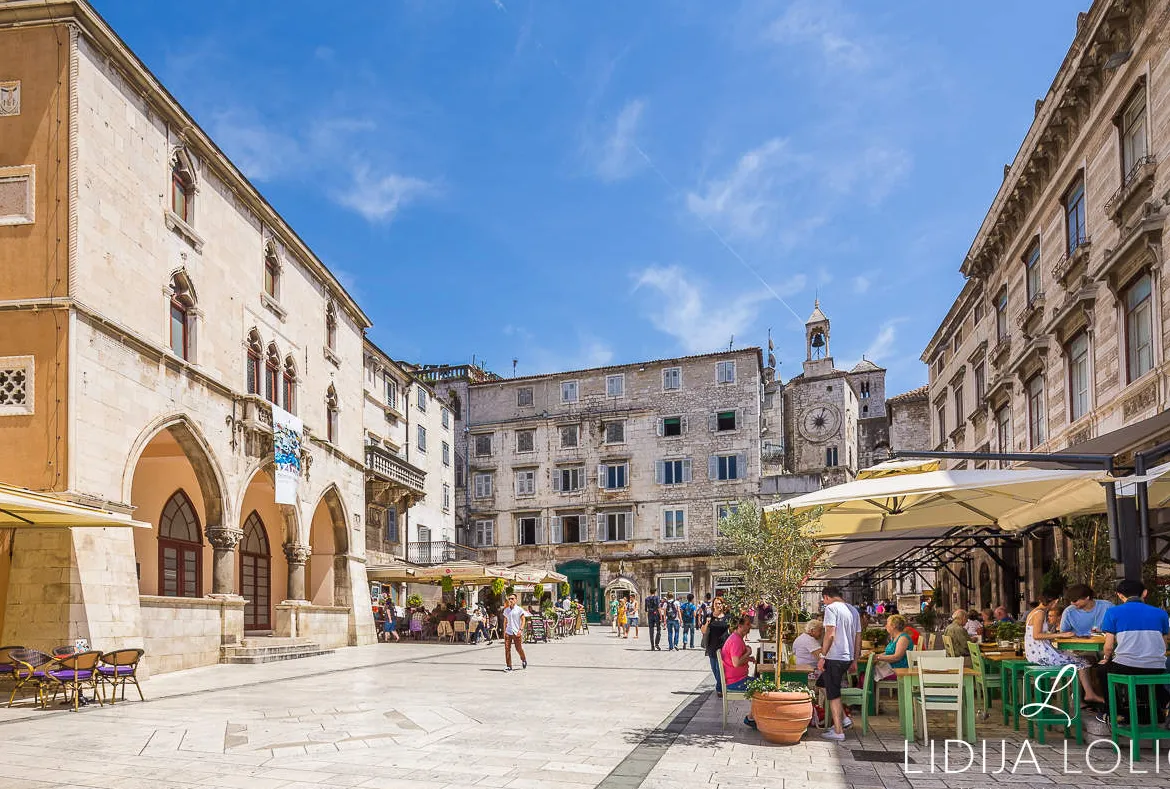
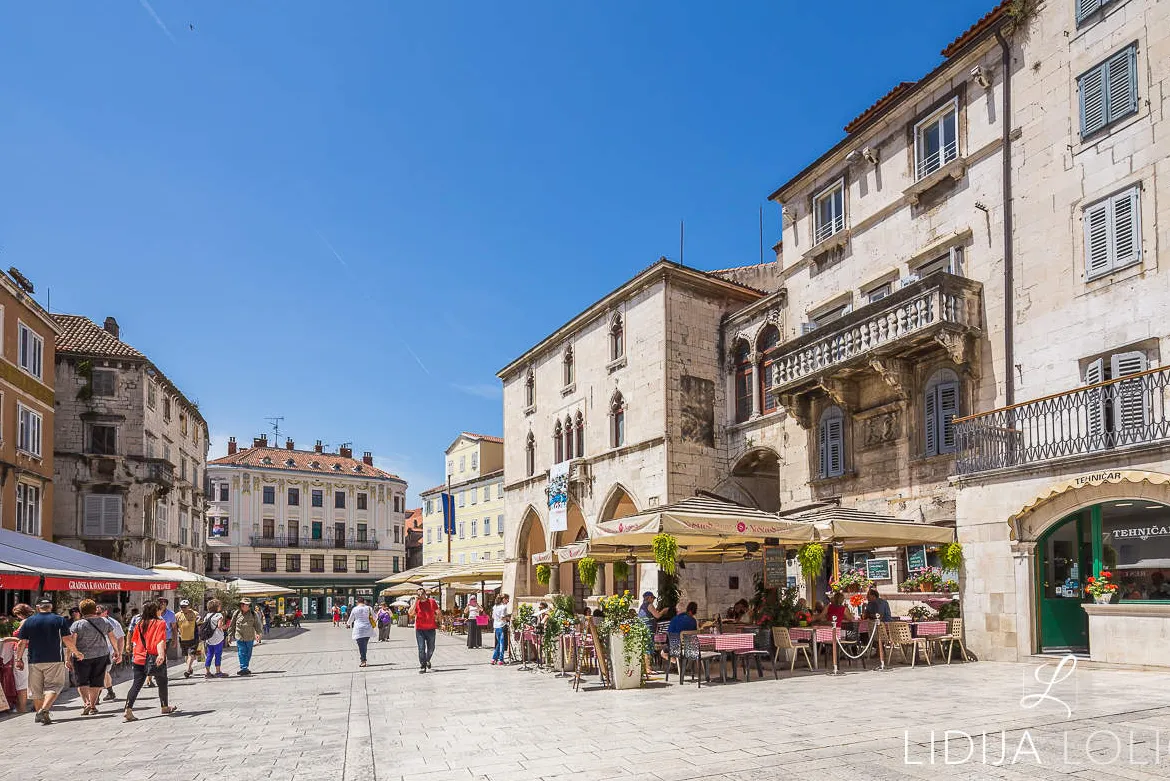
La Plaza Pjaca es el corazón histórico de Jelsa, en la isla de Hvar, Croacia. Un espacio empedrado rodeado de arquitectura dálmata que invita a la contemplación y al paseo sereno.

✓ What guidebooks don't tell you
✓ Secrets other tourists miss
✓ Listen while you explore
Discover everything
00:00
00:00

📖 Audio Guide Chapters

6 chapters

1. Welcome to Plaza Pjaca

🔒 Premium Content

Subscribe to access all chapters of this audio guide.

2. The Architecture of Plaza Pjaca

🔒 Premium Content

Subscribe to access all chapters of this audio guide.

3. History and Figures of Plaza Pjaca

🔒 Premium Content

Subscribe to access all chapters of this audio guide.

4. Art and Details of Plaza Pjaca

🔒 Premium Content

Subscribe to access all chapters of this audio guide.

5. Secrets and Curiosities

🔒 Premium Content

Subscribe to access all chapters of this audio guide.

6. Farewell and Recommendations

🔒 Premium Content

Subscribe to access all chapters of this audio guide.

❓ Frequently Asked Questions

What are the visiting hours for Plaza Pjaca and how do I get there?

Plaza Pjaca (known locally as Pjaca) is an open-air public square, so it is always accessible. It is located in the historic heart of Jelsa and is pedestrian-only. To get there: follow the signs from the port or use GPS coordinates 43.1614°N, 16.6931°E. See the exact location here.

Do I need to pay an entrance fee to visit Plaza Pjaca?

No, access is completely free because it is a public space. However, some of the surrounding historic buildings (such as galleries or private museums) may have separate fees.

How much time is recommended for the visit?

Between 30 and 60 minutes is enough to appreciate the architecture, take photographs, and enjoy the atmosphere. If you decide to sit at one of the terraces of its traditional cafés, you can comfortably extend your stay.

What historical importance does this square have?

Pjaca is the founding core of Jelsa, with origins dating back to the 15th century. Renaissance and Baroque buildings come together here, reflecting the island’s Venetian legacy. Its traditional paving stones and central well are symbols of Dalmatian heritage.

What is the best time of year to visit?

Spring (May-June) and early autumn (September) are ideal for avoiding crowds and enjoying mild temperatures. At sunset, the golden light enhances its white stone and creates a magical atmosphere. Check local events here.

Is it accessible for people with reduced mobility?

The square has uneven Dalmatian-style stone paving, which can make wheelchair movement difficult. We recommend assistance for curbs and level changes. For more details: +385 21 761 286 (Jelsa Tourist Office).

What other tourist attractions are nearby?

Less than 5 minutes away on foot you will find: the fishing harbor, the Baroque Church of St. John, and the fortified Tor Tower. We also recommend boat trips from the pier to beaches such as Vrboska. View the interactive map.

Any tips to make the most of the visit?

1) Wear comfortable shoes because of the cobblestones. 2) Try the local wine in the nearby konobas (taverns) — look for Bogdanusa labels. 3) Don’t miss the side streets filled with wisteria. More recommendations: Routes around Jelsa.

¿Prefieres escuchar en español?

🇪🇸 Escucha la audioguía de Plaza Pjaca en español