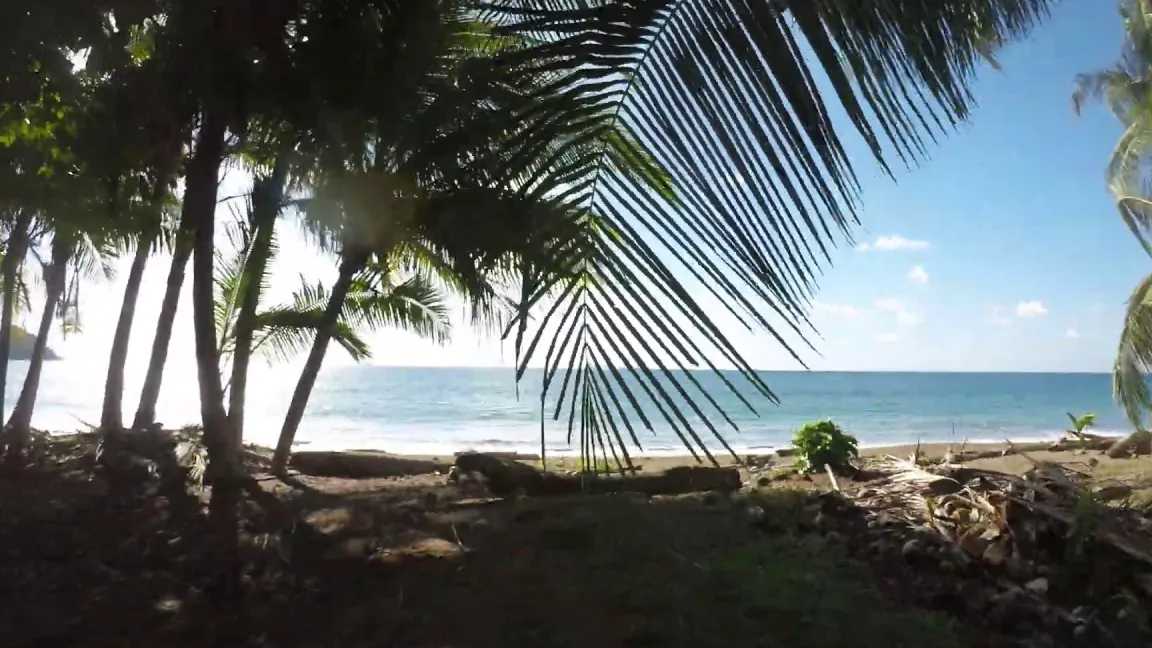
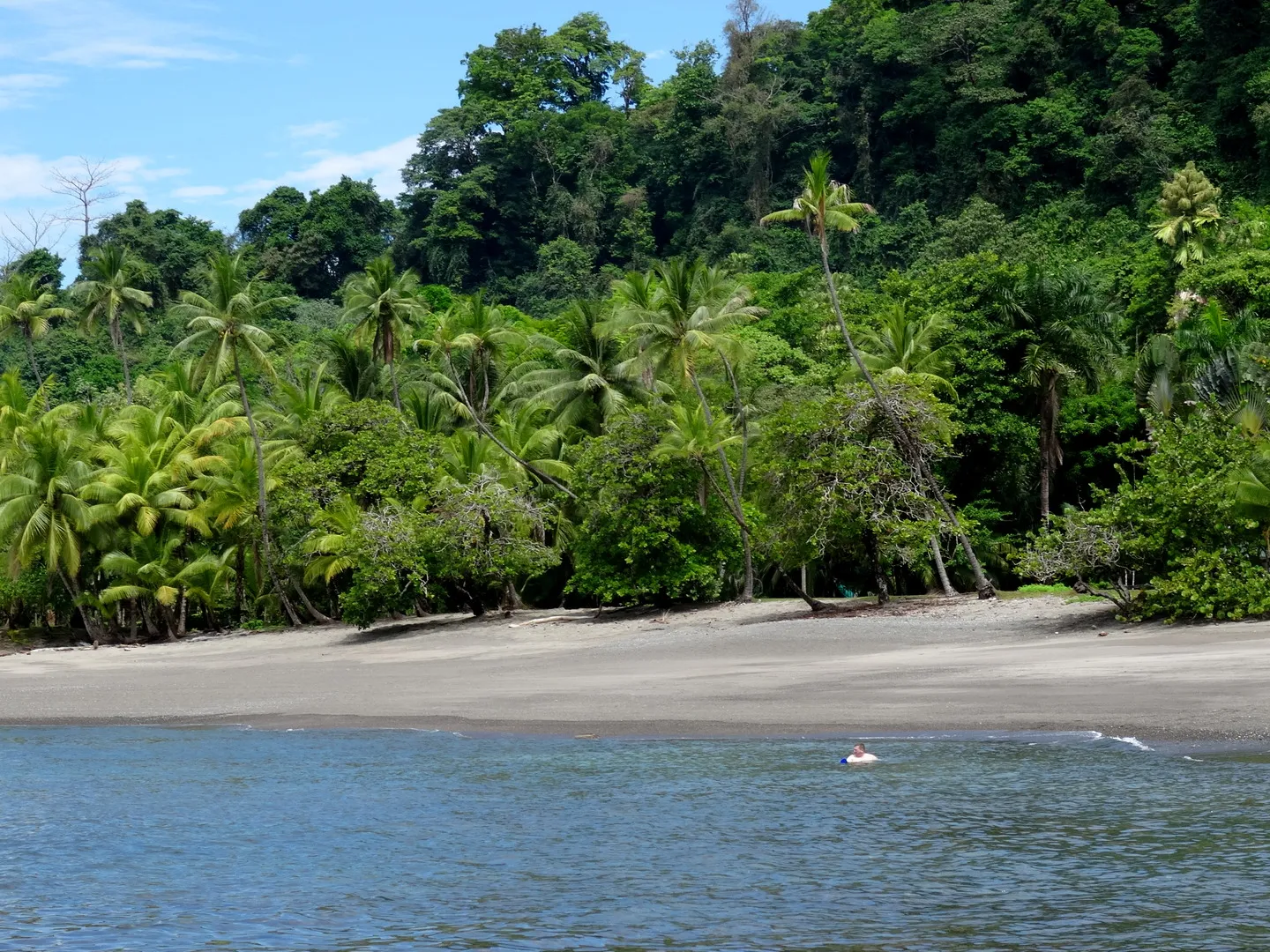
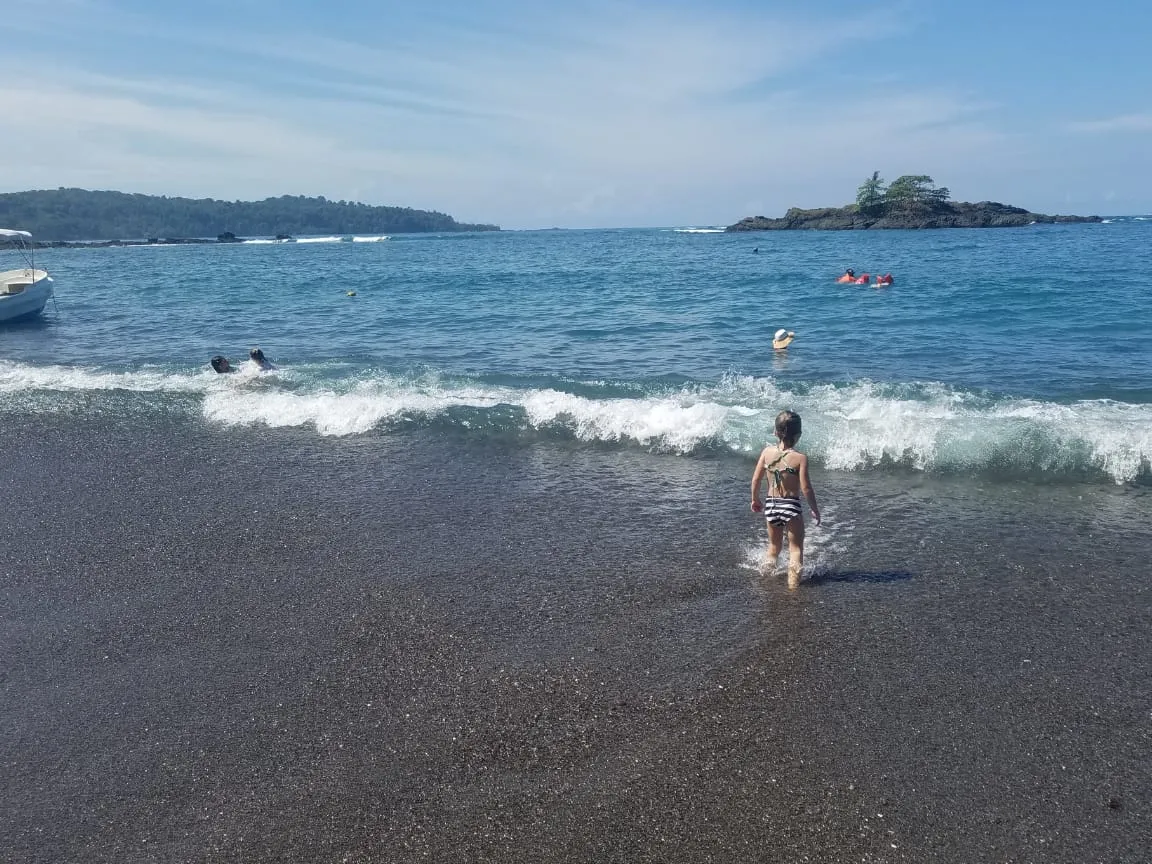
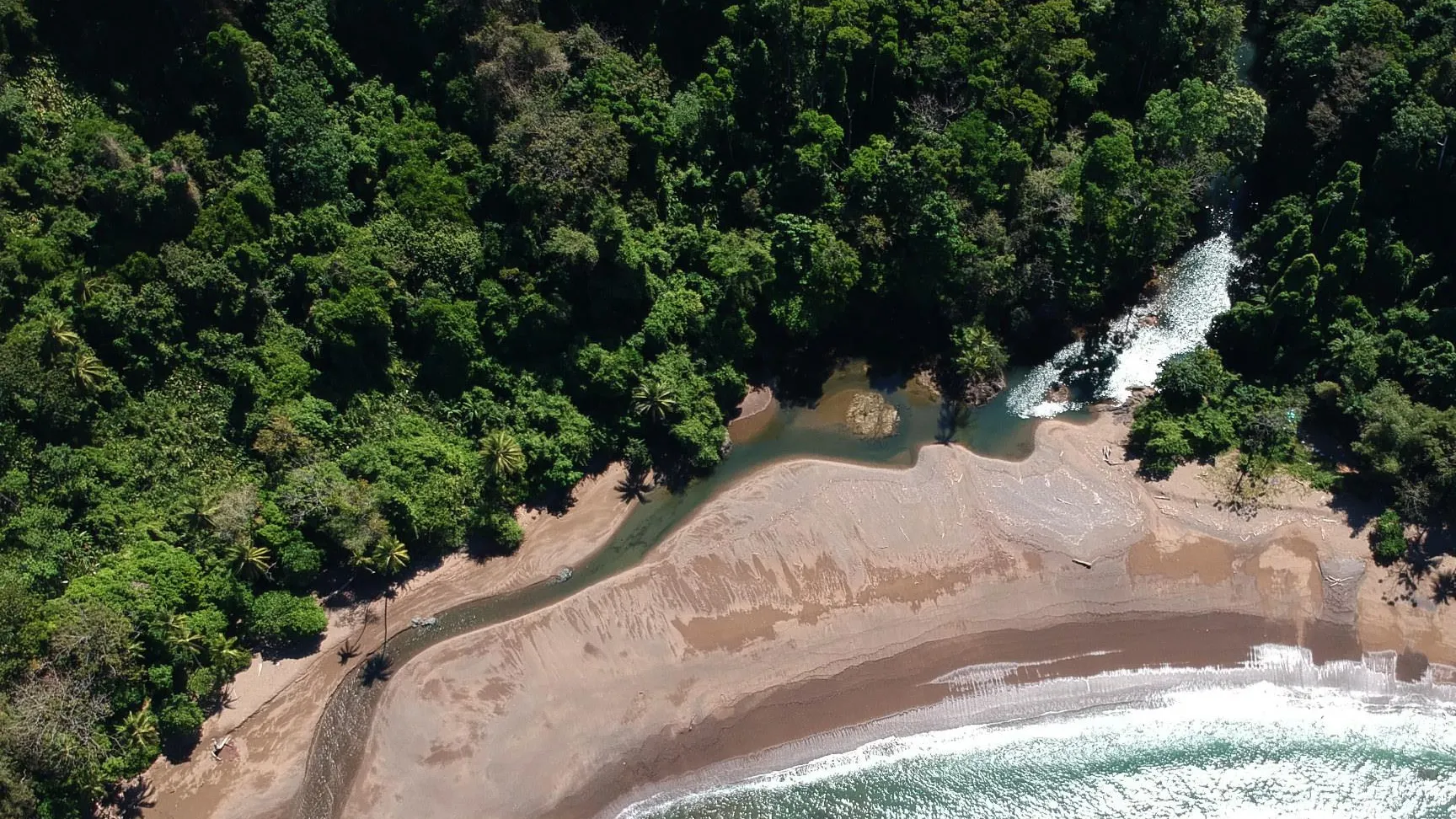
A hidden paradise in Drake Bay, where the rainforest meets the Pacific Ocean in an explosion of life and natural beauty.
San Josecito Beach is always open to the public, as it is a natural beach. The most common and exciting way to get there is by boat from Agujitas (Drake Bay), which also lets you enjoy the coastline. It is also accessible on foot via trails from some nearby accommodations, although the route can be challenging. There are no formal opening or closing hours, so you can visit whenever you like, though daytime is recommended.
No, San Josecito Beach is public and completely free to access. However, keep in mind that boat transportation to the beach does have a cost. If you join a snorkeling tour or another excursion in the area, the boat or activity fee may include the beach visit. You will not have to pay anything simply to walk on the sand or go for a swim.
To fully enjoy San Josecito Beach, it is recommended to spend at least 2 to 3 hours there. This gives you enough time to relax on the sand, take a swim in its calm waters, and perhaps explore the surroundings a bit. Some visitors choose to spend half a day, combining the visit with activities such as snorkeling or a picnic.
San Josecito Beach is mainly known for its pristine natural beauty and its importance as a nesting site for sea turtles during certain times of the year, highlighting its ecological value. It does not have a prominent human cultural or historical background like an archaeological site; rather, its value lies in being a peaceful refuge and a vital natural habitat, often visited as part of excursions to Corcovado National Park or Caño Island.
The best time to visit is during Costa Rica's dry season, from December to April, when the weather is sunnier and the waters are calmer, ideal for swimming and snorkeling. As for the time of day, the early morning hours (before 10 a.m.) or the late afternoon (after 3 p.m.) are ideal for avoiding the strongest sun and enjoying a more peaceful atmosphere. High tide is usually better for swimming, while low tide can reveal more ground to explore.
Unfortunately, San Josecito Beach is not easily accessible for people with reduced mobility or wheelchairs. The most common way to arrive is by boat, which involves disembarking directly onto the sand, and there are no adapted ramps or walkways. The surrounding terrain is natural and lacks infrastructure to facilitate access.
San Josecito Beach is the gateway to many natural wonders. Very nearby is the Sirena Biological Station in Corcovado National Park, famous for its incredible biodiversity, as well as Caño Island, an excellent site for snorkeling and diving. You can also explore other trails and waterfalls around Drake Bay, where you will find a great variety of wildlife.
For the best experience, bring sunscreen, insect repellent, drinking water, snacks, and waterproof cameras. It is essential to take all your trash with you to preserve the beach's unspoiled character. Consider joining an organized tour that combines the visit with snorkeling or a hike along nearby trails. Do not forget your snorkeling gear if you want to explore the rocky reef beside the beach, and always stay alert to the local wildlife.
¿Prefieres escuchar en español?
🇪🇸 Escucha la audioguía de San Josecito Beach en español