No te vayas sin conocer la historia Suscribete
IAudioGuia iaudioguia
Audio Guides of Playa Negra

Audio Guide of the Lalo Loor Biological Reserve

A biodiversity sanctuary in Playa Negra, Guanacaste, home to rich wildlife and flora in a unique coastal ecosystem.

✓ What guidebooks don't tell you
✓ Secrets other tourists miss
✓ Listen while you explore
Discover everything
00:00
00:00

📖 Audio Guide Chapters

6 chapters

1. Introduction and Origins of the Sanctuary

🔒 Premium Content

Subscribe to access all chapters of this audio guide.

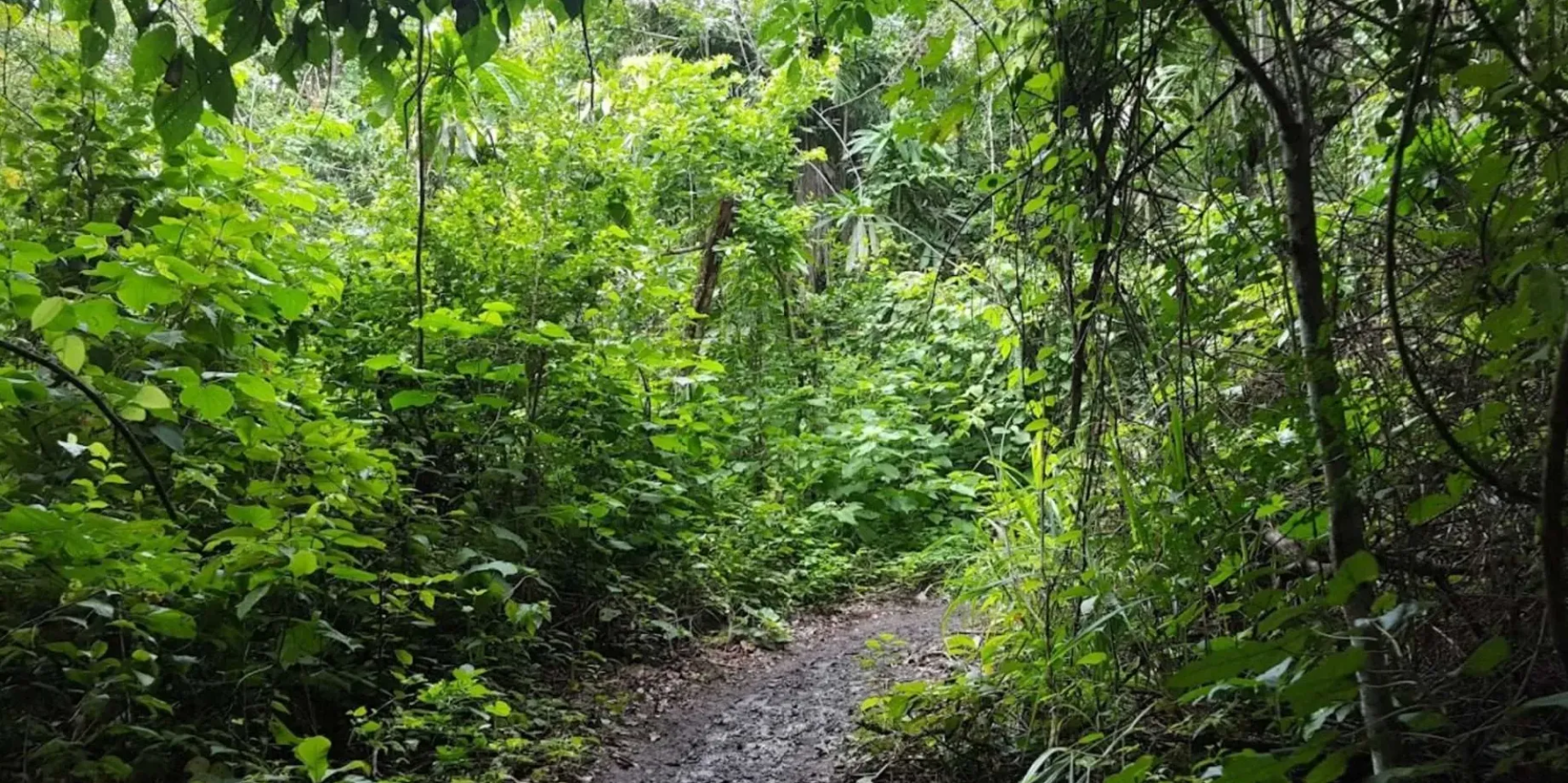
2. Ecosystems and Biological Diversity

🔒 Premium Content

Subscribe to access all chapters of this audio guide.

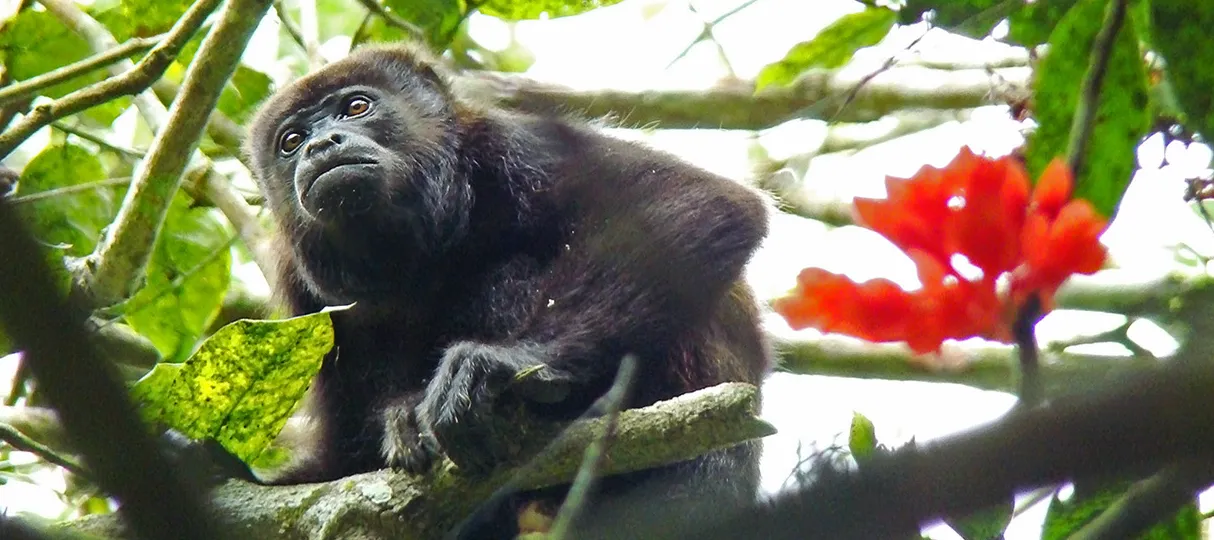
3. Emblematic Wildlife and Birdwatching

🔒 Premium Content

Subscribe to access all chapters of this audio guide.

4. Educational and Conservation Role

🔒 Premium Content

Subscribe to access all chapters of this audio guide.

5. Curiosities and the 'Conscious Human Footprint'

🔒 Premium Content

Subscribe to access all chapters of this audio guide.

6. Regional Importance and Future Legacy

🔒 Premium Content

Subscribe to access all chapters of this audio guide.

❓ Frequently Asked Questions

What are the opening hours of the Lalo Loor Biological Reserve and how can I get there?

The Lalo Loor Biological Reserve is usually open from 8:00 AM to 5:00 PM, but I recommend checking current hours before your visit, as they may vary. It is located near Playa Negra, Costa Rica. The easiest way to get there is by private car or taxi, as public transportation can be limited in the area. I advise contacting them directly for the best route: +506 8888 8888.

Is there an entrance fee for the reserve and how do I buy tickets?

Yes, the reserve has an entrance fee that is usually around $10-15 USD per person for foreign visitors, with lower prices for residents. This money contributes directly to conservation of the site. Tickets are generally purchased directly at the entrance upon arrival.

How much time is recommended to visit the Lalo Loor Biological Reserve at a relaxed pace?

To fully enjoy the reserve and walk its main trails, I suggest allowing between 2 and 3 hours. This will let you observe the flora and fauna calmly and take photographs without rushing.

What important history or significance does the Lalo Loor Biological Reserve have?

The Lalo Loor Biological Reserve is a private conservation project that seeks to protect a vital remnant of tropical dry forest on Costa Rica’s Pacific coast. Its importance lies in being a stronghold for numerous endangered plant and animal species, and an example of sustainable tourism that involves the local community. It is a testament to one family’s effort to preserve natural heritage.

What is the best time of year or time of day to visit the reserve?

The best time to visit is usually during the dry season (December to April), when the trails are in better condition and there is a greater chance of spotting animals. Early in the morning, right when it opens, or late in the afternoon, wildlife is usually more active and temperatures are more pleasant. The light is also better for photography.

Is the Lalo Loor Biological Reserve accessible for people with reduced mobility?

Due to its nature as a biological reserve and the natural forest terrain, some trails may be uneven or steep, which could make wheelchair access or access for people with very limited mobility difficult. It is always advisable to contact the reserve administration directly to ask about specific accessibility options: [email protected].

What other attractions or places of interest are near the Lalo Loor Biological Reserve?

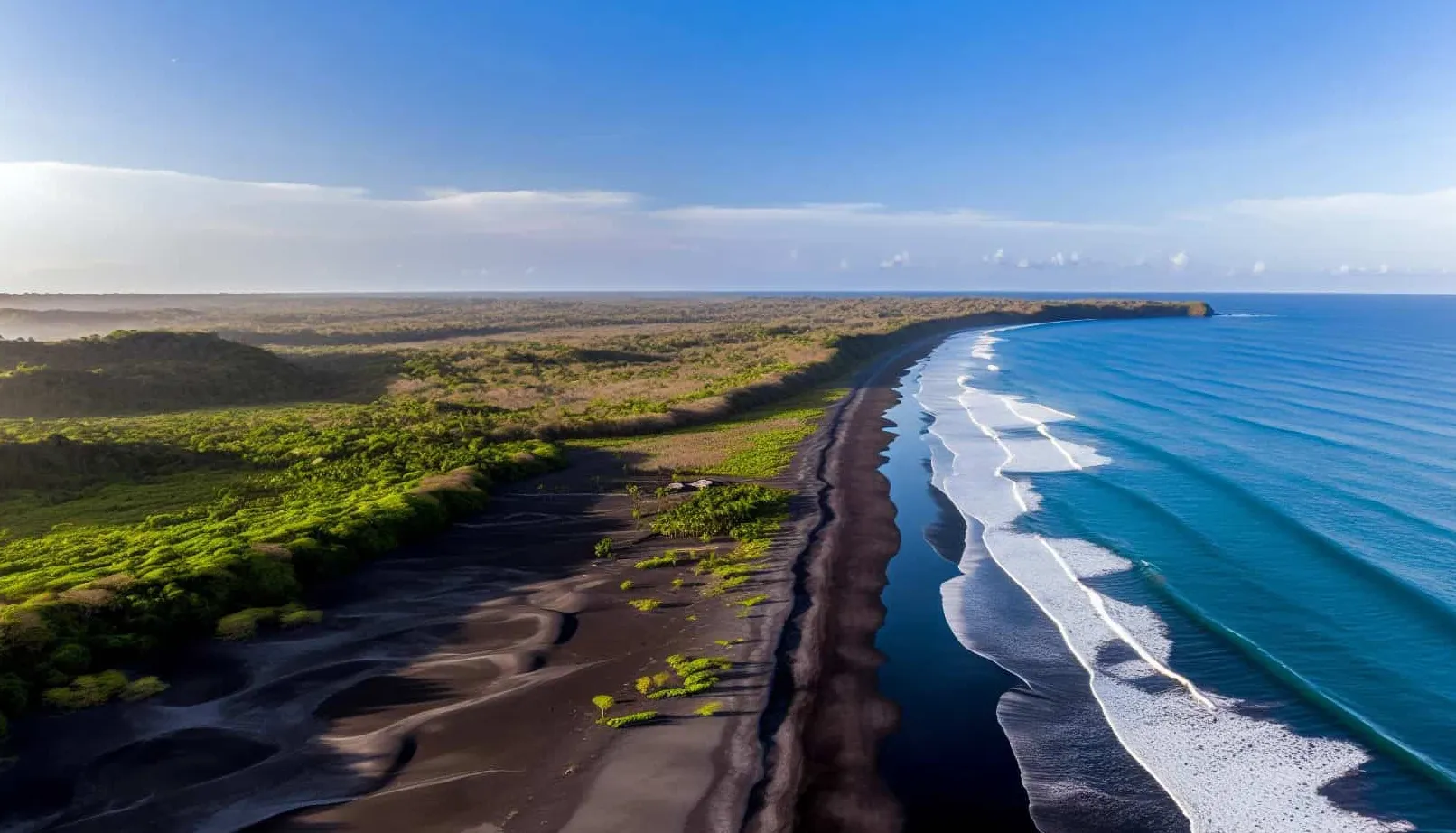
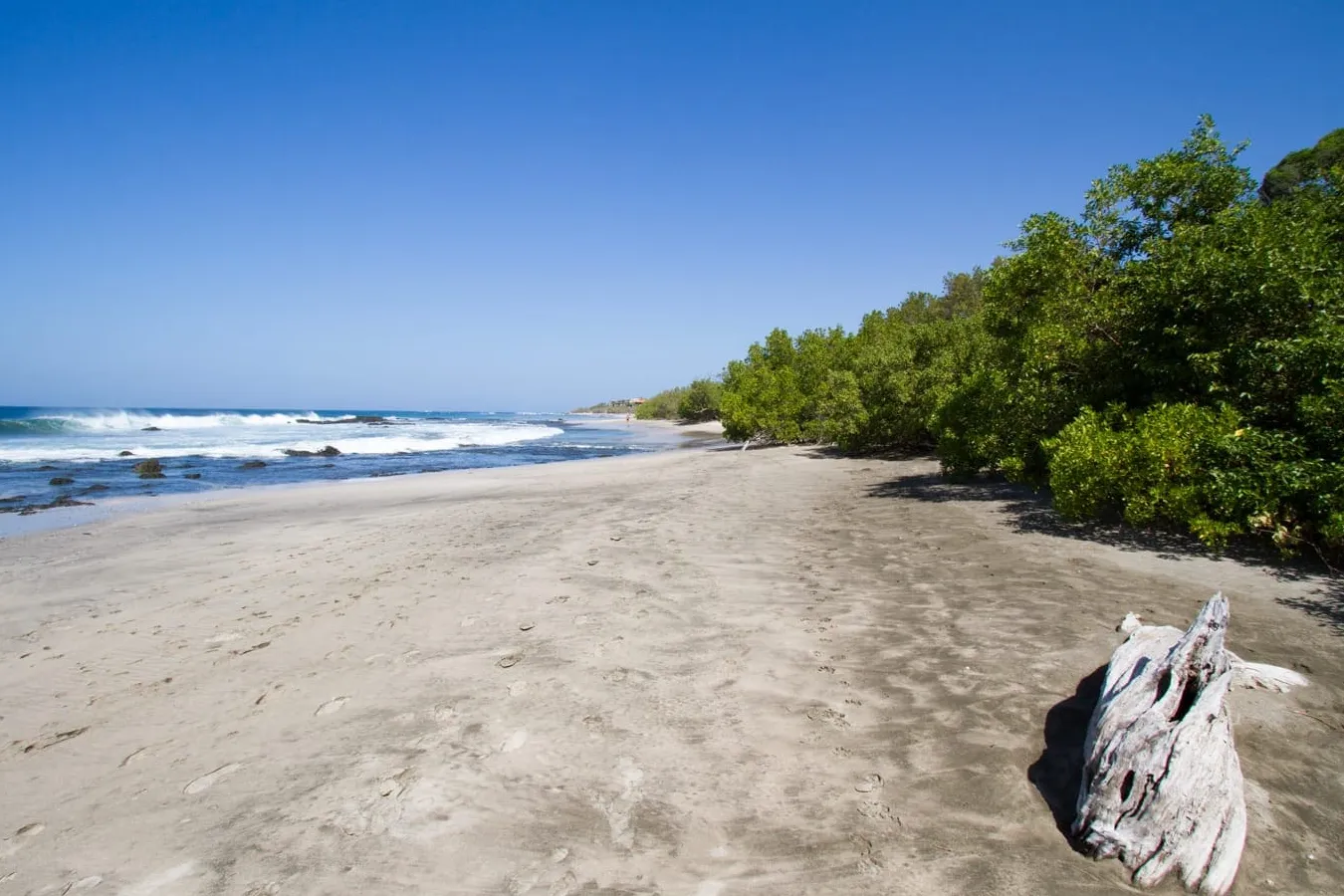
Near the reserve, you can enjoy the beautiful beaches of Playa Negra and Playa Avellanas, ideal for surfing and relaxation. There are also sea turtle watching tours at certain times of the year, as well as charming small coastal towns to explore. The area is perfect for nature and beach lovers.

What practical tips would you give me to make the most of my visit to the reserve and enjoy it fully?

Of course! I recommend bringing insect repellent, sunscreen, a hat, drinking water, and comfortable walking shoes. Don’t forget your binoculars and a camera to capture the wildlife. Stay on marked trails and respect the environment. Listen to the sounds of nature and be patient; wildlife often appears when you least expect it. And of course, your IAudioguide guide will tell you all the secrets of the place!

¿Prefieres escuchar en español?

🇪🇸 Escucha la audioguía de the Lalo Loor Biological Reserve en español