No te vayas sin conocer la historia Suscribete
IAudioGuia iaudioguia
Audio Guides of Paquera

Audio Guide to Curú Wildlife Refuge

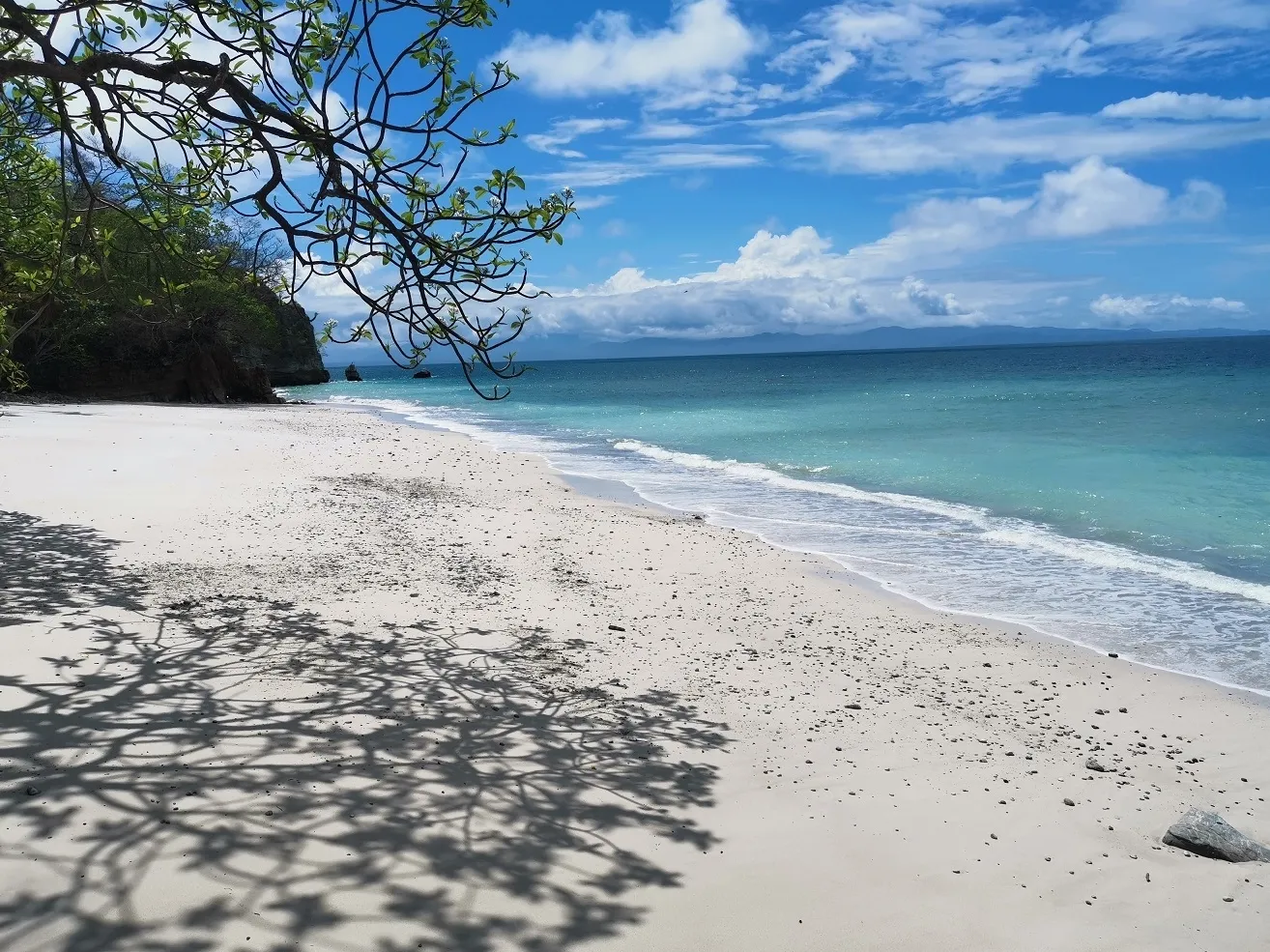
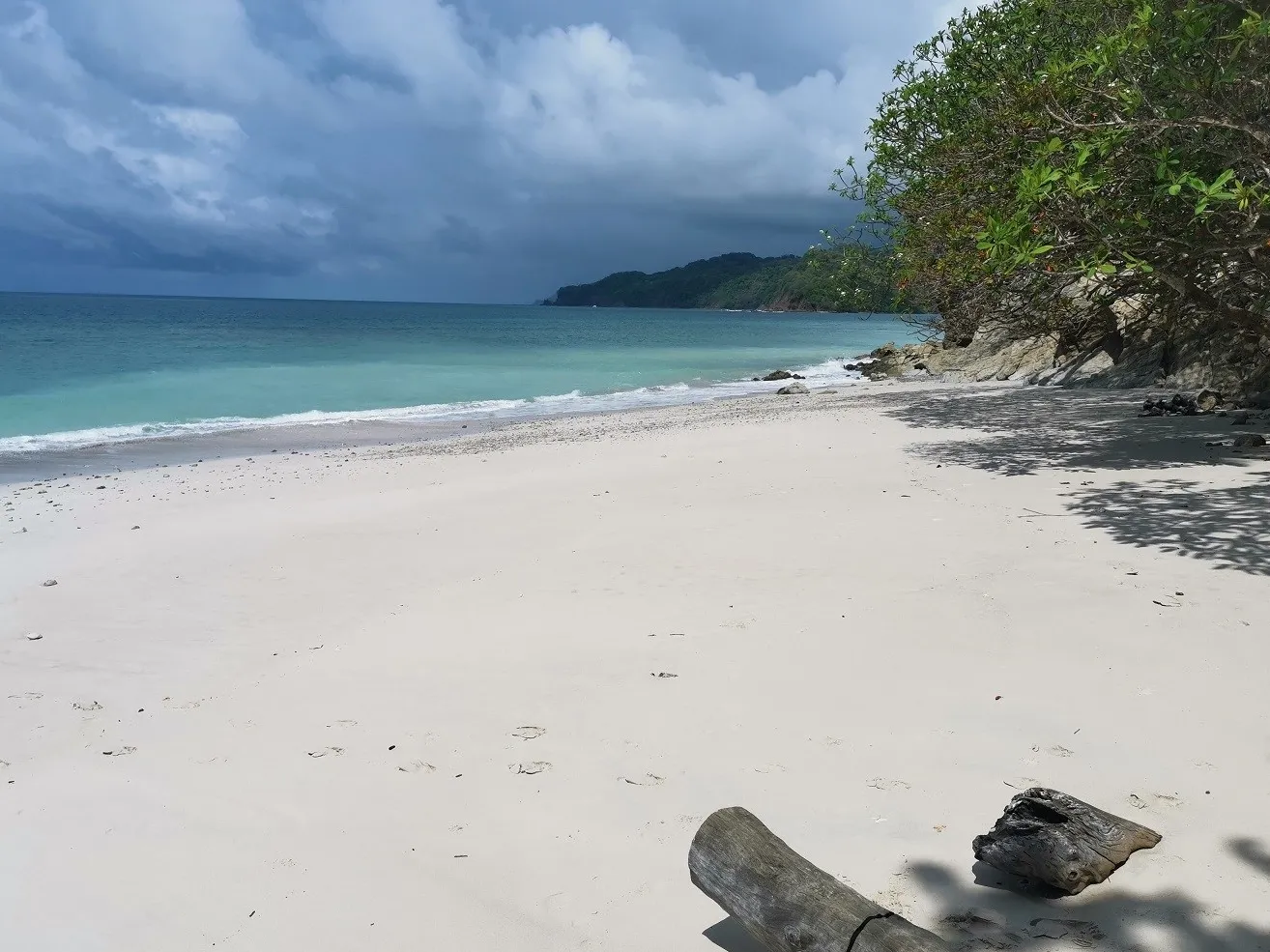
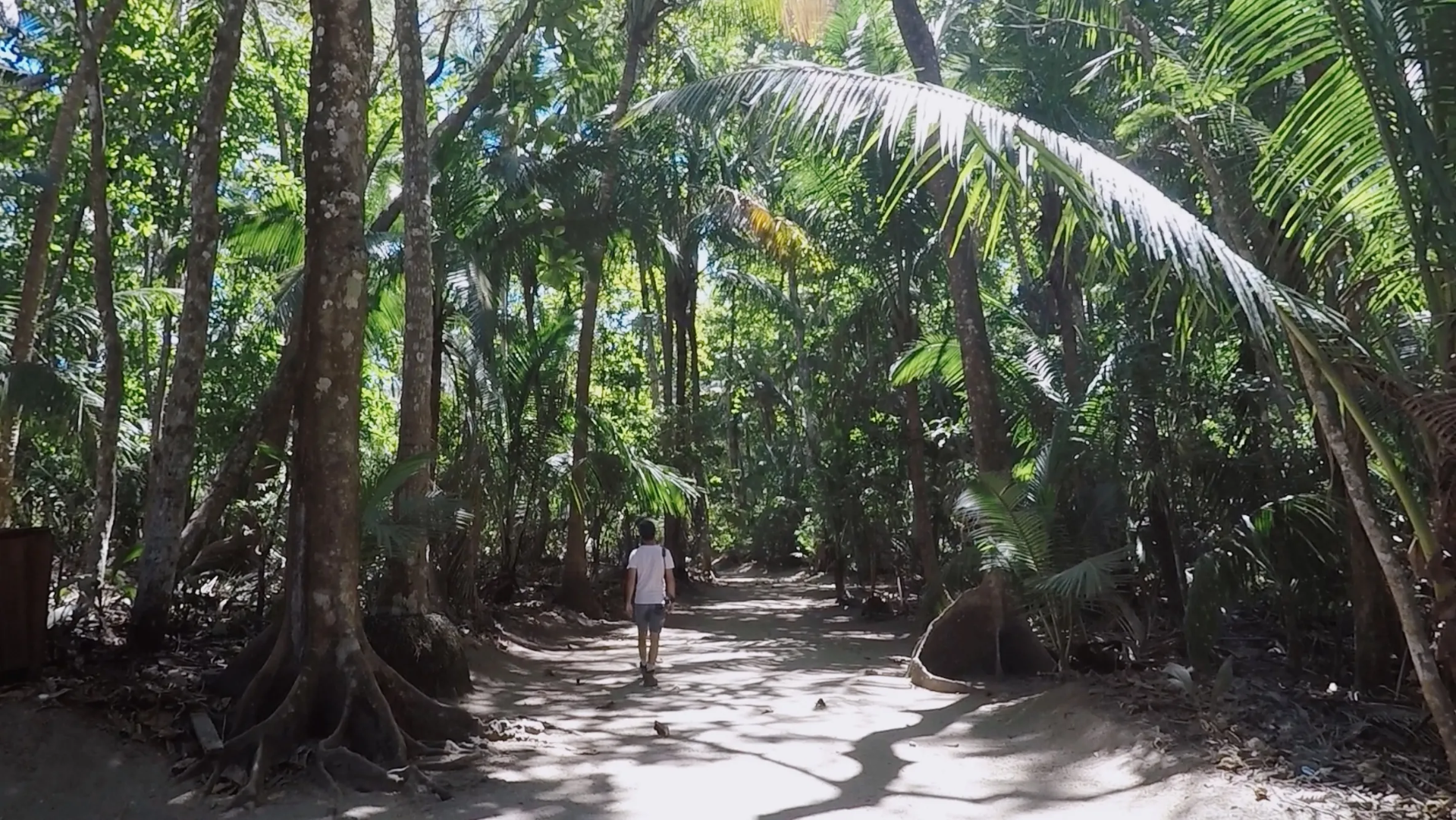
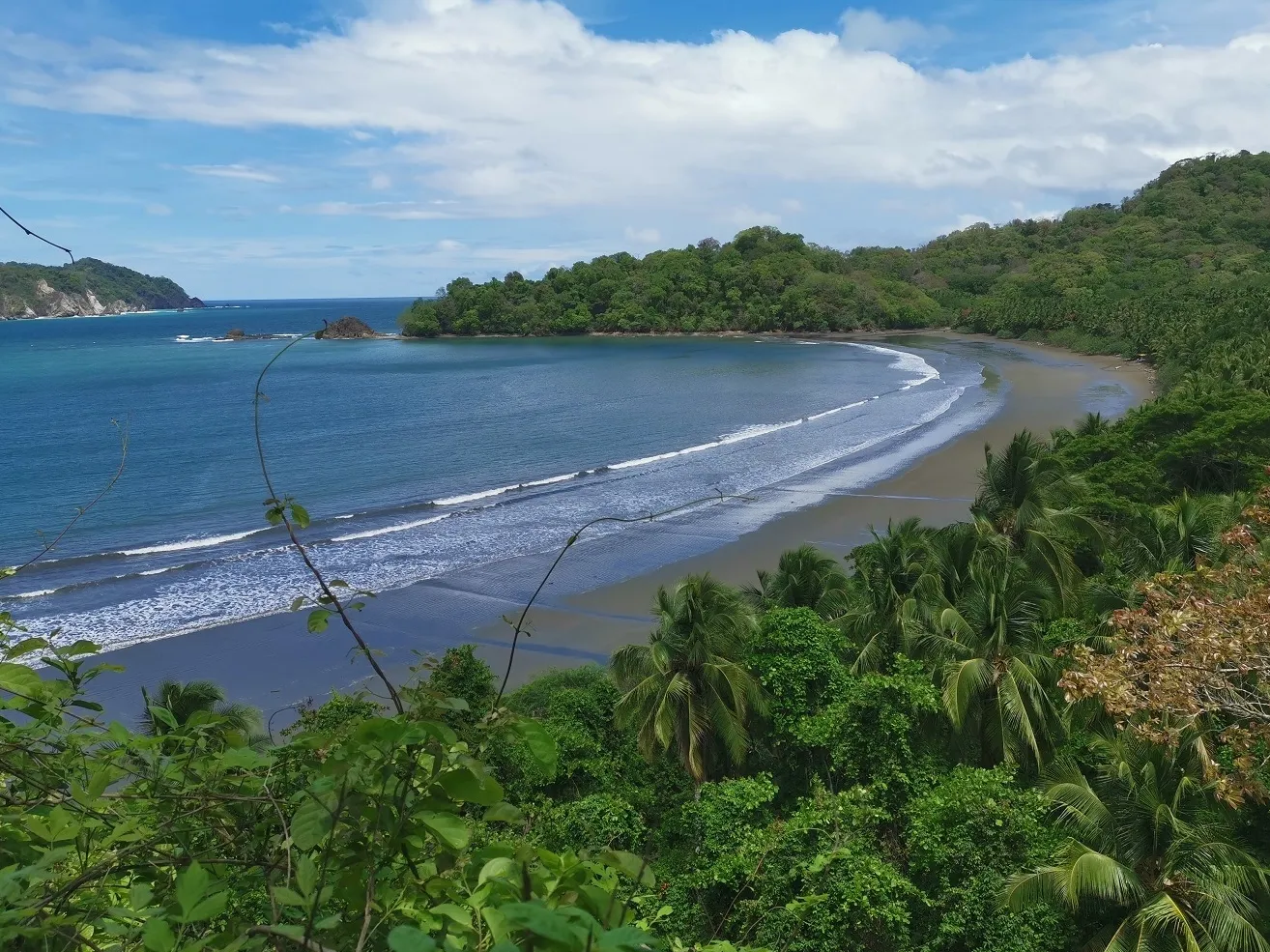
A biodiversity paradise on Costa Rica’s Pacific coast, where nature reveals itself in its fullest expression.

✓ What guidebooks don't tell you
✓ Secrets other tourists miss
✓ Listen while you explore
Discover everything
00:00
00:00
Rate this audio guide

📖 Audio Guide Chapters

6 chapters

1. A Sanctuary on the Nicoya Peninsula

🔒 Premium Content

Subscribe to access all chapters of this audio guide.

2. Interwoven Ecosystems: Forest, Mangrove, and Beach

🔒 Premium Content

Subscribe to access all chapters of this audio guide.

3. The Color Palette of Wildlife

🔒 Premium Content

Subscribe to access all chapters of this audio guide.

4. Pioneers of Conservation: The Human Legacy

🔒 Premium Content

Subscribe to access all chapters of this audio guide.

5. Secrets of Nature and the Mystery of the Jungle

🔒 Premium Content

Subscribe to access all chapters of this audio guide.

6. A Legacy of Biodiversity and a Sustainable Future

🔒 Premium Content

Subscribe to access all chapters of this audio guide.

❓ Frequently Asked Questions

What are Curú Wildlife Refuge’s opening hours and how can I get there?

The refuge is open every day from 7:00 a.m. to 3:00 p.m., with exit allowed until 4:00 p.m. It is located near Paquera and is easily accessible by car or bus; you can see the exact location on Google Maps to plan your route.

How much are the refuge entrance fees?

General admission for foreign visitors is around $15 USD (plus taxes), and for Costa Rican nationals about 2,500 colones. Tickets are purchased directly at the ticket office upon arrival, and the money goes toward trail maintenance and wildlife protection.

How much time is recommended to explore the whole place?

I suggest setting aside at least 3 to 4 hours for your visit. This will allow you to walk a couple of trails at a relaxed pace, observe monkeys and deer, and spend some time enjoying the peaceful Curú Beach.

What makes Curú’s history so important?

Curú is a pioneering example of private conservation in Costa Rica, established in 1933 by the Schutt family. They achieved a unique balance between sustainable agriculture and nature, protecting critical habitats for threatened species such as the spider monkey.

What is the best season or time of day to visit?

The dry season, from December to April, makes all the trails easier to access, although the park is green and beautiful year-round. Ideally, you should arrive right at 7:00 a.m., when the animals are most active and easier to spot.

Is the refuge accessible for people with reduced mobility?

The main administrative area and the surroundings of the beach are flat and easy to move around, but the deeper trails are uneven dirt paths. However, in the central gardens it is very common to see plenty of wildlife without needing to go deep into the forest.

What other attractions are near Curú?

Boat tours to the idyllic Tortuga Island, famous for snorkeling, depart from the refuge’s own beach. In addition, you are just minutes from the Paquera ferry and the beaches of Tambor and Pochote.

What practical tips should I know before going?

Bring closed-toe walking shoes, plenty of water, and biodegradable insect repellent. It is vital not to feed the animals, especially the white-faced monkeys, as this alters their health and natural behavior.

¿Prefieres escuchar en español?

🇪🇸 Escucha la audioguía de Audio Guide to Curú Wildlife Refuge en español