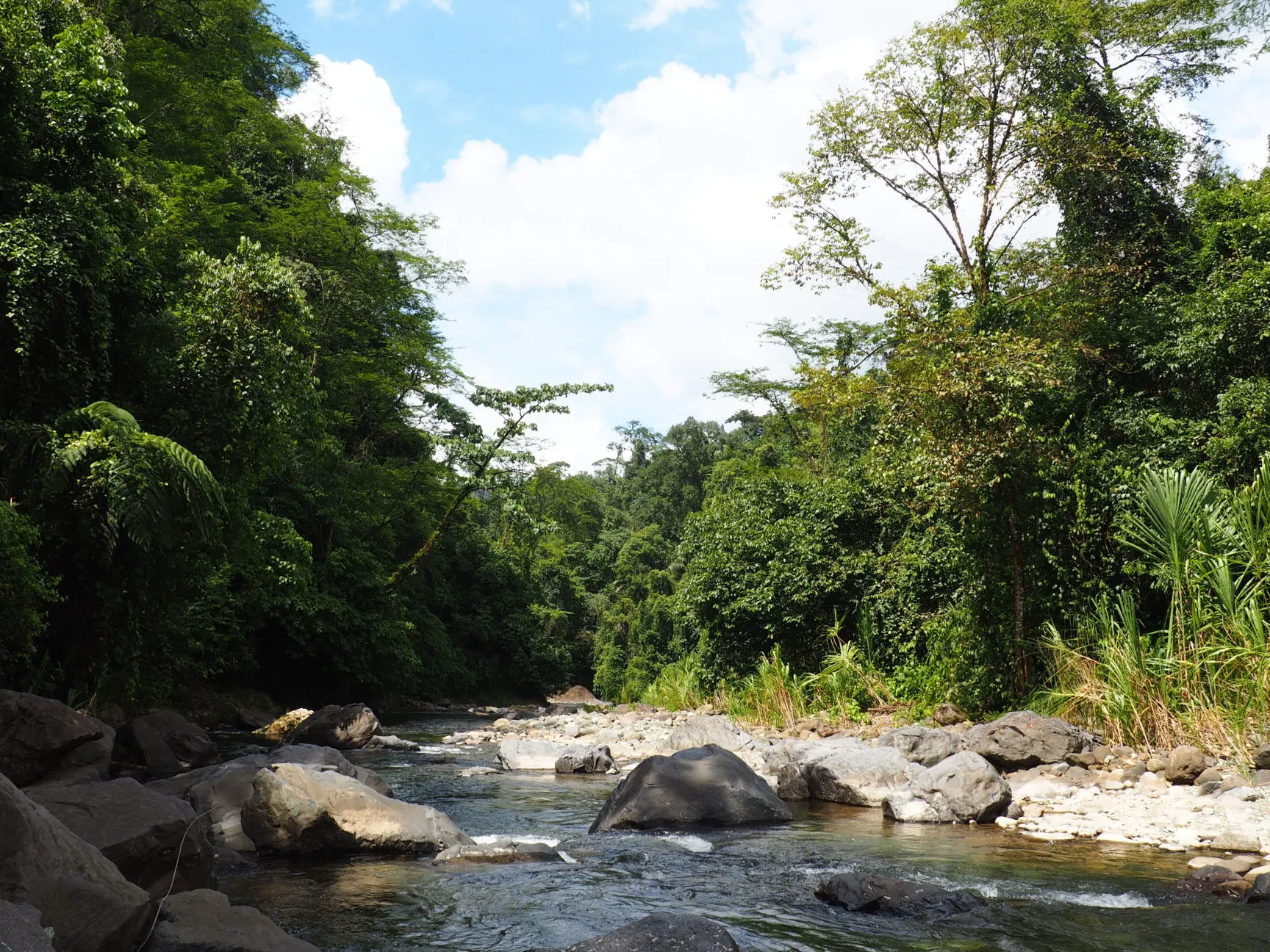
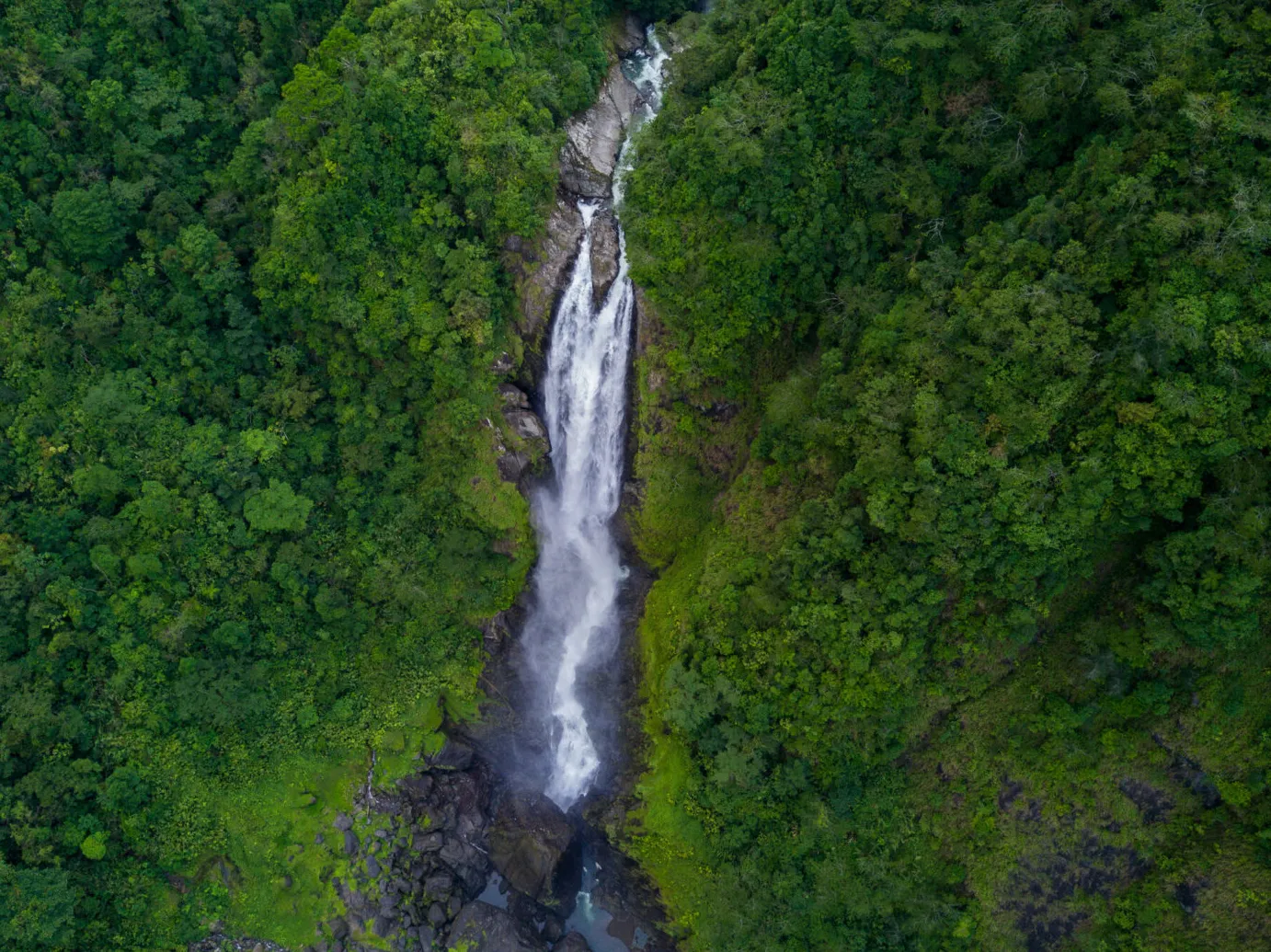
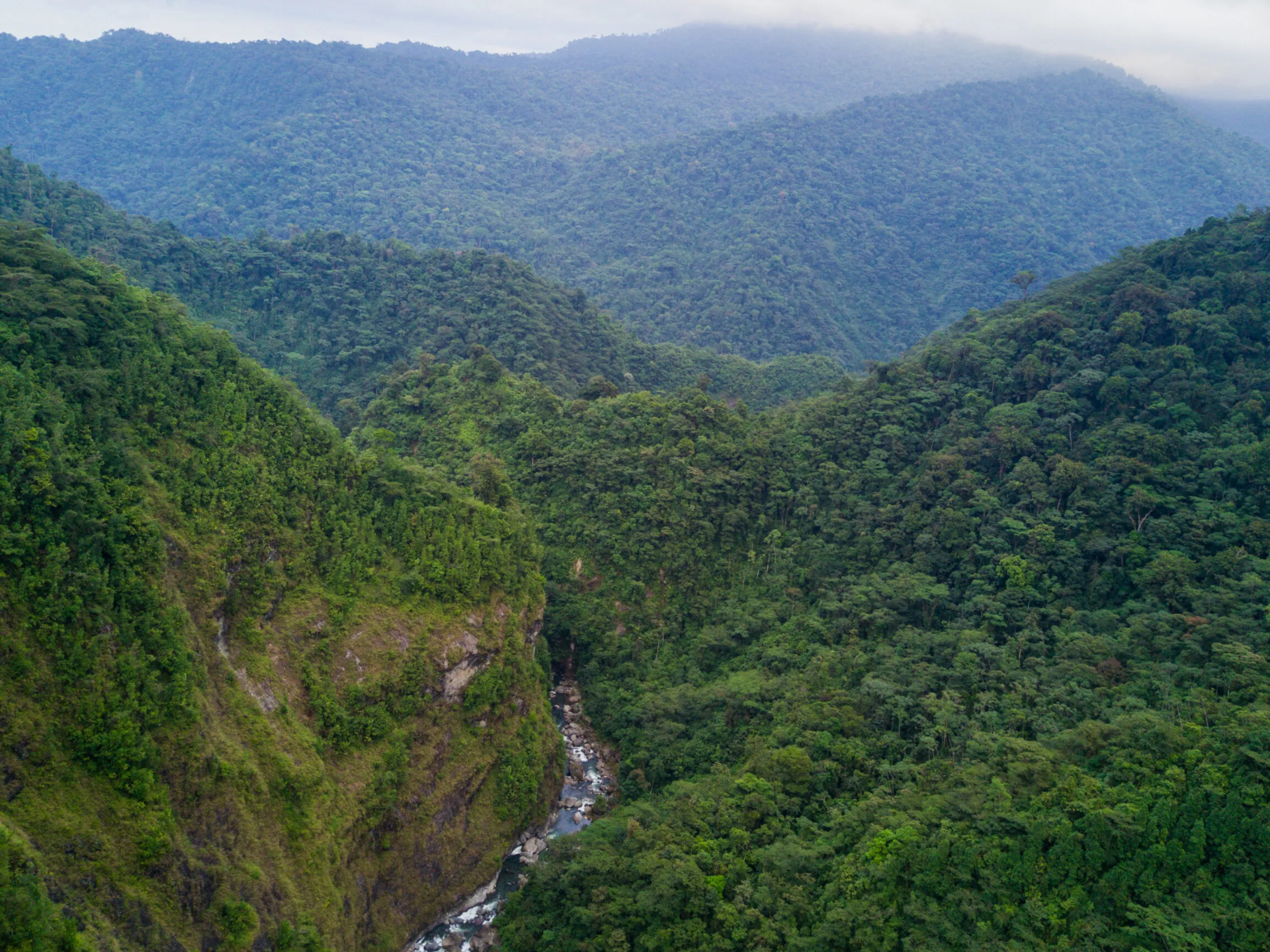
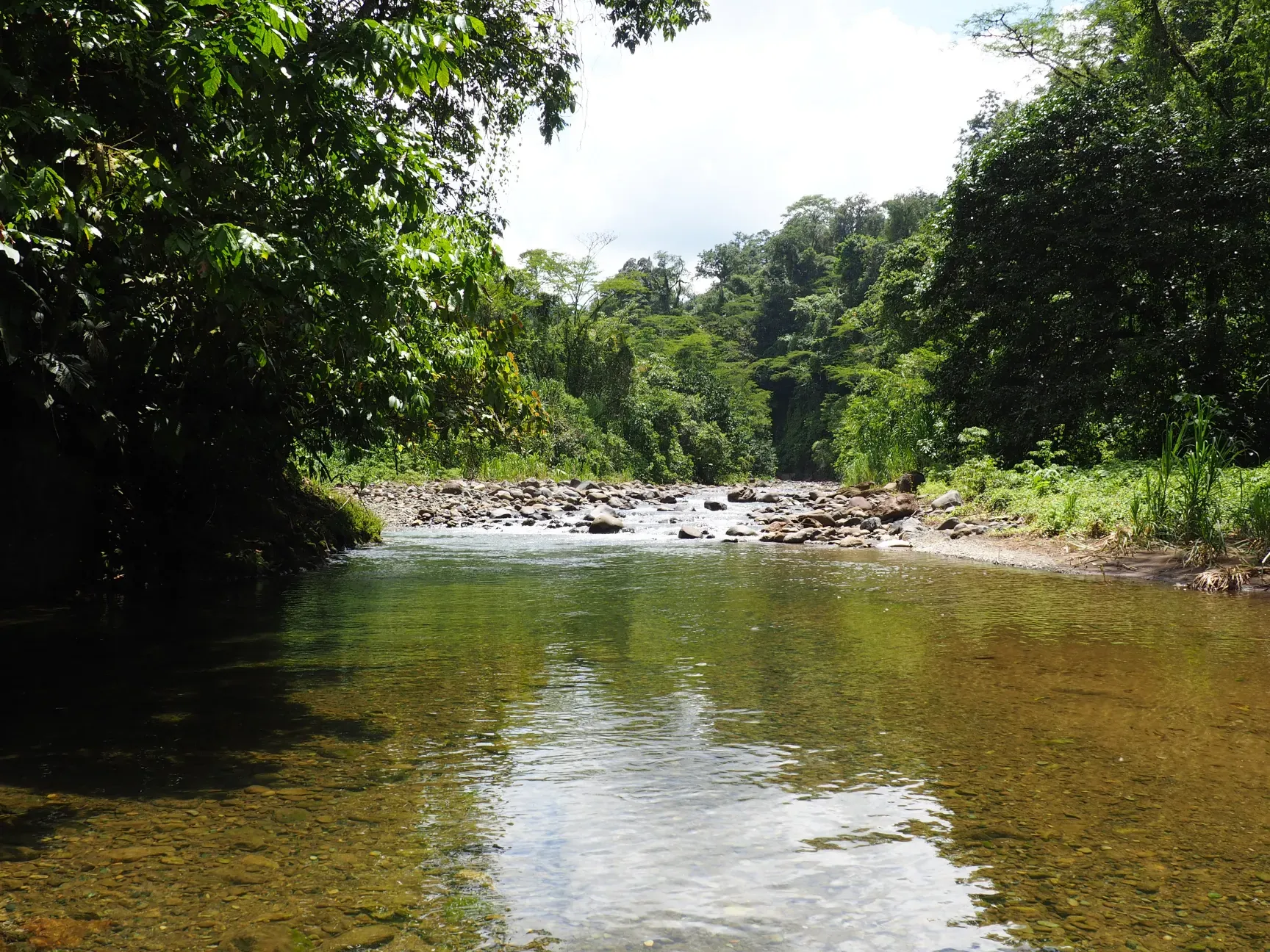
Discover Barbilla Waterfalls in Matina. A unique experience to learn about its history and significance.
Barbilla Waterfalls are part of the Cabécar Indigenous Reserve, so access may require prior coordination. Generally, there are no strict opening and closing hours as there would be in a national park. It is best to contact local guides or the Barbilla Indigenous Development Association (ADI) to arrange your visit and secure access. There is no direct public transportation, so traveling by 4x4 vehicle or arranging with a local tour operator is recommended. You can look for contact information on sites such as ICT - Costa Rican Tourism Institute.
Access to Barbilla Waterfalls is not free. As part of an Indigenous reserve, it is common for an entrance or local guide fee to be requested, which contributes to the development and conservation of the Cabécar community. Prices may vary, so it is advisable to ask when arranging your visit. This contribution is essential to support the Indigenous peoples of Costa Rica.
To fully enjoy Barbilla Waterfalls and the surrounding area, it is recommended to allow at least half a day, around 4 to 6 hours. This includes the hiking time to the waterfalls, which can be challenging, as well as enough time to admire them, swim if the guide allows it and weather conditions are suitable, and return. The full experience, including round-trip travel, may take an entire day.
Yes, Barbilla Waterfalls are located within Cabécar Indigenous territory, home to one of the oldest ethnic groups in Costa Rica. For them, nature, and especially features such as waterfalls, has deep spiritual and cultural meaning. These places are considered sacred and are part of their worldview. Visiting the waterfalls is also an opportunity to learn about their culture and traditions, always with respect.
The best time to visit Barbilla Waterfalls is during the dry season, between December and April. During these months, the trails are less muddy, rainfall is occasional, and the waterfall flow is impressive yet safer, making for a more pleasant experience. During the rainy season, from May to November, the roads can be more difficult and the risk of flooding higher.
Unfortunately, Barbilla Waterfalls are not accessible for people with reduced mobility or wheelchairs. The trail to the waterfalls crosses uneven, often slippery and steep terrain, with river crossings and elevation changes. The visit requires good physical condition and agility. It is an adventure ecotourism experience in a preserved natural setting.
Given the remote nature of Barbilla Waterfalls, nearby attractions are usually other natural beauty spots or activities related to local life. You can explore Barbilla National Park, if access can be obtained with permission, learn more about Cabécar culture in their settlements, always respectfully and with a guide, or enjoy other waterfalls in Matina Canton. You could also visit nearby Caribbean beaches, such as Playa Bonita or Cahuita, which are within a reasonable distance.
Absolutely. First, arrange your visit with a local Cabécar guide. They know the area, and it is also a way to support the community. Bring insect repellent, which is essential, sunscreen, light quick-drying clothing, a hat or cap, and proper hiking footwear that can get wet. Pack enough water and energy snacks, and a camera to capture the beauty. And as always, leave no trace, and respect nature and local culture.
¿Prefieres escuchar en español?
🇪🇸 Escucha la audioguía de Barbilla Waterfalls en español