No te vayas sin conocer la historia Suscribete
IAudioGuia iaudioguia
Audio Guides of Santa Maria

Audio Guide of Quetzales Biological Reserve

Donde los árboles esconden secretos de amor y los pájaros te piden silencio... a gritos.

✓ What guidebooks don't tell you
✓ Secrets other tourists miss
✓ Listen while you explore
Discover everything
00:00
00:00

📖 Audio Guide Chapters

6 chapters

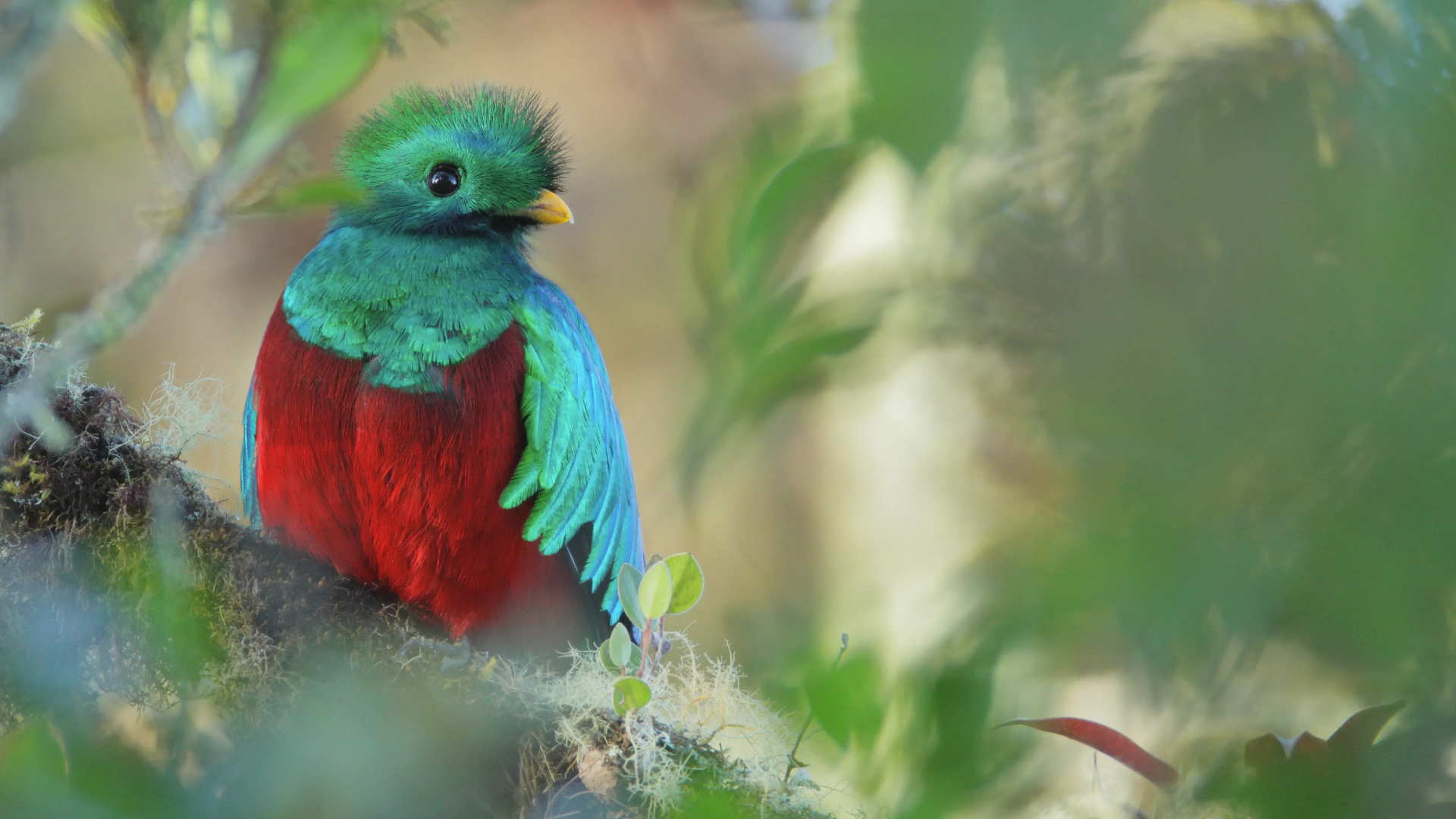
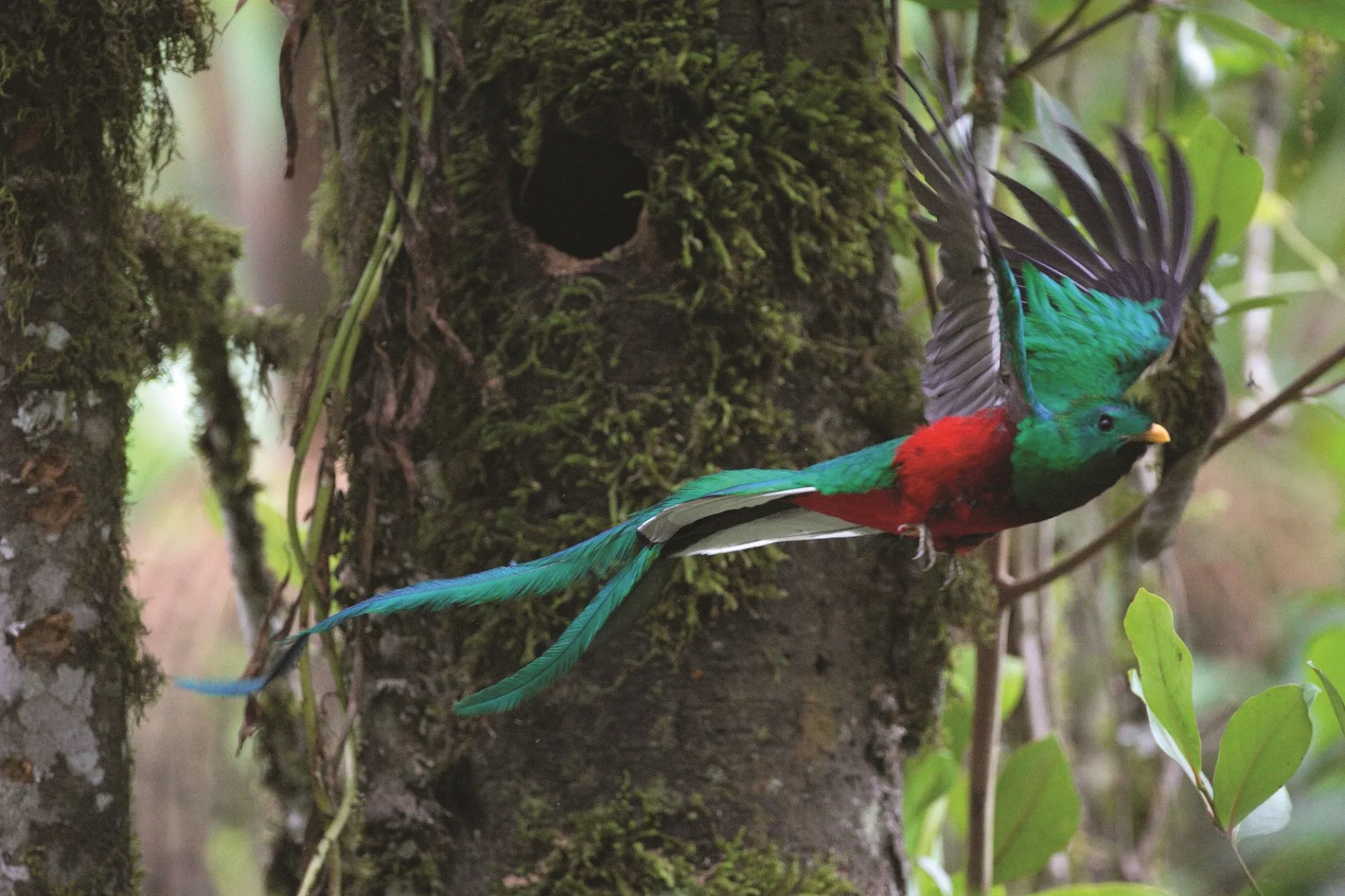
1. The sacred quetzal that drove even biologists crazy

🔒 Premium Content

Subscribe to access all chapters of this audio guide.

2. The volcanic rocks that grow more slowly than your ex making a decision

🔒 Premium Content

Subscribe to access all chapters of this audio guide.

3. The secret romance that saved the forest

🔒 Premium Content

Subscribe to access all chapters of this audio guide.

4. Drunk birds and other forest gossip

🔒 Premium Content

Subscribe to access all chapters of this audio guide.

5. The conspiracy of the walking trees

🔒 Premium Content

Subscribe to access all chapters of this audio guide.

6. Take a forest home in your pocket (and we don't mean moss)

🔒 Premium Content

Subscribe to access all chapters of this audio guide.

❓ Frequently Asked Questions

What time does Quetzales Biological Reserve in Santa María open and how can I visit it?

Quetzales Biological Reserve is open from 8:00 AM to 4:00 PM every day. To visit, advance booking is generally required, especially if you want a guide. The main entrance is easy to access, but it is recommended to get in touch in advance to ensure availability. You can find more details on the website of SINAC (National System of Conservation Areas).

How much is admission to the reserve, and are there special rates?

Currently, the admission fee for non-resident visitors is USD 12 for adults. Costa Rican citizens and residents have a reduced rate of CRC 1,200. For children between 2 and 12 years old, admission is USD 5 for non-residents and CRC 500 for residents. Be sure to check updated rates directly at the entrance or by calling the reserve's information number, usually +506 2772-2122.

How much time do I need to explore Quetzales Biological Reserve?

To fully enjoy the reserve and its trails, we recommend setting aside 2 to 4 hours. This will allow you to take in the viewpoints at a relaxed pace, look for birds such as the resplendent quetzal, and immerse yourself in the cloud forest without rushing. If you hire a guide, the visit may last a bit longer, as they will provide valuable information about the local flora and fauna.

What is the historical or cultural importance of this reserve?

Although Quetzales Biological Reserve does not have a traditional human 'history' like an archaeological site, its significance is deeply ecological. It is a vital area for cloud forest conservation and a crucial habitat for one of the most iconic birds in the Americas, the resplendent quetzal. Its existence helps ensure the survival of many unique species and ecosystems in Costa Rica, making it a pillar of the country's conservation strategy.

What is the best time of year or day to visit and see quetzals?

The best time to spot quetzals is during their nesting season, from February to May, especially early in the morning (between 6:00 AM and 9:00 AM) or in the late afternoon. In general, the dry season (December to April) offers better conditions for hiking. It is always recommended to go with a local guide, as they know the best viewing spots and the birds' behavior patterns.

Is Quetzales Biological Reserve accessible for people with reduced mobility?

Quetzales Biological Reserve has mountainous terrain and natural trails, with slopes and rustic walkways, which unfortunately makes access difficult for people with reduced mobility or wheelchair users. It does not have adapted infrastructure such as ramps or accessible paved paths. It is advisable to contact the reserve administration directly (phone: +506 2772-2122) for specific information about access possibilities in each case.

What other places of interest are near Quetzales Biological Reserve?

In the area around the reserve, you can visit the village of San Gerardo de Dota, known for its peaceful atmosphere and as another excellent spot for birdwatching. The area also offers several waterfalls and the chance to take coffee tours. If you travel a bit farther, Chirripó National Park (Costa Rica's highest mountain) and other protected areas are great options for nature lovers and hikers. Explore more options at San Gerardo de Dota.

Any practical tips to make the most of my visit to the reserve?

Of course! I recommend bringing warm layers, as the weather in the cloud forest can be unpredictable and cool. Wear comfortable waterproof shoes, and don't forget your camera and binoculars for birdwatching. Be patient and quiet so you do not scare away the wildlife. Also, consider hiring a local guide; their knowledge will greatly enrich your experience.

¿Prefieres escuchar en español?

🇪🇸 Escucha la audioguía de Quetzales Biological Reserve en español