Donde la tierra escupe ácido y los frailejones crecen en plena zona de guerra química
Poás Volcano National Park is open to the public every day from 8:00 a.m. to 4:00 p.m., although it is mandatory to reserve your ticket online in advance. To get there, you can drive yourself or join organized tours from San José. We recommend planning your visit ahead of time due to the park's popularity. You can find more details on how to get there and plan your visit on the official SINAC website: Frequently Asked Questions – Poás Volcano.
Yes, it is essential to buy your tickets in advance through the official SINAC website. The entrance fee for non-residents is USD 15 for adults and USD 5 for children. For residents, the cost is 1,000 colones for adults and 500 colones for children. We strongly recommend buying your tickets well in advance because capacity is limited and they often sell out quickly. You can make your reservation here: National System of Conservation Areas (SINAC) - Ticket Purchase.
The visit to the main crater of Poás Volcano has a 20-minute time limit per group due to safety regulations. However, the park offers additional trails such as "Botos Lagoon", which can extend your visit to a total of 1 to 2 hours. I suggest adjusting your time expectations to include these other points of interest if you have the time. For the fullest and most relaxed experience, consider a minimum of 2 hours in total, including internal transit.
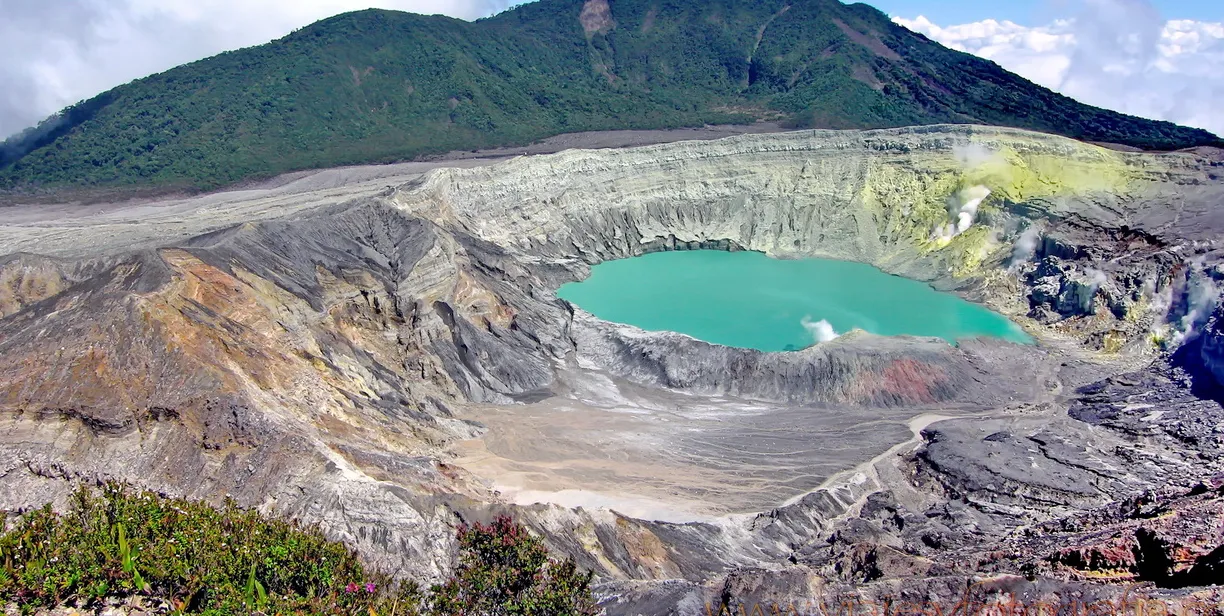
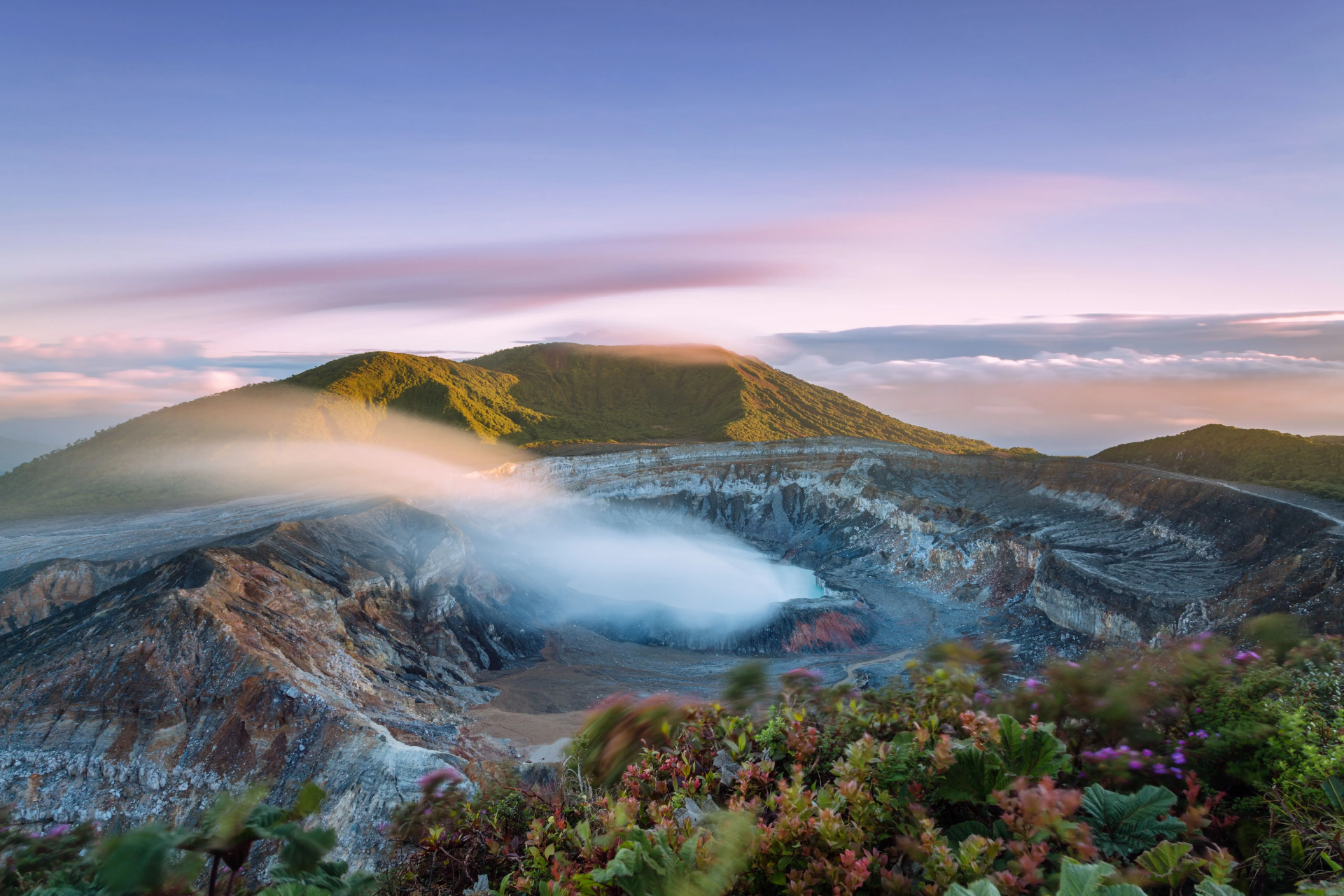
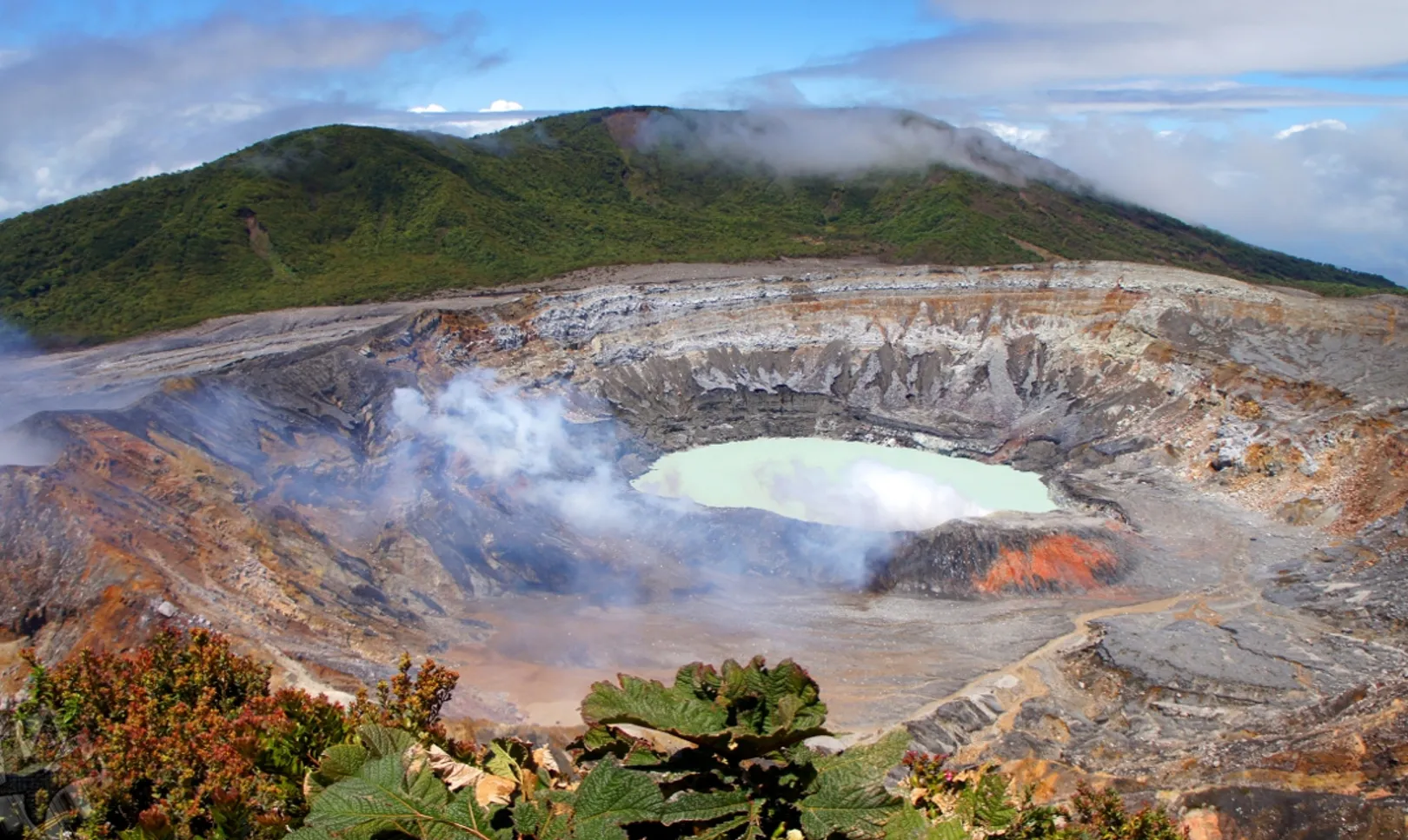
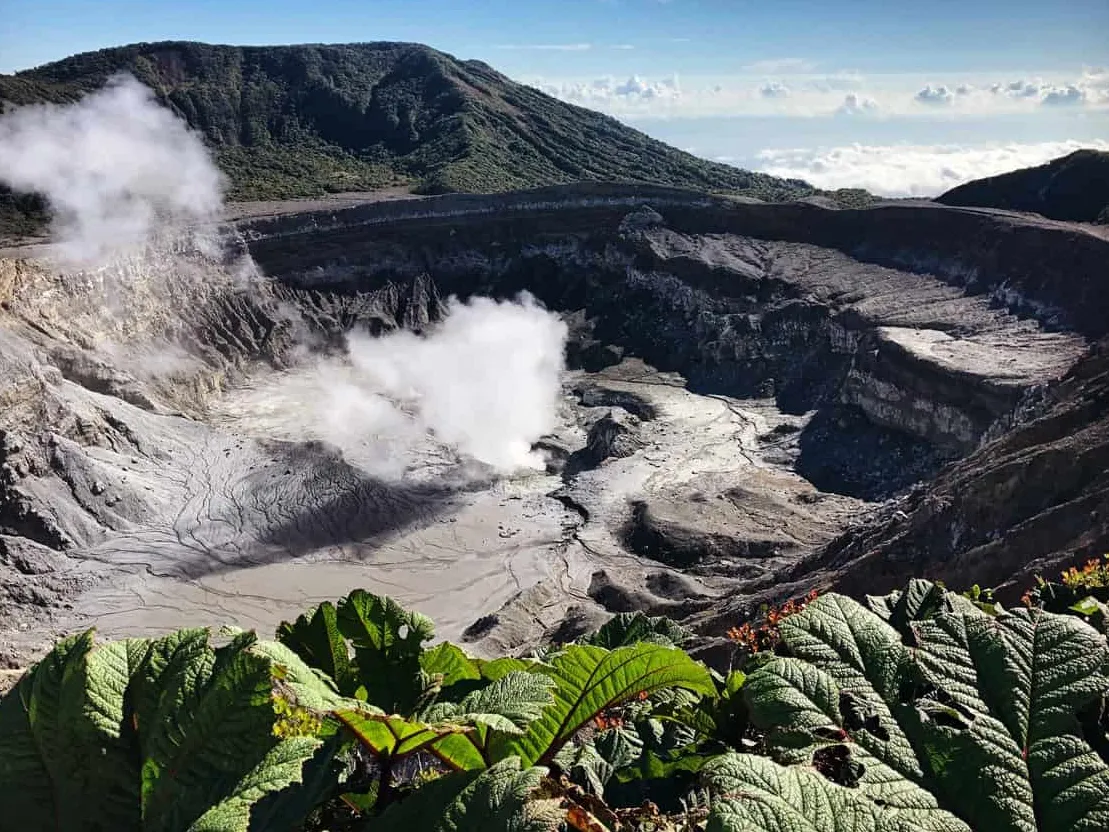
Absolutely! Poás Volcano is one of the most impressive active volcanoes in Costa Rica and is known for having one of the largest craters in the world. Its sulfuric acid lake is a unique natural spectacle. Its geological history is fascinating, with eruptions that have shaped the landscape and life around it. It is a symbol of Costa Rica's geological richness. For more information about its activity and features, you can consult the Volcanological and Seismological Observatory of Costa Rica (OVSICORI): OVSICORI.
For the best visibility of the crater, I recommend visiting Poás Volcano early in the morning, preferably between 8:00 a.m. and 10:00 a.m. This is when the clouds are usually less dense. The dry season (December to April) offers clearer skies and therefore a better chance of spectacular views. However, even during the rainy season, mornings are usually clearer before the afternoon rains.
Yes, Poás Volcano National Park has made significant improvements to accessibility. It has paved paths and ramps that make access to the main crater viewpoint easier for people with reduced mobility and wheelchair users. It is important to check the specific conditions on the day of your visit, but in general, efforts have been made to make the experience as inclusive as possible. You can contact the park directly for updated details at +506 2482-2165.
There is plenty to explore around Poás Volcano! Nearby, you can visit coffee plantations such as Doka Estate, which offer tours and tastings. There is also La Paz Waterfall Gardens, a spectacular ecological park with five impressive waterfalls and an animal sanctuary. The area also has various restaurants serving traditional Costa Rican food and viewpoints with spectacular views. The town center of Naranjo offers a glimpse of everyday Costa Rican life.
Absolutely! First, book your tickets online in advance to secure your entry. Bring warm clothing, a rain jacket, and comfortable shoes, as the mountain weather can be unpredictable and cold, even when it is sunny. Do not forget your camera and sunscreen. For safety, always follow the park rangers' instructions and respect the time restrictions at the viewpoint. And most importantly, enjoy the majesty of this active volcano! For more information, you can call the park at +506 2482-2165.
¿Prefieres escuchar en español?
🇪🇸 Escucha la audioguía de Poás Volcano en español