Discover the history and secrets of this place with our audio guide.
The park is open year-round, usually from 5:00 a.m. to 5:00 p.m. (varies by season). To get there, take Seoul Subway Line 3 to Gupabal Station (Exit 1) and then bus 704 to the main entrance. More details on the official website.
Yes, access to the park is completely free. You only need to pay if you use some optional services such as parking (₩2,000-₩5,000 per car) or mountain gear rental in the area.
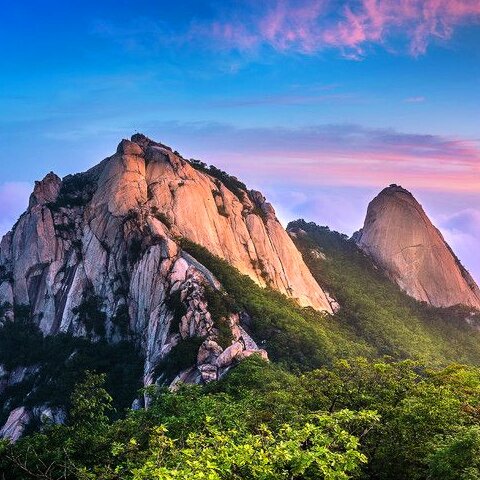
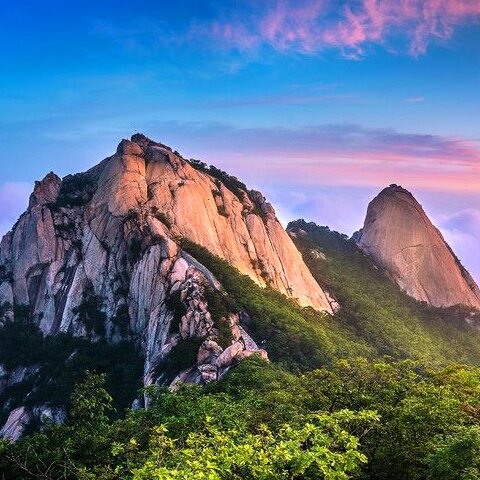
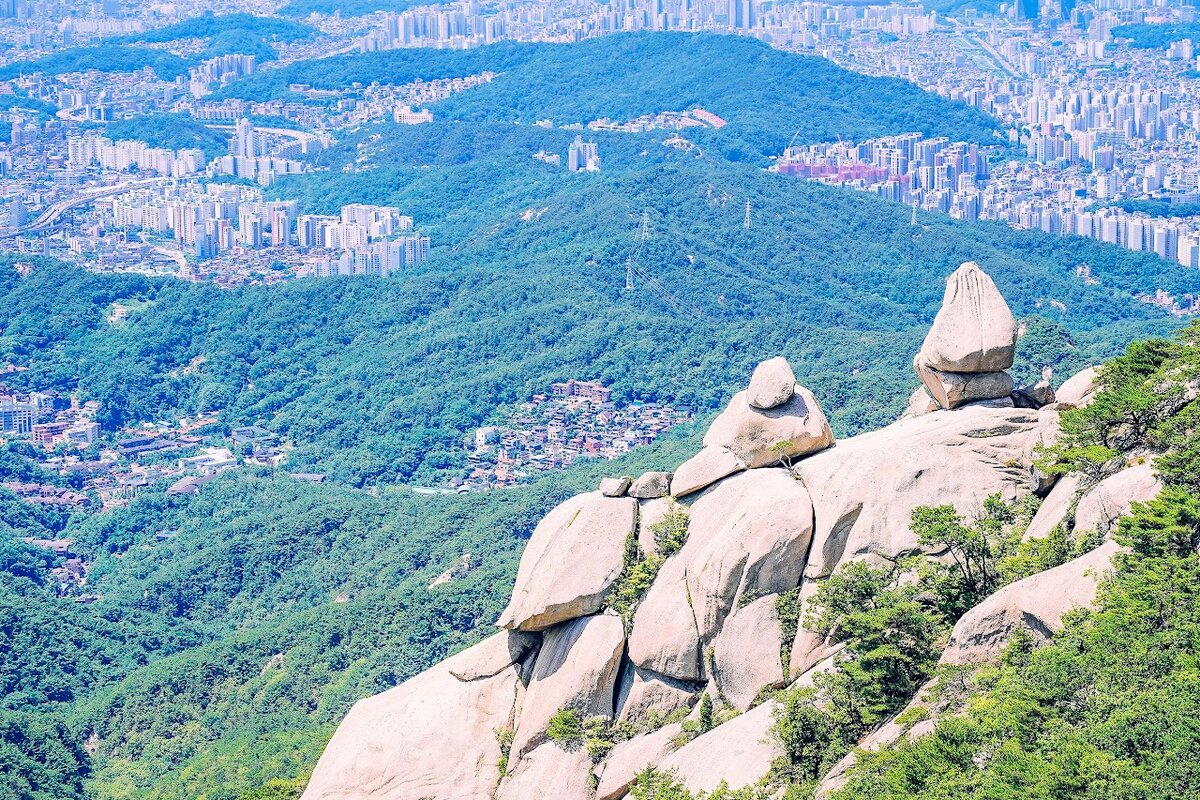
We recommend setting aside between 4 and 8 hours depending on the route. The standard hike to Baegundae Peak (836 m) takes 3-4 hours round trip. Longer trails such as Dobongsan require up to 6 full hours.
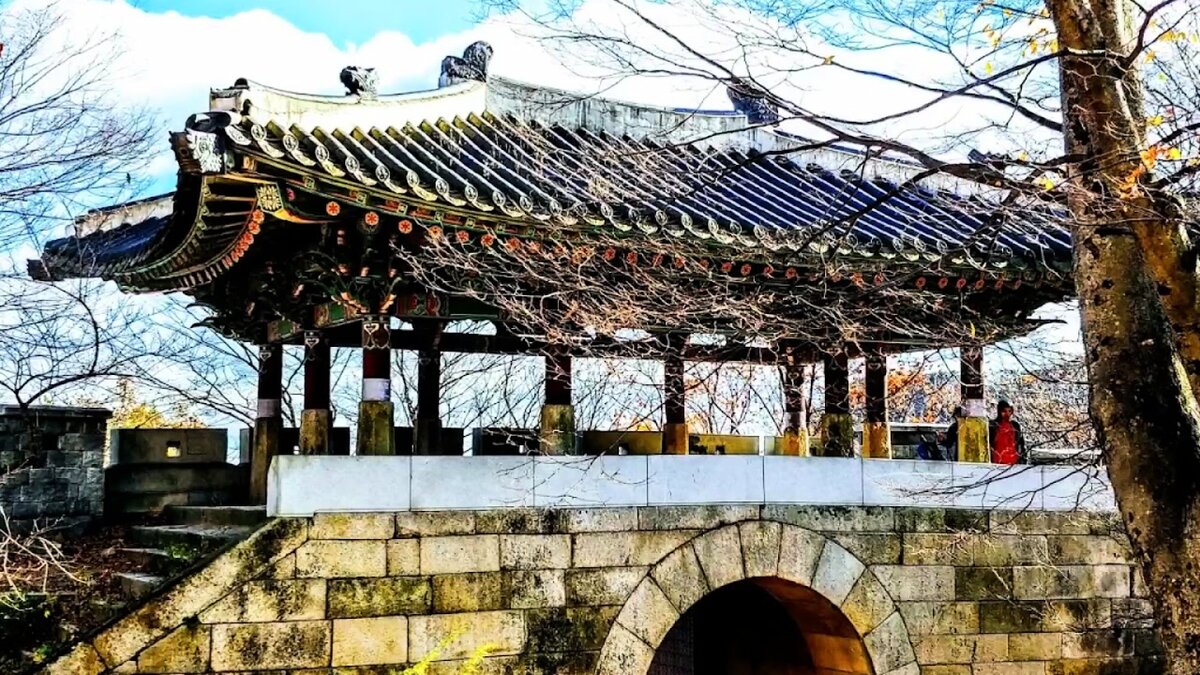
Bukhansan is home to the 19th-century Bukhansanseong Fortress, built to protect Seoul from invasions. It also contains Buddhist temples such as Jingwansa and Seunggasa, with more than 1,000 years of history, which still preserve traditional ceremonies.
Spring (April-June) and autumn (September-November) are ideal thanks to mild temperatures and colorful foliage. Avoid July-August (rain and humid heat) and January (down to -10°C). Weekdays are less crowded.
The main routes have rugged terrain. There are some accessible areas near the entrances where Guknyeongsa and the Uiryeong Information Center offer adapted services. Check the official portal for specific details.
We recommend Gilsangsa Temple (3 km south), the traditional Seongbuk-dong neighborhood (4 km), and the Korean Art Museum (6 km). More options at Visit Seoul.
Bring non-slip hiking shoes, enough water (at least 1 L), and sun protection. Avoid trails marked as dangerous after rain. Download the digital map from KNPS before you arrive.
¿Prefieres escuchar en español?
🇪🇸 Escucha la audioguía de Bukhansan National Park en español