No te vayas sin conocer la historia Suscribete
IAudioGuia iaudioguia
Audio Guides of Seul

Audio Guide of Bukchon Hanok Village

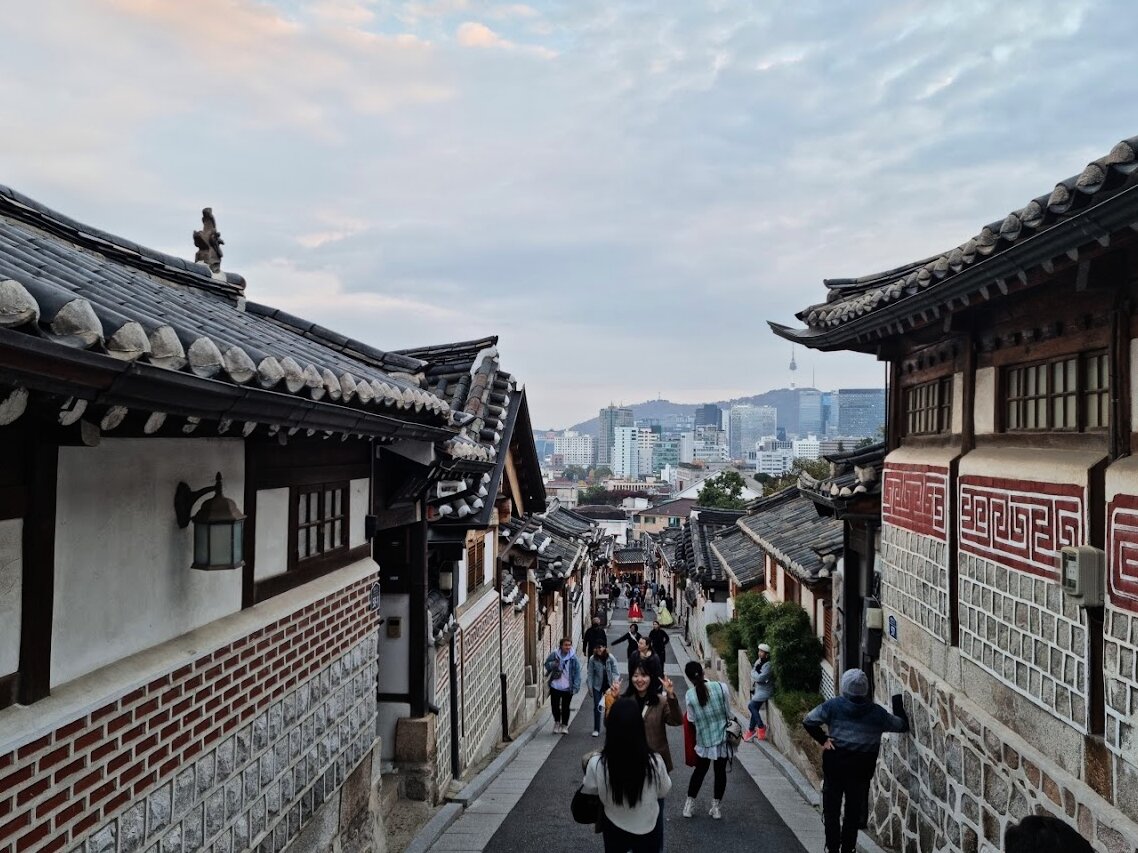
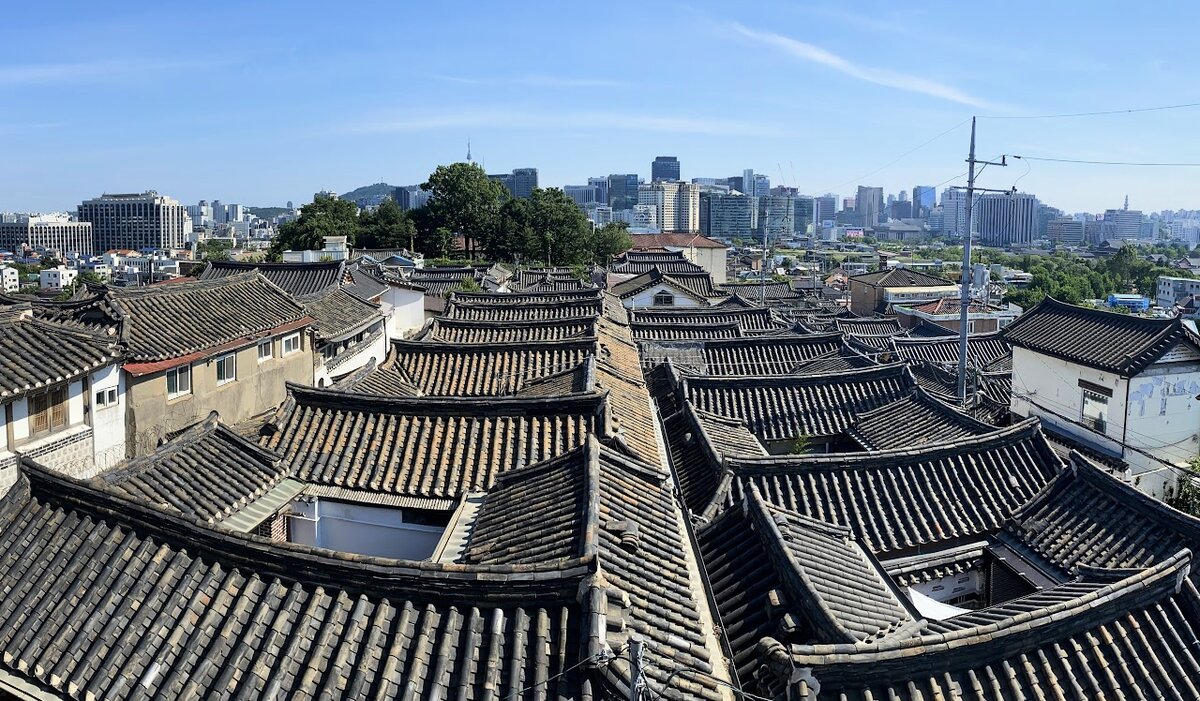
Donde los tejados curvados esconden 600 años de rivalidades, secretos y vacas enterradas (sí, has leído bien).

✓ What guidebooks don't tell you
✓ Secrets other tourists miss
✓ Listen while you explore
Discover everything
00:00
00:00

📖 Audio Guide Chapters

6 chapters

1. The Day Bukchon Almost Disappeared

🔒 Premium Content

Subscribe to access all chapters of this audio guide.

2. Secrets Behind the Mud Walls

🔒 Premium Content

Subscribe to access all chapters of this audio guide.

3. The War of the Sloping Roof

🔒 Premium Content

Subscribe to access all chapters of this audio guide.

4. Royal Bathrooms and Zombie Cows

🔒 Premium Content

Subscribe to access all chapters of this audio guide.

5. Look for the Pomegranate and the Bottle

🔒 Premium Content

Subscribe to access all chapters of this audio guide.

6. Put Your Ear Against the Earthen Wall

🔒 Premium Content

Subscribe to access all chapters of this audio guide.

❓ Frequently Asked Questions

What are the visiting hours and how can I get to the village?

Tourist visiting hours are Monday to Saturday from 10:00 AM to 5:00 PM, while Sundays are designated as the 'Alley Rest Day' and the area is closed to visitors out of respect for residents. To get there, take Subway Line 3 to Anguk Station (Exit 1 or 2) and walk about 300 meters following the signs.

How much does it cost to visit Bukchon Hanok Village?

Walking through the village streets and alleys is completely free, as it is a public residential neighborhood. However, if you want to enter private museums, craft workshops, or cultural centers inside the hanok houses, they usually charge individual admission fees.

How much time is recommended for the visit?

Generally, a walking tour to see the main viewpoints and take photos takes between 1 and 2 hours. If you plan to rent a hanbok (traditional clothing), visit a tea house, or listen to a full audio guide, you should allow at least 3 hours.

Why is this place so historically important?

With 600 years of history, Bukchon was the residential district of nobles and high officials during the Joseon Dynasty because of its location between the two royal palaces. It has the largest concentration of hanok houses (traditional homes) in Seoul, preserving historic architecture in the middle of the modern city.

What is the best time of year or day to go?

Spring and autumn are ideal because of the pleasant weather and the beautiful colors of the landscape, perfect for photography. It is recommended to go Monday to Friday right at 10:00 AM to avoid the large tourist crowds that arrive around midday.

Is the village accessible for people with reduced mobility?

The visit can be challenging for wheelchair users or people with reduced mobility because the village is on a hill with very steep streets and uneven paving. It is recommended to stay in the lower areas or contact the Tourist Information Center for adapted routes.

What other tourist attractions are nearby to make the most of the day?

The village is strategically located between Gyeongbokgung Palace to the west and Changdeokgung Palace to the east. You can also walk to Insadong to shop for handicrafts or to Samcheong-dong Street to enjoy modern cafés.

What practical tip is essential for enjoying the visit smoothly?

It is essential to remember that Bukchon is a real residential neighborhood where people live, so visitors are expected to keep quiet (the "quiet campaign"). Also, wear very comfortable shoes for the hills and consider bringing an audio guide to understand the cultural context without needing a physical guide.

¿Prefieres escuchar en español?

🇪🇸 Escucha la audioguía de Bukchon Hanok Village en español