A fascinating journey through geological time, revealing the ancient secrets of life in the Villa de Leyva region.
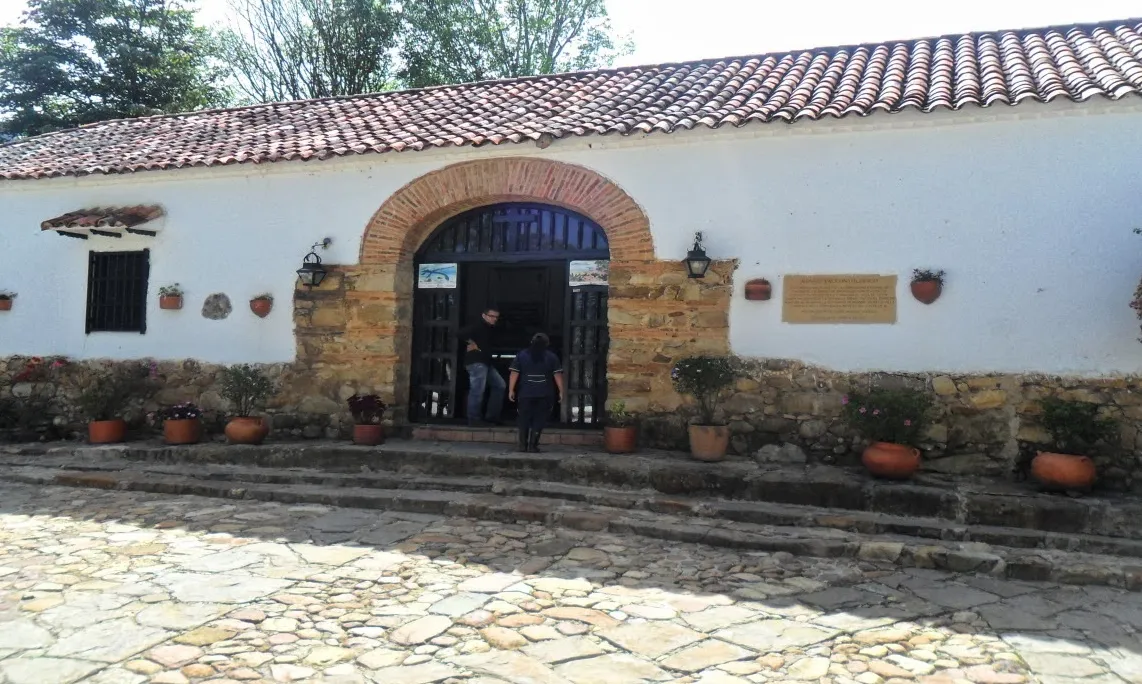
The museum is open from Tuesday to Sunday, from 9:00 a.m. to 5:00 p.m., and is closed on Mondays. You can easily get there from the center of Villa de Leyva on foot (it is about 10 minutes away) or by taxi; check the map on Google Maps for precise directions.
Admission costs COP 12,000 for adults and COP 6,000 for children and students; it is free for children under 5 and for people with disabilities who have certification. Check updated prices on the official Villa de Leyva tourism website.
It is recommended to spend between 1 and 2 hours for a complete visit, as the galleries are compact but rich in exhibits. If you go with a guide, it may take a little longer to take in all the information.
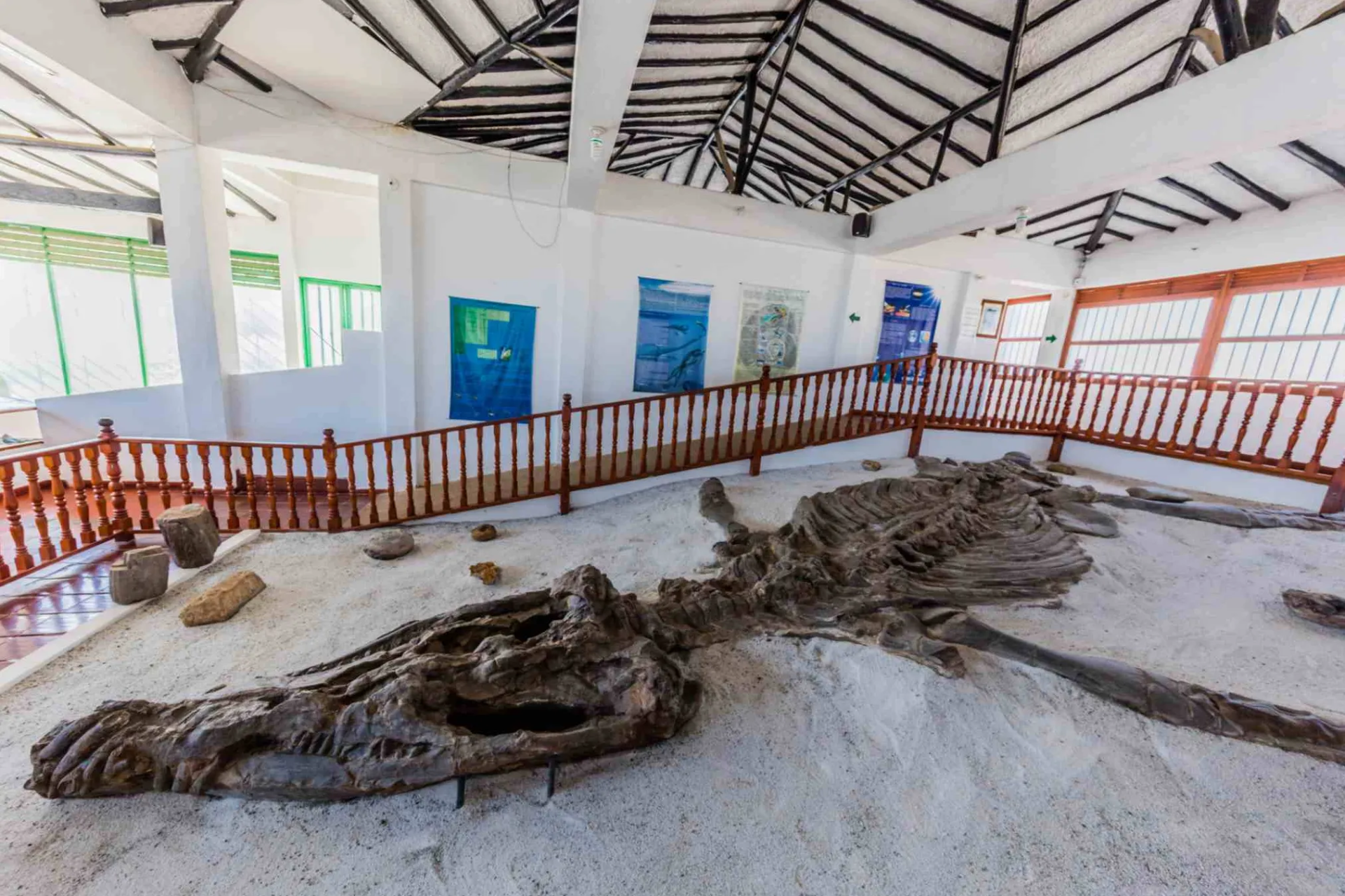
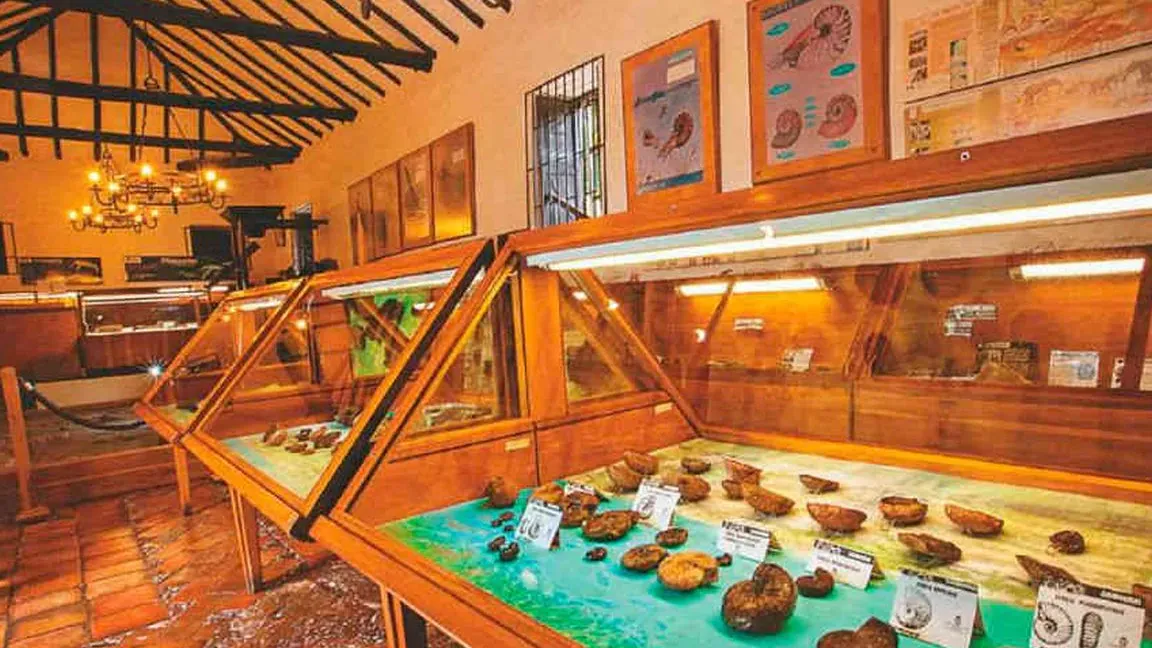
Founded in 1979 after the discovery of Cretaceous fossils in 1977, it houses one of Colombia's finest collections of ammonites and marine reptiles, with the Kronosaurus as a highlight. It represents the region's rich paleontology and contributes to knowledge about marine life 120 million years ago.
The best time is during the dry season (December to March and July to August) to avoid rain, and in the morning (9:00-11:00 a.m.) when there are fewer tourists and pleasant temperatures. Avoid long holiday weekends if you are looking for a quieter visit.
Yes, it has access ramps at the main entrance and wide corridors in the main galleries, although some secondary areas have stairs. We recommend confirming by phone at +57 8 786 4014 for specific assistance.
Nearby you will find Terracotta House (a 15-minute walk away), the Main Square, and the Fossil Museum. You can combine the visit with a stroll through the charming colonial center of Villa de Leyva.
Bring comfortable shoes, water, and sunscreen, as part of the experience includes outdoor areas; download an audio guide at IAudioguia for detailed explanations. Buy tickets in advance during high season and go with a local guide for unique stories.
¿Prefieres escuchar en español?
🇪🇸 Escucha la audioguía de Paleontological Museum en español