No te vayas sin conocer la historia Suscribete
IAudioGuia iaudioguia
Audio Guides of Ginebra

Audio Guide of the Guabas River

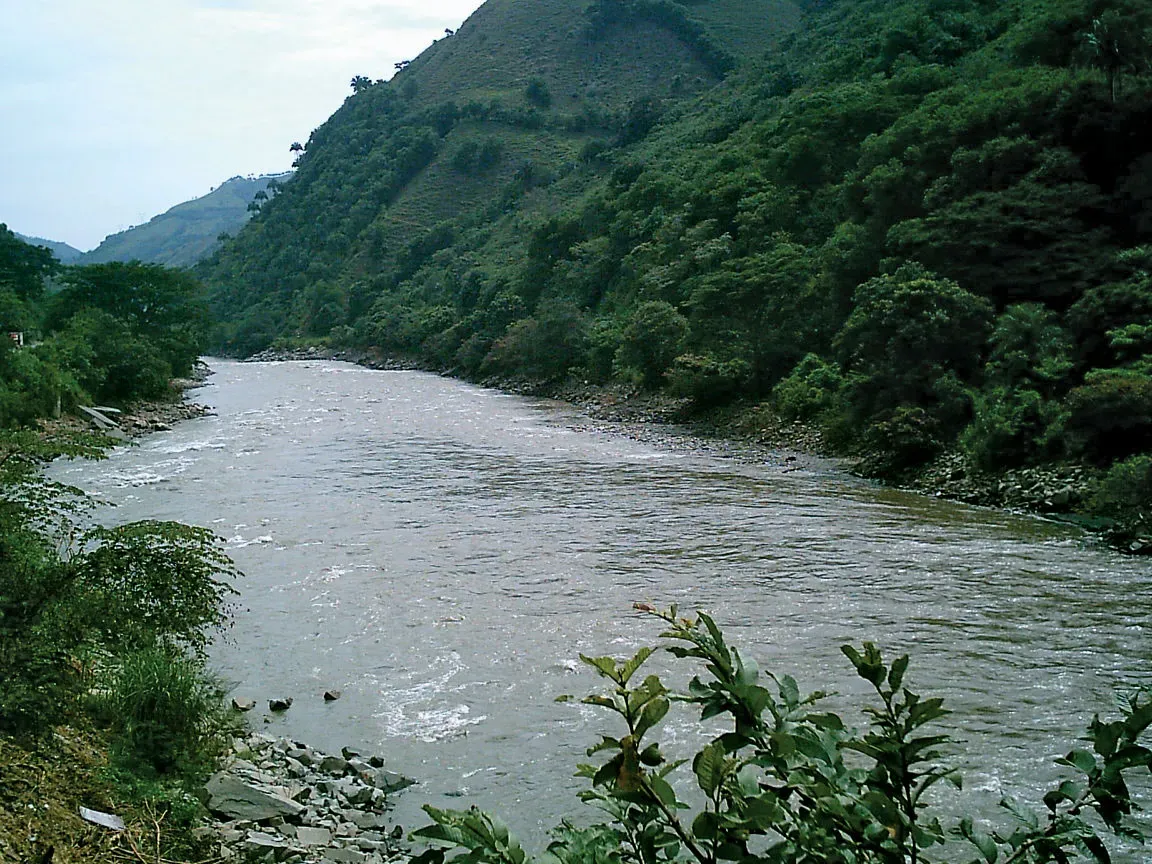
A river winding through the Valle del Cauca landscape, a source of life and culture in the region.

✓ What guidebooks don't tell you
✓ Secrets other tourists miss
✓ Listen while you explore
Discover everything
00:00
00:00
Rate this audio guide

📖 Audio Guide Chapters

6 chapters

1. Introduction and History

🔒 Premium Content

Subscribe to access all chapters of this audio guide.

2. Geography and Ecosystem

🔒 Premium Content

Subscribe to access all chapters of this audio guide.

3. Use and Utilization

🔒 Premium Content

Subscribe to access all chapters of this audio guide.

4. Landscapes and Recreation

🔒 Premium Content

Subscribe to access all chapters of this audio guide.

5. Curiosities and Traditions

🔒 Premium Content

Subscribe to access all chapters of this audio guide.

6. Conservation and Legacy

🔒 Premium Content

Subscribe to access all chapters of this audio guide.

❓ Frequently Asked Questions

When is the Guabas River in Ginebra open, and how can I get there?

The Guabas River is accessible year-round as a natural outdoor site, but visiting during the day from 8:00 a.m. to 6:00 p.m. is recommended for greater safety. You can drive from downtown Ginebra along the main road toward the rural area, or take public transportation from Armenia; for more details, visit the Quindío tourism portal.

How much does it cost to enter the Guabas River, or is it free?

Access to the Guabas River is free, as it is a public natural attraction, although you may incur costs for parking (around 5,000 COP) or additional services such as restrooms. If you hire a local guide, the price ranges from 20,000 to 50,000 COP per person; check for updates on the official tourism website.

How much time is recommended for visiting the Guabas River?

A typical visit lasts between 2 and 4 hours, depending on whether you only want to swim in the pools or take a short walk along the trails. Include time for photos and relaxing by the waterfalls, making it ideal for a half-day outing.

What is the history or cultural importance of the Guabas River in Ginebra?

The Guabas River is a natural treasure of Valle del Cauca, born in the mountains of the Central Cordillera, and it has been vital for local communities because of its pure water and biodiversity. Today it represents an ecotourism symbol that promotes conservation of the Colombian landscape, attracting visitors interested in the region’s cultural and natural heritage.

What is the best time of year or day to visit the Guabas River?

The best time is during the dry season from December to March or July to August, when the water is clearer and there is less rain; avoid the rainy season from April to June. Go early in the morning (around 9:00 a.m.) to enjoy the sunshine and avoid afternoon crowds.

Is the Guabas River accessible for people with reduced mobility?

The main access to the river involves natural trails with some uneven terrain, which can be challenging for wheelchairs, but there are flat areas near the main entrance adapted for reduced mobility. I recommend contacting the Ginebra town hall at (606) 745 2000 for guides or alternative routes; more info on TripAdvisor.

What other attractions are near the Guabas River?

Nearby you will find the Calarcá Botanical Garden about 30 minutes away by car, or the Coffee Park in Montenegro, ideal for complementing your trip. You can also explore Ginebra’s coffee farms for a cultural experience; use Google Maps for precise routes.

What practical tips can help me make the most of my visit to the Guabas River?

Bring insect repellent, sunscreen, non-slip shoes, and drinking water, as the area is natural and humid. Respect the environment by not leaving trash behind, and consider renting a life jacket if you are not a strong swimmer; for tour bookings, call the local tourism office at +57 310 567 8900.

¿Prefieres escuchar en español?

🇪🇸 Escucha la audioguía de the Guabas River en español