No te vayas sin conocer la historia Suscribete
IAudioGuia iaudioguia
Audio Guides of Pereira

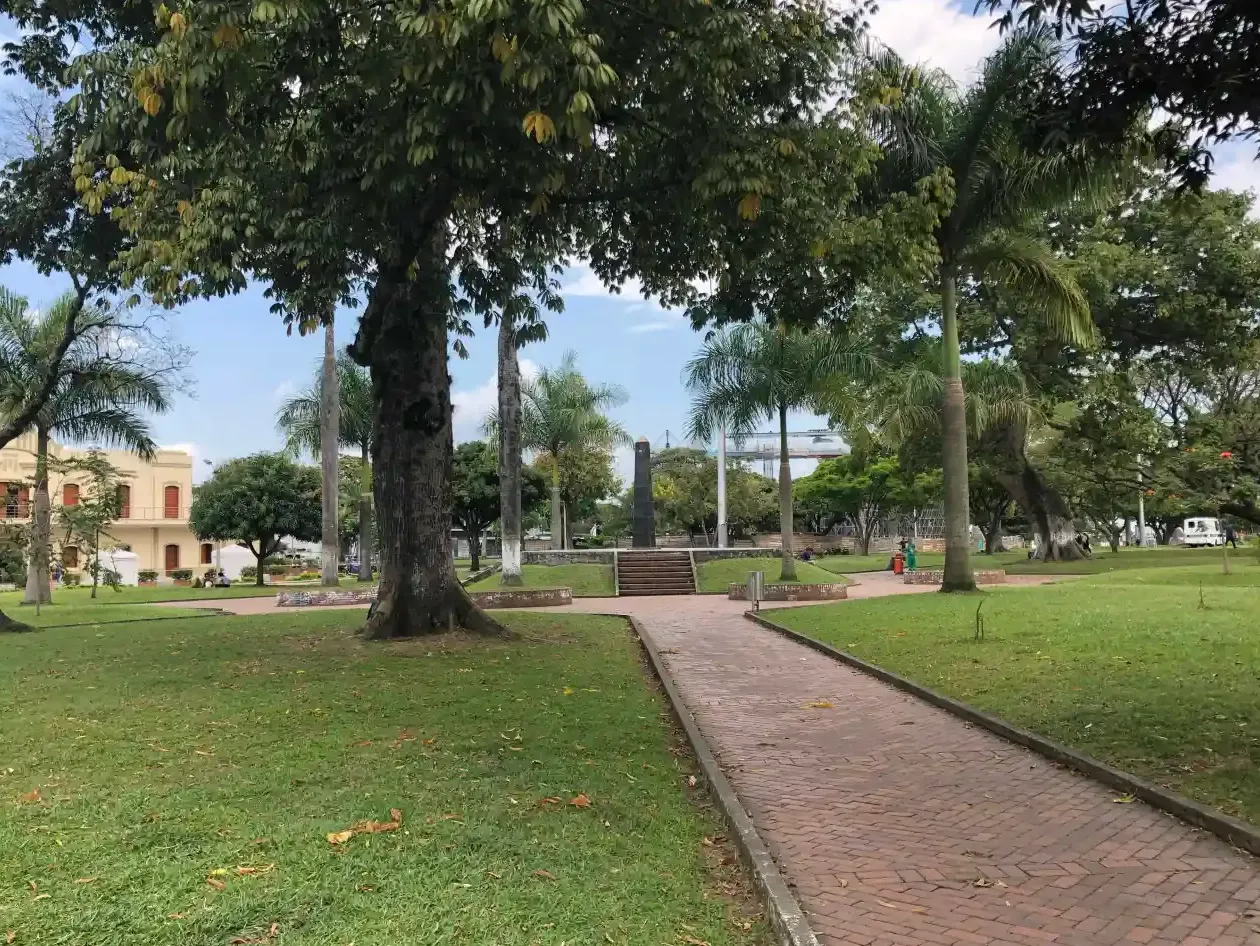
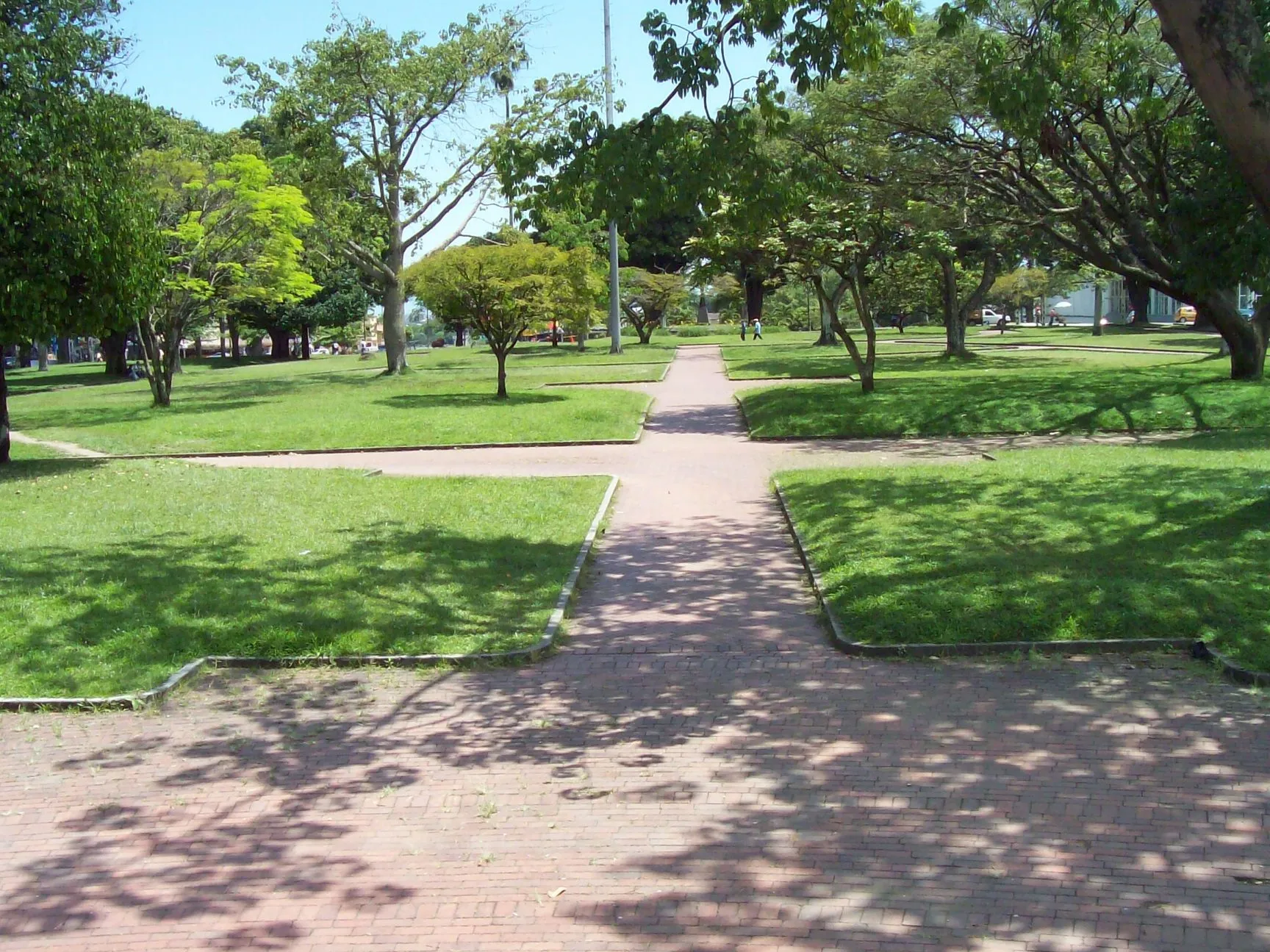
Audio Guide of Olaya Herrera Park

An iconic green space in Pereira that blends history, nature, and culture in the heart of the city.

✓ What guidebooks don't tell you
✓ Secrets other tourists miss
✓ Listen while you explore
Discover everything
00:00
00:00

📖 Audio Guide Chapters

6 chapters

1. Introduction and History

🔒 Premium Content

Subscribe to access all chapters of this audio guide.

2. Architecture and Design

🔒 Premium Content

Subscribe to access all chapters of this audio guide.

3. Art and Decoration

🔒 Premium Content

Subscribe to access all chapters of this audio guide.

4. Historical Figures

🔒 Premium Content

Subscribe to access all chapters of this audio guide.

5. Curiosities and Legends

🔒 Premium Content

Subscribe to access all chapters of this audio guide.

6. Cultural Importance and Legacy

🔒 Premium Content

Subscribe to access all chapters of this audio guide.

❓ Frequently Asked Questions

What are the visiting hours and how much does admission cost?

Triana Bridge is open 24 hours a day and visiting is completely free. You can cross it at any time of day or night without paying any fee. It is one of the most accessible places in Seville to enjoy at any hour.

How much time do I need to visit the bridge?

About 15 to 20 minutes is enough to cross the bridge, enjoy the views, and take photos. If you stop to visit the Chapel of Our Lady of Patronage or the Ceramics of Our Lady, you can spend around 30 to 45 minutes. It is ideal for a quick visit or to enjoy while passing through.

What is the best time of year to visit Triana Bridge?

Any time of year is good, although spring and autumn evenings are especially pleasant thanks to the mild temperatures. Sunsets offer spectacular views of the Guadalquivir River and the Giralda. If you visit Seville in summer, try crossing early in the morning or at dusk to avoid the heat.

Is the bridge accessible for people with reduced mobility?

Yes, Triana Bridge has ramps and is accessible for people using wheelchairs or baby strollers. The width of the bridge allows for comfortable and safe passage. However, keep in mind that the paving stones may be uneven in some areas.

What is the history of Triana Bridge?

The current bridge was built in 1992 on the site of the historic Isabella II Bridge (1852), Spain’s first cast-iron bridge. It connects the Triana neighborhood with central Seville and is the heart of the city’s most traditional district. It was built using the design of the previous bridge, preserving its essence and location.

What can I see near Triana Bridge?

On the Triana side, you can visit the Ceramics of Our Lady of Patronage and the Chapel of Our Lady of Patronage. On the Seville side, the Giralda and the Cathedral are just a few minutes away on foot. The Triana neighborhood is famous for its taverns and authentic atmosphere.

Are there any specific rules for crossing the bridge?

Triana Bridge is for pedestrians and cyclists, and it is allowed to cross it at any time of day or night. It is very popular with both tourists and locals, so it is recommended to move carefully. The views of the Guadalquivir River are perfect for taking photos without restrictions.

Is it safe to cross the bridge at night?

Yes, it is completely safe. The area is well lit and remains busy even at night thanks to the atmosphere of the Triana neighborhood. In addition, the nighttime views of illuminated Seville from the bridge are one of the city’s most beautiful experiences.

¿Prefieres escuchar en español?

🇪🇸 Escucha la audioguía de Olaya Herrera Park en español