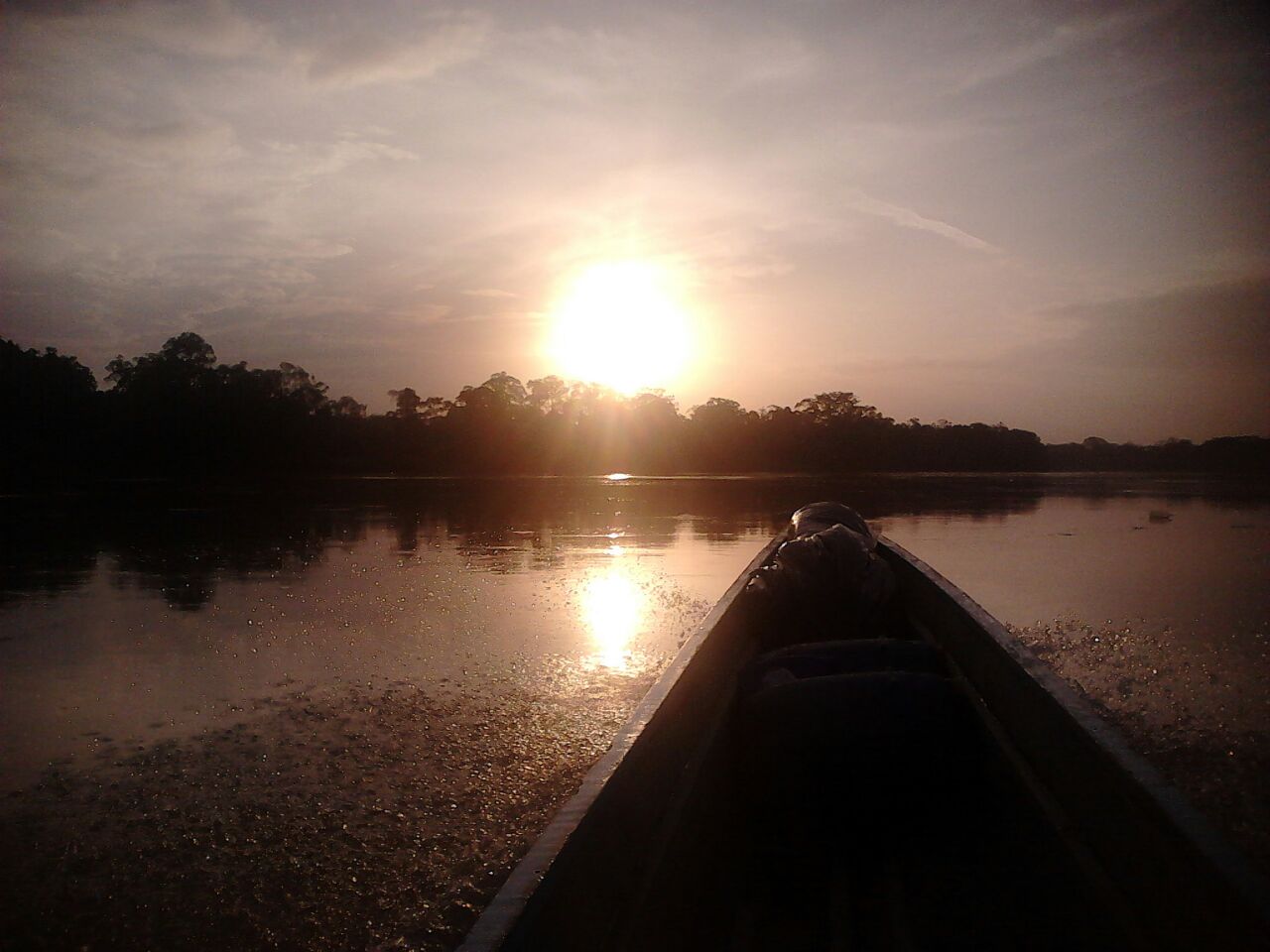
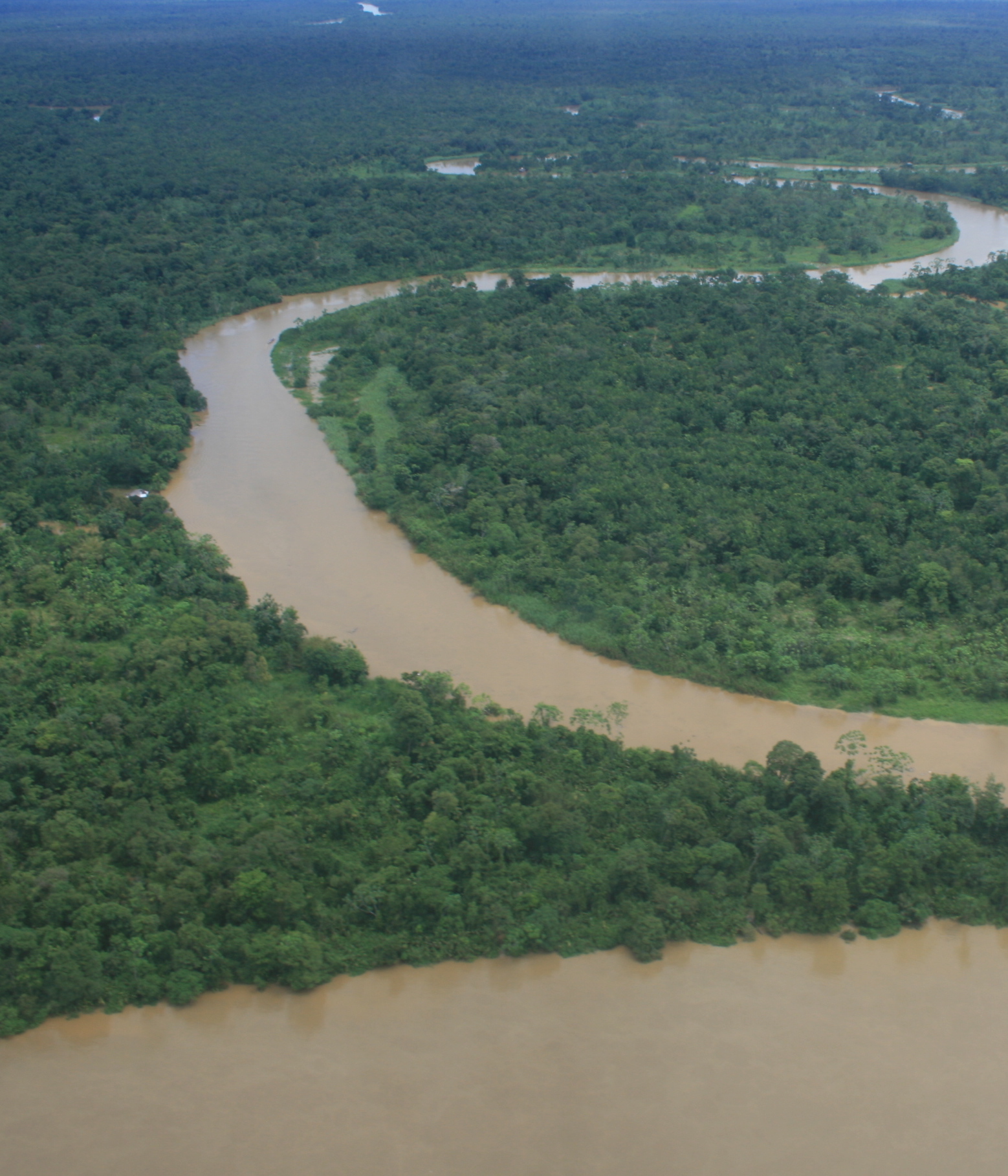
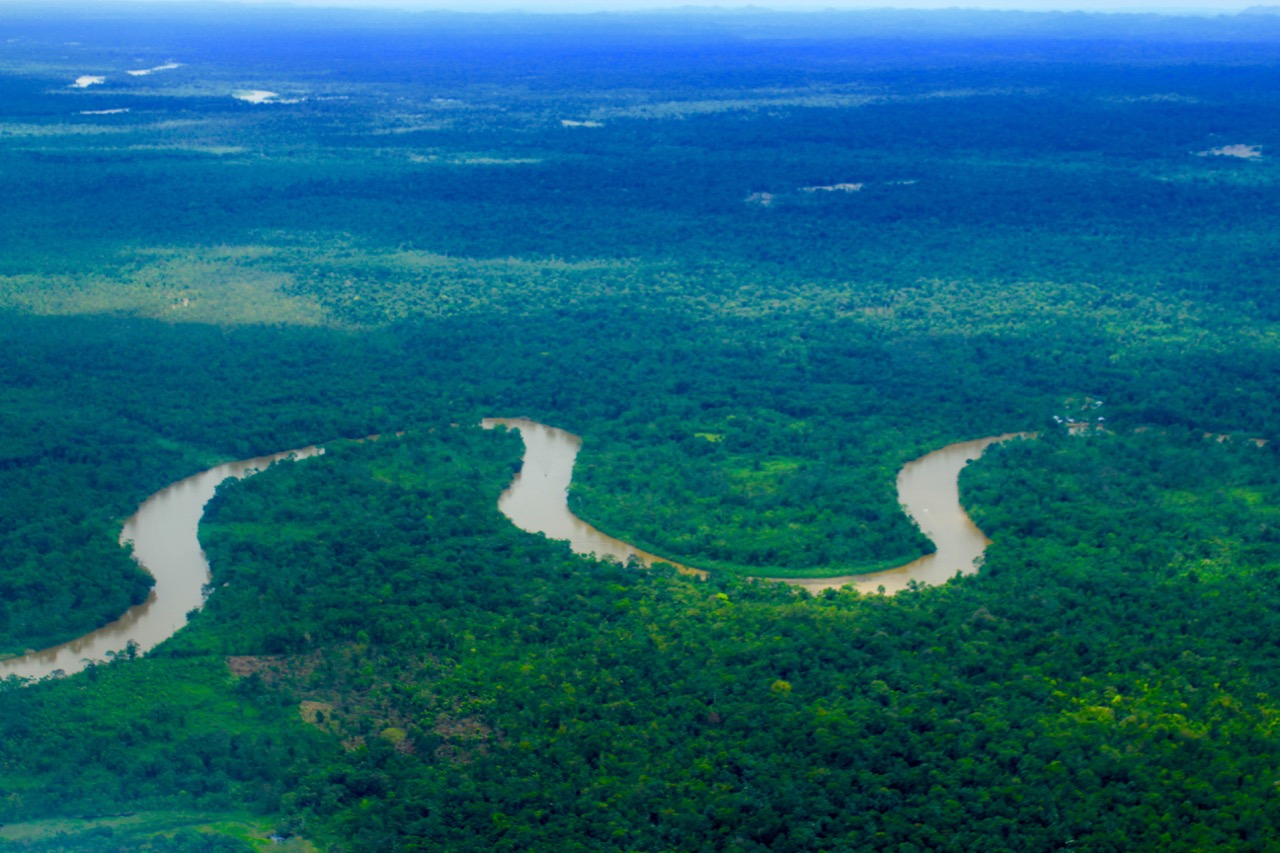
A space dedicated to preserving the culture and biodiversity of Chocó, bringing together tradition and the future.
Of course! Eco Heritage is a vibrant place that is constantly evolving. For the most up-to-date opening hours and to plan your visit, I recommend contacting them directly. You can look for their social media profile or local tourism pages in Quibdó for their latest announcements. Given the nature of this type of space, hours may vary due to events or special programs. I suggest checking the official website of the Quibdó mayor's office or Chocó tourism profiles for possible contact details.
Eco Heritage's access policy may vary. Some community projects or initiatives of this kind often offer free admission, but accept voluntary donations to support their sustainability and programs. They may also offer experiences or workshops with a fee. I suggest checking directly with them before your visit to get the most accurate information about prices, if any, or how to contribute. I have not found an official fixed pricing page, so direct contact is the best option.
To fully enjoy Eco Heritage, I would suggest setting aside between 1 and 2 hours. This will allow you to explore the space at a relaxed pace, appreciate any exhibitions or projects underway, interact with guides or community members, and soak in the atmosphere of the place. If there are workshops or scheduled activities, your visit may take longer. Don't forget to ask about them!
Eco Heritage, by its name and location in Quibdó, likely represents an essential bridge between Chocó's rich cultural heritage and environmental sustainability. It is a space that often seeks to celebrate Afro-descendant and Indigenous traditions, their relationship with nature, and their vision for the future. Visiting it is an opportunity to better understand the region's identity and its efforts to preserve its legacy and environment.
Given Quibdó's location in a tropical area, any time of year is a good time to visit, although the dry season (roughly from December to March) may be a bit more comfortable in terms of rainfall. As for the best time of day, I would recommend early morning or mid-afternoon to avoid the strongest heat and enjoy more pleasant light. It is also a good time to interact with local people and enjoy other community activities. Keep an eye on local events that may enrich your visit at Chocó Tourism Colombia.
Accessibility in places like Eco Heritage, which are often community projects or spaces with existing infrastructure, can vary. It is essential to contact them directly before your visit to ask about the specific accessibility of their facilities, whether there are ramps, adapted restrooms, or amenities for people with reduced mobility. They will be able to give you the most accurate information to plan your visit without inconvenience.
Quibdó has a lot to offer! Near Eco Heritage, you could explore the city center with its vibrant market, Quibdó Cathedral, or simply walk along the banks of the Atrato River to feel the pulse of the city. There are also local cultural spaces and a unique cuisine well worth discovering. I recommend exploring the natural richness of the surrounding area if you have time, using local guides or Colombia.travel - Quibdó.
Of course! For your visit to Eco Heritage, come with an open mind and a desire to learn about the local culture. Bring insect repellent, sunscreen, and light clothing. In Quibdó, I suggest being respectful of local culture and customs, trying the incredible cuisine of Chocó, and being open to interacting with its friendly people. It is always a good idea to carry cash, as not all places accept cards. Enjoy an authentic and enriching experience!
¿Prefieres escuchar en español?
🇪🇸 Escucha la audioguía de Eco Heritage en español