No te vayas sin conocer la historia Suscribete
IAudioGuia iaudioguia
Audio Guides of Neiva

Audio Guide of Regional Archaeological Museum of Huila

¿Sabías que aquí reposan los secretos de guerreros pijao que hicieron temblar a los conquistadores? Escucha y siente su furia.

✓ What guidebooks don't tell you
✓ Secrets other tourists miss
✓ Listen while you explore
Discover everything
00:00
00:00
Rate this audio guide

📖 Audio Guide Chapters

6 chapters

1. The vengeance that set Huila ablaze

🔒 Premium Content

Subscribe to access all chapters of this audio guide.

2. Hidden clues in the republican walls

🔒 Premium Content

Subscribe to access all chapters of this audio guide.

3. Fierce loves and deformed skulls

🔒 Premium Content

Subscribe to access all chapters of this audio guide.

4. The wild fact about the killer vessels

🔒 Premium Content

Subscribe to access all chapters of this audio guide.

5. Marks that whisper in the shadows

🔒 Premium Content

Subscribe to access all chapters of this audio guide.

6. The legacy that burns your soul

🔒 Premium Content

Subscribe to access all chapters of this audio guide.

❓ Frequently Asked Questions

What are the opening hours of the Regional Archaeological Museum of Huila, and how can I get there?

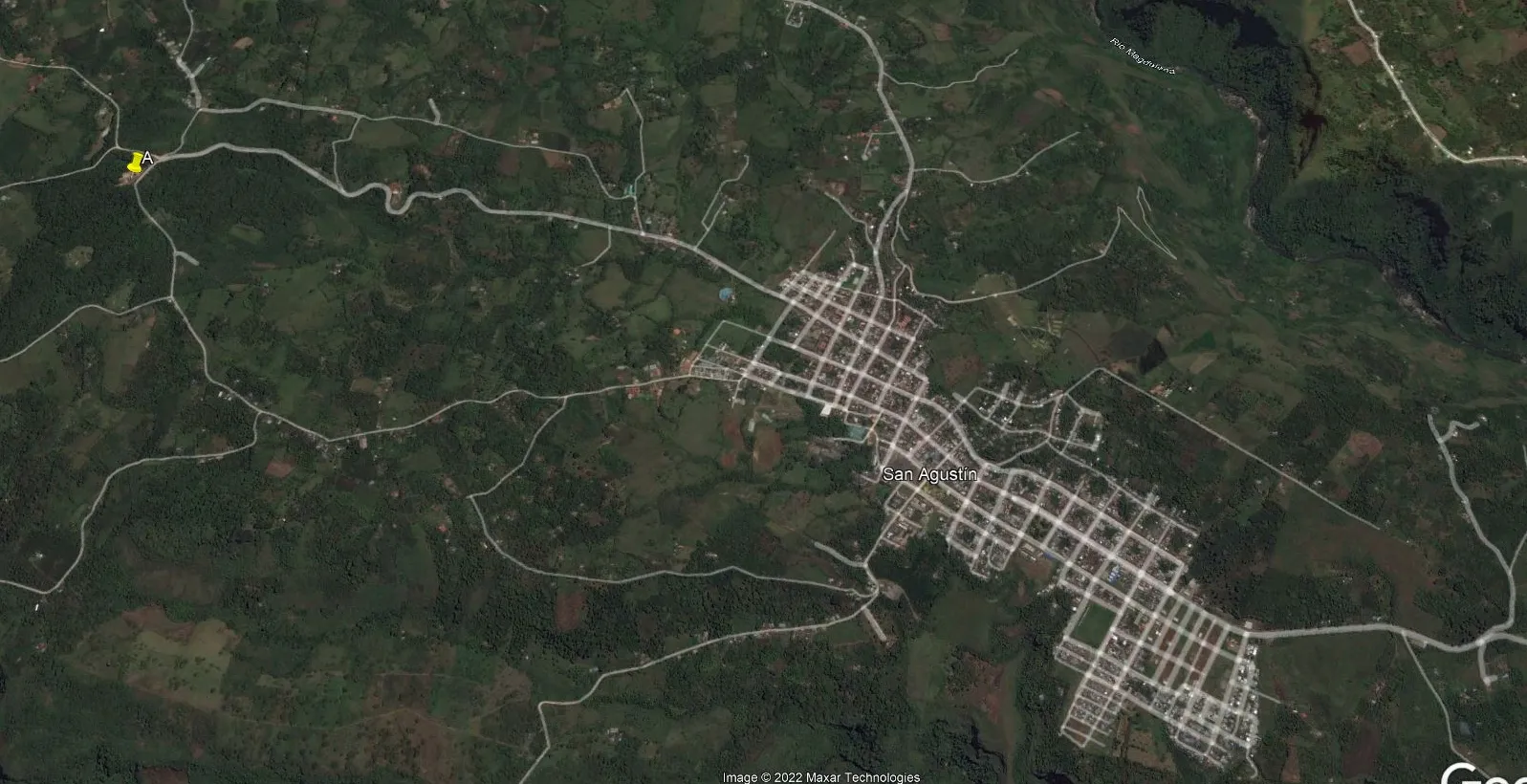
The museum is open Tuesday to Sunday, from 8:00 a.m. to 5:00 p.m., and remains closed on Mondays. To get there, it is located within the San Agustín Archaeological Park, accessible by road from Neiva or Pitalito; consider renting a car or taking a local bus. More details on the official website: ICANH San Agustín.

How much is admission to the Regional Archaeological Museum of Huila? Is it free for children or locals?

Admission costs around 10,000 COP for adults, with discounts for students and children; it is free for Huila residents with identification. Check updated prices at the ticket office or online to avoid surprises.

How much time is needed to visit the Regional Archaeological Museum of Huila?

It is recommended to spend at least 2 to 3 hours exploring the main galleries and exhibitions without rushing. If you combine it with the nearby Archaeological Park, a full day is ideal for a complete experience.

What is the historical and cultural importance of the Regional Archaeological Museum of Huila?

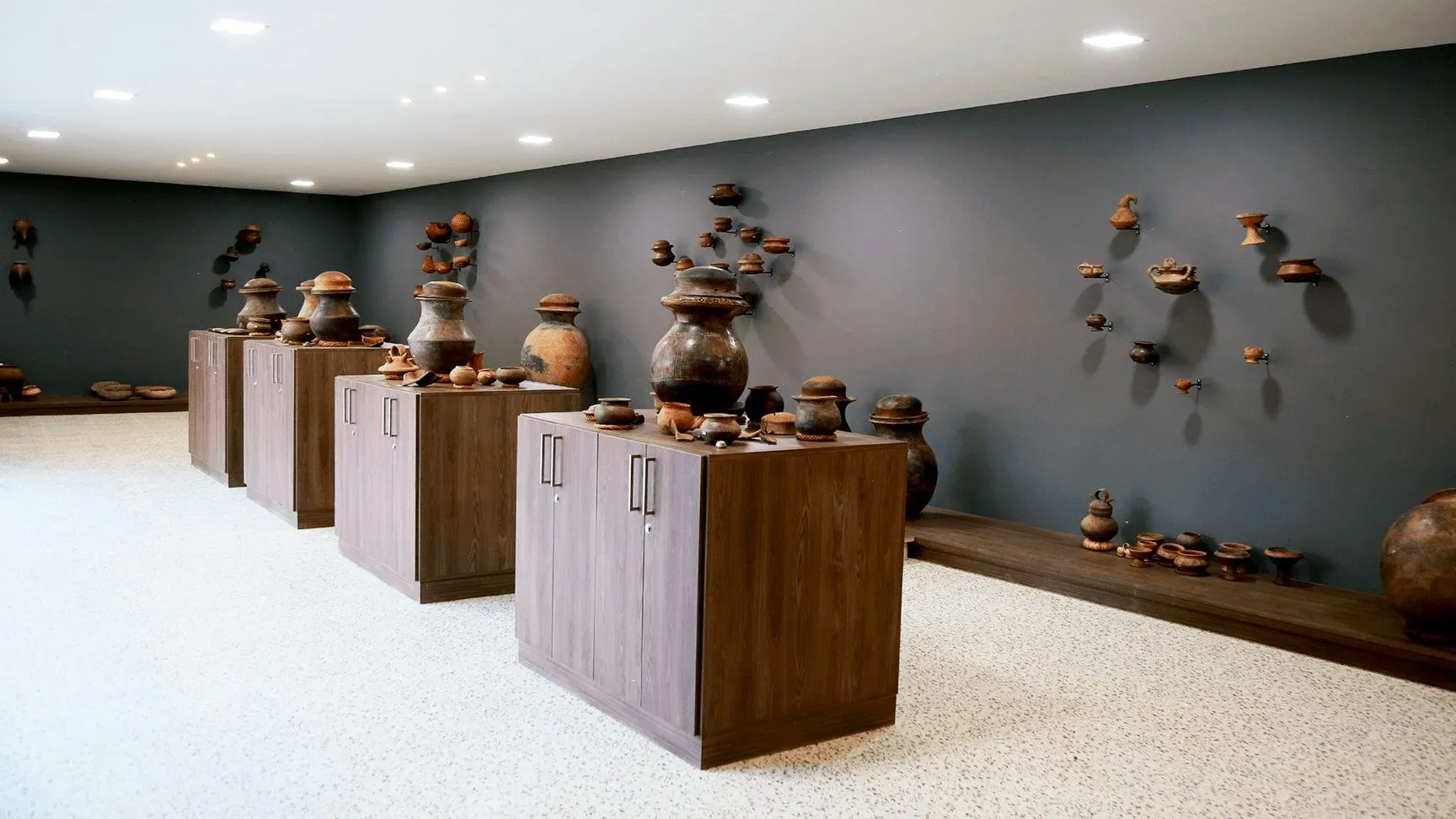
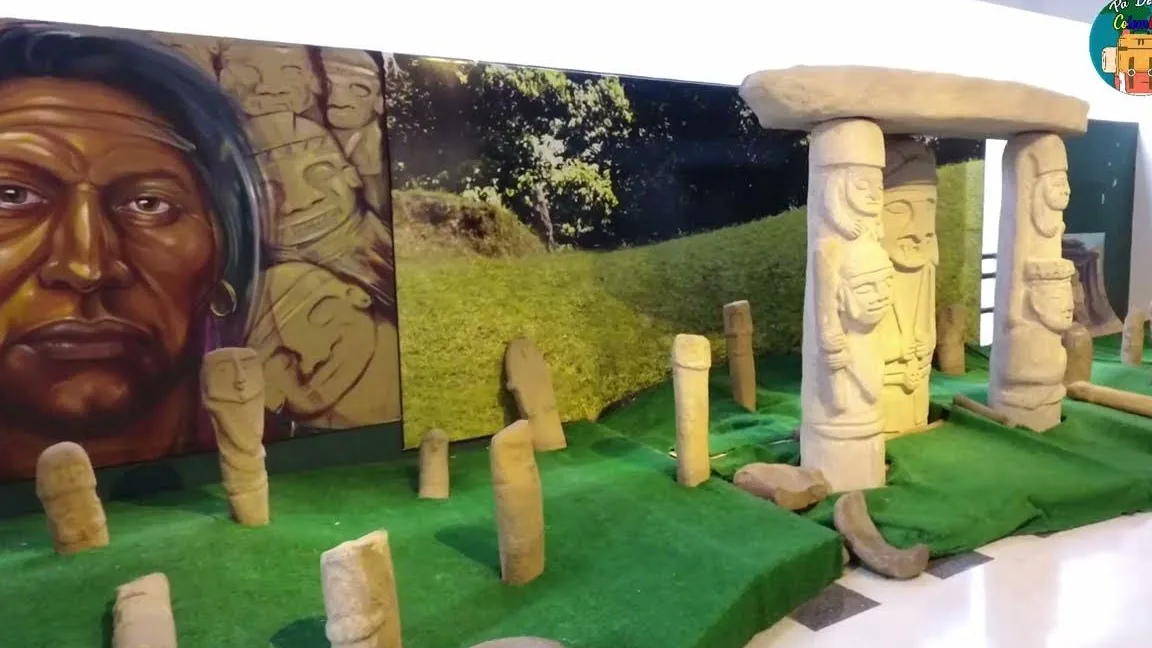
The museum preserves pre-Columbian artifacts from indigenous cultures of southwestern Colombia, highlighting the San Agustín stone sculptures that date back more than 2,000 years and were declared a UNESCO World Heritage Site in 1995. It represents a treasure of Mesoamerican and Andean archaeology, offering insights into rituals and ancestral life.

What is the best time of year or day to visit the Regional Archaeological Museum of Huila?

The best time is between December and March, during the dry season, to avoid rain that can make access to the park more difficult. Visit early in the morning to enjoy fewer crowds and cooler weather, ideal for outdoor walks.

Is the Regional Archaeological Museum of Huila accessible for people with reduced mobility?

Yes, it has ramps and paved paths in the main areas, although some sections of the adjacent archaeological park may be challenging because of uneven terrain. We recommend contacting the museum at +57 8 837 4444 for personalized assistance.

What other attractions are near the Regional Archaeological Museum of Huila?

Nearby, explore the San Agustín Archaeological Park with its megalithic statues, or visit Alto de las Piedras and Lavapatas, just 10 to 20 minutes away by car. Also, the Magdalena River offers ecotourism options; plan a combined itinerary to make the most of your trip.

What practical tips can help me make the most of my visit to the Regional Archaeological Museum of Huila?

Bring sunscreen, insect repellent, and comfortable shoes for walking; consider hiring a local guide for in-depth explanations in Spanish or English. Download the ICANH audio guide app to enrich your experience: ICANH Resources, and book ahead during high season.

¿Prefieres escuchar en español?

🇪🇸 Escucha la audioguía de Regional Archaeological Museum of Huila en español