No te vayas sin conocer la historia Suscribete
IAudioGuia iaudioguia
Audio Guides of Popayan

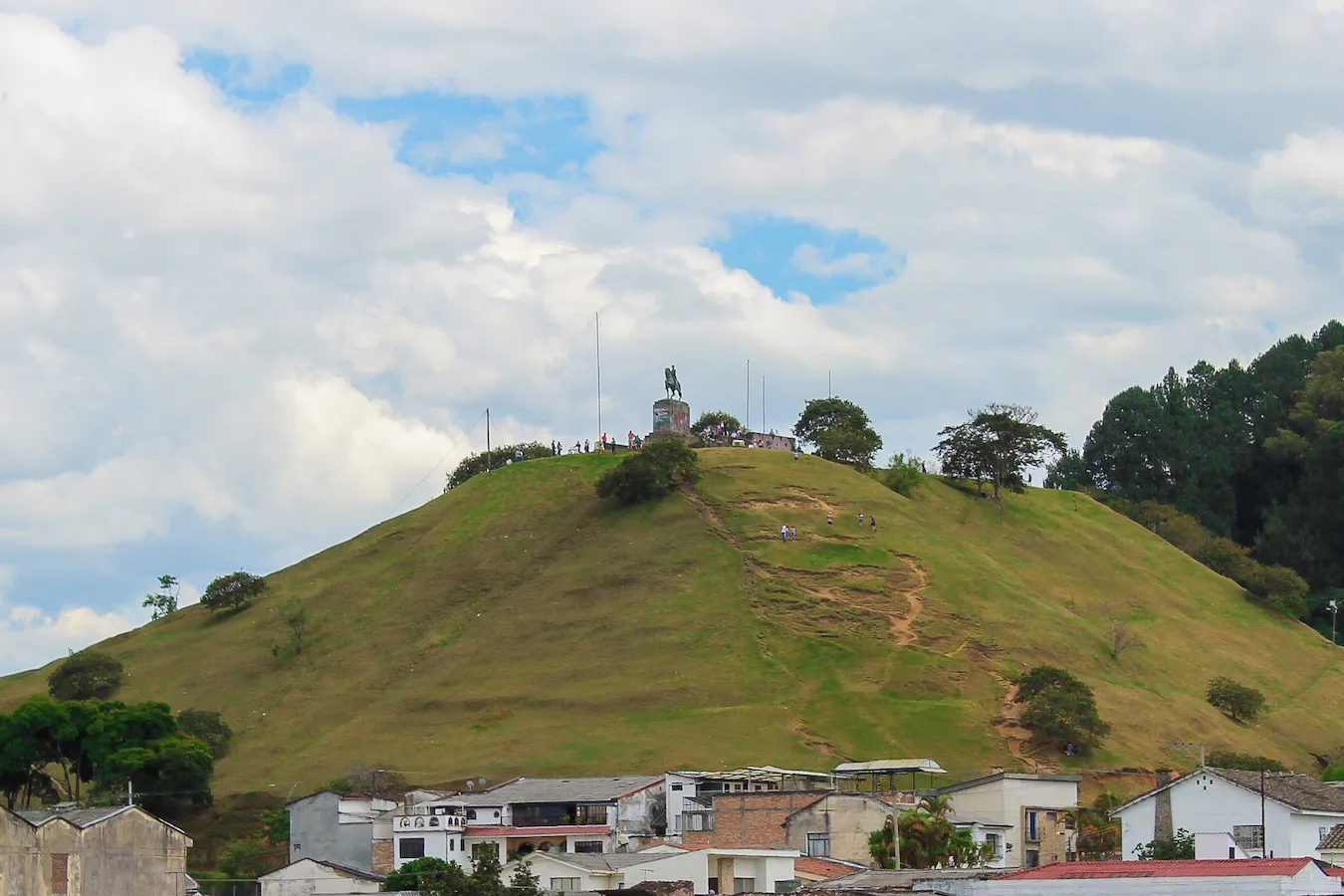
Audio Guide of Morro de Tulcán

Discover Morro de Tulcán in Popayán. A unique experience to learn about its history and significance.

✓ What guidebooks don't tell you
✓ Secrets other tourists miss
✓ Listen while you explore
Discover everything
00:00
00:00

📖 Audio Guide Chapters

6 chapters

1. Introduction

🔒 Premium Content

Subscribe to access all chapters of this audio guide.

2. Pre-Hispanic History

🔒 Premium Content

Subscribe to access all chapters of this audio guide.

3. The Conquest and Popayán

🔒 Premium Content

Subscribe to access all chapters of this audio guide.

4. The Monument to Sebastián de Belalcázar

🔒 Premium Content

Subscribe to access all chapters of this audio guide.

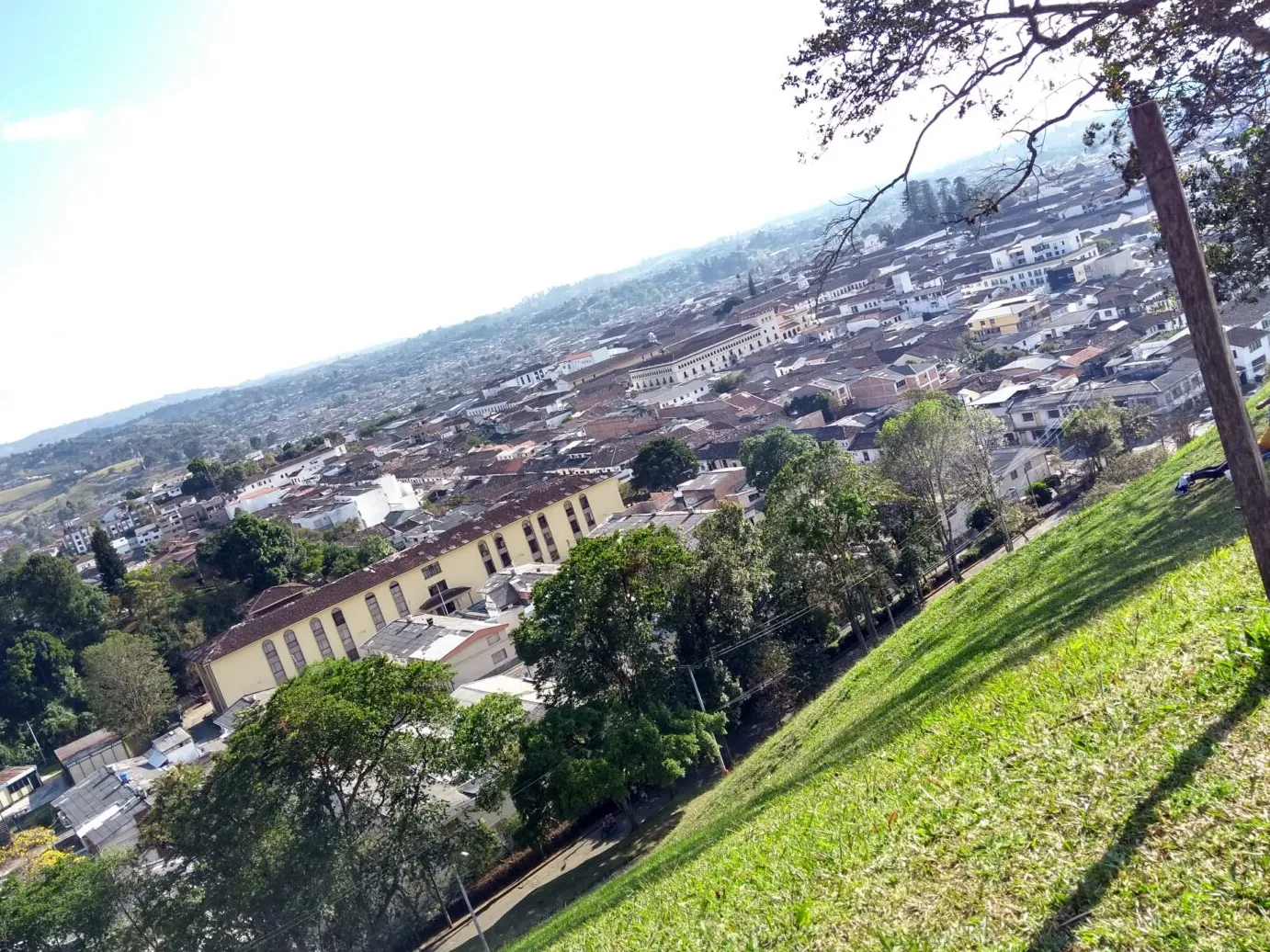
5. Visit and Panoramic View

🔒 Premium Content

Subscribe to access all chapters of this audio guide.

6. Closing and Reflection

🔒 Premium Content

Subscribe to access all chapters of this audio guide.

❓ Frequently Asked Questions

What are the opening hours of Morro de Tulcán and how can I get there?

Morro de Tulcán is open from Tuesday to Sunday, from 9:00 a.m. to 5:00 p.m., and remains closed on Mondays. To get there, you can take a taxi from downtown Popayán, which is about 5 km away, or use public transportation; the site is located on the road to Timbío. For more details, visit the Cauca tourism portal.

How much does admission to Morro de Tulcán cost? Is it free?

Admission to Morro de Tulcán is free, as it is an archaeological site managed by public entities. No paid tickets are required, although small fees may be charged for guides or parking during peak season. Check for updates on the Ministry of Culture website.

How much time is needed to visit Morro de Tulcán?

It is recommended to allow 1 to 2 hours to explore the site at a comfortable pace, including the climb up the hill and viewing the tombs. If you go with a guide, it may take a little longer for a more detailed experience.

What is the history or cultural importance of Morro de Tulcán?

Morro de Tulcán is a pre-Columbian archaeological site of the Muisca culture, with more than 200 ancient tombs dating from the 7th to the 10th century, used for elite burials. It represents important evidence of Indigenous presence in southwestern Colombia and its connection to funerary rituals. Its preservation helps us understand regional history before the Spanish conquest.

What is the best time to visit Morro de Tulcán?

The best time is during the dry season, from June to August or December to February, to avoid rain that can make access difficult. Visit early in the morning to enjoy cool temperatures and fewer crowds, ideally between 9:00 a.m. and noon.

Is Morro de Tulcán accessible for people with reduced mobility?

Access involves a steep climb along a dirt path and steps, which makes it challenging for people with reduced mobility; there are no ramps or specific accessibility facilities. It is recommended to contact ICANH (Colombian Institute of Anthropology and History) at +57 1 383 4700 for alternative options or assistance.

What other attractions are near Morro de Tulcán?

Nearby, in Popayán (just 5 to 10 km away), you can visit the Basilica Cathedral of the Assumption or the Guillermo Valencia Museum for more colonial history. You can also explore Caldas Park or the surroundings of Silvia for Indigenous markets; plan a full day in the Cauca region.

What are some practical tips for visiting Morro de Tulcán?

Wear comfortable shoes and insect repellent, as the terrain is uneven; stay well hydrated, especially on hot days. Consider hiring a local guide for cultural insights and respect the site's rules by avoiding touching the structures. For bookings or information, call Popayán City Hall at +57 602 824 2002.

¿Prefieres escuchar en español?

🇪🇸 Escucha la audioguía de Morro de Tulcán en español