No te vayas sin conocer la historia Suscribete
IAudioGuia iaudioguia
Audio Guides of Prefectura De Kasgar

Audio Guide of Kashgar Sunday Market

Donde las piedras esconden oro, los dátiles guardan secretos y un policía borracho dejó su huerta hace 100 años.

✓ What guidebooks don't tell you
✓ Secrets other tourists miss
✓ Listen while you explore
Discover everything
00:00
00:00

📖 Audio Guide Chapters

6 chapters

1. The Treasure Beneath the Date Stall

🔒 Premium Content

Subscribe to access all chapters of this audio guide.

2. The Walls That Deceive the Desert

🔒 Premium Content

Subscribe to access all chapters of this audio guide.

3. The Spice War That Ended in Poison

🔒 Premium Content

Subscribe to access all chapters of this audio guide.

4. The Stall of Lies and Medieval Nail Clippers

🔒 Premium Content

Subscribe to access all chapters of this audio guide.

5. The Eternal Drunk in the Rafters

🔒 Premium Content

Subscribe to access all chapters of this audio guide.

6. Final Test for True Travelers

🔒 Premium Content

Subscribe to access all chapters of this audio guide.

❓ Frequently Asked Questions

When is the Kashgar Sunday Market open and how can I get there?

The market is open exclusively on Sundays from 10:00 a.m. to 5:00 p.m. (local time). It is located on Yembagh Road, Kashgar Prefecture. You can get there by taxi (about 20 CNY from downtown) or by bus lines 2 and 8. Check updated schedules on the official Xinjiang website.

Do I need to pay an entrance fee to visit the market?

Entry to the market is completely free! You will only pay if you buy local products, handicrafts, or food. Bring cash in Chinese yuan (CNY), since few stalls accept cards. Prices are negotiable.

How much time is needed to explore the entire market?

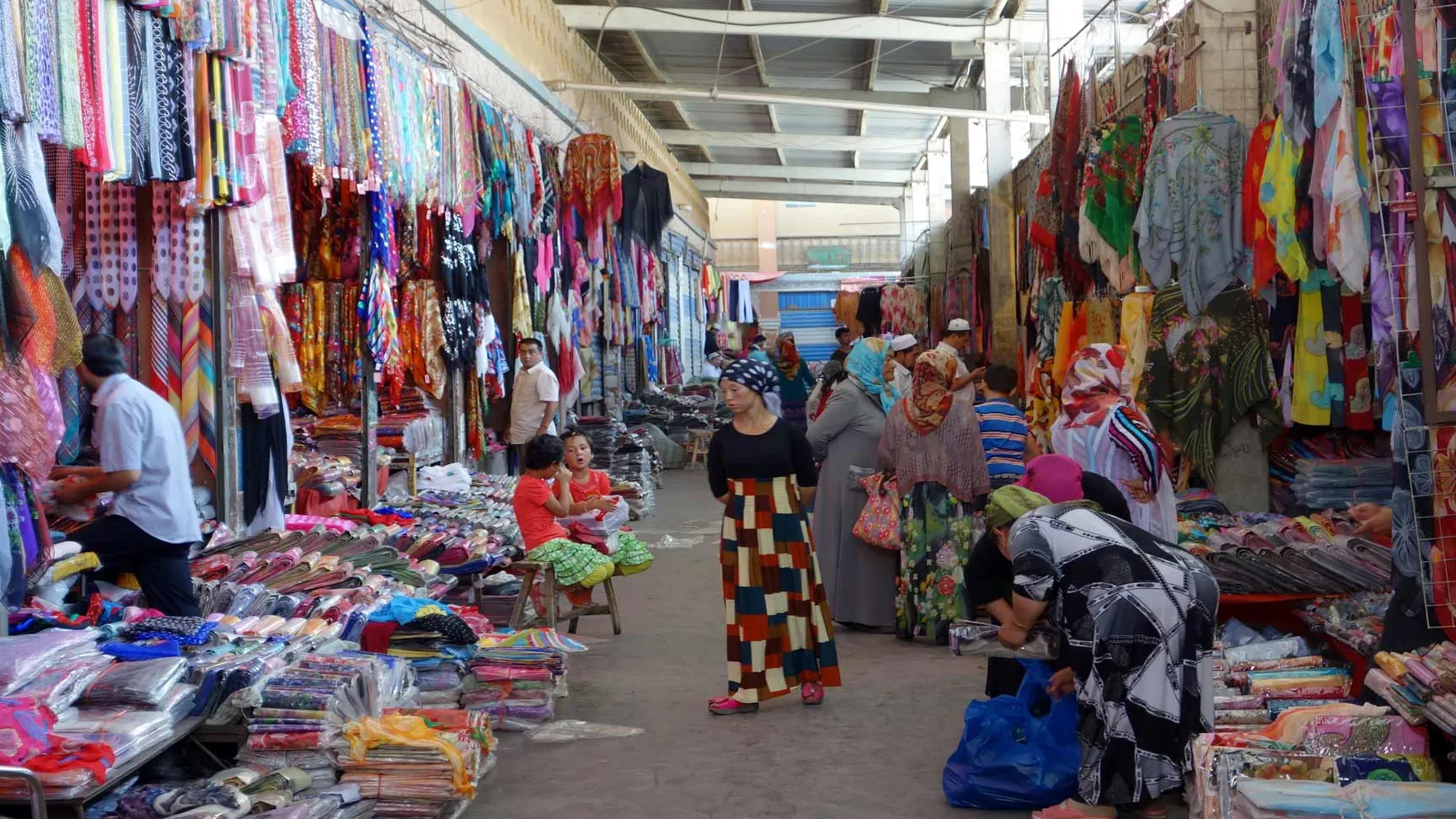
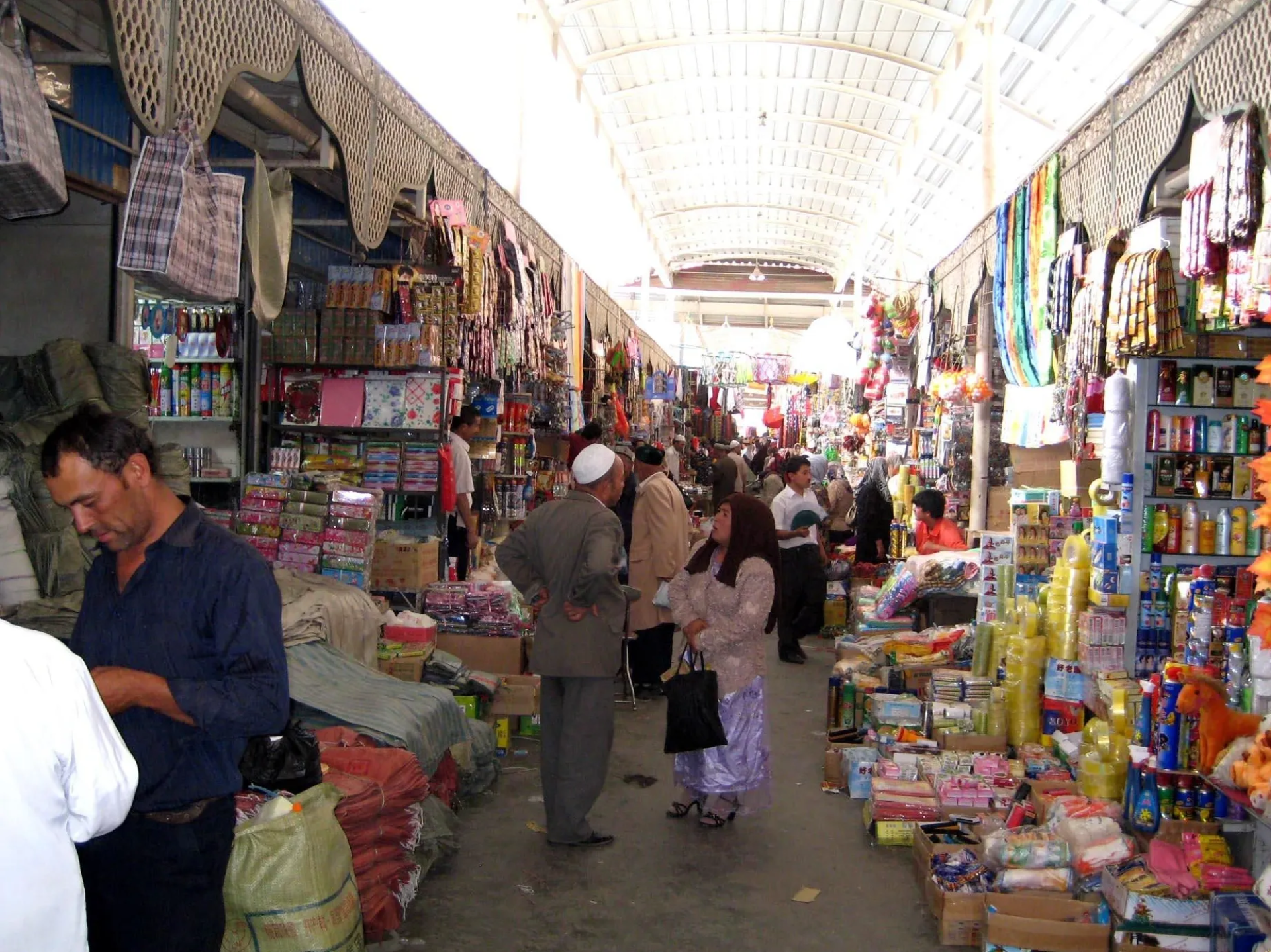
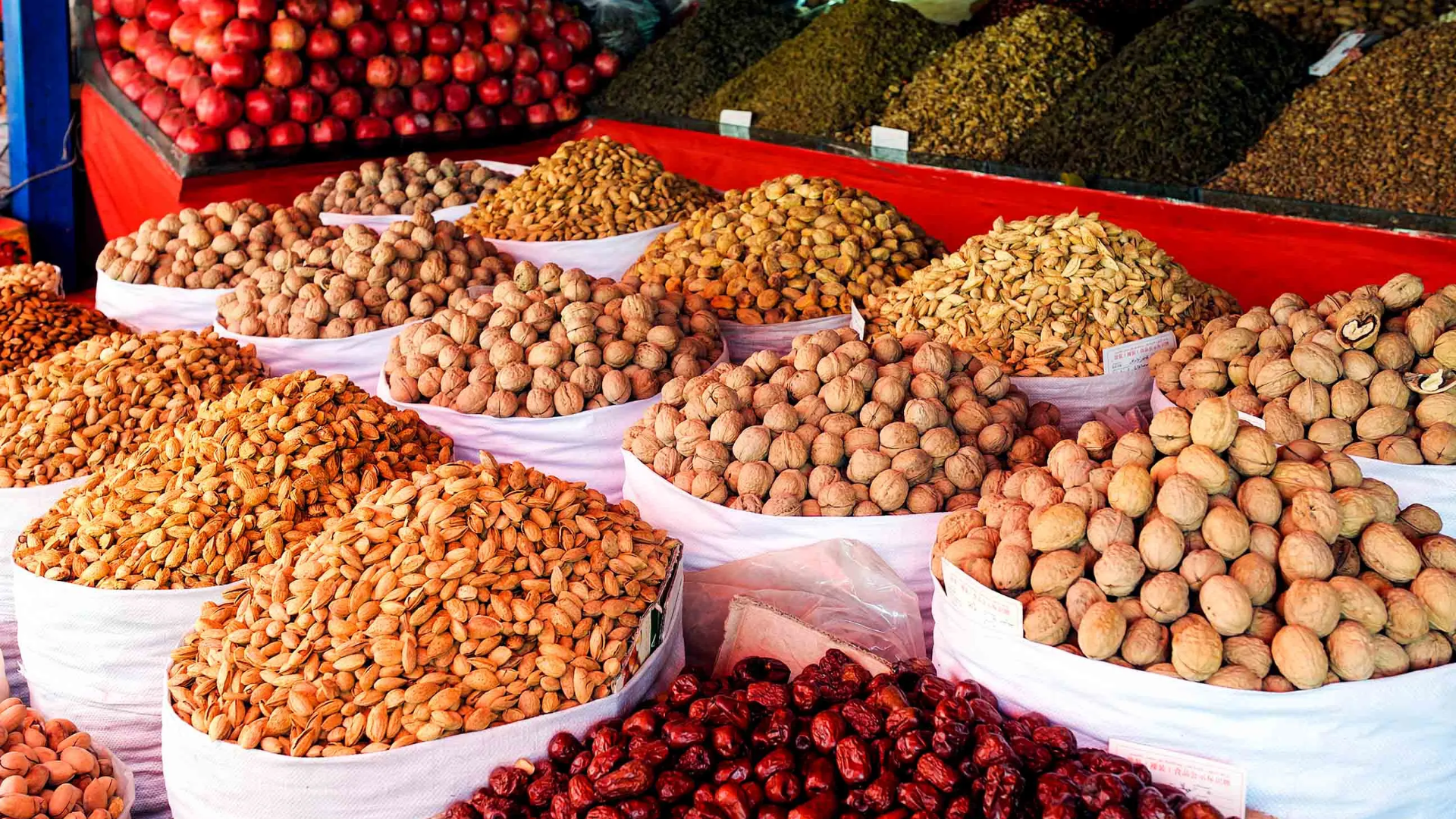
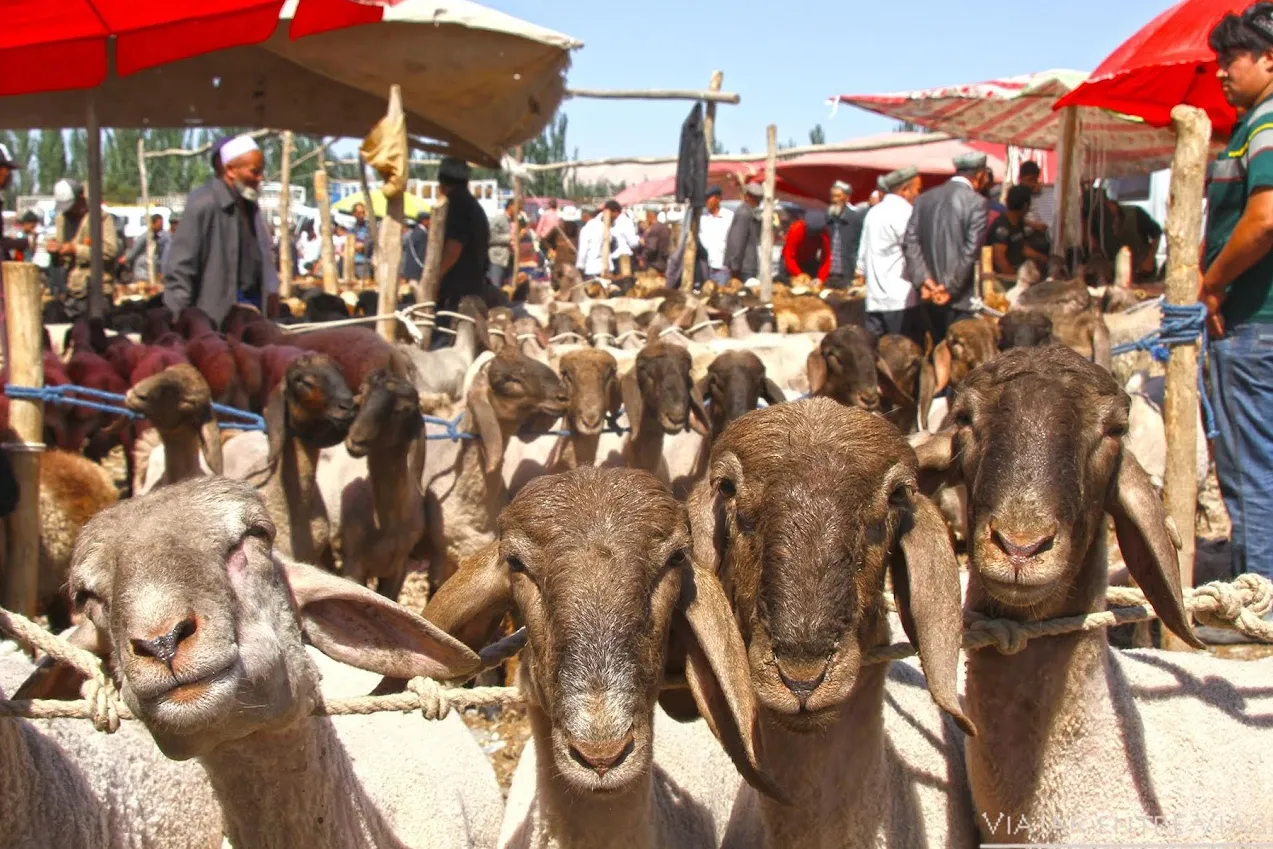
At least 3 to 4 hours are recommended to enjoy the atmosphere. The market covers more than 100 hectares, with sections dedicated to livestock, textiles, food, and handicrafts. Wear comfortable shoes: you will walk a lot among more than 5,000 stalls!

Why is this market historically so famous?

It is the oldest open-air market in Asia, with more than 2,000 years of history. It was a key stop on the Silk Road for trade between China and Central Asia. Today it remains a center of Uyghur culture and was recognized by UNESCO as Intangible Cultural Heritage. More historical information is available at UNESCO.

What is the best time of year to visit?

Spring (April to June) and autumn (September to October) have pleasant temperatures of 18 to 25°C. Summer is extremely hot (over 40°C) and winter is extremely cold (-10°C). Go early, before 11:00 a.m., to avoid crowds.

Is it accessible for people with reduced mobility?

Access has limitations: the streets are made of compacted dirt with loose stones, and the livestock areas can be difficult for wheelchairs. The handicrafts area in the northern section is easier to navigate. Avoid peak hours (1:00 p.m. to 3:00 p.m.) when there is heavy congestion.

What other tourist attractions are nearby?

A 15-minute walk away is Id Kah Mosque, the largest in China, as well as the Uyghur old town with traditional architecture. You can also visit the Mausoleum of Apak Khoja (see location) and Karakul Lake, about 2 hours away by car.

What tips would you give to enjoy the visit more?

1) Bring small cash bills (10/20 CNY) 2) Use sunscreen and wear a hat 3) Bargain with a smile (start by offering 50% of the initial price) 4) Try freshly baked naan bread and spiced tea 5) Respect local customs: ask permission before photographing people.

¿Prefieres escuchar en español?

🇪🇸 Escucha la audioguía de Kashgar Sunday Market en español