No te vayas sin conocer la historia Suscribete
IAudioGuia iaudioguia
Audio Guides of Prefectura De Kasgar

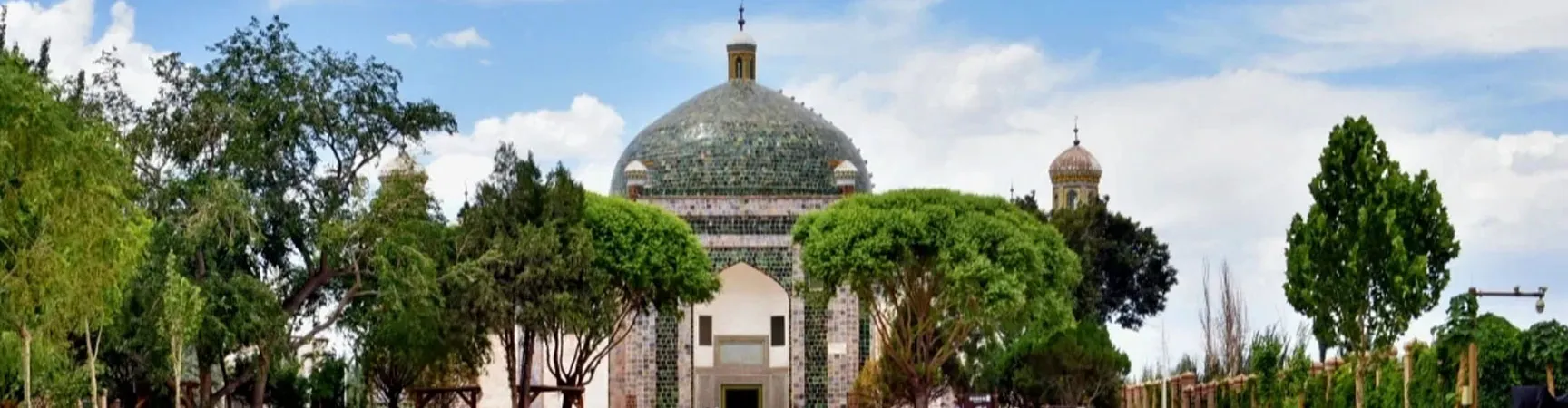
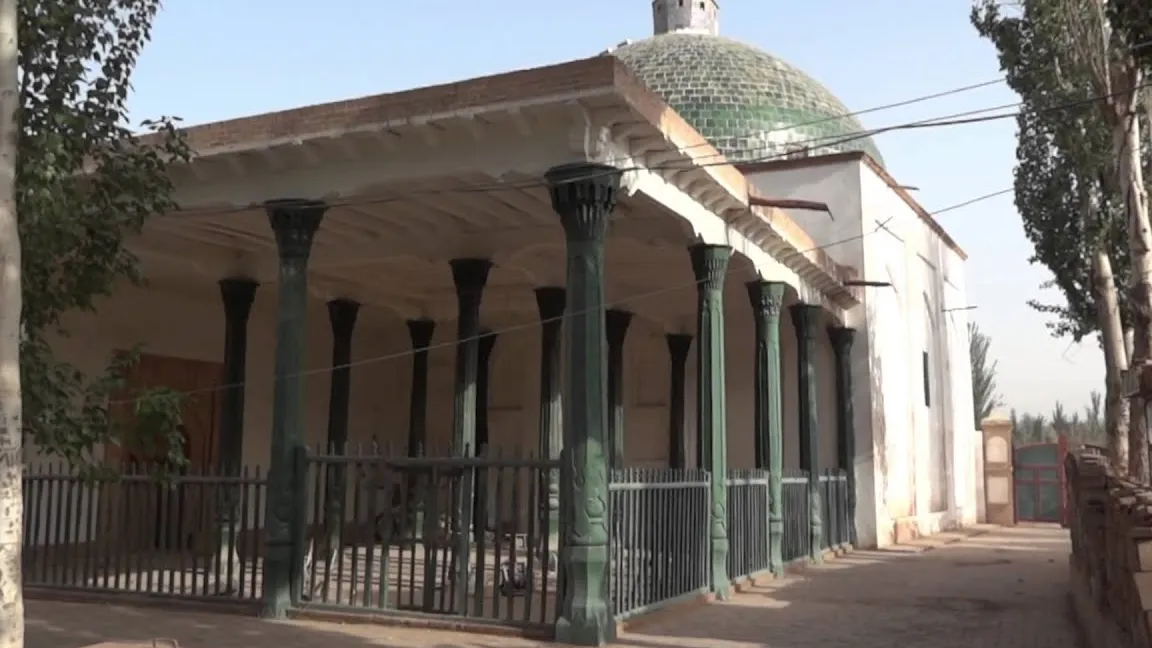
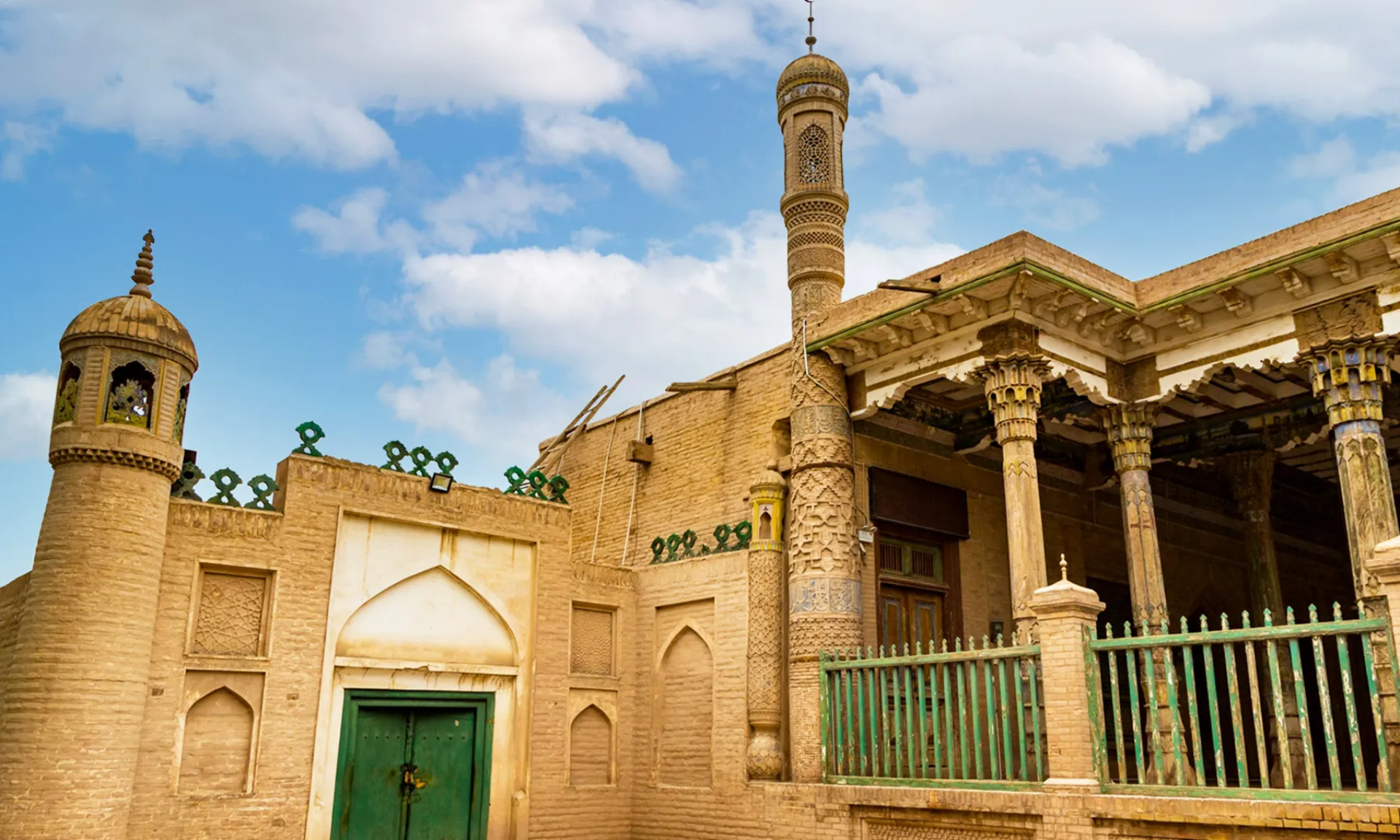
Audio Guide of the Apak Khoja Mausoleum

Discover the Apak Khoja Mausoleum in Kashgar Prefecture. A unique experience to learn about its history and significance.

✓ What guidebooks don't tell you
✓ Secrets other tourists miss
✓ Listen while you explore
Discover everything
00:00
00:00

📖 Audio Guide Chapters

6 chapters

1. The perfumed secret that stopped an army

🔒 Premium Content

Subscribe to access all chapters of this audio guide.

2. Domes, earthquakes, and coffin thieves

🔒 Premium Content

Subscribe to access all chapters of this audio guide.

3. Central Asia’s deadliest family rivalry

🔒 Premium Content

Subscribe to access all chapters of this audio guide.

4. The pigeons that never land and another conveniently fragrant myth

🔒 Premium Content

Subscribe to access all chapters of this audio guide.

5. The hidden code in the tiles and the disobedient tombs

🔒 Premium Content

Subscribe to access all chapters of this audio guide.

6. Why this matters beyond the quick tours

🔒 Premium Content

Subscribe to access all chapters of this audio guide.

❓ Frequently Asked Questions

What are the opening hours of the Apak Khoja Mausoleum and how do you get there?

The Apak Khoja Mausoleum is generally open from 9:00 a.m. to 7:30 p.m. every day. It is located about 5 km northeast of downtown Kashgar, and you can easily get there by taxi or local bus. Be sure to check current opening hours before your visit, as they may vary seasonally. For more details, you can contact the local tourism office or visit China Highlights.

Is there an admission fee to visit the Apak Khoja Mausoleum, or is it free?

Yes, there is an admission fee to enter the Apak Khoja Mausoleum. The price is usually around 30–35 CNY per person. I recommend bringing cash, as not all places accept cards, or checking whether they offer electronic payment options when you arrive. You can find out the exact price and any possible discounts at the ticket office or on the China Discovery website.

How much time is recommended for a proper visit to the Apak Khoja Mausoleum?

To fully enjoy the Apak Khoja Mausoleum and its surroundings, I suggest allowing between 1 and 2 hours. This will give you enough time to explore the main mausoleum, the adjacent buildings, and stroll through the gardens at a relaxed pace, taking in the unique atmosphere and architectural details.

Could you tell me a bit about the history and cultural significance of the Apak Khoja Mausoleum?

The Apak Khoja Mausoleum, also known as the Mausoleum of the Fragrant Concubine, is the burial site of five generations of the Afaq Khoja family, linked to an influential 17th-century Sufi leader. It is an outstanding example of Islamic architecture in Xinjiang and a place of deep devotion for local Muslims. It stands as a testament to the rich history and cultural diversity of the Kashgar region.

What is the best time of year or day to visit the Apak Khoja Mausoleum?

The best time to visit the Apak Khoja Mausoleum is during spring (April–May) and autumn (September–October), when the weather is milder and more pleasant. To avoid crowds and enjoy a more peaceful experience, I recommend visiting early in the morning just after opening, or later in the afternoon.

Is the Apak Khoja Mausoleum accessible for people with reduced mobility or wheelchair users?

Accessibility for people with reduced mobility may be limited at the Apak Khoja Mausoleum, as it is a historic site with uneven ground and possible steps. While the main courtyards may be accessible, some interior sections could present barriers. I recommend contacting the site directly or checking with a local travel agency for up-to-date accessibility information.

What other attractions or places of interest are nearby the Apak Khoja Mausoleum and worth visiting?

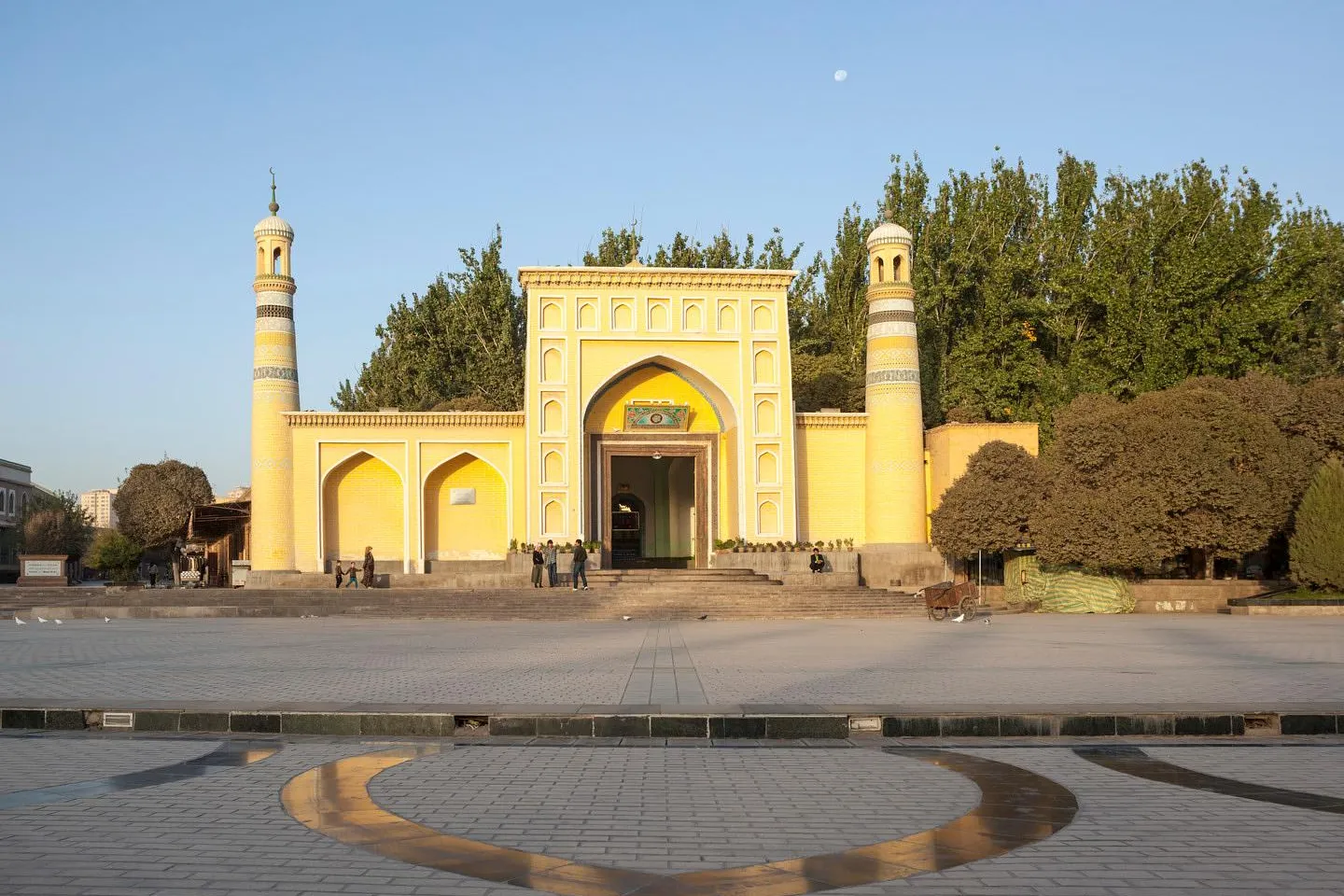
Yes, there are several interesting attractions near the Apak Khoja Mausoleum. In Kashgar, you should not miss Id Kah Mosque, the Sunday Bazaar (if your visit совпides with it), and Kashgar Old Town, where you can immerse yourself in authentic local life. All of these places are easily accessible from the mausoleum and will perfectly complement your cultural experience.

Any practical tips to make the most of my visit to the Apak Khoja Mausoleum?

Of course—here are some tips: dress respectfully (with shoulders and knees covered), wear comfortable shoes, and consider hiring a local guide to gain a deeper understanding of the site’s history and significance. Don’t forget to bring water, especially in the warmer months, and a camera to capture the beauty of the place. Keep an open mind and soak up the unique atmosphere.

¿Prefieres escuchar en español?

🇪🇸 Escucha la audioguía de the Apak Khoja Mausoleum en español