No te vayas sin conocer la historia Suscribete
IAudioGuia iaudioguia
Audio Guides of Shigatse

Audio Guide of Sakya Monastery

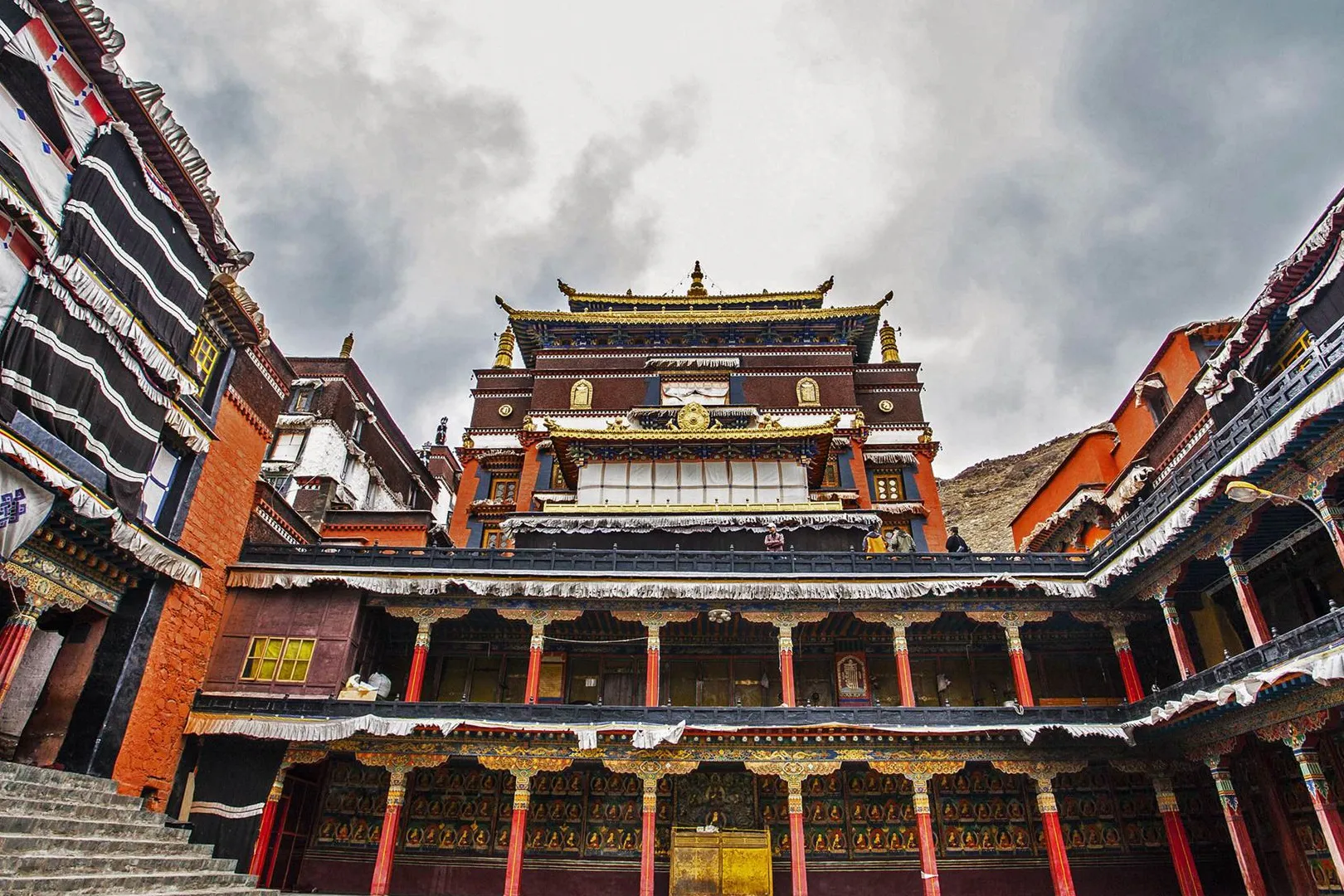
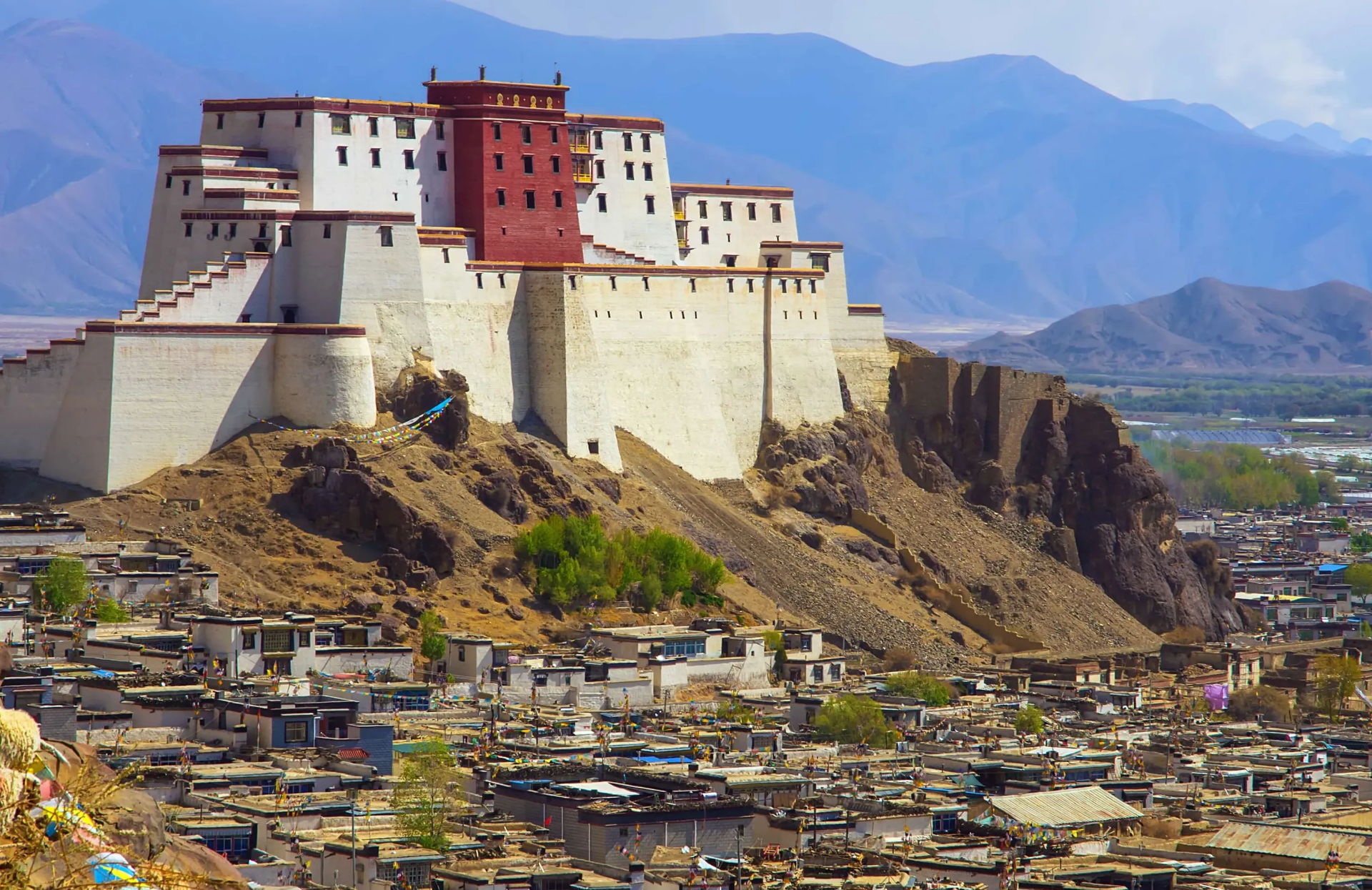
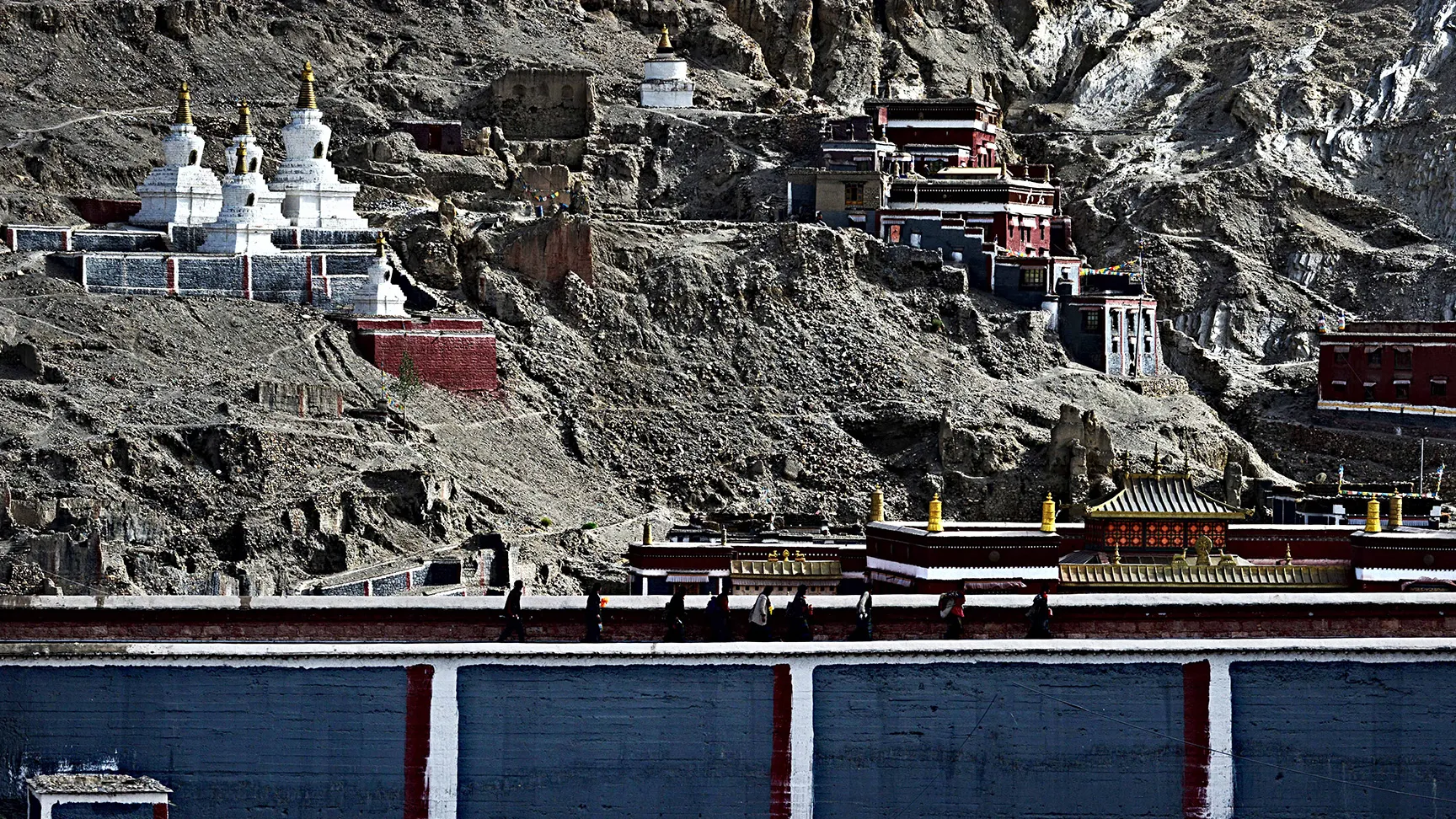
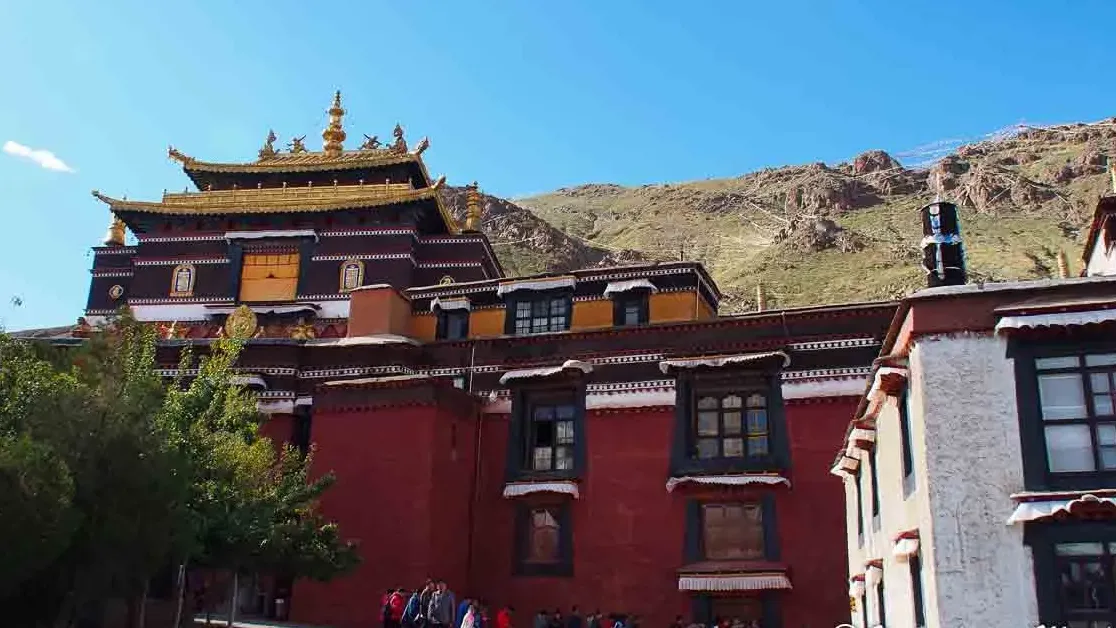
A crucial spiritual and historical center of Tibetan Buddhism, famous for its unique architecture and vast library.

✓ What guidebooks don't tell you
✓ Secrets other tourists miss
✓ Listen while you explore
Discover everything
00:00
00:00

📖 Audio Guide Chapters

6 chapters

1. Introduction and History

🔒 Premium Content

Subscribe to access all chapters of this audio guide.

2. Architecture and Design

🔒 Premium Content

Subscribe to access all chapters of this audio guide.

3. Art and Decoration

🔒 Premium Content

Subscribe to access all chapters of this audio guide.

4. Historical Figures

🔒 Premium Content

Subscribe to access all chapters of this audio guide.

5. Curiosities and Legends

🔒 Premium Content

Subscribe to access all chapters of this audio guide.

6. Cultural Importance and Legacy

🔒 Premium Content

Subscribe to access all chapters of this audio guide.

❓ Frequently Asked Questions

What are the visiting hours for Sakya Monastery and how do I get there?

Sakya Monastery is open daily from 9:00 AM to 5:00 PM, although we recommend confirming hours during the low season. To get there, the most practical option is to hire a private vehicle from Shigatse (approximately 4 hours by road). More transport information at Tibet Travel.

What is the entrance fee for the monastery?

General admission costs around 45 CNY (about 6 USD). Students with an international ID pay a reduced rate. There is no official online ticket sale; tickets are purchased directly at the box office. Bring cash in yuan.

How much time is needed to properly visit the monastery?

About 2 to 3 hours are recommended to explore its main halls, historic library, and murals. If you hire a local guide (+1 hour) or want to meditate in its sacred spaces, set aside half a day.

Why is Sakya Monastery famous?

It is the seat of the Sakya school of Tibetan Buddhism, founded in 1073. Known as the 'second Dunhuang' for its more than 40,000 manuscripts and 10,000 thangkas, it is also renowned for its unique architecture with symbolic gray walls.

What is the best time to visit the monastery?

Between April and June and from September to October: you avoid the summer monsoons and the extreme winter cold. Mornings (9–11 AM) are ideal for photographing the murals with natural light and avoiding tour groups.

Is it accessible for people with reduced mobility?

It presents challenges: uneven ground, steep stairs in the main halls, and narrow corridors. Wheelchair access is possible on the ground floor, but more than 60% of the route involves steps and uneven levels.

What other places of interest are near Sakya Monastery?

About 150 km away is Tashilhunpo Monastery (seat of the Panchen Lama). To the west is Everest Base Camp (5 hours by car), and toward Lhasa are Gyantse Fortress and Yamdrok Lake.

What should I know before visiting?

1) Photography is forbidden in the main halls 2) Cover your shoulders and legs (Buddhist protocol) 3) At this altitude (4,280 m), bring water and sunscreen 4) Local guides are available in English/Chinese from 100 CNY 5) Bring wet wipes (historic dust on the walls).

¿Prefieres escuchar en español?

🇪🇸 Escucha la audioguía de Sakya Monastery en español