No te vayas sin conocer la historia Suscribete
IAudioGuia iaudioguia
Audio Guides of Mount Everest

Audio Guide of Rongbuk Monastery

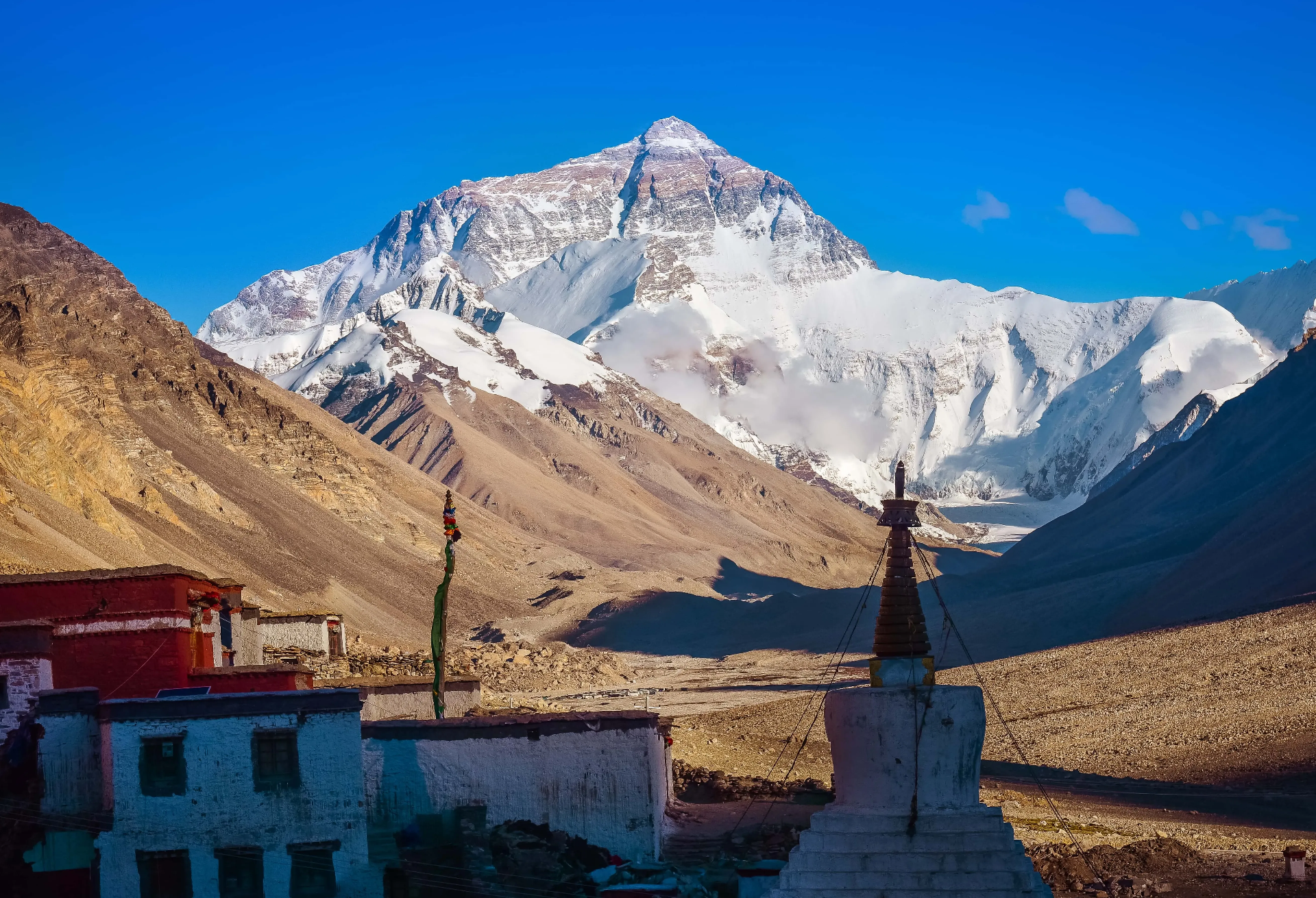
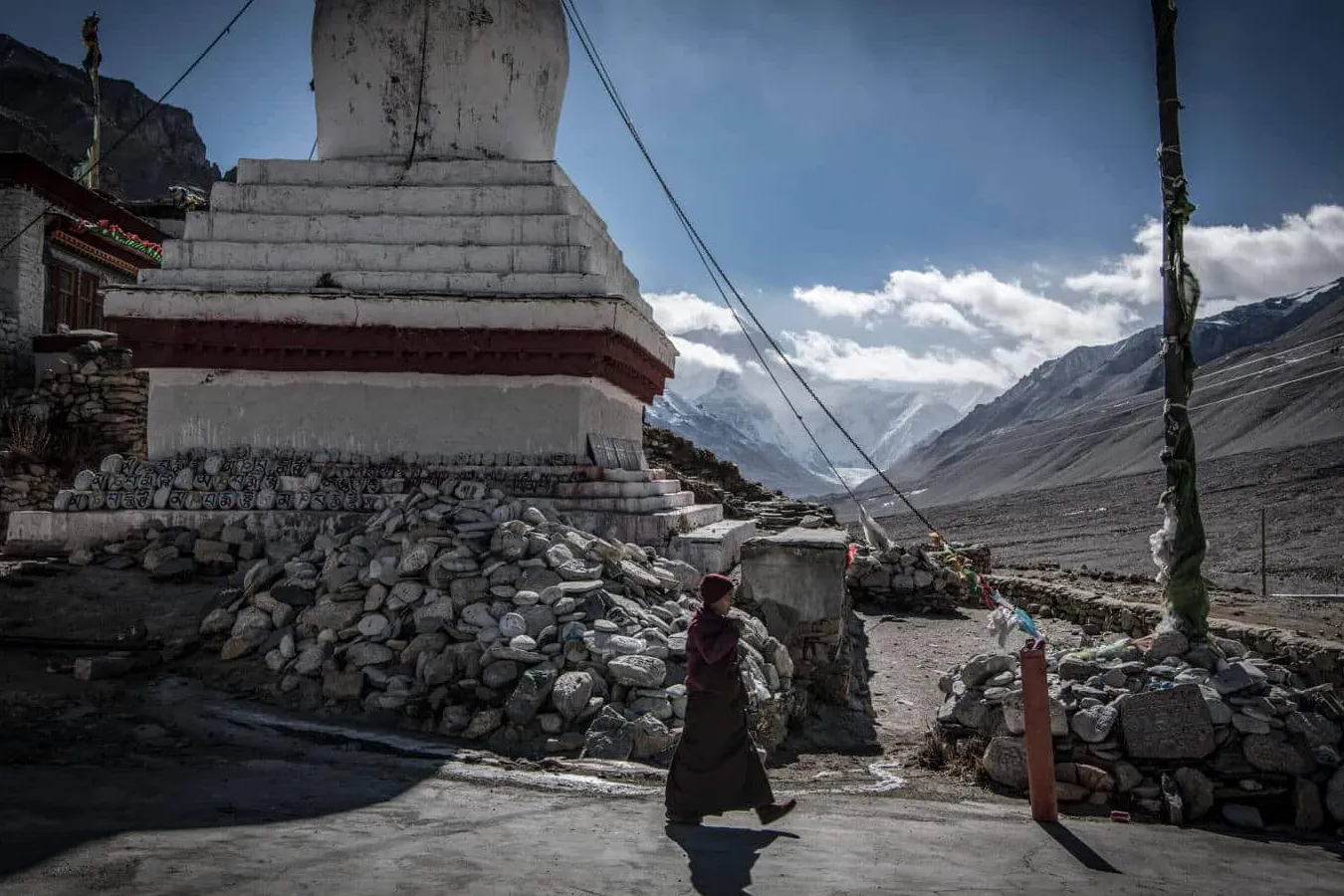
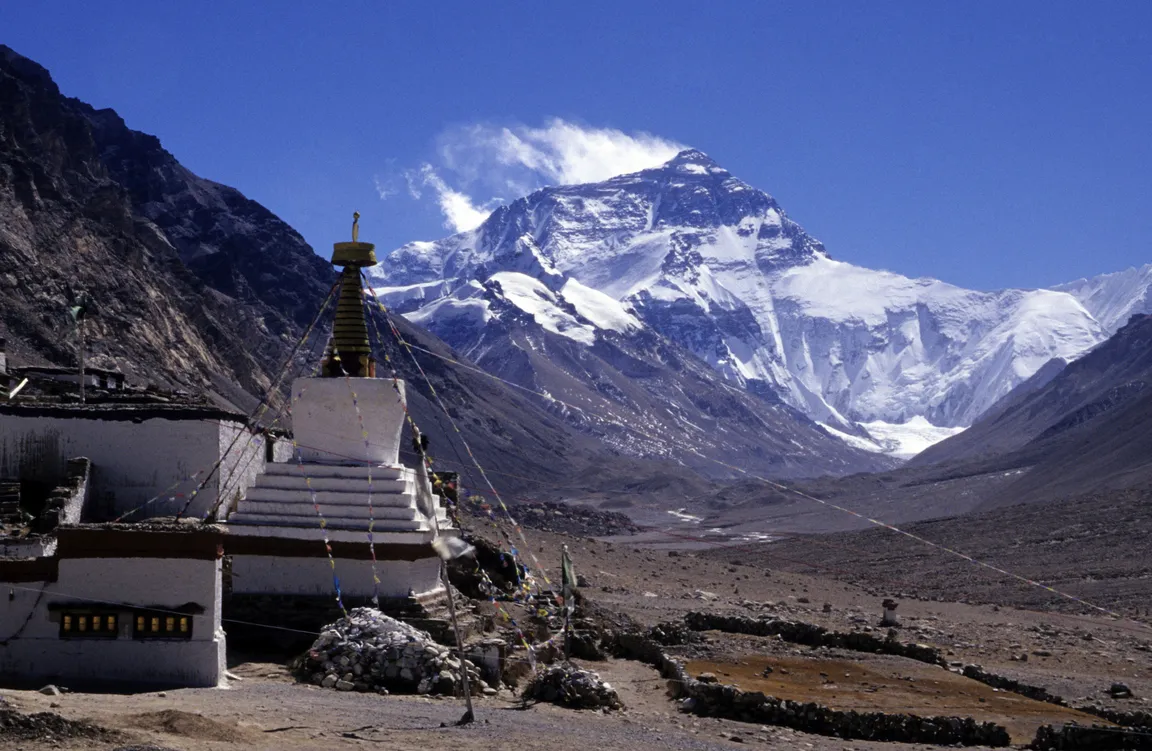
Discover Rongbuk Monastery on Mount Everest. A unique experience to learn about its history and significance.

✓ What guidebooks don't tell you
✓ Secrets other tourists miss
✓ Listen while you explore
Discover everything
00:00
00:00

📖 Audio Guide Chapters

6 chapters

1. The Englishman Who Mistook Monks for Nuns

🔒 Premium Content

Subscribe to access all chapters of this audio guide.

2. The Statue That Survived Hidden Under Yak Butter

🔒 Premium Content

Subscribe to access all chapters of this audio guide.

3. The Visionary Lama Who Dreamed of a Crystal Lake

🔒 Premium Content

Subscribe to access all chapters of this audio guide.

4. The Dalai Lama’s Magnifying Glass and the Explosive Photos

🔒 Premium Content

Subscribe to access all chapters of this audio guide.

5. The Cosmic Dragon Nobody Notices

🔒 Premium Content

Subscribe to access all chapters of this audio guide.

6. Listen to the Wind with New Ears

🔒 Premium Content

Subscribe to access all chapters of this audio guide.

❓ Frequently Asked Questions

1. What are the opening hours and how can I get to Rongbuk Monastery?

The monastery generally welcomes visitors during daylight hours, from **9:00 AM to 6:00 PM**, although schedules can be flexible due to its remote location. To get there, it is essential to hire a private driver or join an organized tour from Shigatse, as foreign tourists need special permits to access Tibet.

2. How much do tickets cost, or is there an entrance fee?

Admission to the monastery costs approximately **35 CNY (yuan)** per person, a symbolic price that helps maintain the site. Keep in mind that this cost is separate from the entrance fee to Qomolangma National Park, which is paid before reaching the monastery area.

3. How much time is recommended for the visit?

A visit of **1 to 2 hours** is recommended to explore the courtyard, the prayer halls, and take photographs of Everest. Due to the extreme altitude and cold, most visitors do not extend their stay much longer outside their accommodation.

4. What historical importance does Rongbuk Monastery have?

Founded in 1902 by the Nyingma sect, it holds the title of the **highest inhabited monastery in the world** at about 5,000 meters above sea level. It is a crucial spiritual center where monks and nuns live together, and it has historically served as a resting point for Everest expeditions.

5. What is the best time of year to visit and see the mountain?

The best times are **April, May, September, and October**, when the chances of clear skies are higher and Everest’s summit can be seen without clouds. Visiting early in the morning is recommended to avoid strong winds and afternoon cloud cover.

6. Is the monastery accessible for people with reduced mobility?

Unfortunately, **it is not an accessible site** due to the uneven mountain terrain, steep stairs, and lack of adapted infrastructure. In addition, the altitude of 5,000 meters presents a significant physical challenge that requires good health and prior acclimatization.

7. What other attractions are near Rongbuk Monastery?

The main attraction is **Everest Base Camp (North Face)**, located a few kilometers away and accessible by eco-buses from the monastery. You can also see the meditation caves on the nearby slopes, used by monks for spiritual retreats.

8. What practical advice should I know before going up?

Acclimatization is vital; spend at least a couple of days in Lhasa or Shigatse before ascending to avoid altitude sickness. Bring **high-quality thermal clothing**, strong sunscreen, and always keep cash on hand, as there are no ATMs in the area.

¿Prefieres escuchar en español?

🇪🇸 Escucha la audioguía de Rongbuk Monastery en español