No te vayas sin conocer la historia Suscribete
IAudioGuia iaudioguia
Audio Guides of Jiuzhaigou

Audio Guide of Zechawa Valley

A breathtaking natural landscape of valleys and colorful lakes, home to rich biodiversity and Tibetan culture.

✓ What guidebooks don't tell you
✓ Secrets other tourists miss
✓ Listen while you explore
Discover everything
00:00
00:00

📖 Audio Guide Chapters

6 chapters

1. Introduction and History

🔒 Premium Content

Subscribe to access all chapters of this audio guide.

2. Geological Formations and Natural Features

🔒 Premium Content

Subscribe to access all chapters of this audio guide.

3. Ecosystems and Biodiversity

🔒 Premium Content

Subscribe to access all chapters of this audio guide.

4. Tibetan Culture and Traditions

🔒 Premium Content

Subscribe to access all chapters of this audio guide.

5. Curiosities and Legends

🔒 Premium Content

Subscribe to access all chapters of this audio guide.

6. Cultural Importance and Legacy

🔒 Premium Content

Subscribe to access all chapters of this audio guide.

❓ Frequently Asked Questions

What are the visiting hours for Zechawa Valley and how can I get there?

Zechawa Valley is located within Jiuzhaigou National Park, which generally opens from 8:00 AM to 5:00 PM. To get there, you will need to take the park’s internal tourist buses from the main entrance, which will take you directly to the points of interest in this valley. I recommend checking the specific schedules on the official website for your visit date: Jiuzhaigou Official Website.

How much does admission to Zechawa Valley cost, and are any discounts available?

Admission to Zechawa Valley is not paid separately; it is included in the Jiuzhaigou National Park entrance ticket. Prices vary depending on the season (high or low). Discounts are generally available for students, people over 60, and children. You can check updated rates and possible discounts on this page: Jiuzhaigou Ticket Prices.

How much time should I set aside to visit Zechawa Valley properly?

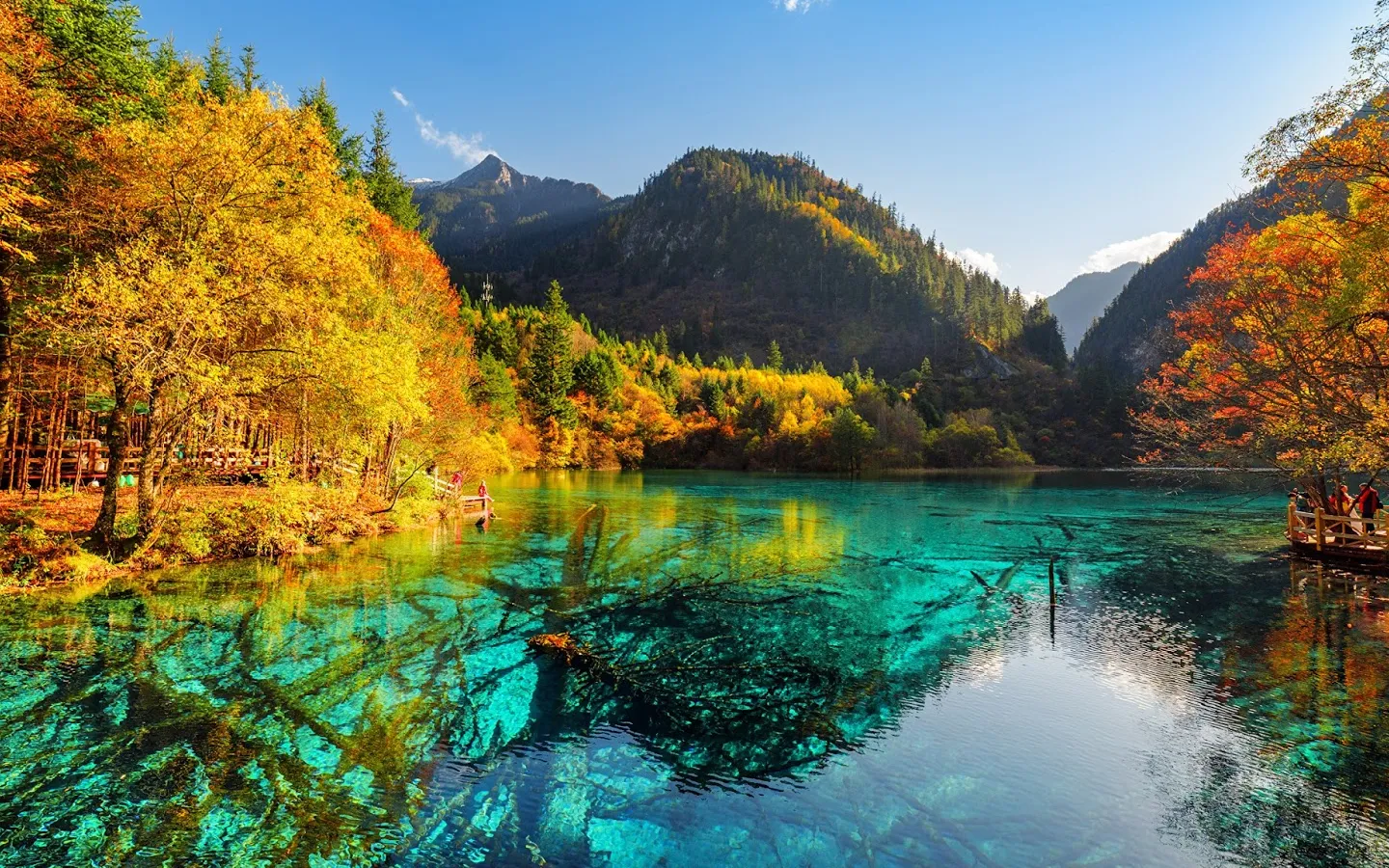
To explore Zechawa Valley and its stunning lakes, especially Long Lake and the Five-Color Lake, I recommend setting aside at least half a day, around 3 to 4 hours. If you enjoy walking and taking photographs at a relaxed pace, you could extend it to 5 hours. Jiuzhaigou is large, so plan your itinerary well so you do not miss anything.

What makes Zechawa Valley so special? Does it have any particular history or meaning?

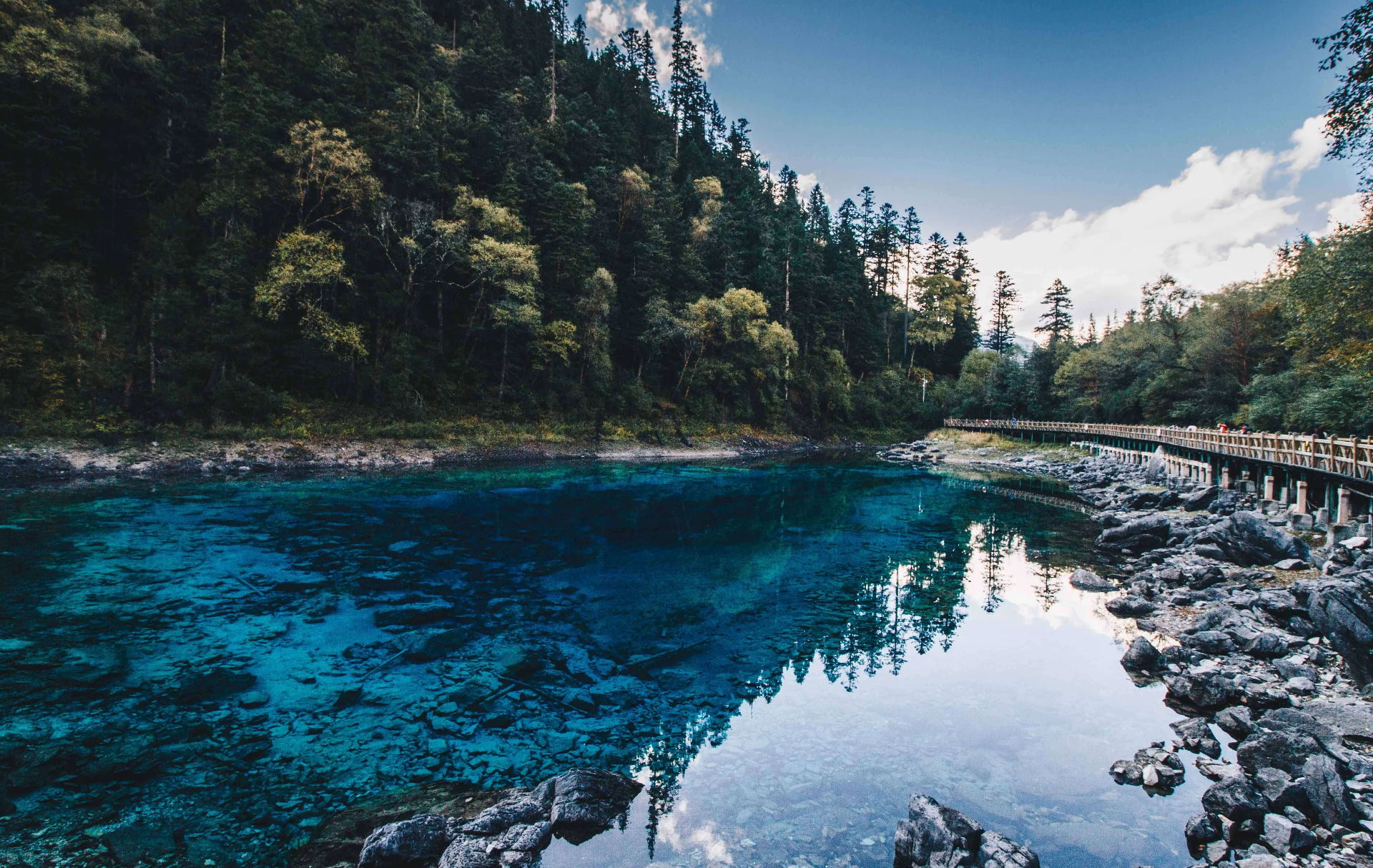
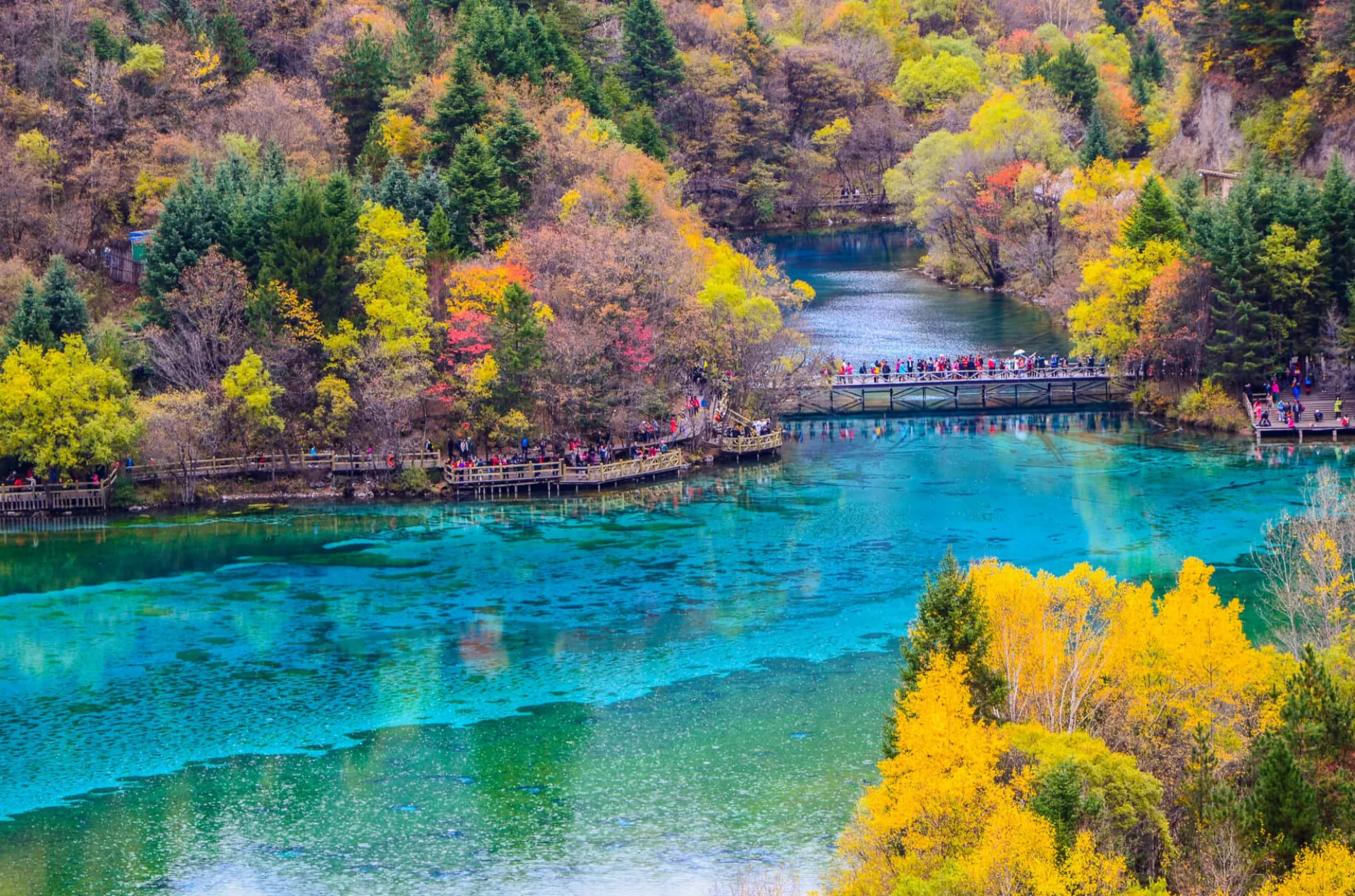
Zechawa Valley, together with the other valleys of Jiuzhaigou, is a UNESCO World Heritage Site, valued for its exceptional natural beauty and unique ecosystem. It is associated with legends of colorful dragons and fairies, and it is a sacred place for local Tibetans. Its turquoise, blue, and emerald-green waters are the result of minerals and vegetation, creating an almost unreal landscape that has inspired poets and artists for centuries.

What is the best time of year and best time of day to visit Zechawa Valley and capture its colors?

The best time to visit Zechawa Valley is during autumn (September and October), when the surrounding forests turn red and gold, creating a spectacular contrast with the blue of the lakes. Spring (April and May) is also beautiful. For the best photos, try to go early in the morning to avoid crowds and enjoy softer light, or late in the afternoon, when the sun illuminates the lakes in a magical way.

Is Zechawa Valley accessible for people with reduced mobility or wheelchairs?

Jiuzhaigou National Park, including Zechawa Valley, has infrastructure designed to be accessible. There are tourist buses connecting the main points, and many boardwalks are flat or have ramps. However, some areas may have steps or uneven ground. I recommend contacting the park directly for detailed accessibility information for your specific situation: +86-837-7739500.

Are there other interesting attractions near Zechawa Valley that I can visit on the same day?

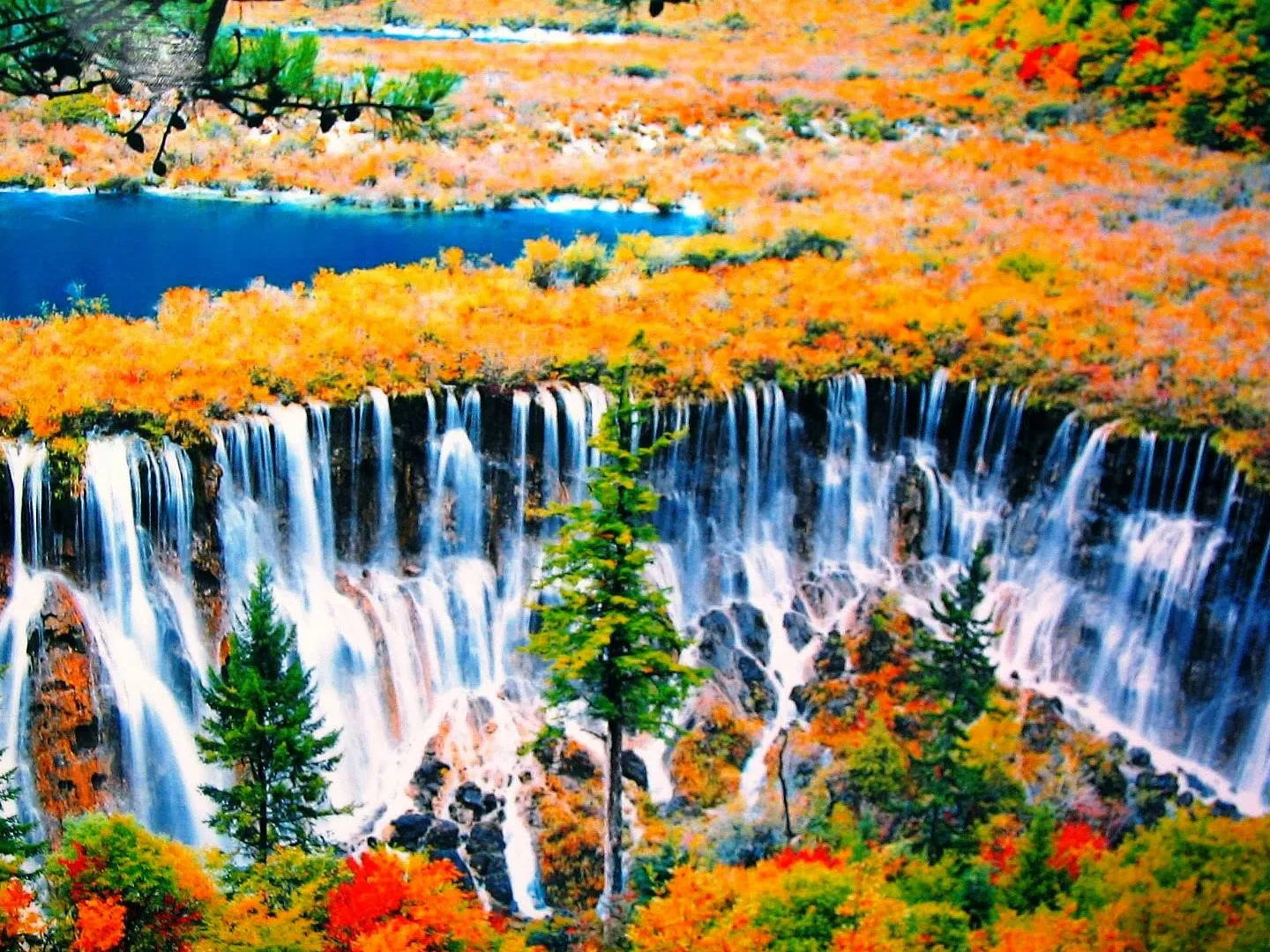
Absolutely. Zechawa Valley is one of the three main valleys of Jiuzhaigou. Within the same park, do not miss Rize Valley, famous for its waterfalls (such as Nuorilang Waterfall) and stepped lakes, or Shuzheng Valley, with its monastery and groups of lakes. You could spend a full day exploring the entire park, prioritizing the places that interest you most in each valley.

What practical tips would you give me to make the most of my visit to Zechawa Valley?

Of course, here are some tips: wear comfortable walking shoes, bring layers because the temperature can vary, and do not forget your camera and an extra battery. Pack some snacks and water, although there are shops in the park. Most importantly, respect the natural environment, do not leave any trash, and stay on the marked paths. Enjoy the magic of this unique place!

¿Prefieres escuchar en español?

🇪🇸 Escucha la audioguía de Zechawa Valley en español