No te vayas sin conocer la historia Suscribete
IAudioGuia iaudioguia
Audio Guides of Chengdu

Audio Guide of Kuan and Zhai Alleys

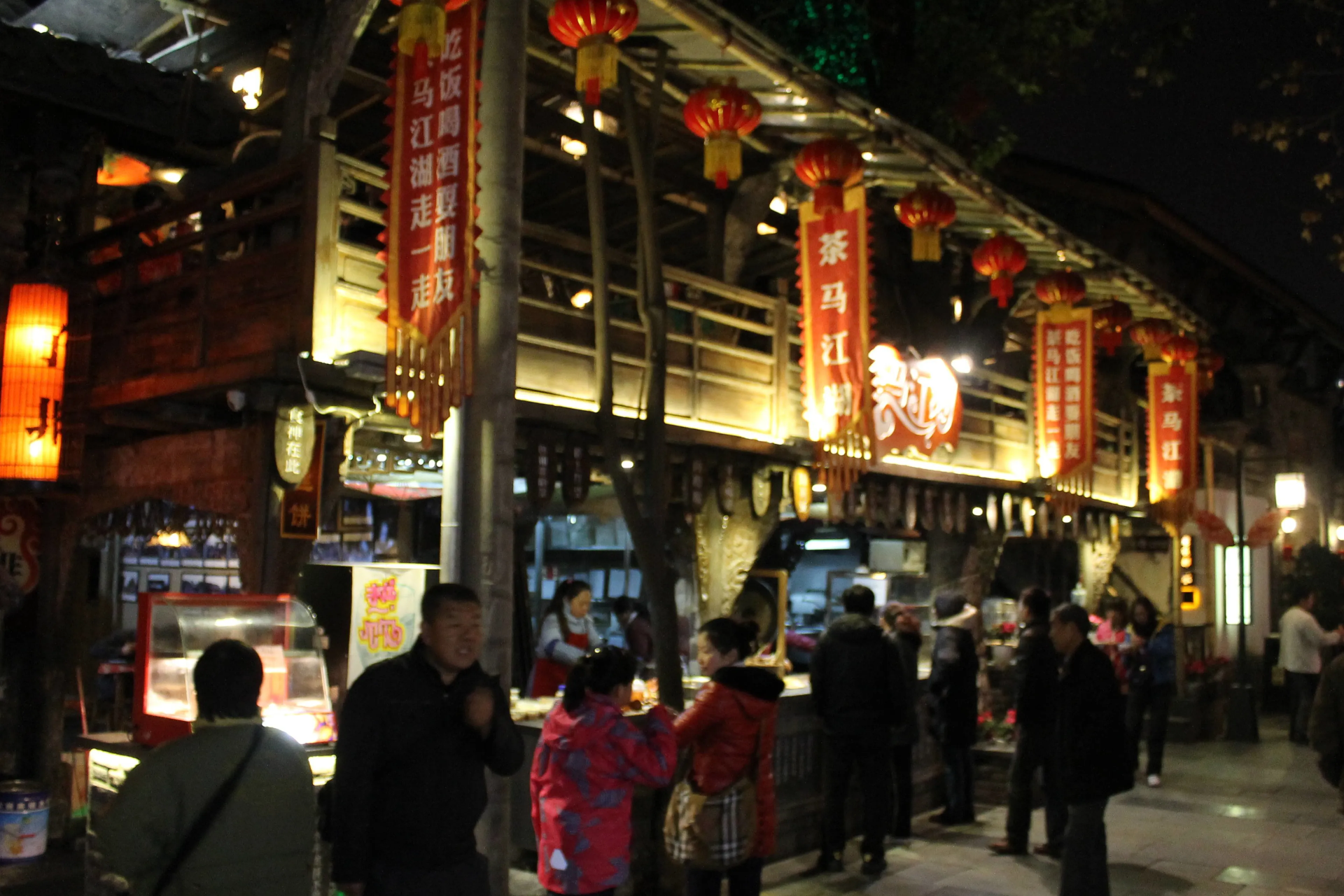
Donde los generales Qing bebían té y las viudas tejían conspiraciones, ahora Instagram vive su fiesta perpetua.

✓ What guidebooks don't tell you
✓ Secrets other tourists miss
✓ Listen while you explore
Discover everything
00:00
00:00

📖 Audio Guide Chapters

6 chapters

1. When Chengdu almost erased it from the map

🔒 Premium Content

Subscribe to access all chapters of this audio guide.

2. The well that saved lives and ruined marriages

🔒 Premium Content

Subscribe to access all chapters of this audio guide.

3. The perfume of widows and the tree of impossible love

🔒 Premium Content

Subscribe to access all chapters of this audio guide.

4. The panda manholes and the scandal that shook tea to its core

🔒 Premium Content

Subscribe to access all chapters of this audio guide.

5. Cannon traces beneath the cobblestones and bat-like ghosts

🔒 Premium Content

Subscribe to access all chapters of this audio guide.

6. How to leave without losing your soul, or your wallet

🔒 Premium Content

Subscribe to access all chapters of this audio guide.

❓ Frequently Asked Questions

What time do Kuan and Zhai Alleys open, and can you walk around at any time?

Kuan and Zhai Alleys (Kuanzhai Alley) are open to the public 24 hours a day. It is an urban district with shops and restaurants, so you can stroll around whenever you like. Most businesses open from 9:00 AM until late at night, some even staying open very late. There is no formal entrance or gate.

Do you have to pay to enter Kuan and Zhai, or is it free?

It is completely free! There is no admission fee to walk through Kuan and Zhai Alleys. You only need to pay for what you consume in restaurants, souvenir shops, or for any show you choose to watch. You can stroll, admire the architecture, and soak up the atmosphere at no cost.

How much time is recommended for visiting Kuan and Zhai so you do not miss anything?

To fully enjoy Kuan and Zhai Alleys, I recommend setting aside between 2 and 3 hours. This gives you enough time to walk through the three main lanes, browse a few shops, enjoy tea in a traditional teahouse, and perhaps try some local snacks. If you plan to have dinner or watch a performance, allow more time.

What is the history behind Kuan and Zhai Alleys? Why are they so famous?

Kuan and Zhai Alleys, whose name means 'Wide and Narrow Alleys,' date back to the Qing dynasty and were originally a military settlement. They are famous for being one of the few well-preserved traditional architectural districts in Chengdu, showcasing courtyard houses and local lifestyle. Today they are a symbol of Chengdu's leisure culture and a meeting point between tradition and modernity.

What is the best time of day or year to visit Kuan and Zhai to avoid crowds and enjoy it more?

The best time to visit Kuan and Zhai is during the week, preferably early in the morning (before 10:00 AM) or in the late afternoon, just before dusk. That way you can experience both the daytime calm and the vibrant nighttime atmosphere. As for the best season, spring (March to May) and autumn (September to November) offer more pleasant and less humid weather. Weekends and public holidays are usually very crowded.

Is Kuan and Zhai accessible for people using wheelchairs or strollers?

In general, Kuan and Zhai Alleys are quite accessible. The main walkways are flat and paved, suitable for wheelchairs and strollers. However, some shops or traditional teahouses may have small steps at the entrance. Public restrooms are also usually adapted. Here is more information about accessibility in Chengdu: Chengdu Public Transport (TravelChinaGuide)

What other nearby attractions can you visit after walking through Kuan and Zhai?

After Kuan and Zhai, you have several interesting nearby options. Within walking distance you will find People's Park (Renmin Park), perfect for experiencing local tea culture and watching locals dance or play mahjong. Another nearby place is Wuhou Temple and Jinli Ancient Street, which, although a bit farther away, offers a deeper immersion into the history of the Three Kingdoms and more traditional atmosphere. Both are a short taxi or metro ride away.

Any practical tips to make the most of a visit to Kuan and Zhai Alleys?

Absolutely! I suggest trying ear cleaning, a unique Chengdu experience that you will find there. Also, do not miss the chance to enjoy a cup of tea in one of the traditional teahouses with Sichuan opera performances, including face-changing. Wear comfortable shoes for walking, and if you plan to buy souvenirs, do not hesitate to bargain a little. Keep an eye out for street performers and the aromas of local food. And if you get the chance, check the TravelChinaGuide page on Kuanzhai Alley for more details.

¿Prefieres escuchar en español?

🇪🇸 Escucha la audioguía de Kuan and Zhai Alleys en español