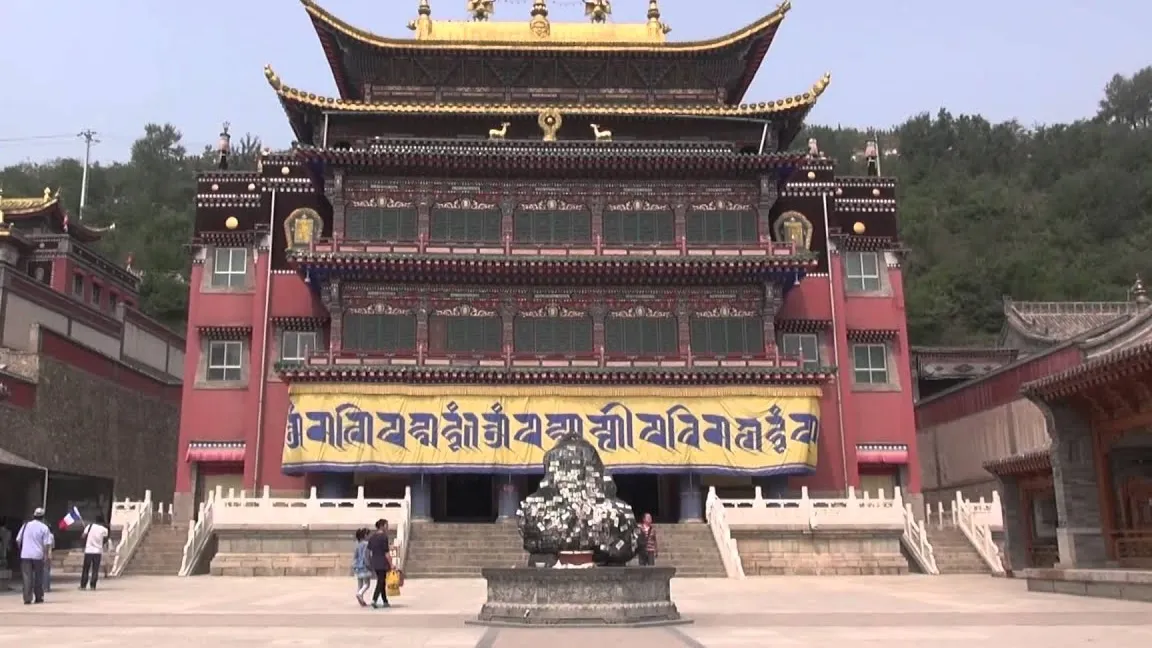
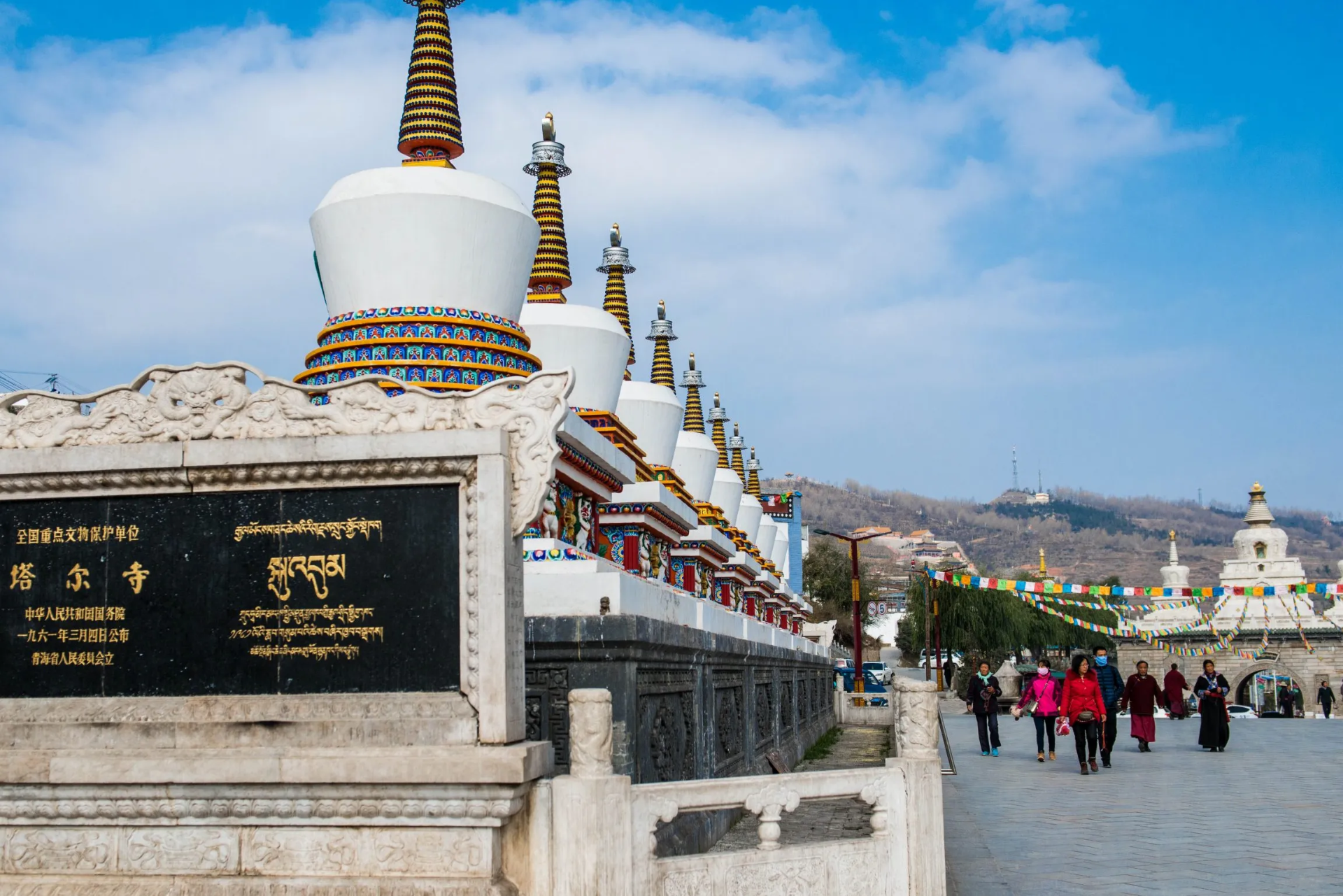
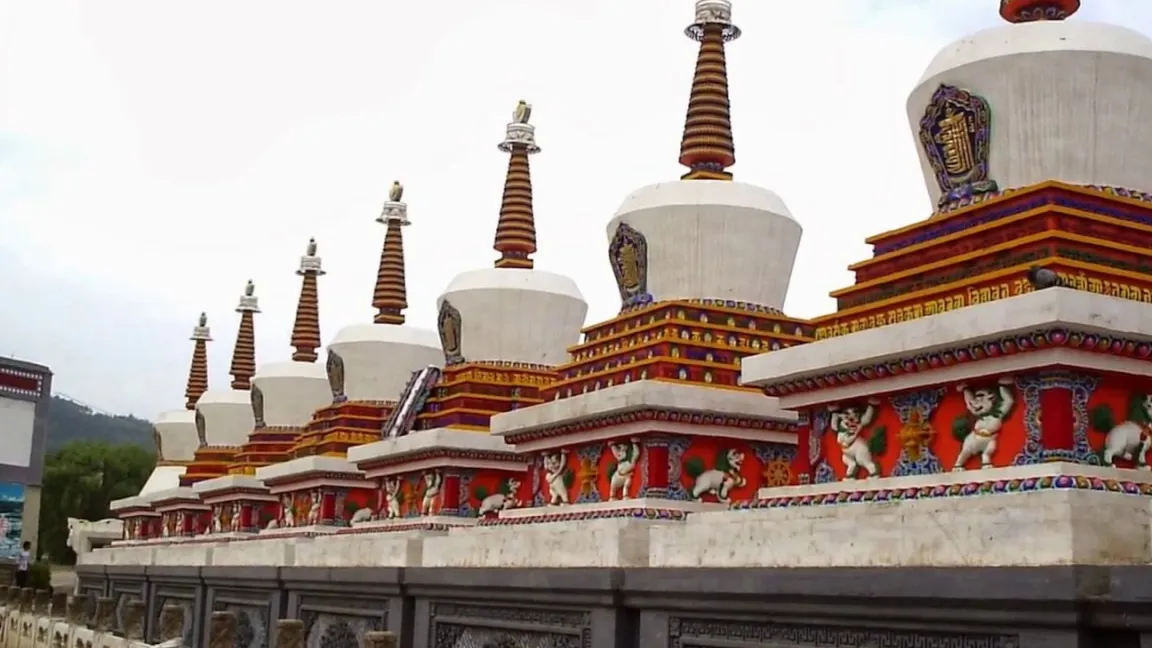
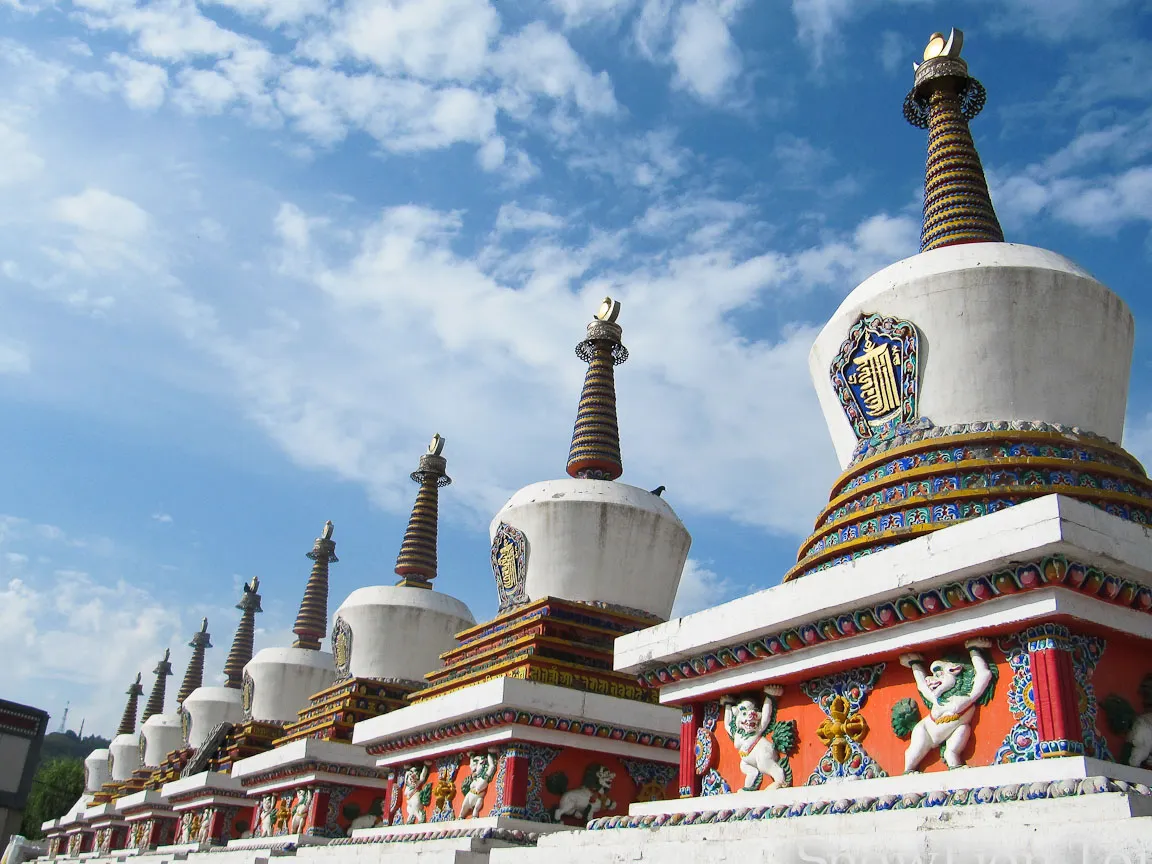
Donde los muros tienen más secretos que un monasterio tibetano tiene escalones (y créenos, son 9.500 escalones).
The monastery is open daily from 8:00 AM to 6:00 PM. From Xining, take a taxi (about 30 minutes, 100-150 CNY) or Bus 1 from Xining Station to Lushaer. More info at Trip.com.
Admission costs 70 CNY for adults and 35 CNY for children and students. There are no senior discounts, but check for updates on the official website or travel apps.
Plan for 2-3 hours to explore the main temples, the bodhi tree, and the murals. If you are interested in detailed architecture, allow up to 4 hours.
Founded in 1583 by the Third Dalai Lama, it is one of the six great Gelug monasteries of the Tibetan tradition and is famous for its yak butter bodhi tree, commemorating the birth of Tsongkhapa. It is a key center of Tibetan Buddhism in China. Details at Wikipedia.
Spring (April-June) and autumn (September-October) are ideal thanks to mild weather and fewer tourists. Go early in the morning to avoid crowds and enjoy the natural light in the temples.
There are many stairs and steep paths, so it is not very accessible for wheelchairs. Assistance is recommended, or you can stick to the lower areas; check with on-site staff for limited options.
Nearby are Qinghai Lake (1.5 hours by car) and the city of Xining with its Great Mosque and Provincial Museum. You can combine it with a day tour from Xining.
Bring water, sunscreen, and comfortable walking clothes; respect Buddhist rules (no photos in certain temples). Hire a local guide for explanations in English and download an audio guide at IAudioguia to enrich the experience.
¿Prefieres escuchar en español?
🇪🇸 Escucha la audioguía de Kumbum Monastery en español