El lago sagrado donde Mao quiso plantar patatas y las aves montan la fiesta más loca de China: ¿te atreves a descubrir sus secretos azules?
Qinghai Lake is a natural wonder open to the public 24 hours a day. However, service areas and certain scenic spots have specific hours, generally from 8:00 AM to 6:00 PM. To get there, the most common option is to take a bus from Xining to the Erlangjian or Bird Island areas, or hire a private car for greater flexibility and comfort. I recommend checking the specific hours of the areas you want to visit on Xining's official tourism website.
While access to the lake itself is free, several scenic areas around Qinghai Lake do charge admission fees. For example, the Erlangjian Scenic Area and Bird Island usually cost around 100-120 CNY each. I suggest checking updated prices at the ticket offices or in local travel guides before your visit to avoid surprises.
To fully enjoy Qinghai Lake and its main highlights, such as Erlangjian or Bird Island, I suggest setting aside at least one full day. If you enjoy nature and outdoor activities, you might even consider spending two days to explore at a more relaxed pace and enjoy a spectacular sunset or sunrise. Distances are large, so plan your route well.
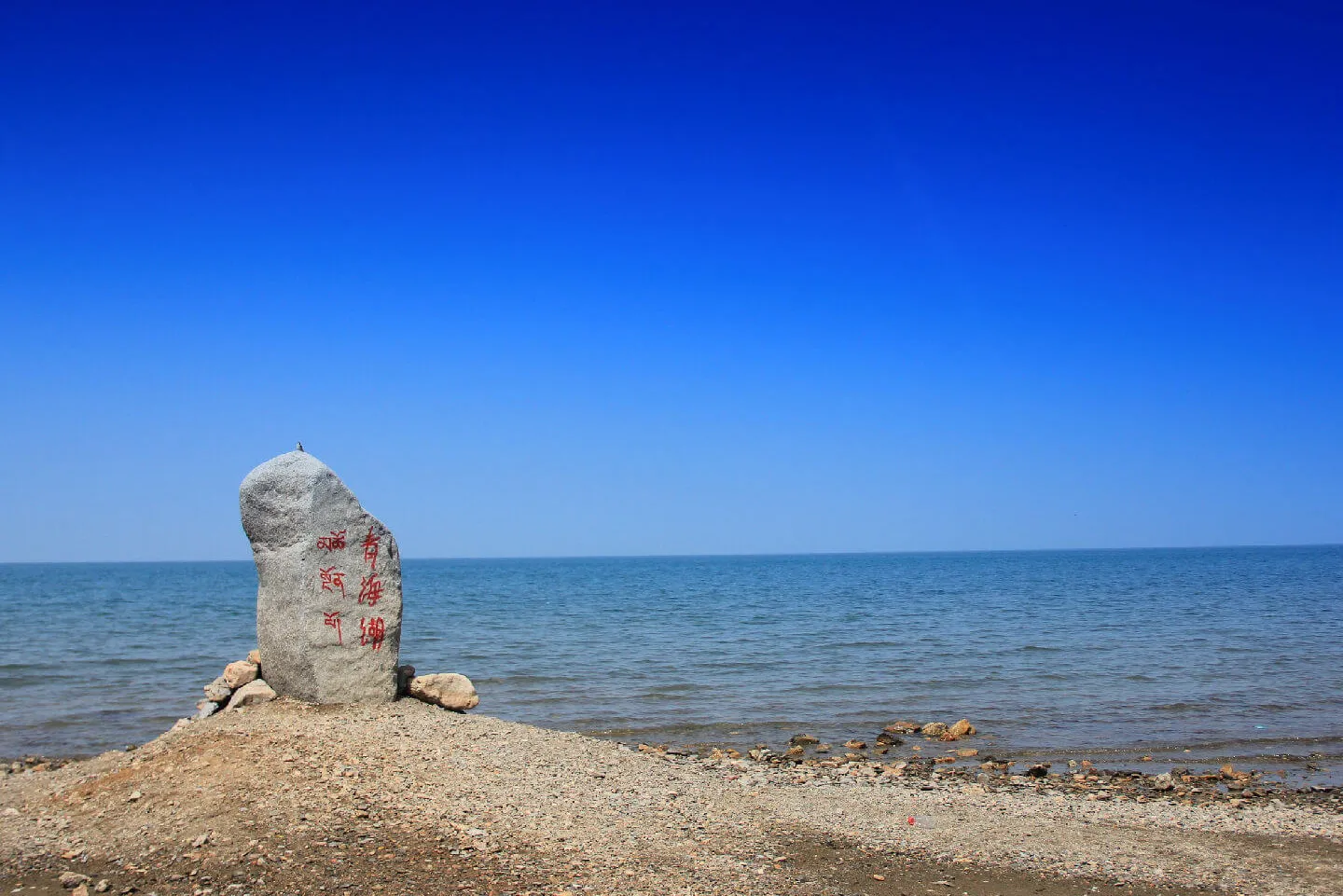
Qinghai Lake is the largest lake in China and the country's largest saltwater lake, with a rich natural and cultural history. It is a sacred place for Tibetans, who consider it the 'Blue Sea,' and it is an important habitat for migratory birds, especially on Bird Island. It was also a crucial stop on ancient trade routes, connecting with the Silk Road.
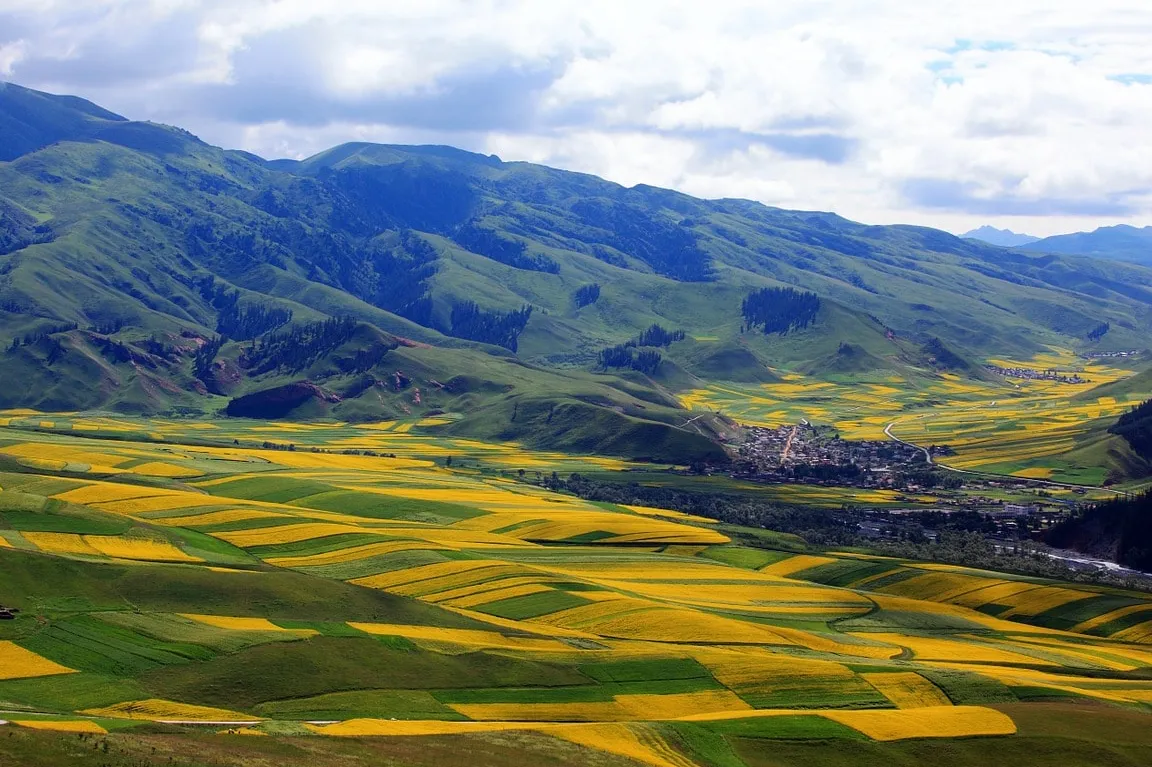
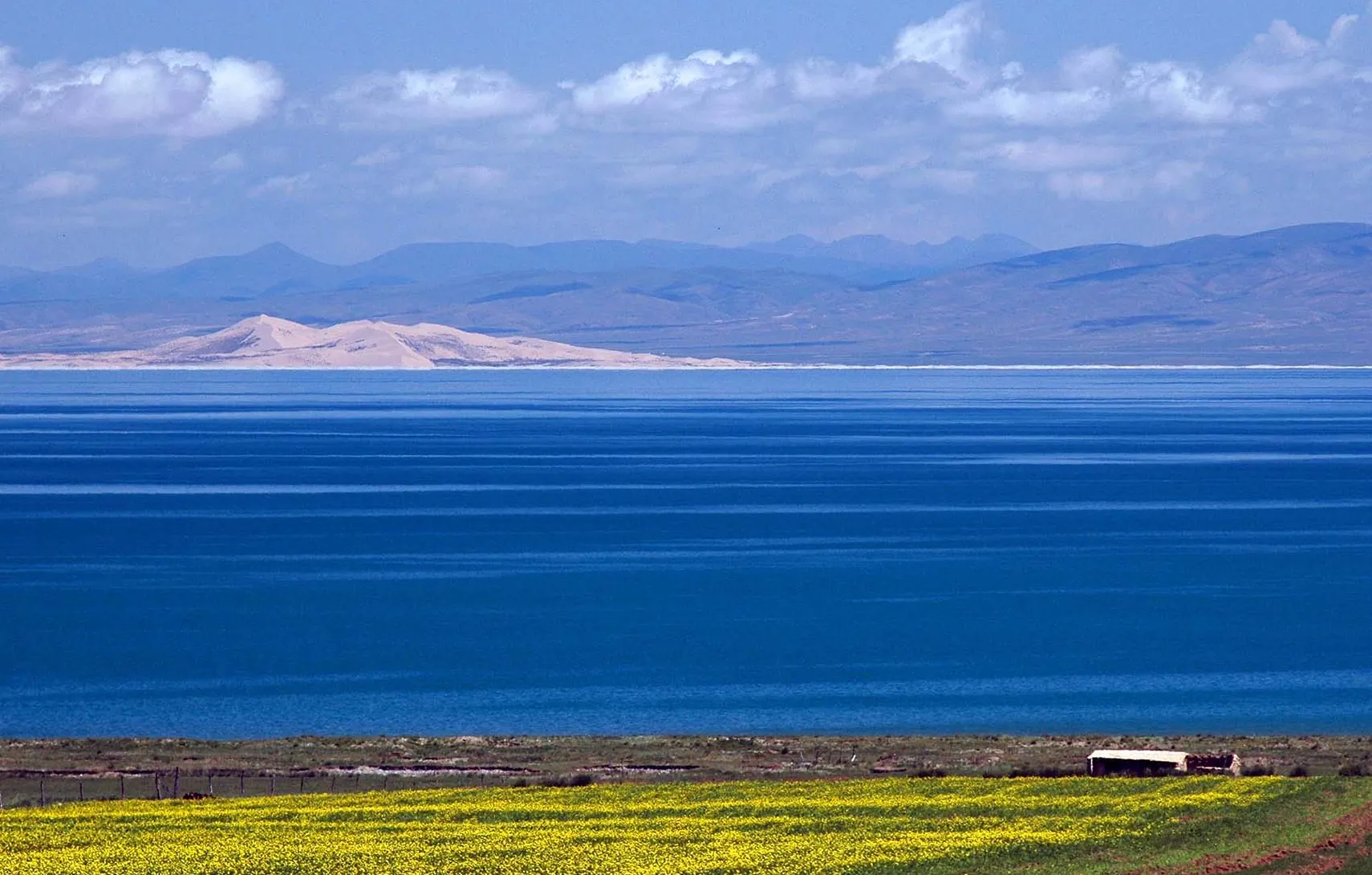
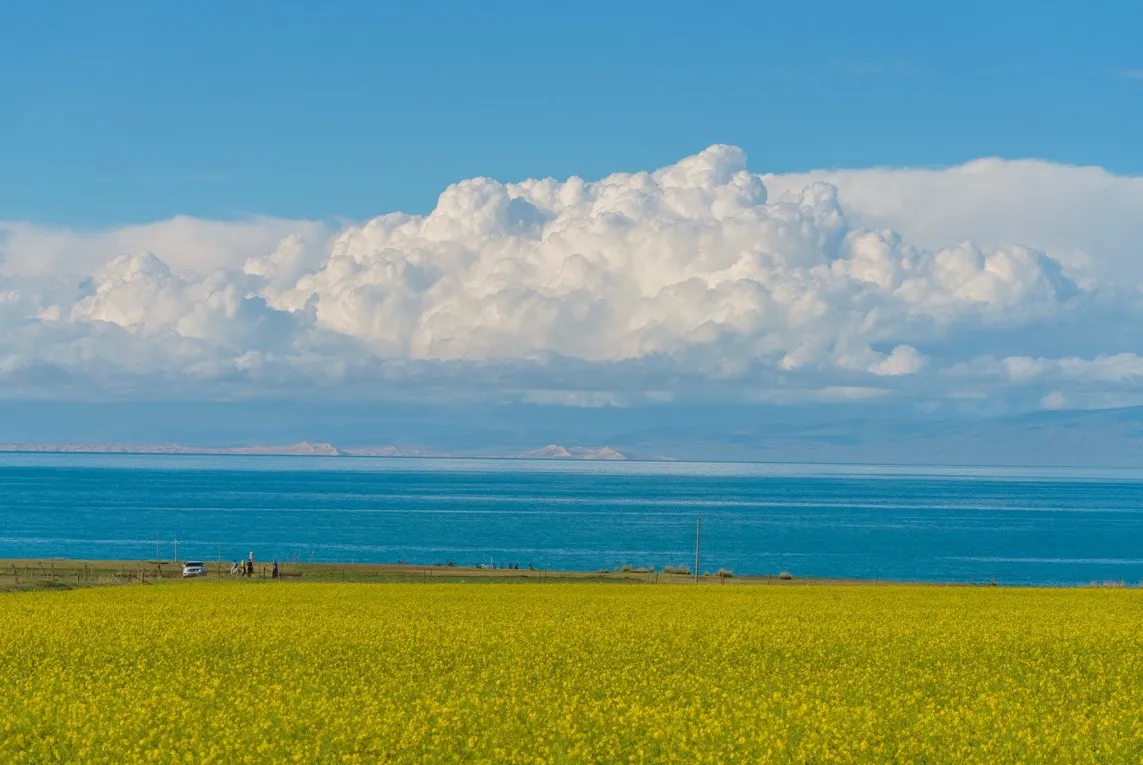
The best time to visit Qinghai Lake is definitely between June and September. During these months, the weather is milder and more pleasant, making it ideal for enjoying the landscapes and outdoor activities. July and August are especially popular because the surrounding rapeseed flower fields are in full bloom, creating an impressive visual spectacle. Avoid winter, as it can be extremely cold.
Accessibility at Qinghai Lake can vary. The main service areas and the more developed scenic spots, such as Erlangjian, usually have paved paths and some wheelchair-friendly facilities. However, other less developed areas or natural trails may present difficulties. If you have specific needs, I recommend contacting local tour operators or park authorities in advance to get detailed information about the route you plan to take.
Absolutely! While in Xining, you should not miss Kumbum Monastery, one of the six great Gelug monasteries of Tibet and the birthplace of Tsongkhapa. You can also visit Qilian Mountain National Park if you enjoy hiking and mountain scenery. The city of Xining itself also has interesting markets and temples to explore.
Of course! First, bring warm clothing, even in summer, as the altitude can cause sudden temperature changes. Use sunscreen and sunglasses because of the high UV intensity. Consider renting a bicycle to explore some areas, and enjoy a boat ride if you want a different perspective. And do not forget your camera to capture the incredible landscapes!
¿Prefieres escuchar en español?
🇪🇸 Escucha la audioguía de Qinghai Lake en español