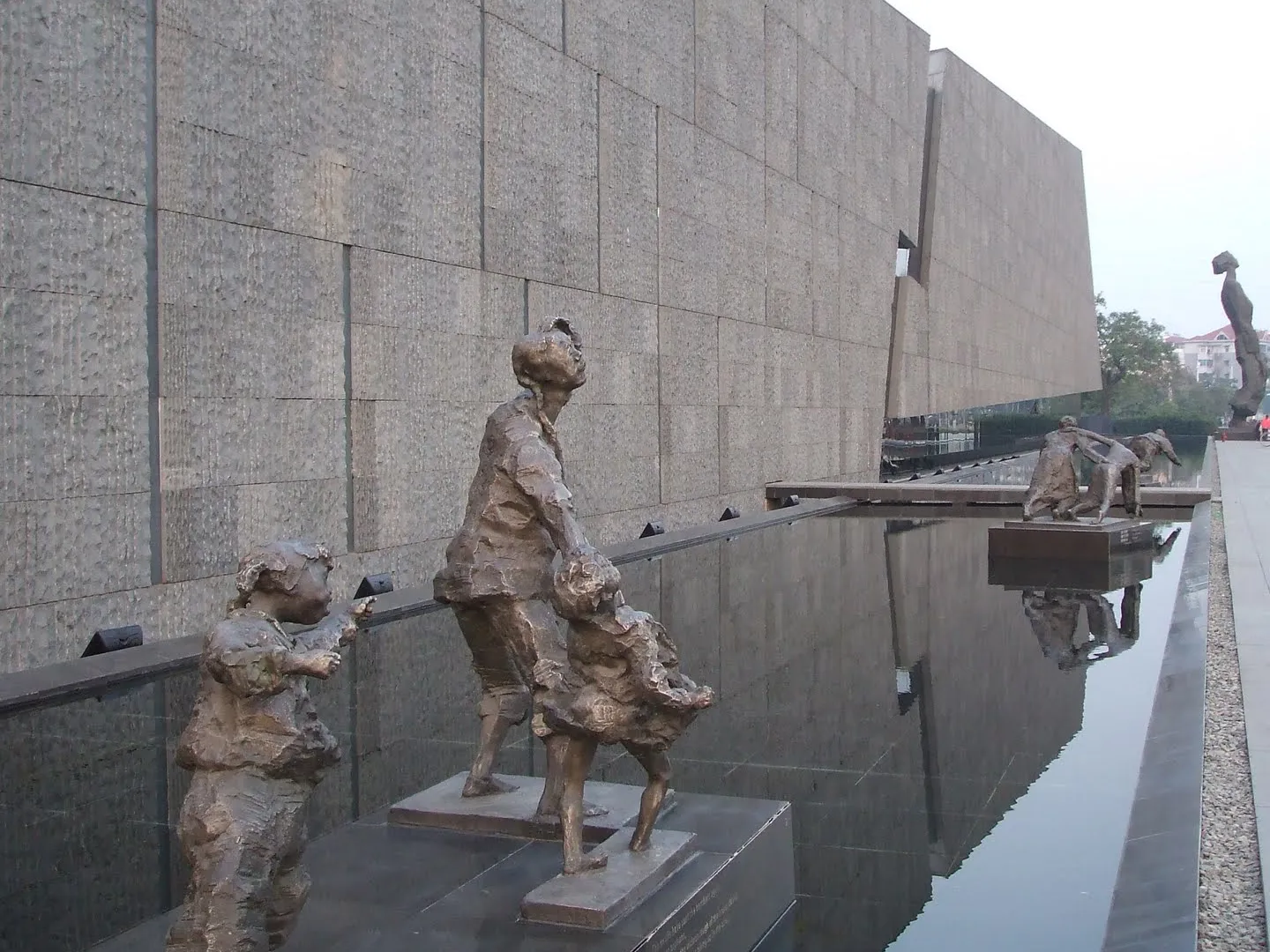
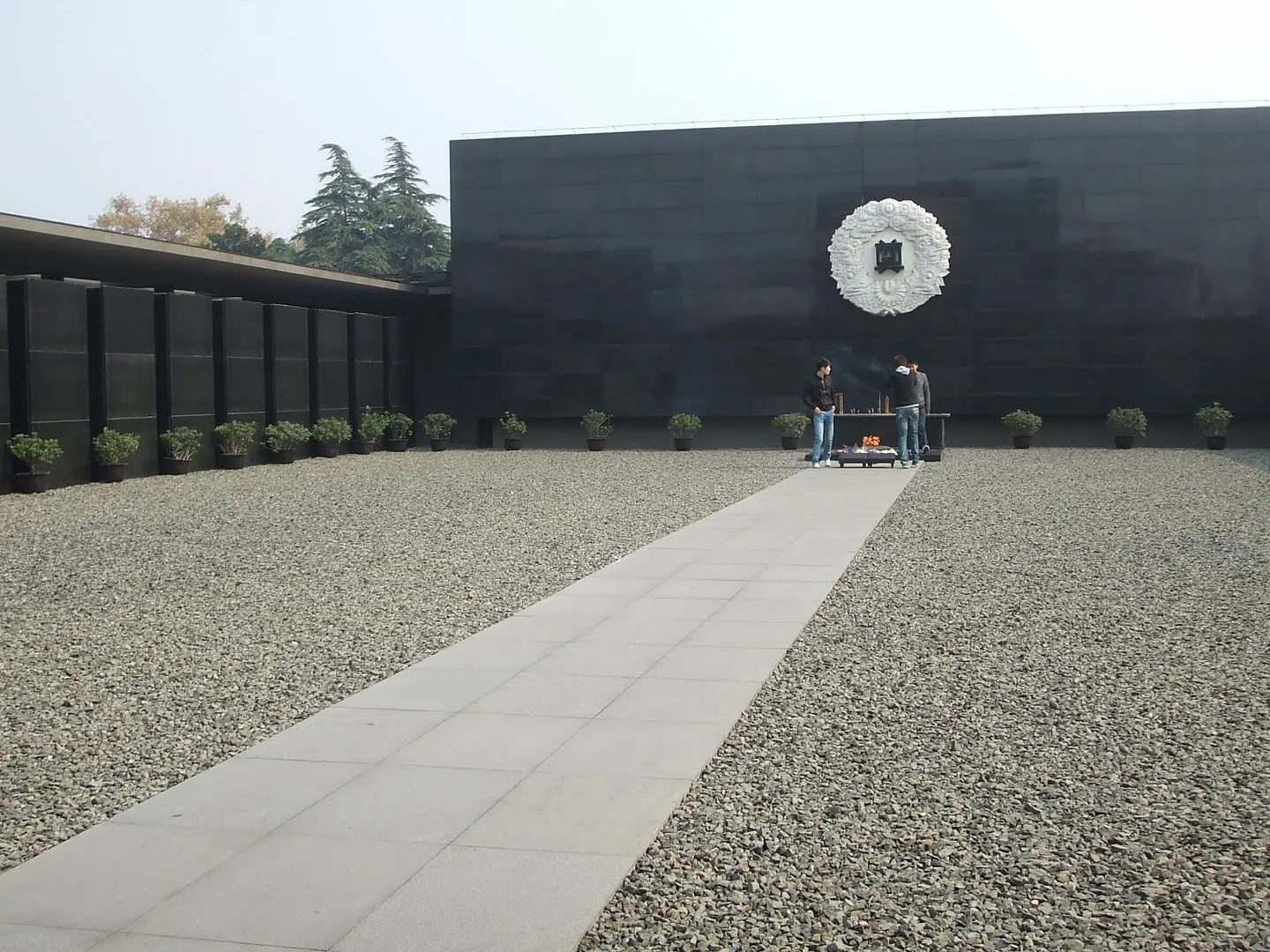
Entra en las sombras de 1937, donde un puñado de héroes cotidianos desafiaron al horror y salvaron miles de almas en la ciudad que el mundo quiso olvidar.
The Memorial Hall of the Victims in Nanjing Massacre by Japanese Invaders has specific opening hours, and it is important to check them before your visit. It is generally open from Tuesday to Sunday, from 8:30 a.m. to 4:30 p.m., and closed on Mondays (except public holidays). Although admission is usually available without advance booking, for special occasions or large groups it may be advisable to check the official website or call ahead to confirm.Visit the official website for more details.
Admission to the Memorial Hall of the Victims in Nanjing Massacre by Japanese Invaders is free for all visitors, allowing universal access to this important historical site. However, there may be additional charges for audio guides or special temporary exhibitions. I recommend checking the latest updates on its website.
To fully understand the significance and depth of the exhibition at the Memorial Hall of the Victims in Nanjing Massacre by Japanese Invaders, it is recommended to allow at least 2 to 3 hours. It is a place for deep reflection, with a great deal of informative material and exhibitions to explore at a calm pace.You can read reviews from other visitors on TripAdvisor.
This museum commemorates and documents one of the most tragic episodes of 20th-century history: the Nanjing Massacre, which took place during the Second Sino-Japanese War in 1937. It serves as a reminder of the atrocities of war and pays tribute to the victims, promoting peace and condemning such acts. It is a vital place of historical memory.
For a quieter experience, I suggest visiting the museum early in the morning, just after opening, or late in the afternoon, before closing. Weekdays are usually less crowded than weekends. Avoid Chinese public holidays, as visitor numbers are significantly higher.
The Memorial Hall of the Victims in Nanjing Massacre by Japanese Invaders is designed to be as accessible as possible. It has ramps, elevators, and adapted restrooms for people with reduced mobility and wheelchair users, ensuring that everyone can access the exhibitions. If you have any specific needs, I recommend contacting the museum directly to confirm.
After such an introspective visit, you might consider exploring the Sun Yat-sen Mausoleum, the Nanjing Presidential Palace, or taking a walk along the Qinhuai River, which offer a different perspective on the history and culture of Nanjing. These places are within a reasonable distance and are excellent for complementing your experience in the city.Learn more about Nanjing on Wikipedia.
Yes, wear comfortable shoes, as there is a lot of walking, and be prepared for an emotional experience. Remain quiet and respectful at all times, and avoid flash photography in restricted areas. Consider bringing a small bottle of water and a handkerchief. Give yourself time for reflection; it is a place of profound historical significance.
¿Prefieres escuchar en español?
🇪🇸 Escucha la audioguía de the Memorial Hall of the Victims in Nanjing Massacre by Japanese Invaders en español