No te vayas sin conocer la historia Suscribete
IAudioGuia iaudioguia
Audio Guides of Wuhan

Audio Guide of Qintai Cultural and Artistic Center

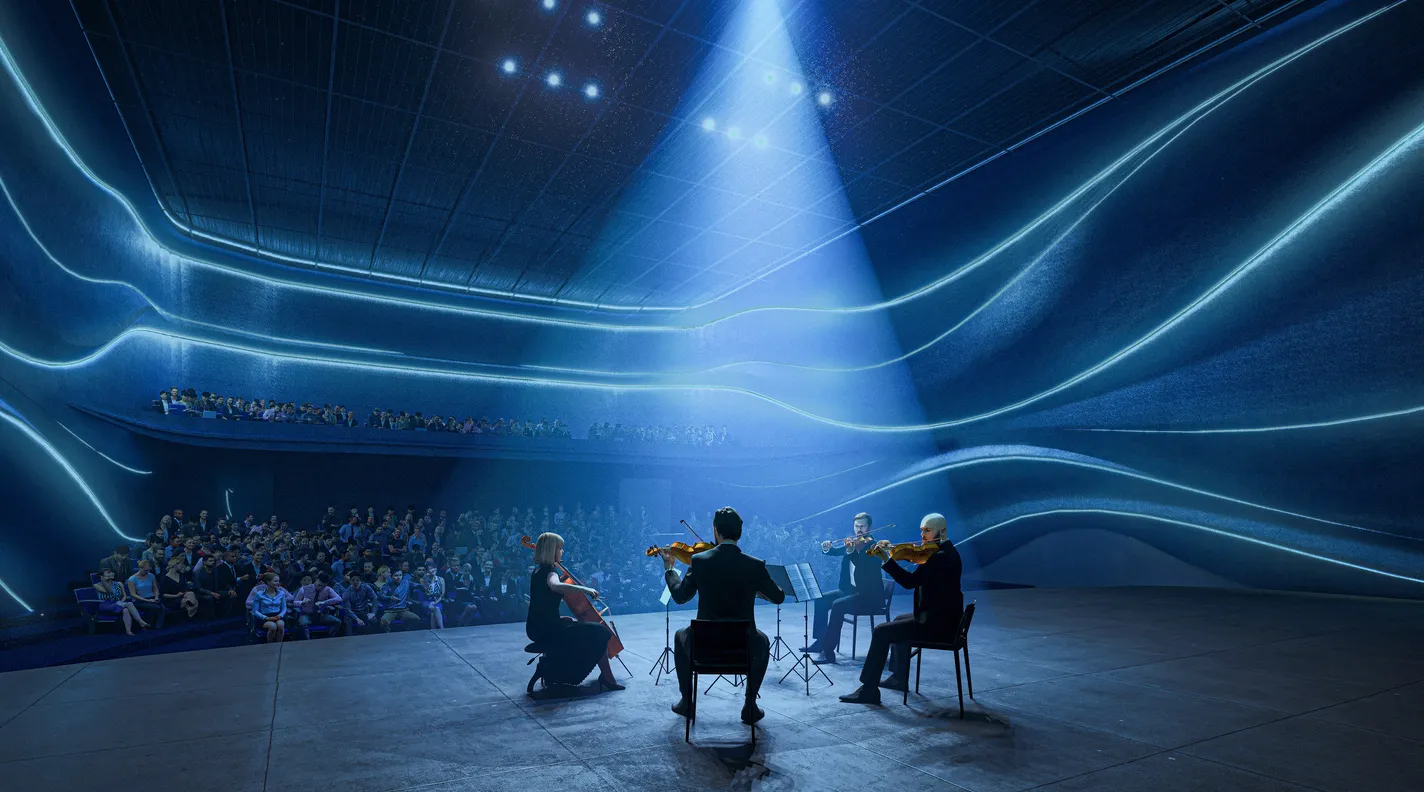
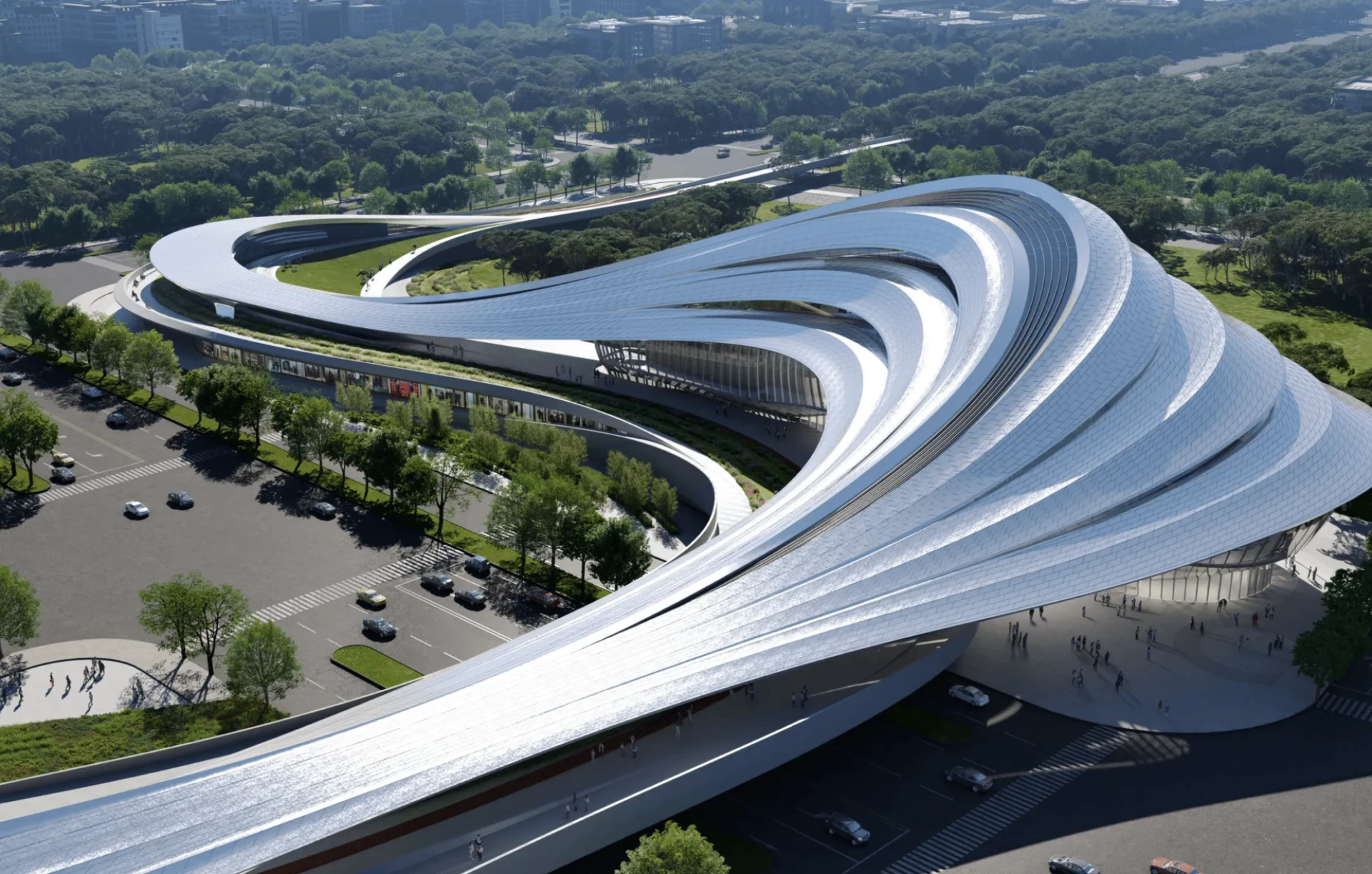
Imagina un músico que rompe su instrumento por un amigo perdido: aquí, en Wuhan, esa historia cobra vida en un teatro de plata flotante.

✓ What guidebooks don't tell you
✓ Secrets other tourists miss
✓ Listen while you explore
Discover everything
00:00
00:00
Rate this audio guide

📖 Audio Guide Chapters

6 chapters

1. The Melody That Broke a Soul

🔒 Premium Content

Subscribe to access all chapters of this audio guide.

2. Clues in the Steel: What Do the Ships Hide?

🔒 Premium Content

Subscribe to access all chapters of this audio guide.

3. Eternal Friends, Endless Grief

🔒 Premium Content

Subscribe to access all chapters of this audio guide.

4. Crazy Facts That Will Make You Drop Your Beer

🔒 Premium Content

Subscribe to access all chapters of this audio guide.

5. It Shines, but Look at the Other Side

🔒 Premium Content

Subscribe to access all chapters of this audio guide.

6. The Echo That Never Fades

🔒 Premium Content

Subscribe to access all chapters of this audio guide.

❓ Frequently Asked Questions

What are the opening hours and how do I get to the Qintai Cultural and Artistic Center?

The center usually opens from Tuesday to Sunday, from 9:00 a.m. to 5:00 p.m., but we recommend checking its official website before your visit. It is located in Wuchang District, Wuhan, and is easy to reach by metro (Line 4, Qintai Station) or bus (routes 411, 552). More details: www.qintaiwh.com.

Is admission free or do I need to buy a ticket?

Access to the architectural complex and common areas is free. Some temporary exhibitions or special events may require a ticket (between 20 and 50 CNY). No advance reservation is needed for general access.

How much time is recommended for the visit?

Ideally, allow 2 to 3 hours to explore its iconic architectural spaces, art galleries, and green areas at a relaxed pace. If you attend a performance at its theater, add 1 to 2 extra hours.

What historical or cultural significance does this center have?

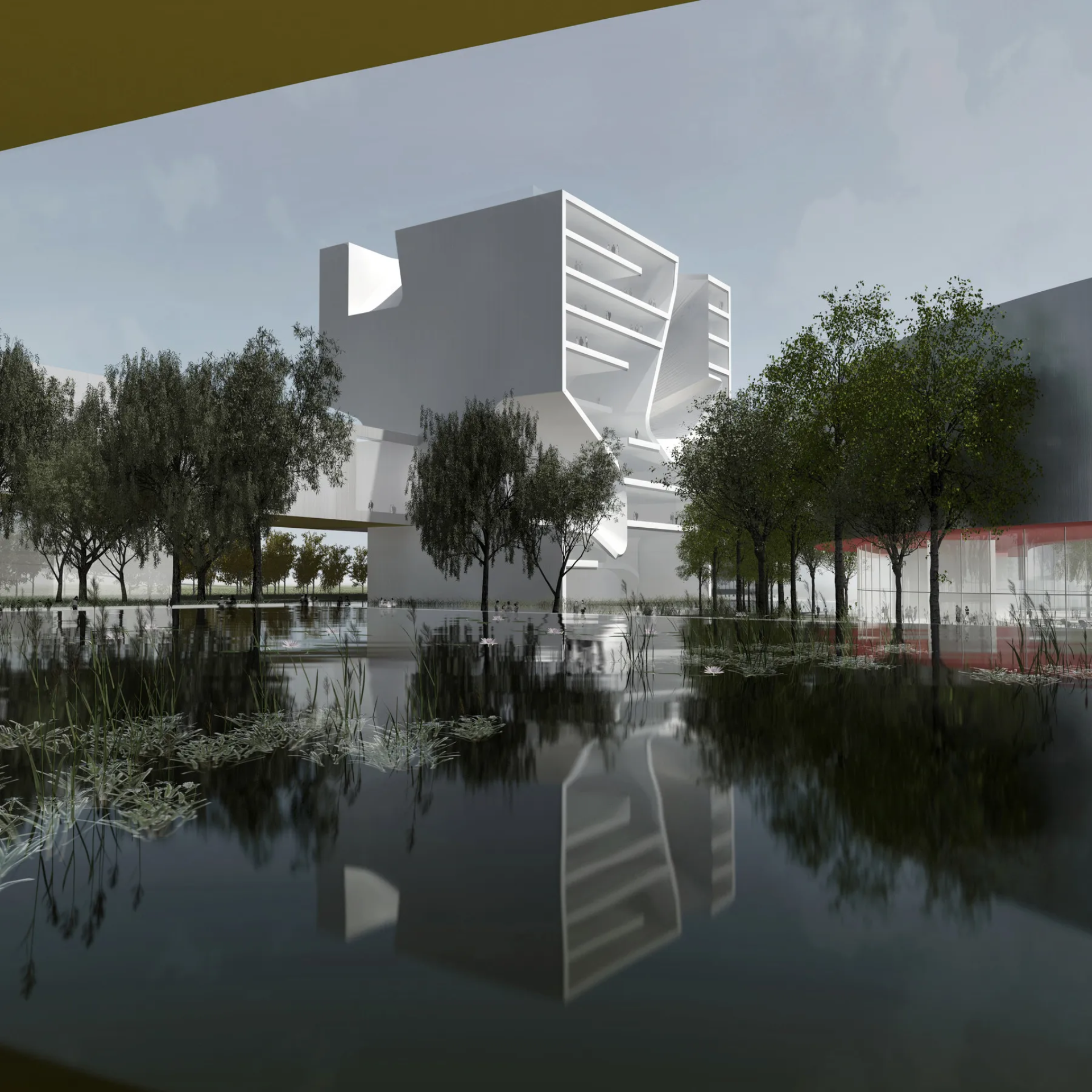
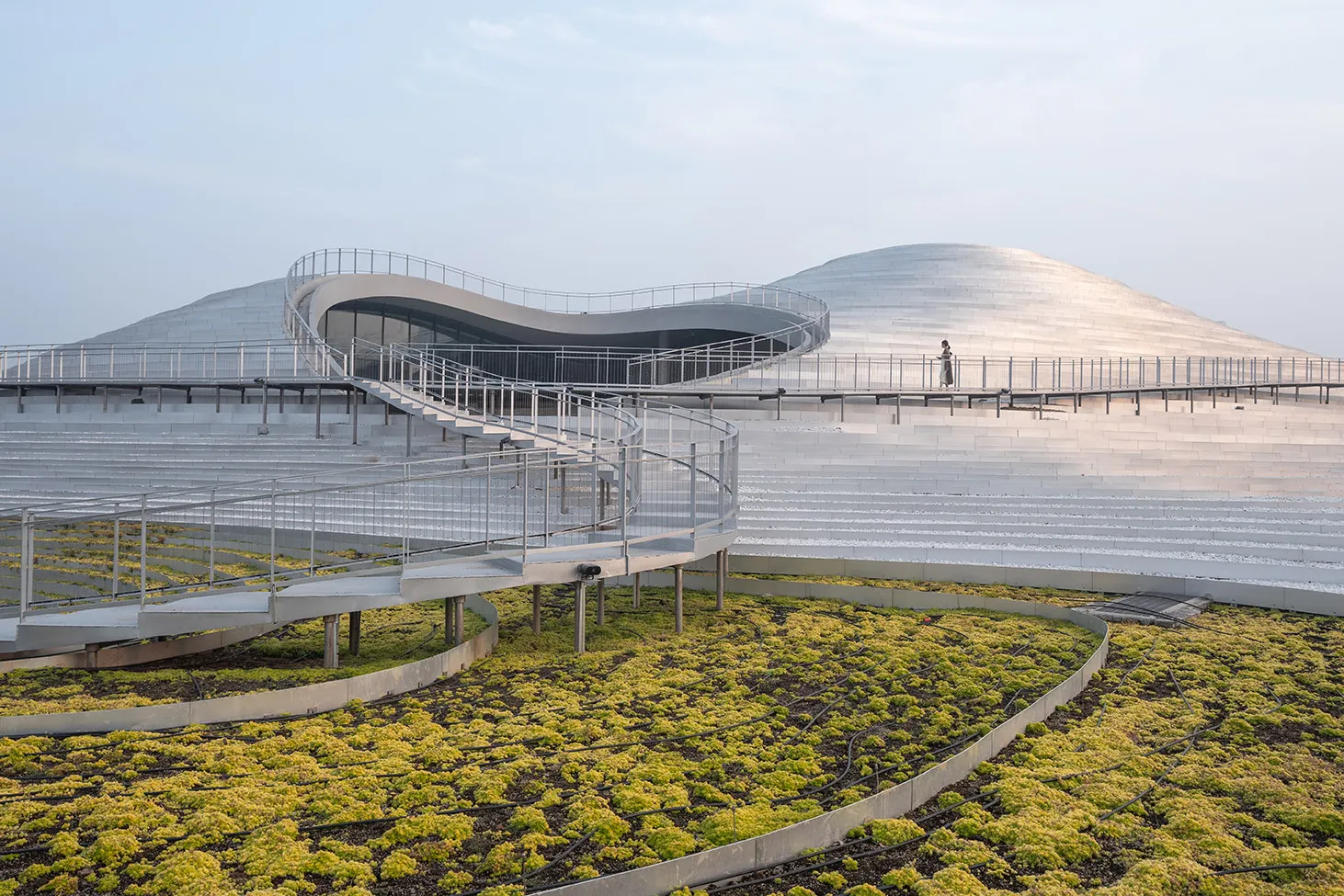
It is a modern symbol of Wuhan that blends tradition and innovation. Designed by architect Wang Jingyuan, its structure imitates seven tectonic plates alluding to the Yangtze River. It is home to the Qintai Grand Theatre, with an international artistic program.

What is the best time of year to visit?

Spring (March to May) or autumn (September to November) because of the mild weather. Avoid July and August (extreme heat) and Chinese public holidays because of the crowds. For photographs, sunset highlights its metallic structure.

Does it have facilities for people with reduced mobility?

Yes, it has access ramps, elevators, and adapted restrooms. It also offers free wheelchair loans upon request at reception (contact: +86 27 8885 6789). The main areas are 100% accessible.

What other tourist attractions can I visit nearby?

A 10-minute walk away is the iconic Yellow Crane Tower and the Hubei Provincial Museum. A 15-minute taxi ride takes you to East Lake (the largest urban lake in China) and Wuhan University (famous for its cherry blossoms).

What practical tips would you give to make the most of the visit?

1) Wear comfortable shoes: the complex covers 70,000 m². 2) Download its app with interactive maps and audio guides (available in English). 3) If you want to see performances, book tickets at least 3 days in advance on its website.

¿Prefieres escuchar en español?

🇪🇸 Escucha la audioguía de Qintai Cultural and Artistic Center en español