Make the most of your time in Huangshan Subscribe
IAudioGuia iaudioguia
Audio Guides of Huangshan

Audio Guide of Tunxi Old Street

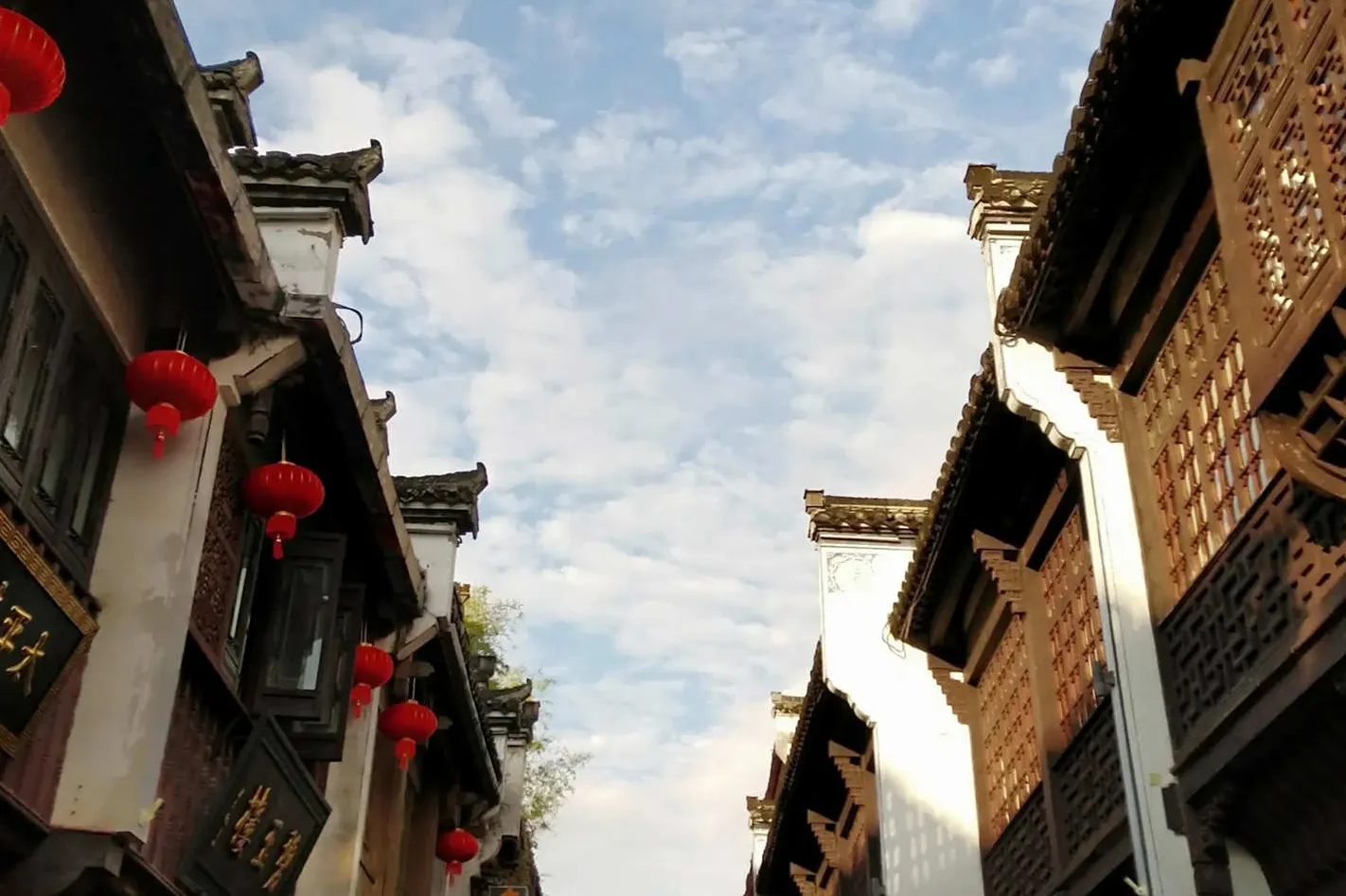
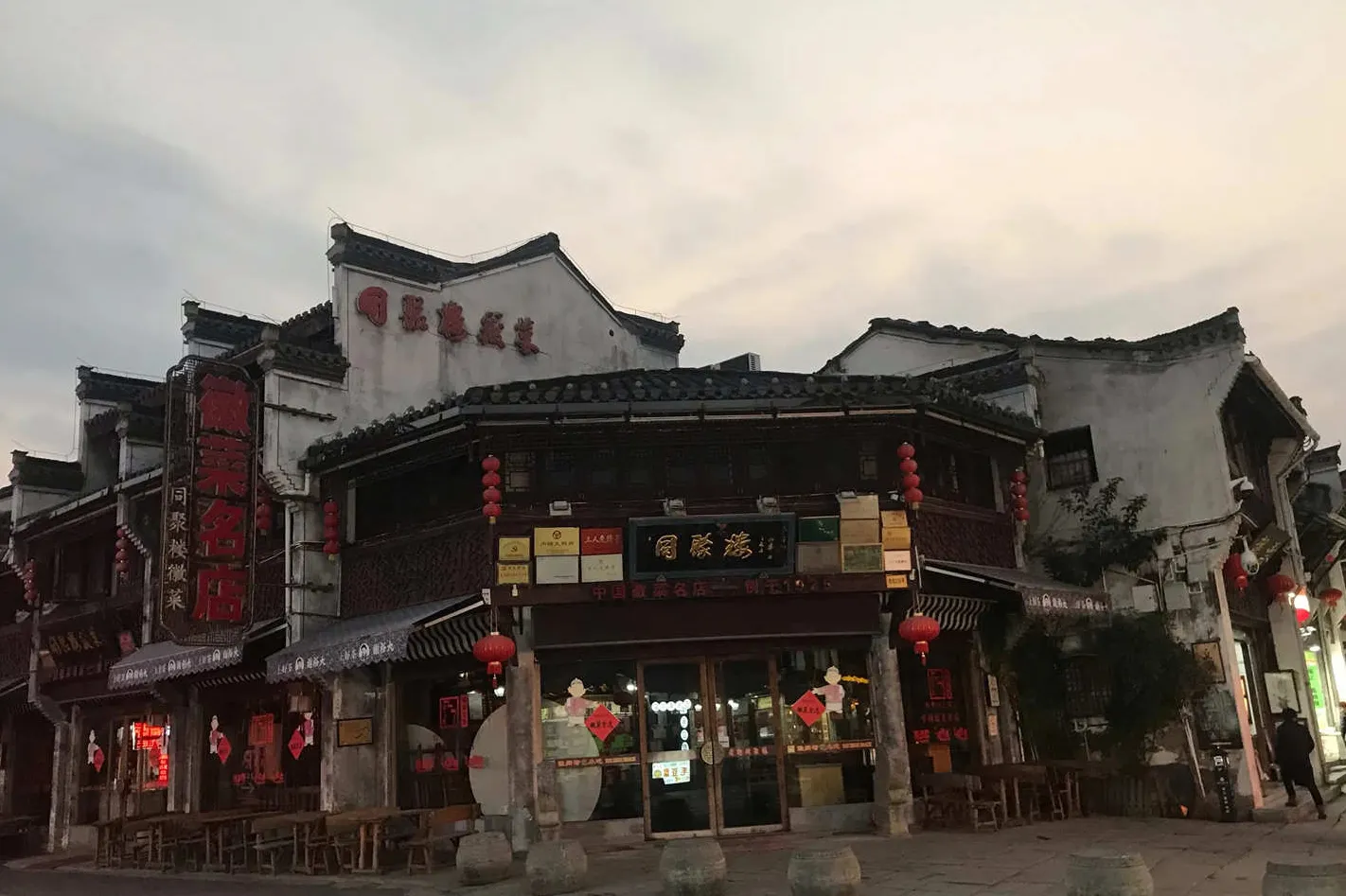
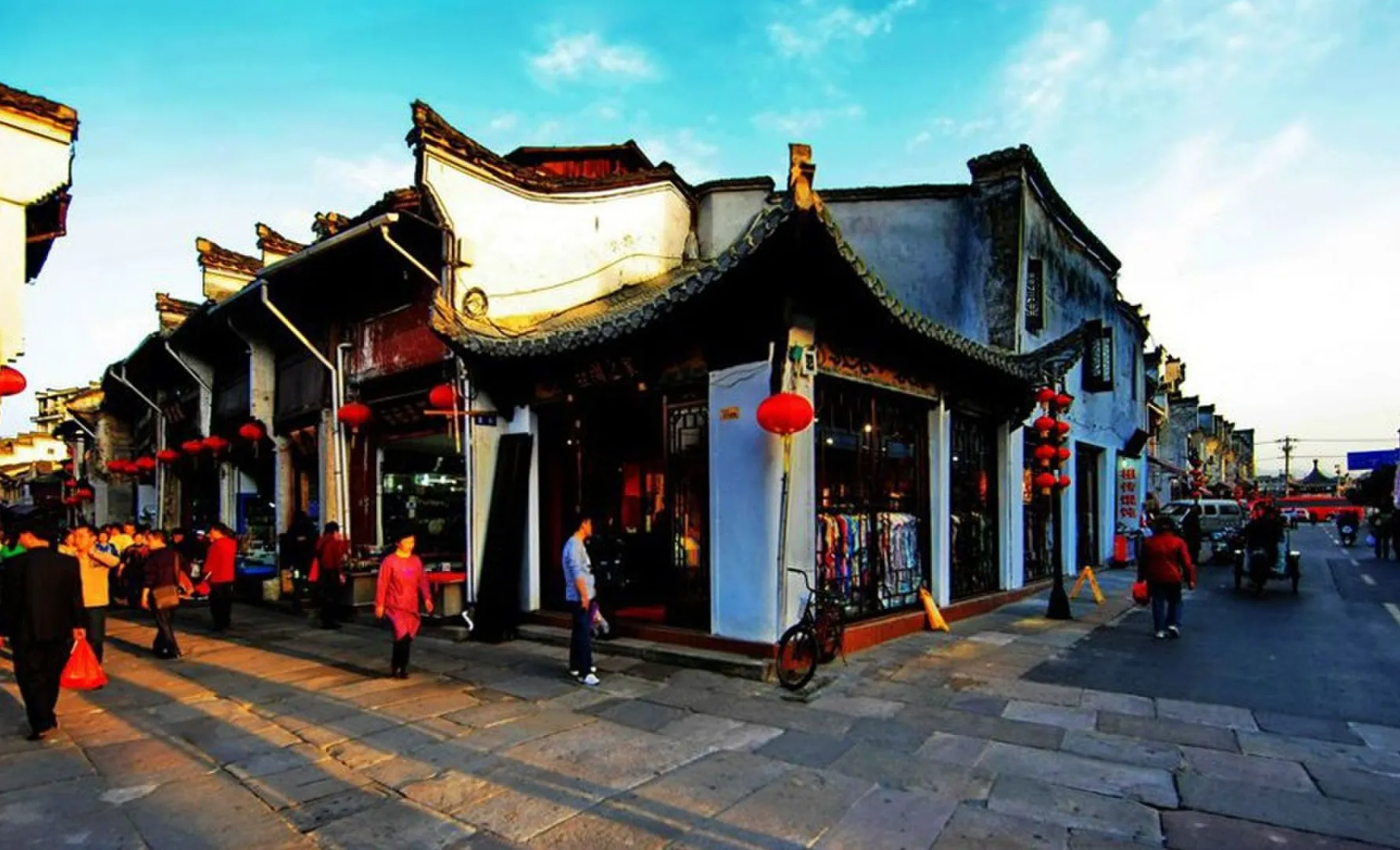
A vibrant and historic commercial district that captures the essence of ancient China.

✓ What guidebooks don't tell you
✓ Secrets other tourists miss
✓ Listen while you explore
Discover everything
00:00
00:00
Rate this audio guide

📖 Audio Guide Chapters

6 chapters

1. A Journey to the Heart of Anhui's History

🔒 Premium Content

Subscribe to access all chapters of this audio guide.

2. The Beauty of Huizhou Architecture

🔒 Premium Content

Subscribe to access all chapters of this audio guide.

3. Craftsmanship and Symbolism in Every Corner

🔒 Premium Content

Subscribe to access all chapters of this audio guide.

4. Figures and Clans That Shaped the Street's Fame

🔒 Premium Content

Subscribe to access all chapters of this audio guide.

5. Secrets, Traditions, and the Legend of the Phoenix

🔒 Premium Content

Subscribe to access all chapters of this audio guide.

6. A Living Legacy: A Bridge Between Past and Present

🔒 Premium Content

Subscribe to access all chapters of this audio guide.

❓ Frequently Asked Questions

What are the visiting hours for Tunxi Old Street and how do I get there?

The street is open 24 hours a day, although local shops and museums usually operate between 8:30 AM and 10:00 PM. To get there, take the city bus (routes 12 or 8) to the "Tunxi Old Street" stop, or use a taxi from central Huangshan (about 10 minutes). More transport details at Travel China Guide.

Is entry to Tunxi Old Street free, or do I need to buy a ticket?

Access to the street itself is completely free. However, some galleries, museums, or craft workshops within the area may charge separate admission fees (between 20 and 50 CNY). No advance booking is required for the public area.

How much time is recommended for the full visit?

It is recommended to spend between 2 and 3 hours exploring the main street, visiting some historic shops, and enjoying a local meal. If you plan to enter museums or shop in detail, allow for half a day.

What historical importance does this place have in Chinese culture?

Built during the Song dynasty (12th century), it was a key hub on the Tea and Silk Route. Its Hui-style buildings, with wood carvings and inner courtyards, represent one of the best-preserved examples of merchant architecture in southern China.

What is the best time of year to visit the old street?

Spring (March-May) and autumn (September-November) offer mild temperatures and less rain. Avoid July and August because of the intense heat. In terms of timing, visit at sunset to see the lanterns lit up and enjoy smaller crowds.

Is it accessible for people with reduced mobility or wheelchairs?

The street has uneven stone paving and some steps at secondary entrances. The main street is passable with assistance, but it is recommended to go with a companion. The more modern public facilities (at both ends) have ramps and accessible restrooms.

What other tourist attractions nearby are worth visiting?

About 50 km away are the Yellow Mountains (UNESCO World Heritage Site), the village of Hongcun (1 hour by car), and the tea fields of Xiuning. In the city, the Tunxi Museum of Hui Architecture (free admission) is unmissable.

What practical tips should I know before my visit?

Wear comfortable shoes for the uneven surfaces, try Maofeng tea in the traditional teahouses, and bring cash for small purchases. Evenings are ideal for photographs with the decorative lights. More tips at China Highlights.

¿Prefieres escuchar en español?

🇪🇸 Escucha la audioguía de Tunxi Old Street en español