Discover the history and secrets of this place with our audio guide.
The Yungang Grottoes are usually open from 8:30 AM to 5:00 PM, although it is advisable to check the exact hours on the official website before your visit, as they may vary seasonally. They are open almost every day of the year, but it is always a good idea to check for occasional closures. You can find updated information on the official Yungang Grottoes website.
The admission price for the Yungang Grottoes is approximately 120 CNY (about 15-18 USD), although this price may vary slightly. Tickets can generally be purchased directly at the ticket office, but during peak season it is advisable to check whether there is an online purchase option through agencies or Chinese travel platforms, as the official website does not offer direct sales for foreign visitors. I recommend bringing both cash and cards for added security.
For a full visit and to appreciate the scale and detail of the Yungang Grottoes, it is recommended to allow between 2 and 4 hours. This will let you stroll calmly through the different caves, take photographs, and enjoy the surroundings. If you are a history or art enthusiast, you may even want to extend your visit.
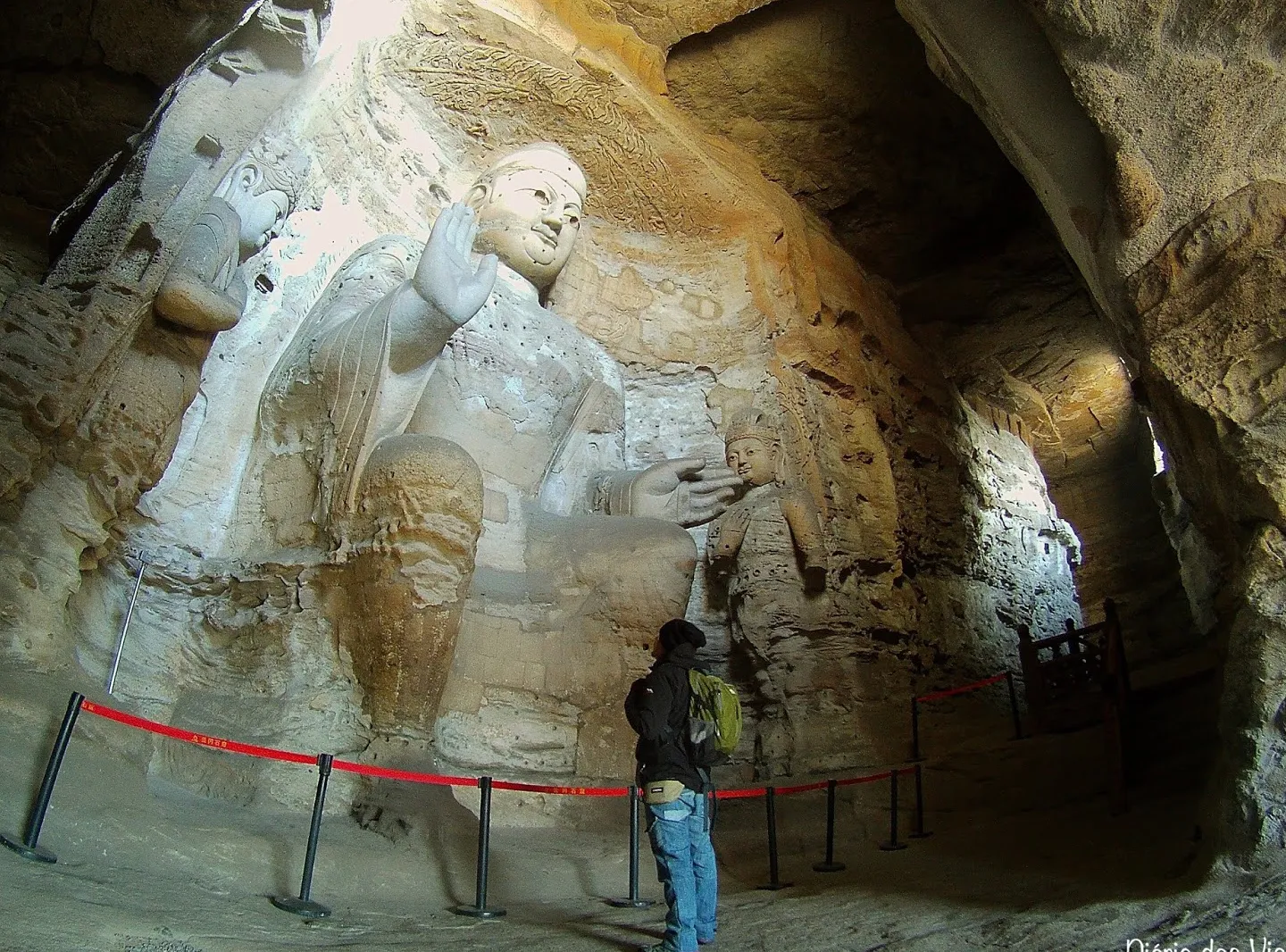
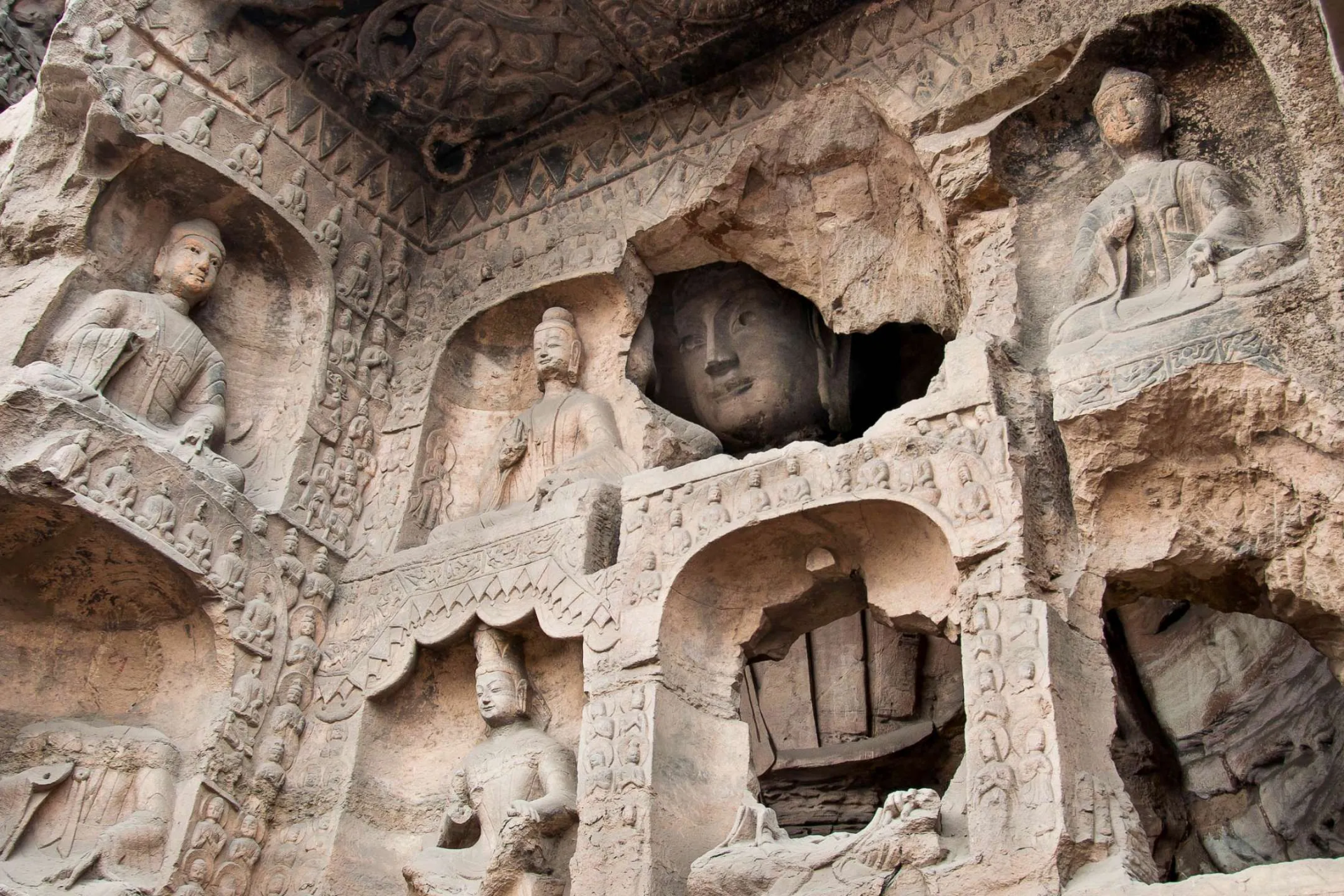
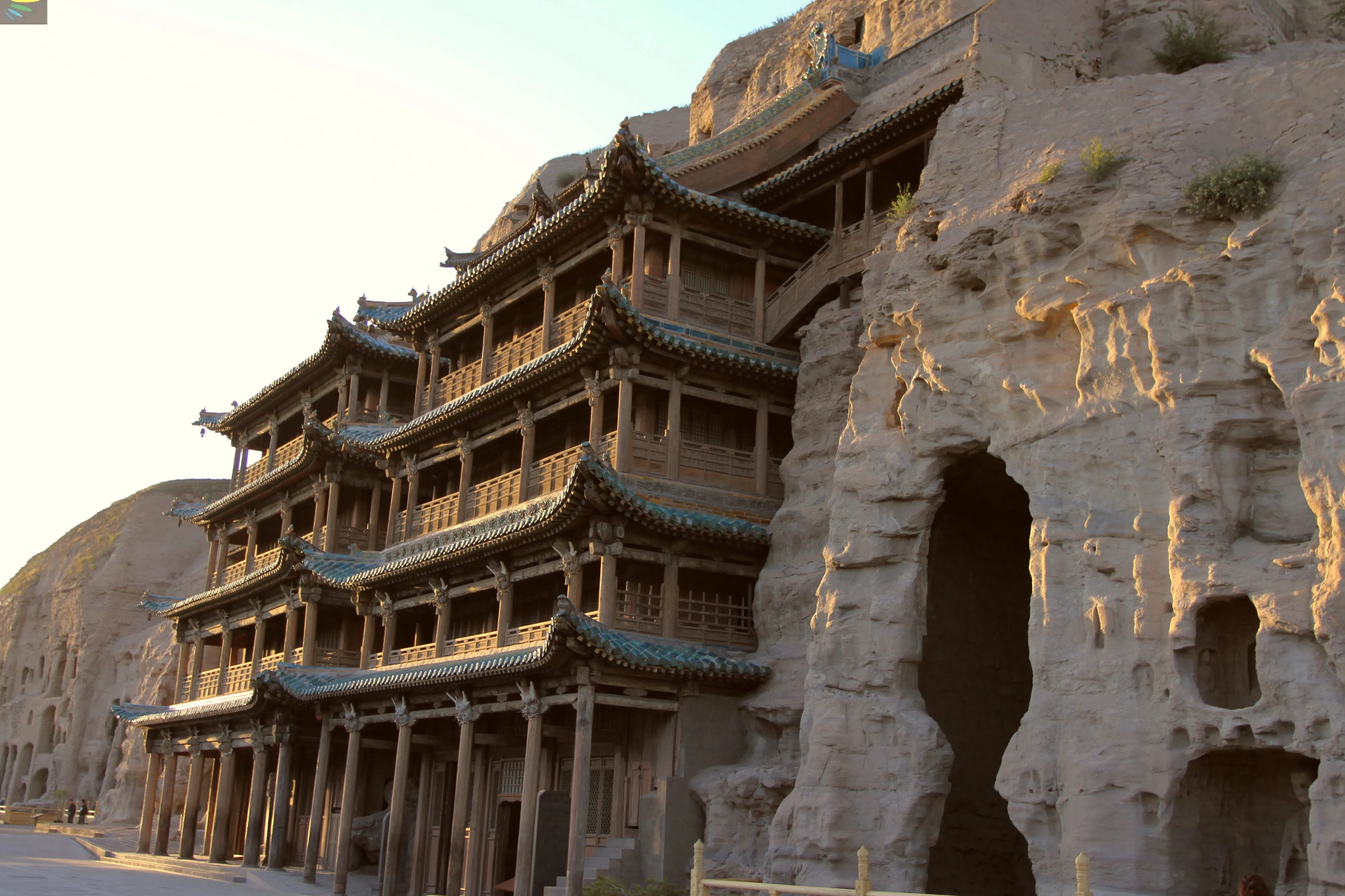
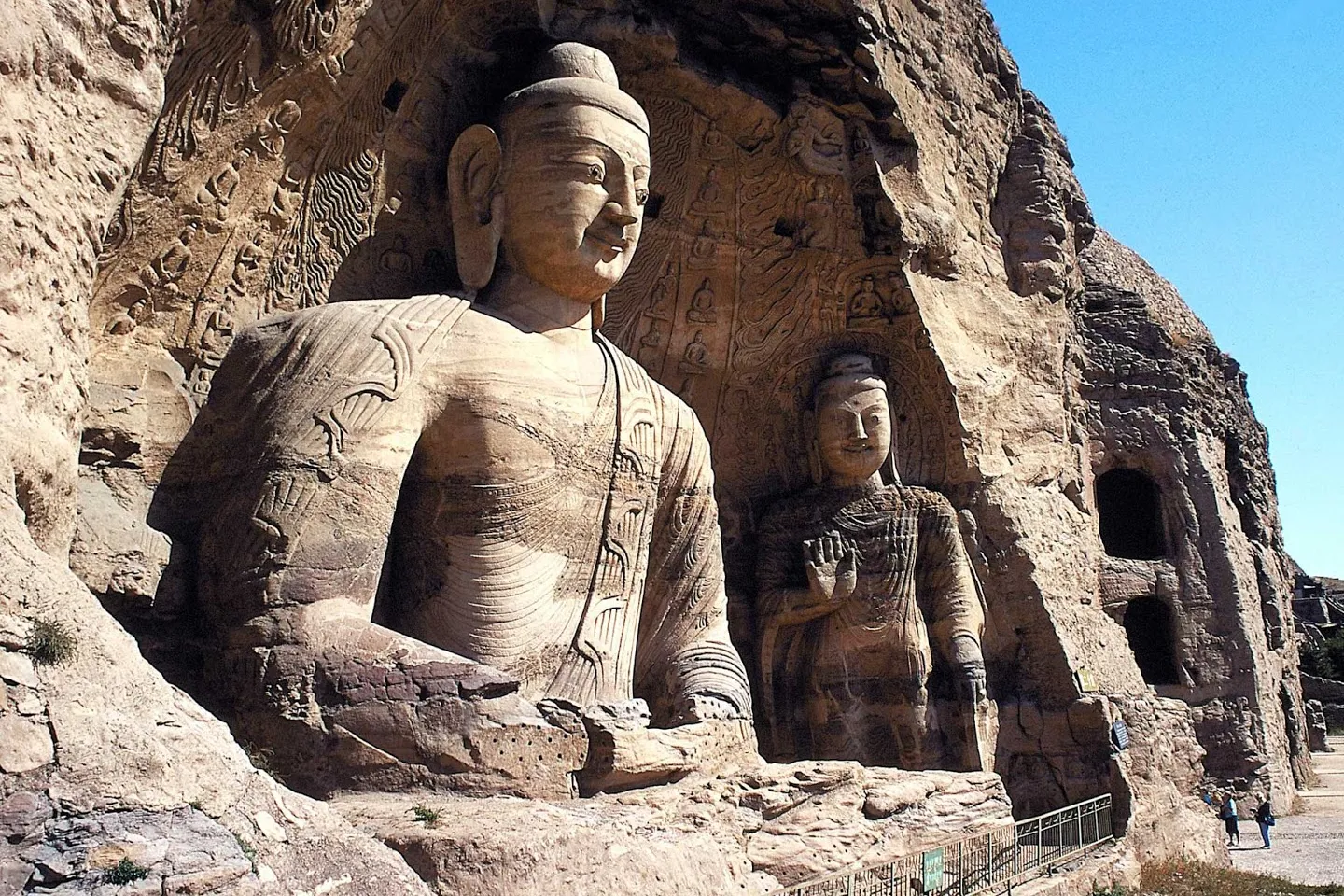
The Yungang Grottoes are one of the most impressive Buddhist cave complexes in China and a UNESCO World Heritage Site. They were built in the 5th century during the Northern Wei dynasty and represent the fusion of Indian and Chinese Buddhist art, serving as a key testament to the spread of Buddhism in the country. Their thousands of statues and rock-cut niches are a monumental testimony to the faith and artistry of the time.
The best time to visit the Yungang Grottoes is during spring (April-May) or autumn (September-October), when the weather is milder and more pleasant. To avoid the biggest crowds, try to go early in the morning right when they open, or later in the afternoon. Weekdays are also usually less crowded than weekends or national holidays.
Although there are walkways and well-maintained paths in most of the main areas of the Yungang Grottoes, because of the nature of the terrain and the presence of steps to access some specific caves, full accessibility may be limited for people with reduced mobility or wheelchair users. It is advisable to contact the site administration directly for detailed information about accessible sections and possible facilities. You can check the official website here to see whether they include more accessibility details or a contact number.
Yes, Datong offers several other notable historic attractions. Do not miss the famous Hanging Temple, an architectural marvel built into a cliff, or the impressive Fogong Temple Wooden Pagoda in Ying County, the oldest and tallest wooden pagoda in China. Within Datong, the Huayan Monastery and the Nine-Dragon Wall are also highly recommended. You could plan a full day or two to explore Datong and its surroundings.
Of course! I recommend wearing comfortable shoes, as you will do quite a bit of walking. If you plan to visit in summer, bring water, a hat, and sunscreen, as it can get very hot. Consider hiring a local guide if you want to learn more about the history and meaning of the caves, or use our audio guide to get the key information directly on your phone. Also, bring a power bank for your phone if you plan to use the camera or audio guides a lot, and do not forget your camera to capture the beauty of this place!
¿Prefieres escuchar en español?
🇪🇸 Escucha la audioguía de the Yungang Grottoes en español