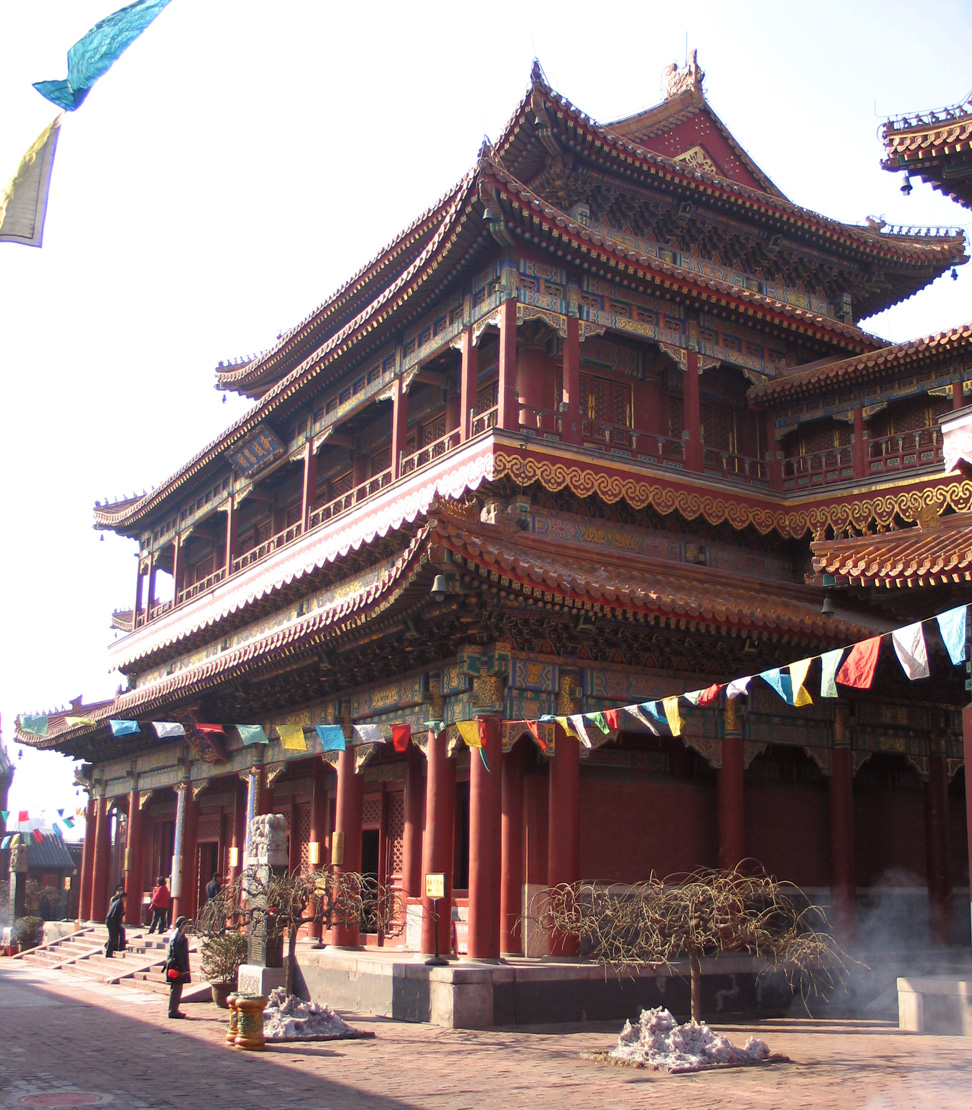
A historic monument transformed from an imperial palace into one of the most important Tibetan Buddhist temples outside Tibet.
Yonghe Temple generally opens from 09:00 to 16:30. You can get there easily by subway by taking Line 2 or Line 5 to Yonghegong Lama Temple Station (Line 2, Exit C; Line 5, Exit B). For more details, check the official website: yonghegong.cn
General admission to Yonghe Temple usually costs 25 CNY per person. Discounts are often available for students or seniors, so it is always a good idea to bring identification. You can verify the latest prices on the official website.
To fully enjoy the experience and appreciate every detail of Yonghe Temple, I would recommend allowing at least 2 to 3 hours. It is a large complex with several halls and courtyards, each with its own history and charm.
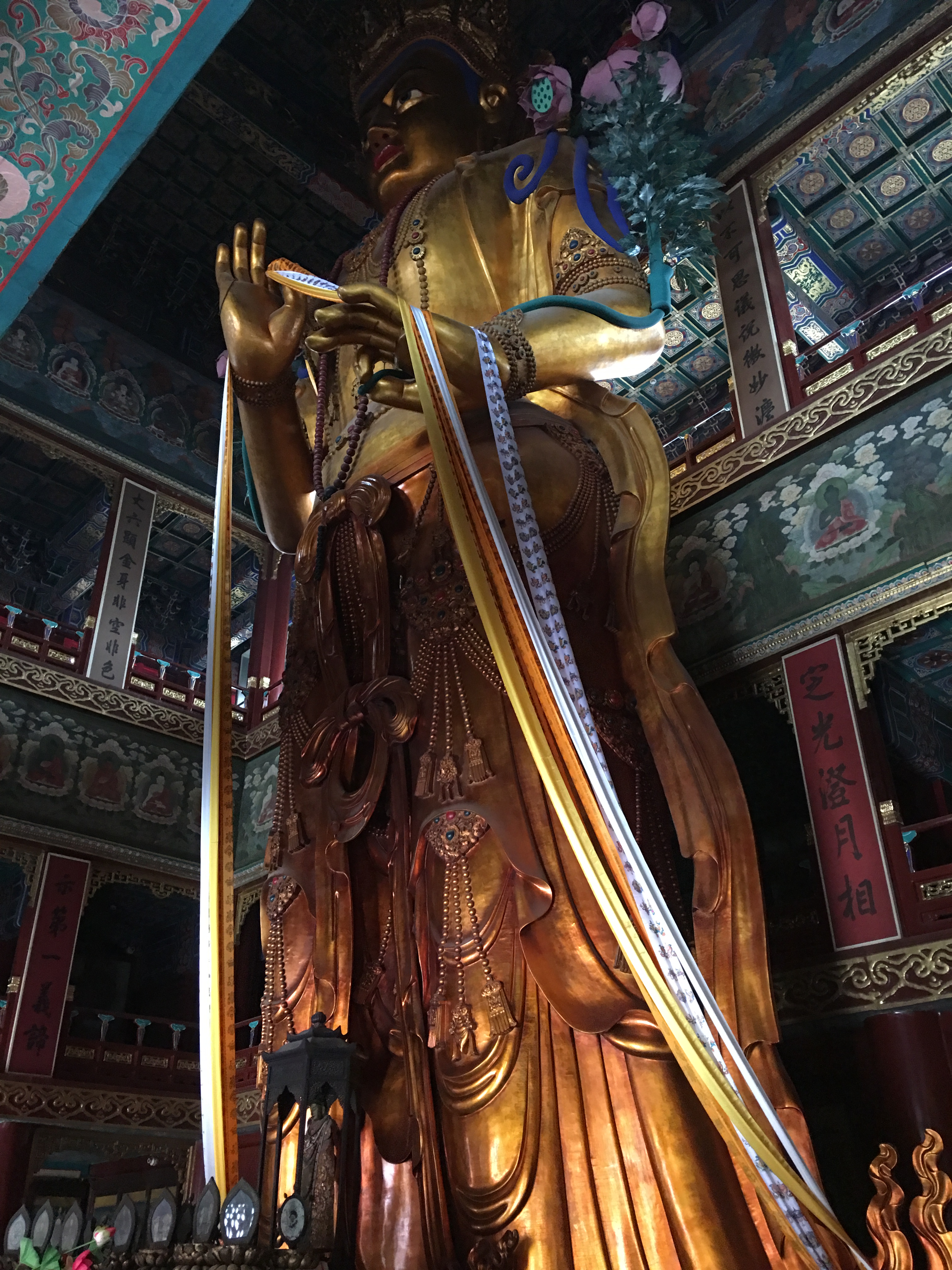
Yonghe Temple is one of the largest and most important Tibetan Buddhist temples in Beijing. It was originally built as an imperial residence and later transformed into a monastery, serving as a key center for Tibetan Buddhism and housing impressive statues and sutras. Its cultural significance is immense.
To avoid the crowds, I suggest visiting Yonghe Temple early in the morning, just after opening. Spring (April-May) and autumn (September-October) offer the most pleasant weather and are usually less crowded than summer. Weekdays are also quieter than weekends.
Yonghe Temple has some accessible areas, but due to its age and traditional design, some sections may have steps or uneven ground. It is recommended to contact the temple administration directly by calling +86 10 6406 2007 (during office hours) for specific information about accessibility and assistance.
Near Yonghe Temple, you can explore the charming traditional hutongs of Guozijian and Fangjia. Also nearby are the Confucius Temple and the picturesque Guijie Street, famous for its food, making them perfect for an afternoon stroll and a culinary treat.
Of course! I recommend wearing comfortable shoes, as you will do a fair amount of walking. Respect local customs, dress modestly (shoulders and knees covered), and be respectful when taking photographs. Consider using an audio guide to enrich your experience with fascinating stories and details.
¿Prefieres escuchar en español?
🇪🇸 Escucha la audioguía de Yonghe Temple en español