Donde las rocas susurran secretos indígenas y los cactus guardan historias de rebeldes
The sanctuary is open from Tuesday to Sunday, from 9:00 a.m. to 5:00 p.m., and closed on Mondays. To get there, take the F-190 Quillota–La Calera route for about 11 km from Quillota; signage is clear. More details are available on the official CONAF website or by calling +56 33 312115.
Admission is completely free for all visitors. There are no entrance fees or additional charges for the main trails, making it ideal for families and hikers.
It is recommended to allow between 2 and 4 hours to walk the main trails and enjoy the views. If you do the full loop around the hill, it may take half a day, depending on your pace.
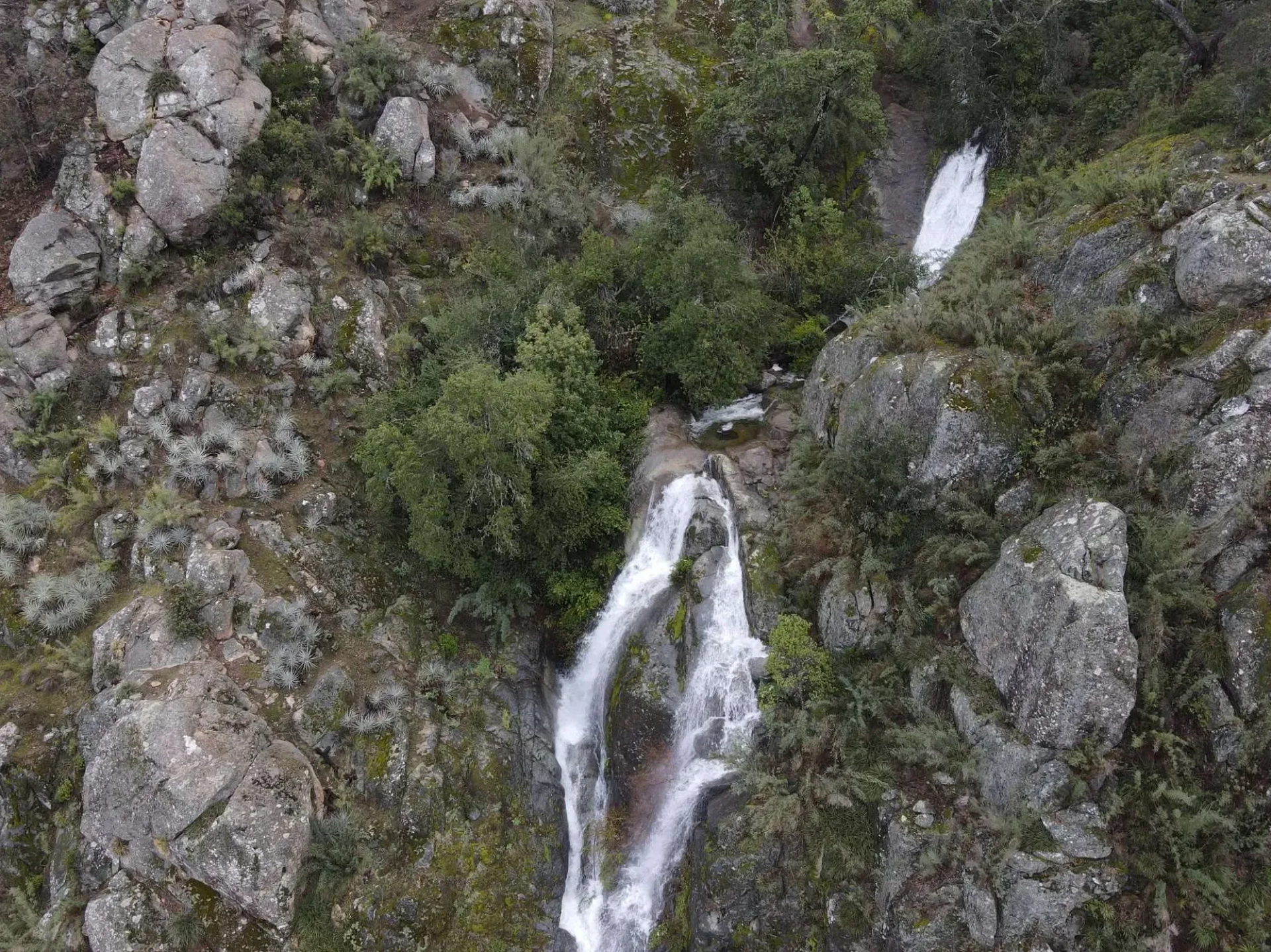
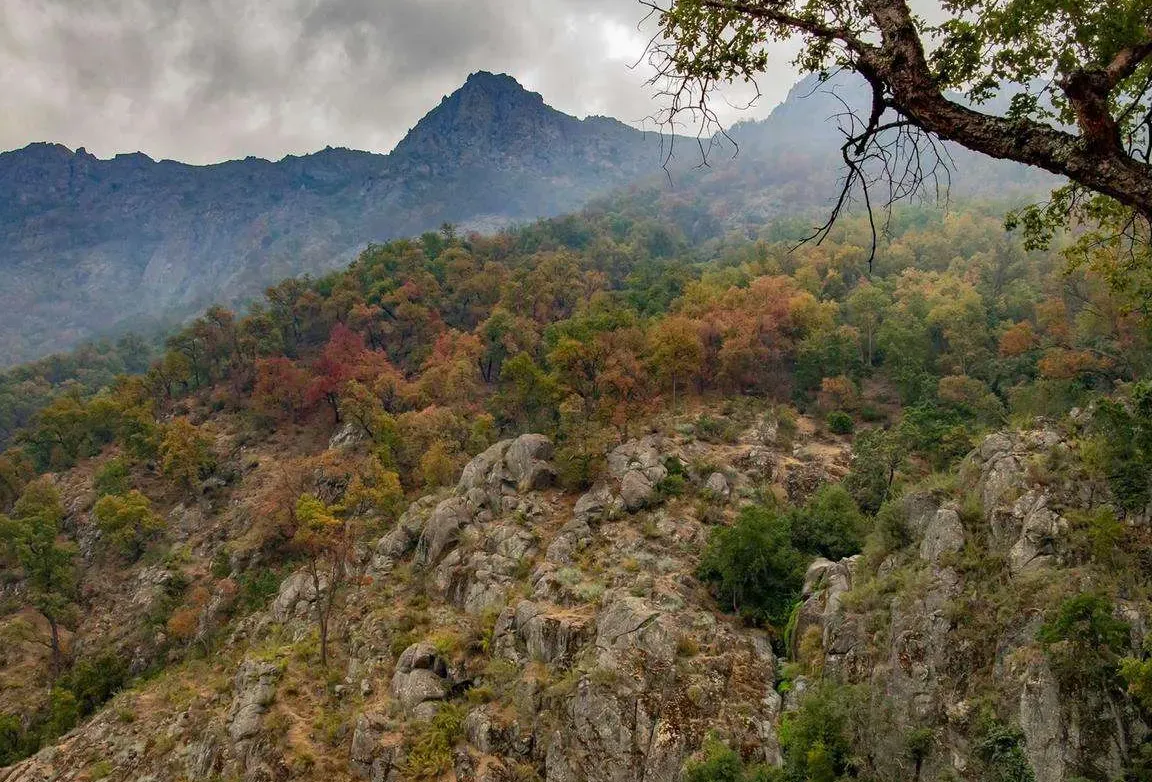
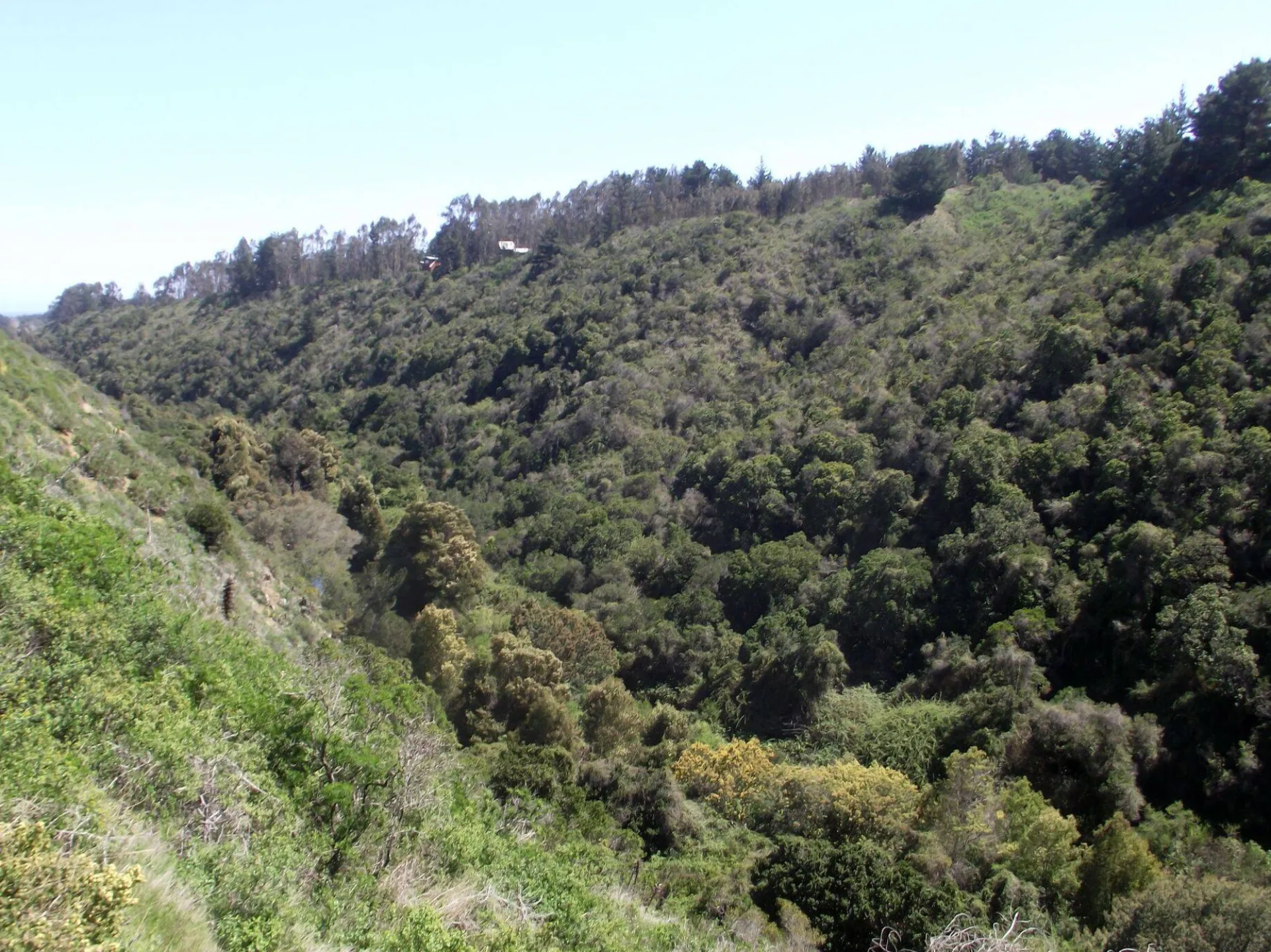
Declared a sanctuary in 1993, it protects native sclerophyll forest with species such as peumo and quillay, and it is home to the Andean puma and endemic birds. It represents a valuable ecological remnant in central Chile, highlighting its role in conserving local biodiversity.
Spring (September–November) and autumn (March–May) are ideal because of the mild weather and vibrant flora; avoid summer because of the intense heat. Go early in the morning to enjoy cooler temperatures and fewer visitors.
The main trails include uneven sections and slopes, so they are not suitable for wheelchairs or visitors with reduced mobility. There are flatter areas near the entrance, but it is recommended to check with CONAF about adapted options.
In Quillota, visit the Quillota Museum or the Cultural Park. About 20 minutes away, La Vega Reservoir or local vineyards offer perfect additions for a full day of sightseeing.
Bring water, sunscreen, insect repellent, and comfortable hiking shoes; there are no services inside the sanctuary. Follow CONAF rules by not leaving trash behind and keeping your distance from wildlife; check the weather forecast before you go.
¿Prefieres escuchar en español?
🇪🇸 Escucha la audioguía de Cerro Boco Nature Sanctuary en español