No te vayas sin conocer la historia Suscribete
IAudioGuia iaudioguia
Audio Guides of La Ligua

Audio Guide of Artisan Textile Fair

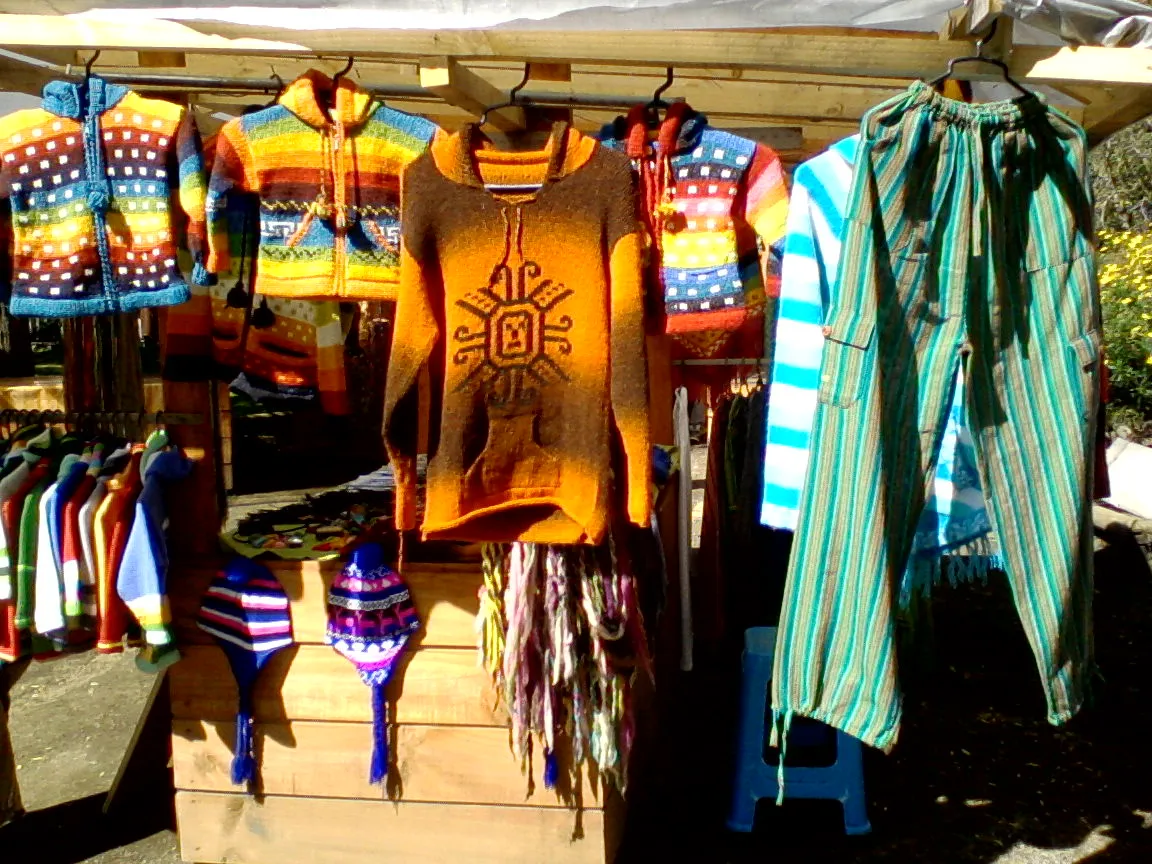
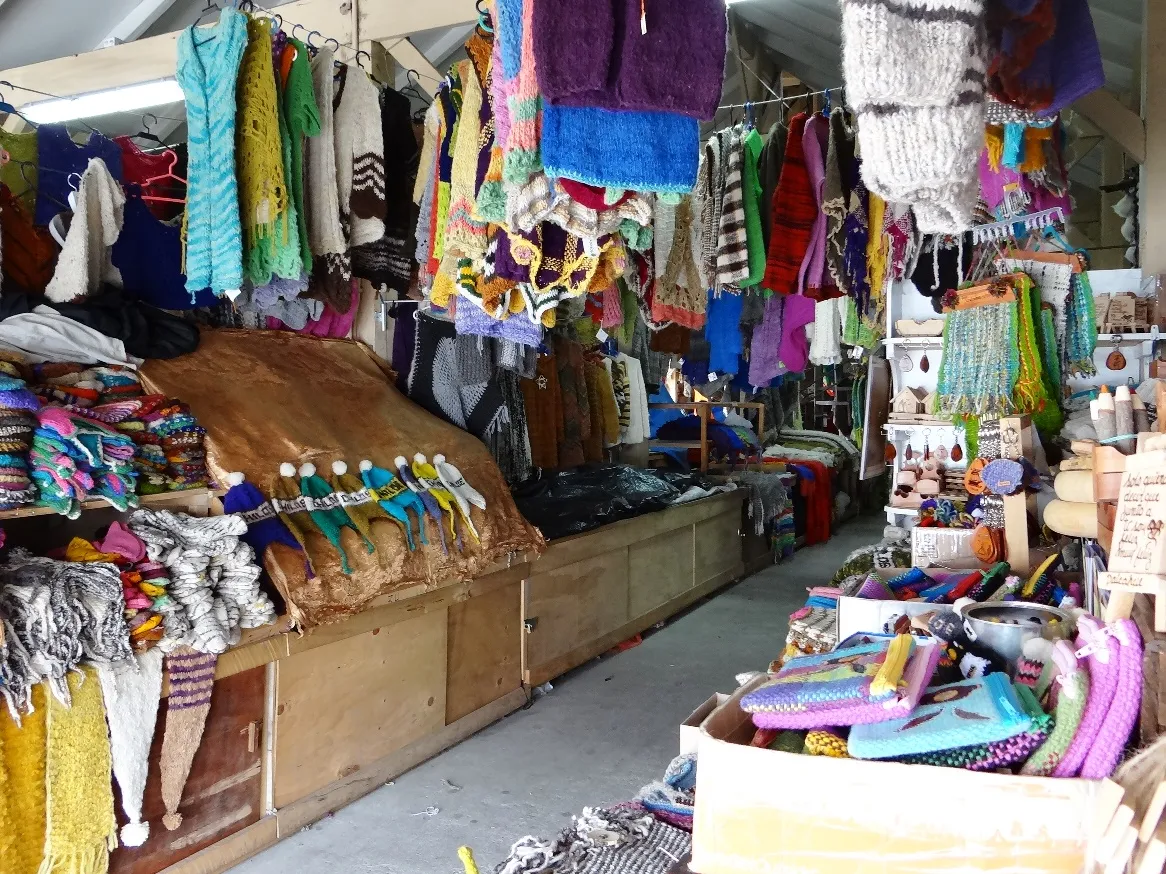
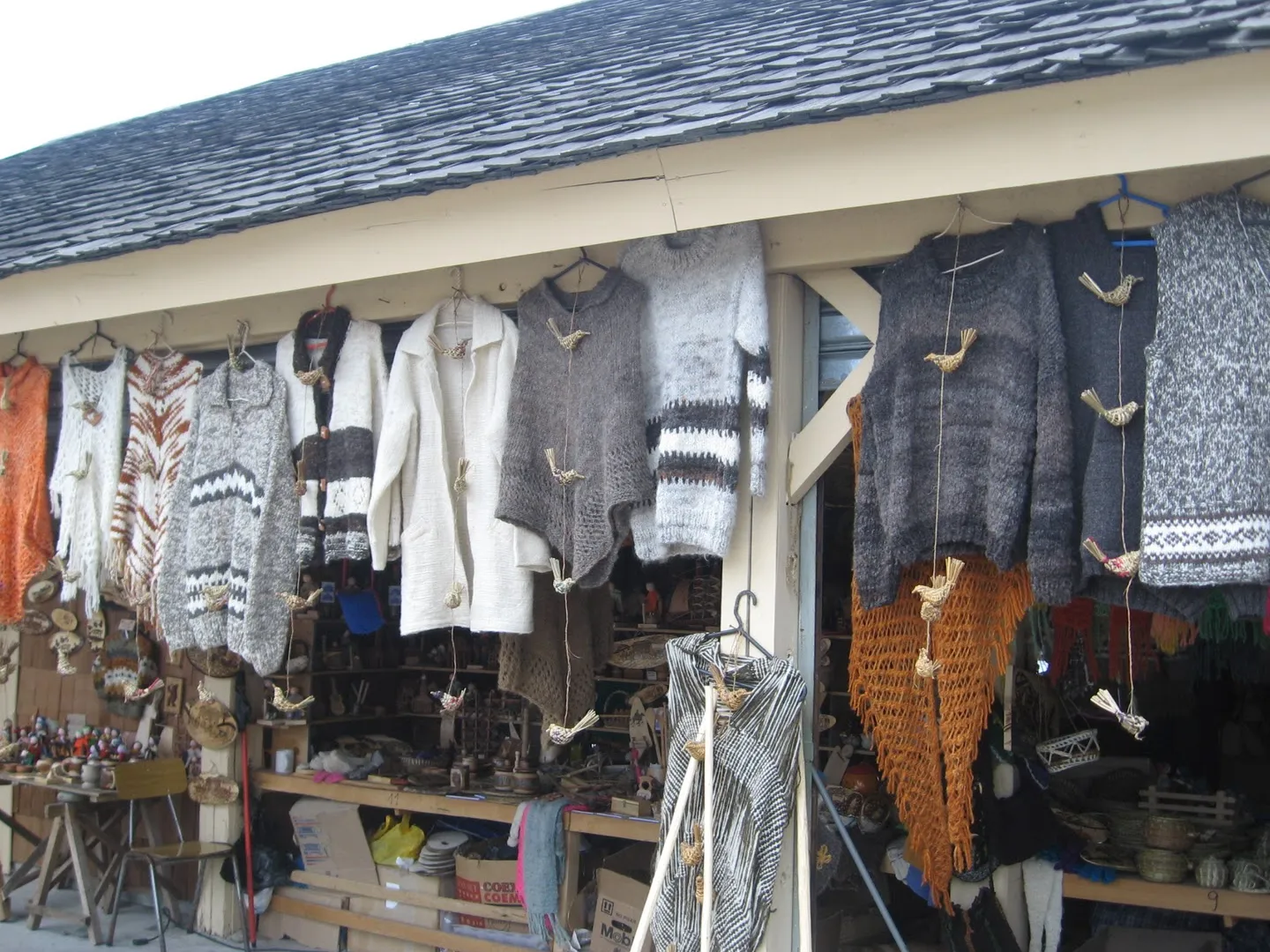
A vibrant market celebrating La Ligua’s textile tradition, a tapestry of colors, textures, and stories.

✓ What guidebooks don't tell you
✓ Secrets other tourists miss
✓ Listen while you explore
Discover everything
00:00
00:00

📖 Audio Guide Chapters

6 chapters

1. Introduction and History: The Thread of Time

🔒 Premium Content

Subscribe to access all chapters of this audio guide.

2. Architecture and Design: A City Beneath the Loom

🔒 Premium Content

Subscribe to access all chapters of this audio guide.

3. The Soul of the Threads: Art and Color in Every Strand

🔒 Premium Content

Subscribe to access all chapters of this audio guide.

4. Hands That Weave the Future: The Artisans of La Ligua

🔒 Premium Content

Subscribe to access all chapters of this audio guide.

5. Curiosities and Legends: Stories Among Threads

🔒 Premium Content

Subscribe to access all chapters of this audio guide.

6. Cultural Importance and Legacy: Weaving as Identity

🔒 Premium Content

Subscribe to access all chapters of this audio guide.

❓ Frequently Asked Questions

What are the opening hours, and where exactly is the fair located?

The main fair (especially if you visit the famous La Ligua Expo in summer) is usually open from 11:00 a.m. to 11:00 p.m. If you are looking for the textile shops in Valle Hermoso, stores generally operate from 10:00 a.m. to 7:00 p.m. year-round.

Do I have to pay an entrance fee to visit the Textile Fair?

Access to the shopping area and artisan stalls is usually free of charge. Only during certain music events or specific festivals within the venue might there be an admission fee, but browsing is free.

How much time do you recommend setting aside to explore the fair?

To browse the stalls calmly and compare quality, we suggest setting aside between 2 and 3 hours. This will give you enough time to talk with the artisans and perhaps try the local food without rushing.

What makes these artisan textiles so special or historic?

This fair preserves a centuries-old textile tradition, inherited from pre-Hispanic and colonial techniques from central Chile. It is a unique opportunity to learn about spinning and designs that are part of the region’s intangible cultural heritage.

What is the best time of year to find variety and good prices?

If you are looking for the festive event, January and February are the key months of the summer fair. However, to find better deals on winter clothing and fewer crowds, March and April are ideal.

Does the venue have facilities for people with reduced mobility?

Yes, the main fairground usually has wide, level aisles that make wheelchair access easier. However, if you visit local workshops on nearby streets, some sidewalks may be narrower or uneven.

What other tourist attractions can I visit near the fair?

Make the most of your visit by exploring the La Ligua Museum, which delves into local history. In addition, you are only a few kilometers from beautiful seaside resorts such as Papudo and Zapallar if you are traveling by car.

What practical advice would you give me to make the most of shopping here?

Although many stalls accept cards, always carry some cash to negotiate with smaller artisans. And one must-try: complement your visit by buying the traditional sweets of La Ligua from the vendors dressed in white along the highway.

¿Prefieres escuchar en español?

🇪🇸 Escucha la audioguía de Artisan Textile Fair en español