No te vayas sin conocer la historia Suscribete
IAudioGuia iaudioguia
Audio Guides of Isla De Pascua

Audio Guide of Ahu Tongariki

¿Sabías que un tsunami jugó a las bolos con 15 gigantes de piedra de 80 toneladas? Escucha cómo sobrevivieron.

✓ What guidebooks don't tell you
✓ Secrets other tourists miss
✓ Listen while you explore
Discover everything
00:00
00:00

📖 Audio Guide Chapters

6 chapters

1. The tsunami that swept away giants

🔒 Premium Content

Subscribe to access all chapters of this audio guide.

2. Stones hiding a puzzle

🔒 Premium Content

Subscribe to access all chapters of this audio guide.

3. Clan wars and fallen moai

🔒 Premium Content

Subscribe to access all chapters of this audio guide.

4. Japanese teams, cranes, and a miraculous rescue

🔒 Premium Content

Subscribe to access all chapters of this audio guide.

5. Blind eyes that see everything

🔒 Premium Content

Subscribe to access all chapters of this audio guide.

6. The sunrise you will never forget

🔒 Premium Content

Subscribe to access all chapters of this audio guide.

❓ Frequently Asked Questions

What are the opening hours of Ahu Tongariki and how can I get there?

Ahu Tongariki is open 24 hours a day all year round, as it is an open-air archaeological site with no official restrictions. It is easily reached by car or tour from Hanga Roa via a paved road of about 20 km; rent a vehicle or join an organized excursion. More details on Ahu Tongariki on Wikipedia.

Is entry to Ahu Tongariki free or do I need to pay an admission fee?

Entry to Ahu Tongariki is completely free, with no fees or tickets required. Just consider transportation costs or guided tours if you choose them for a more complete experience.

How much time is needed to visit Ahu Tongariki?

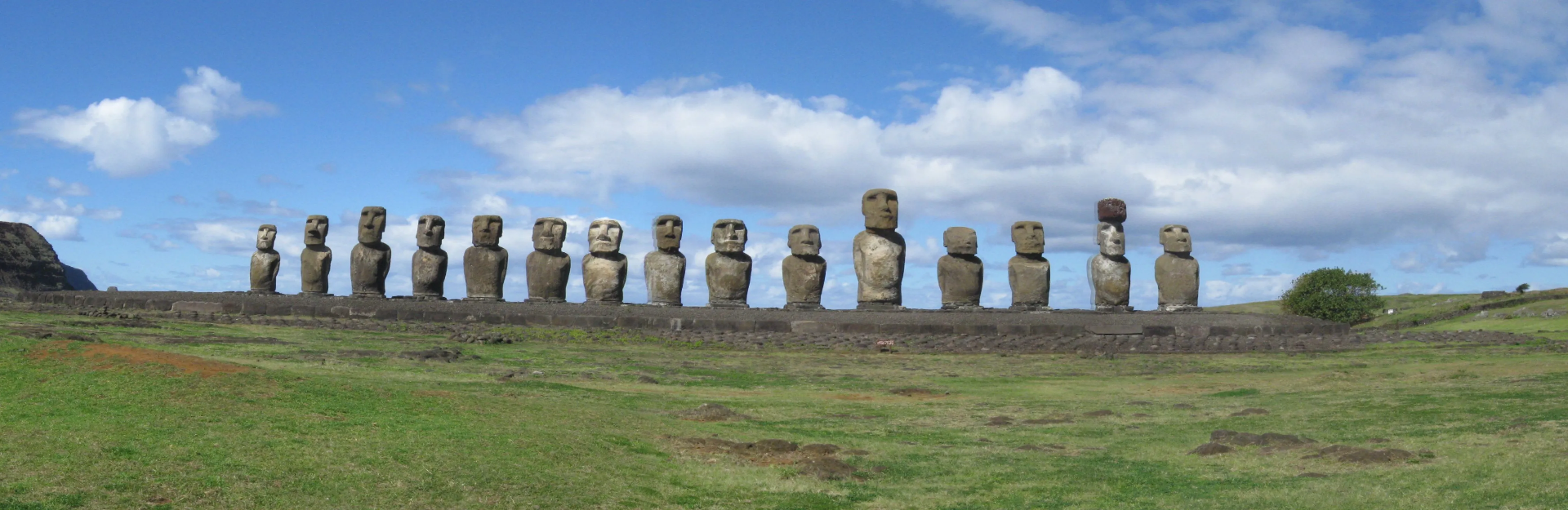
It is recommended to spend between 45 minutes and 1 hour exploring the site on foot, admiring the 15 moai and taking photos. If you go with a guide, it may extend to 1.5 hours for more historical context.

What is the history or significance of Ahu Tongariki?

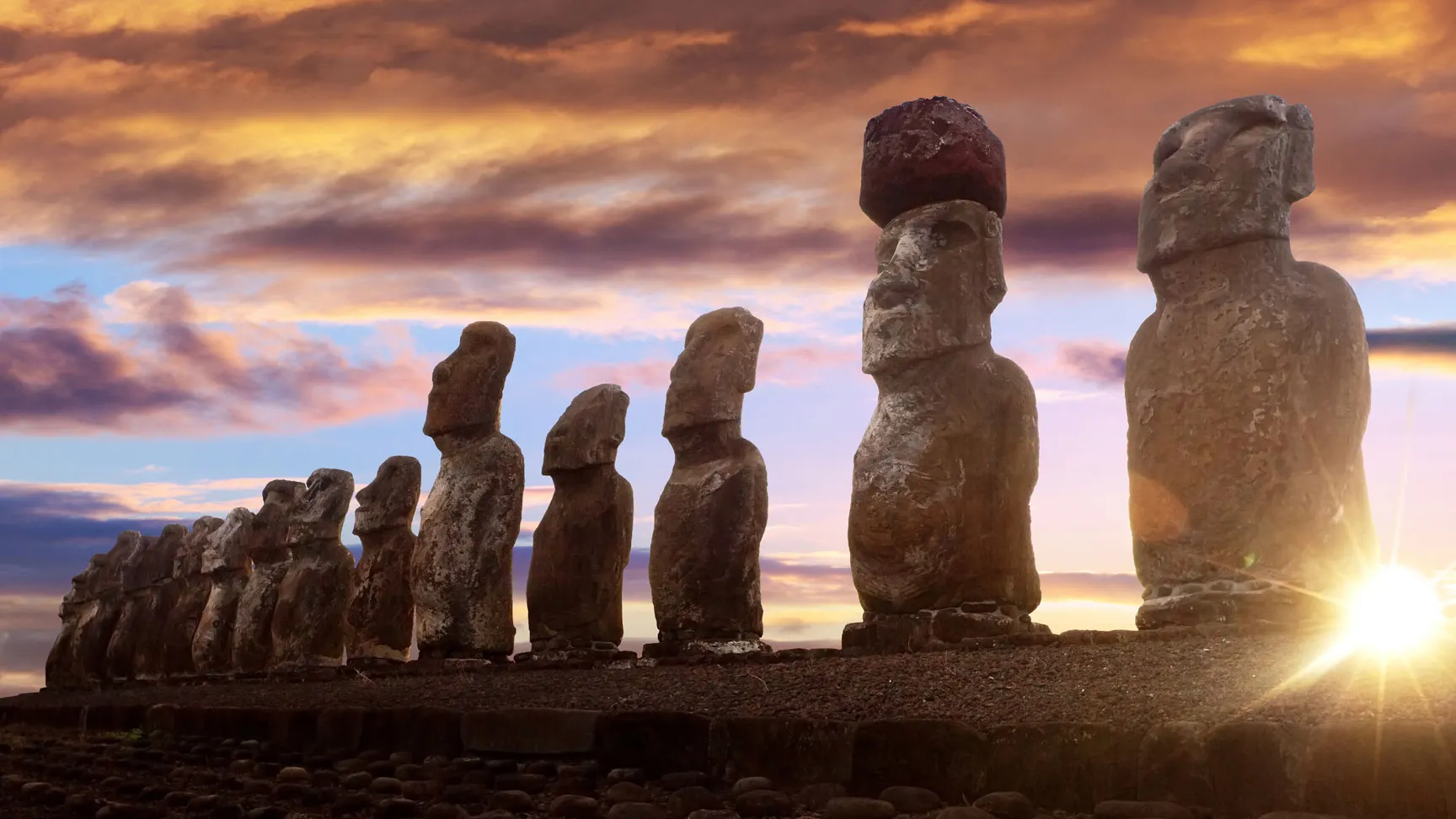
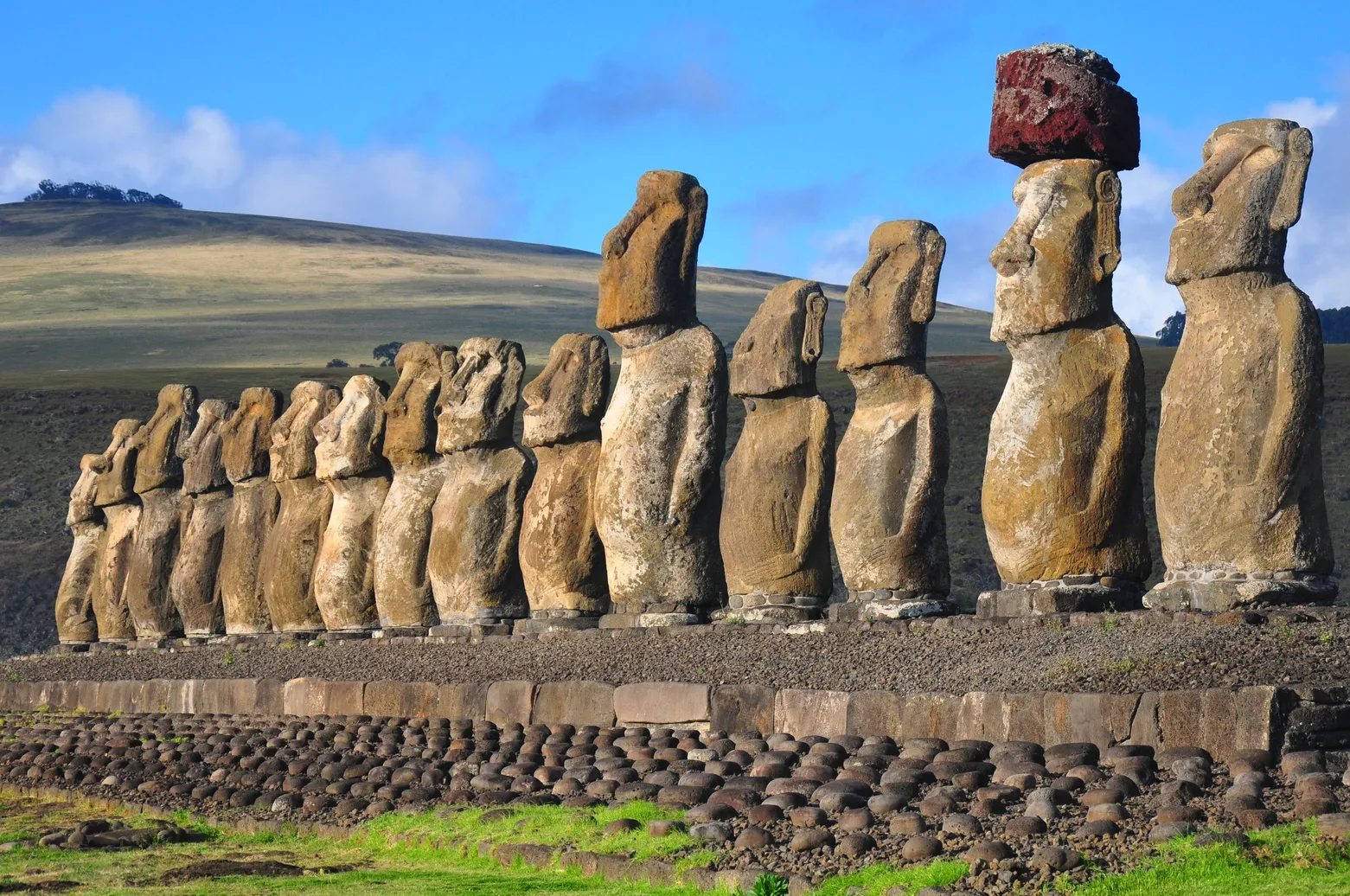
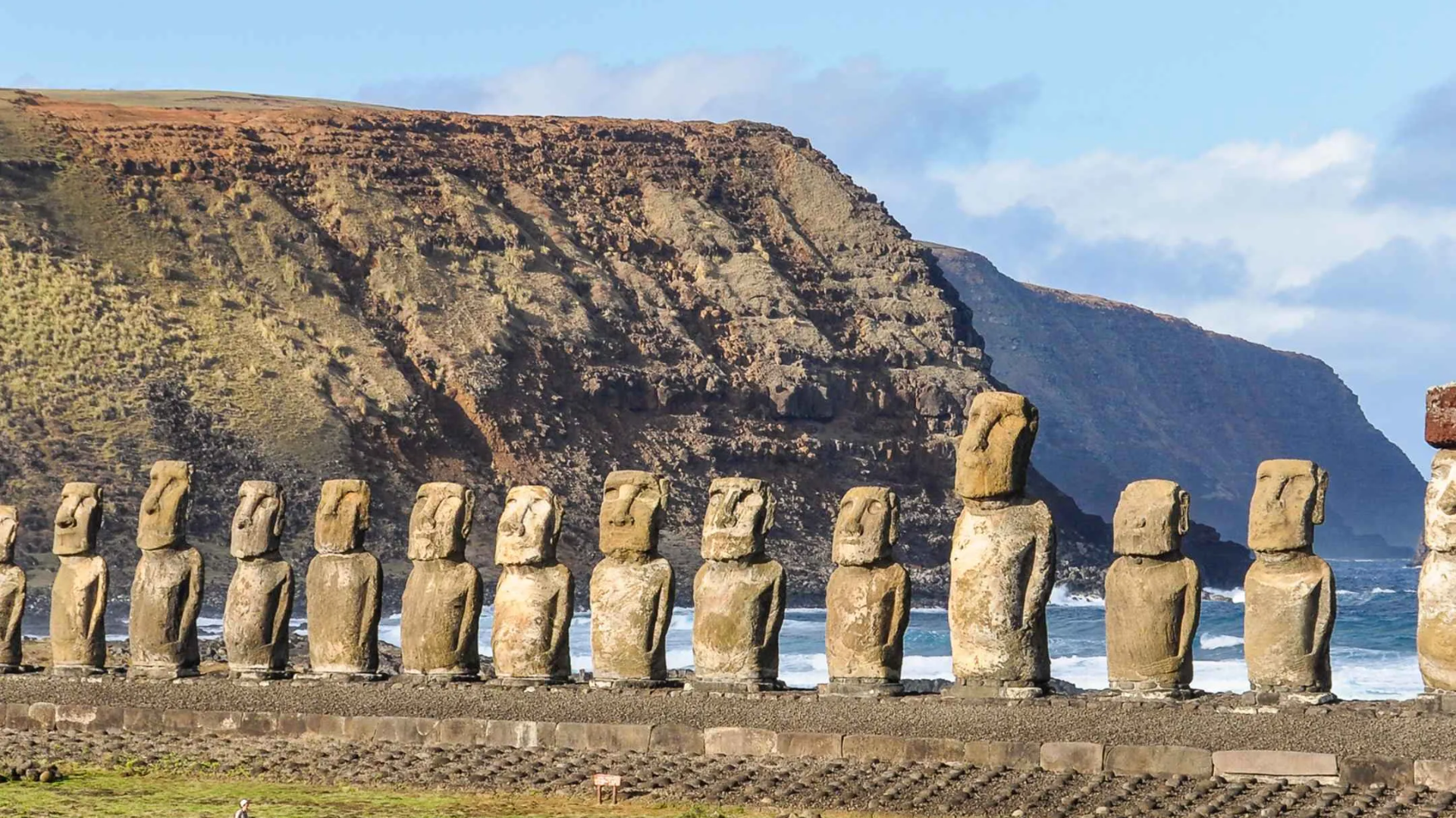
Ahu Tongariki is the largest ceremonial center on Easter Island, with 15 restored moai. It was destroyed by a tsunami in 1960 and rebuilt in the 1990s by Japanese archaeologists. It represents the height of Rapa Nui culture and its spiritual connection with the ancestors. See Ahu Tongariki on Wikipedia for more history.

What is the best time of day or year to visit Ahu Tongariki?

Sunrise is the ideal time to see the moai lit with magical colors and with fewer tourists; sunset is also spectacular. Go in the shoulder season (October-April) for better weather, avoiding the strong winter winds.

Is Ahu Tongariki accessible for people with reduced mobility?

The terrain is uneven, with sand and stones, which makes it challenging for wheelchairs or visitors with reduced mobility; there are no ramps or paved paths. Choose a 4x4 vehicle tour that gets as close as possible or arrange personalized assistance.

What can I see near Ahu Tongariki?

Nearby are the Rano Raraku quarry (2 km away, where the moai were carved) and Anakena Beach (10 minutes by car, with moai and turquoise waters). Combine them in one tour to make the most of the day on the island’s east coast.

What practical tips should I keep in mind when visiting Ahu Tongariki?

Bring sunscreen, water, a hat, and a camera; go early to avoid heat and crowds. Use an audio guide such as those from IAudioguia for explanations in English while you walk, and respect the rules: do not touch the moai or climb onto the platforms.

¿Prefieres escuchar en español?

🇪🇸 Escucha la audioguía de Ahu Tongariki en español