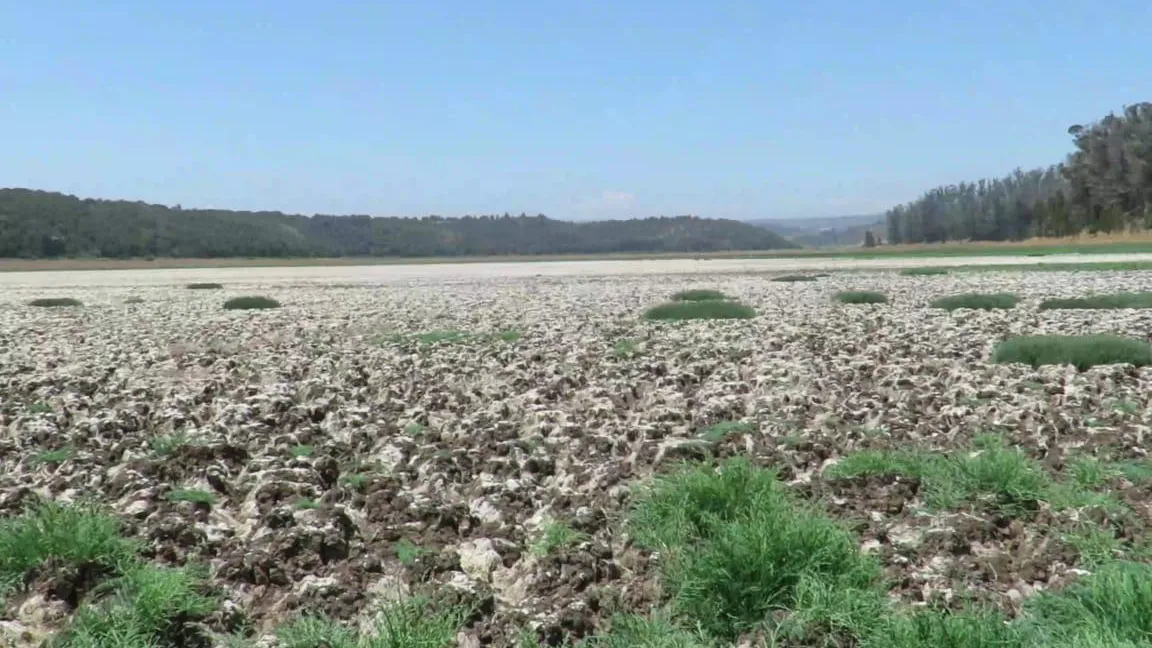
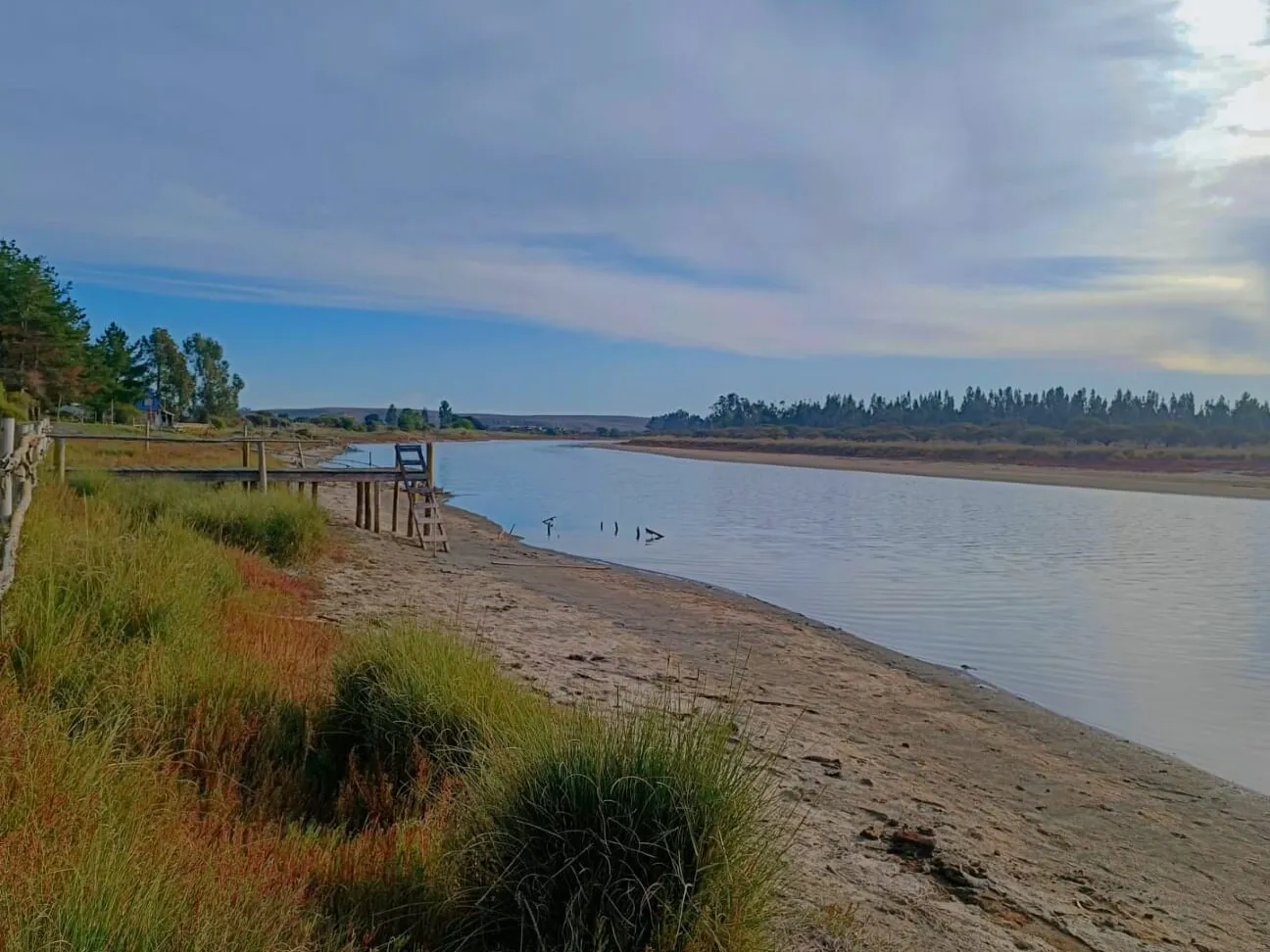
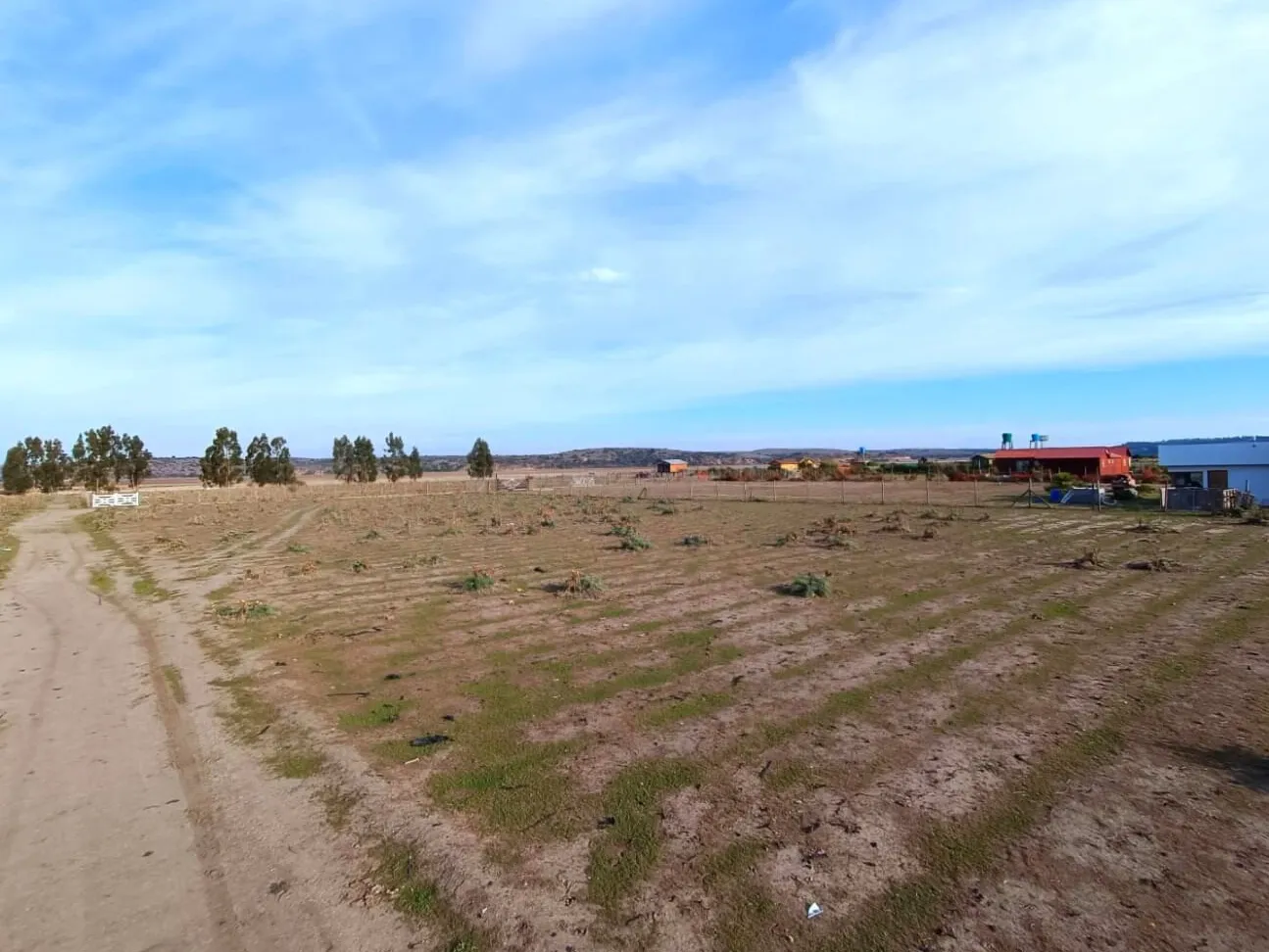
A vital ecosystem on Chile’s central coast, recognized for its rich aquatic and terrestrial biodiversity.
Access to the wetland is free all year round, with no fixed opening hours. However, visiting during daylight hours is recommended (ideally between 8:00 a.m. and 5:00 p.m.). To get there, you need a private vehicle: from El Quisco, take Route 78 toward San Antonio, then turn onto a signposted dirt road (8 km west). It is best to use GPS and check road conditions in advance on the CONAF website.
Access to the wetland is completely free because it is a protected Ramsar Site. If you book private guided tours, such as birdwatching trips, these do have a cost. There are no ticket booths or on-site ticket sales.
It is recommended to allow 2 to 3 hours to walk the main trails and viewpoints. If you are a birdwatcher or photographer, you may want to extend your visit to half a day. The full circuit is approximately 5 km over uneven terrain.
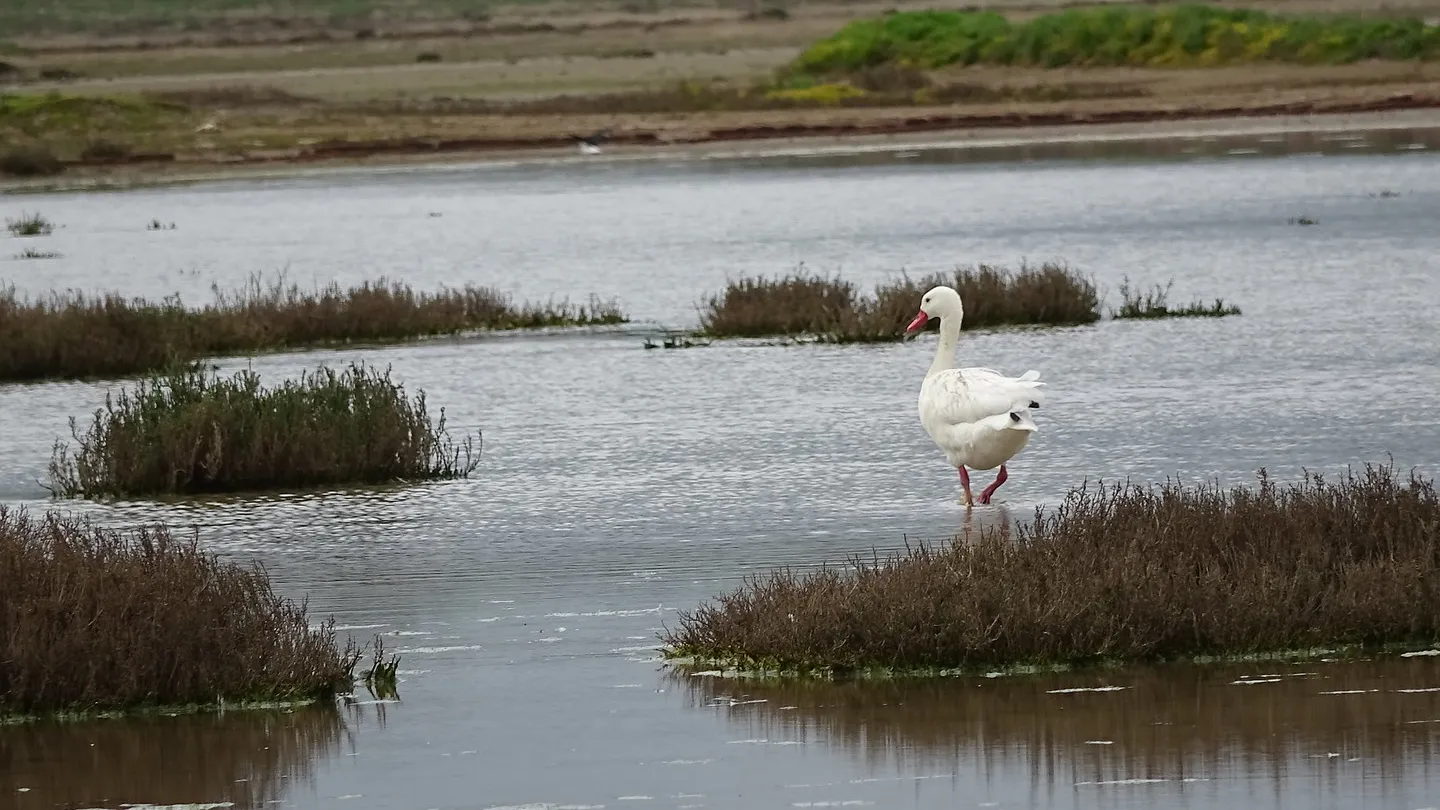
It was Chile’s first Ramsar Site (1996) because of its global importance as a habitat for migratory birds. It is home to 134 bird species (40% aquatic), including black-necked swans, flamingos, and curlews. It is also a key ecosystem for regulating the coastal microclimate. More information is available in the official Ramsar site entry.
Spring (September to November) and autumn (March to May), when migratory flocks arrive. The best times are early in the morning (8:00-10:00 a.m.) or late in the afternoon (4:00-6:00 p.m.) for greater bird activity and better photographic light.
There are no adapted trails: the terrain is uneven dirt, with gentle slopes and marshy areas. It is only recommended for people with limited mobility if they are accompanied and avoid rainy days. There are no adapted restrooms or nearby medical services.
Take the opportunity to visit: the beaches of El Quisco (7 km), Pablo Neruda’s house museum at Isla Negra (20 km), El Peral Lagoon Nature Sanctuary (15 km), and the famous Christ of the Fishermen in Algarrobo (13 km). More information at Chile Travel.
Bring: closed non-slip footwear, sunscreen, water, a hat, and binoculars. Do NOT feed animals, and take your trash with you. In winter, wear rubber boots (flood-prone areas). Download offline maps: cell signal is intermittent.
¿Prefieres escuchar en español?
🇪🇸 Escucha la audioguía de Yali Wetland en español