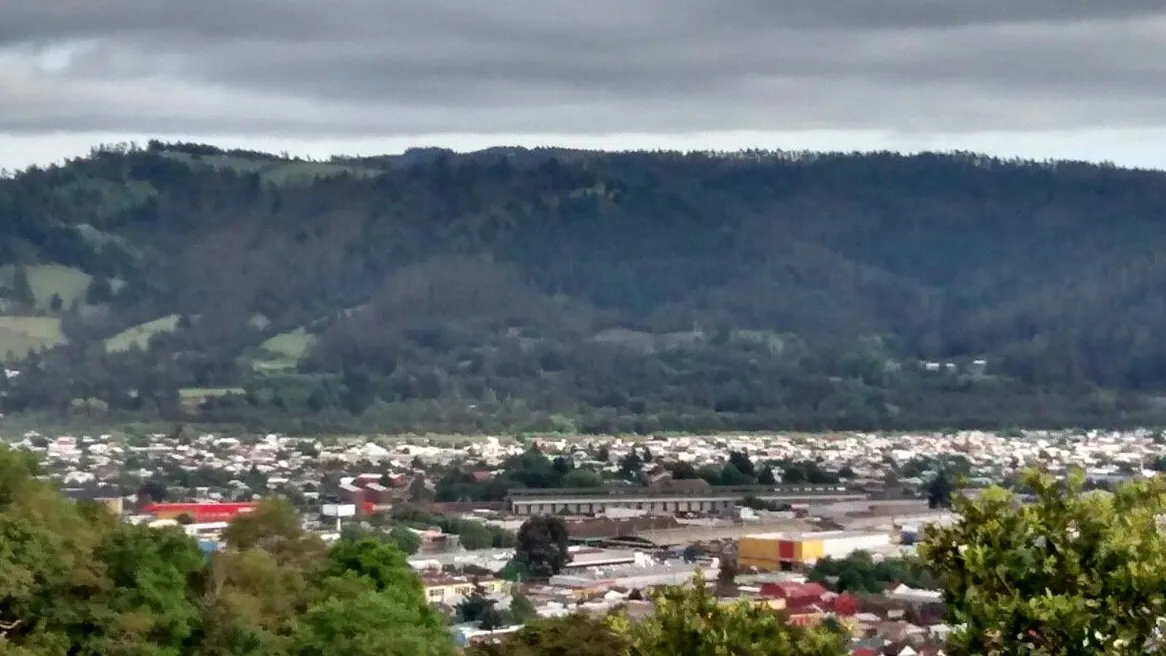
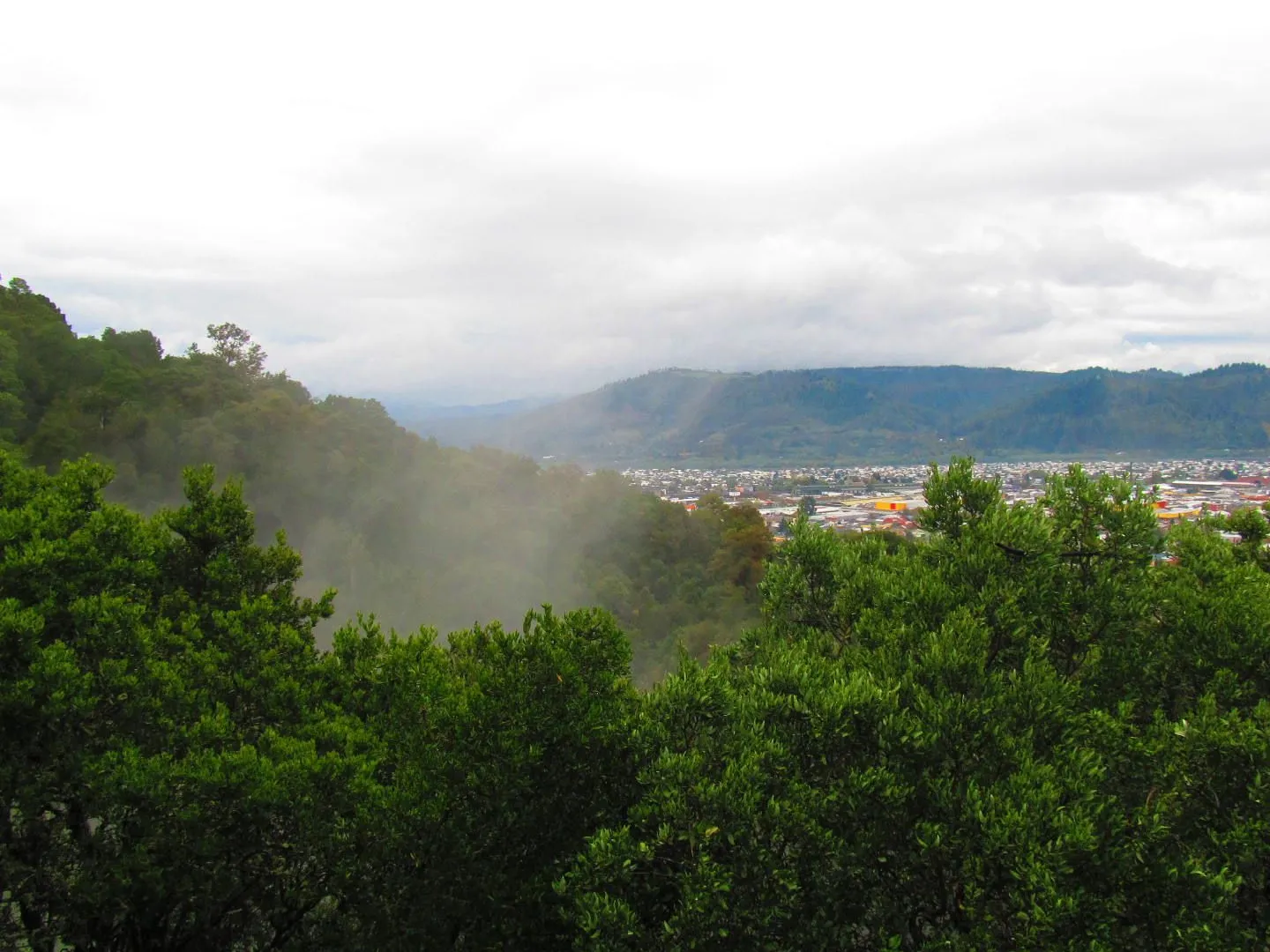
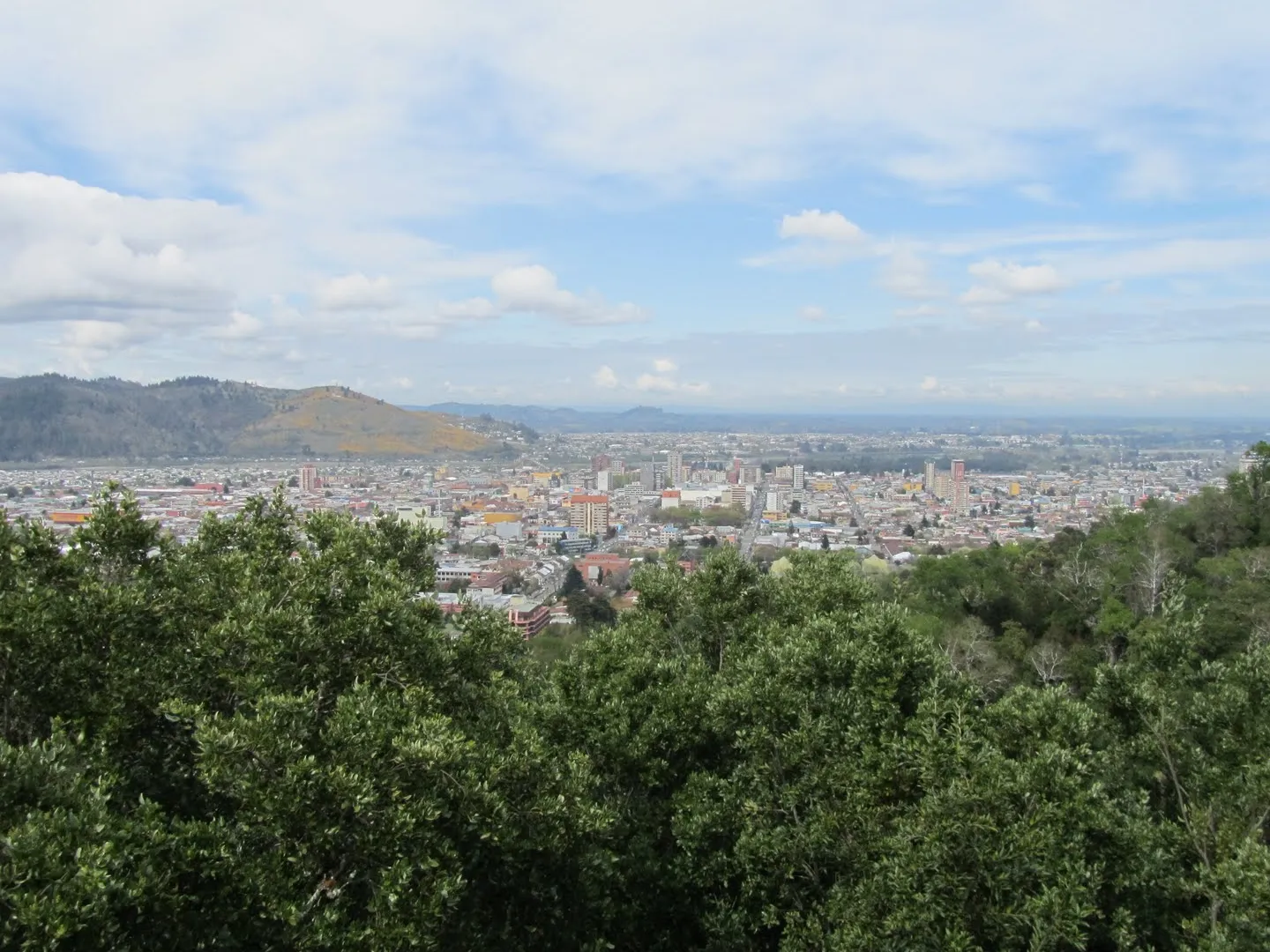
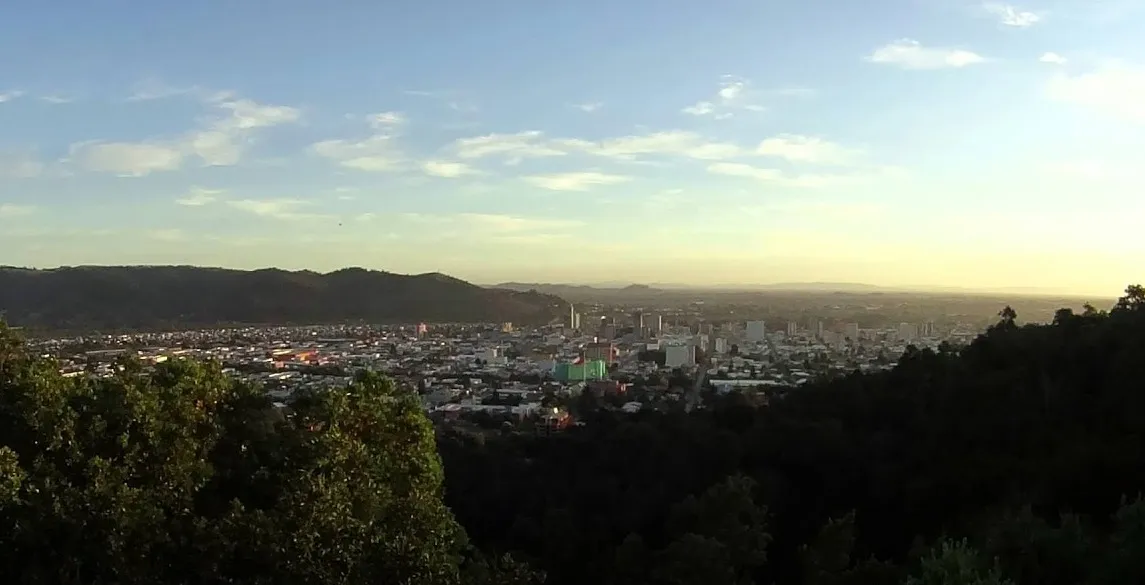
Donde las araucarias cuentan historias de parlamentos secretos, toros mitológicos y las raíces de una ciudad nacida entre tensiones.
The Natural Monument generally opens from Tuesday to Sunday (closed on Mondays for maintenance) from 9:00 a.m. to 5:00 or 6:00 p.m., depending on the season. The main entrance is very easy to reach, located at the end of Arturo Prat Street, just a few blocks from Temuco’s Plaza de Armas, allowing access both on foot and by car.
Yes, as it is a protected area managed by the National Forest Corporation, there is an entrance fee. Approximate prices are CLP 2,500 for domestic adult visitors and around CLP 4,500 for foreign visitors, with reduced rates for children and seniors. You can check and buy your tickets at pasesparques.cl.
For a full experience that includes stopping at the viewpoints and walking the short trails, we recommend setting aside 2 to 3 hours. If you drive straight up to the summit just to enjoy the panoramic view, one hour may be enough, but you would miss the magic of walking through the Valdivian forest.
It is a site of immense historical and spiritual significance; this is where La Patagua del Armisticio stands, the tree under which the 1881 parliament was held between the Mapuche and the Chilean army. In addition to being a sacred place in the Mapuche worldview, it is the only Natural Monument in Chile located within an urban area.
Spring is ideal for seeing the copihue, Chile’s national flower, blooming in its natural habitat. Visiting in the morning is recommended to enjoy birdsong and avoid the afternoon crowds, making it easier to take clearer photos from the viewpoints.
Access is partially suitable; you can drive up the paved road to the summit and the main viewpoints, which are accessible. However, the interior trekking trails are unpaved and have uneven slopes that make wheelchair access difficult.
When you come down the hill, you are practically in the city center; we suggest visiting the Temuco Municipal Market (currently under reconstruction but with nearby fairs) for handicrafts, or the Regional Museum of Araucanía, located on Alemania Avenue, to learn more about local history.
Wear comfortable, non-slip footwear, as the forest humidity can make the trails slippery. Don’t forget your water bottle, and we recommend downloading an audio guide or reading about the local flora beforehand so you can identify native species such as boldo, peumo, and olivillo.
¿Prefieres escuchar en español?
🇪🇸 Escucha la audioguía de Cerro Ñielol en español