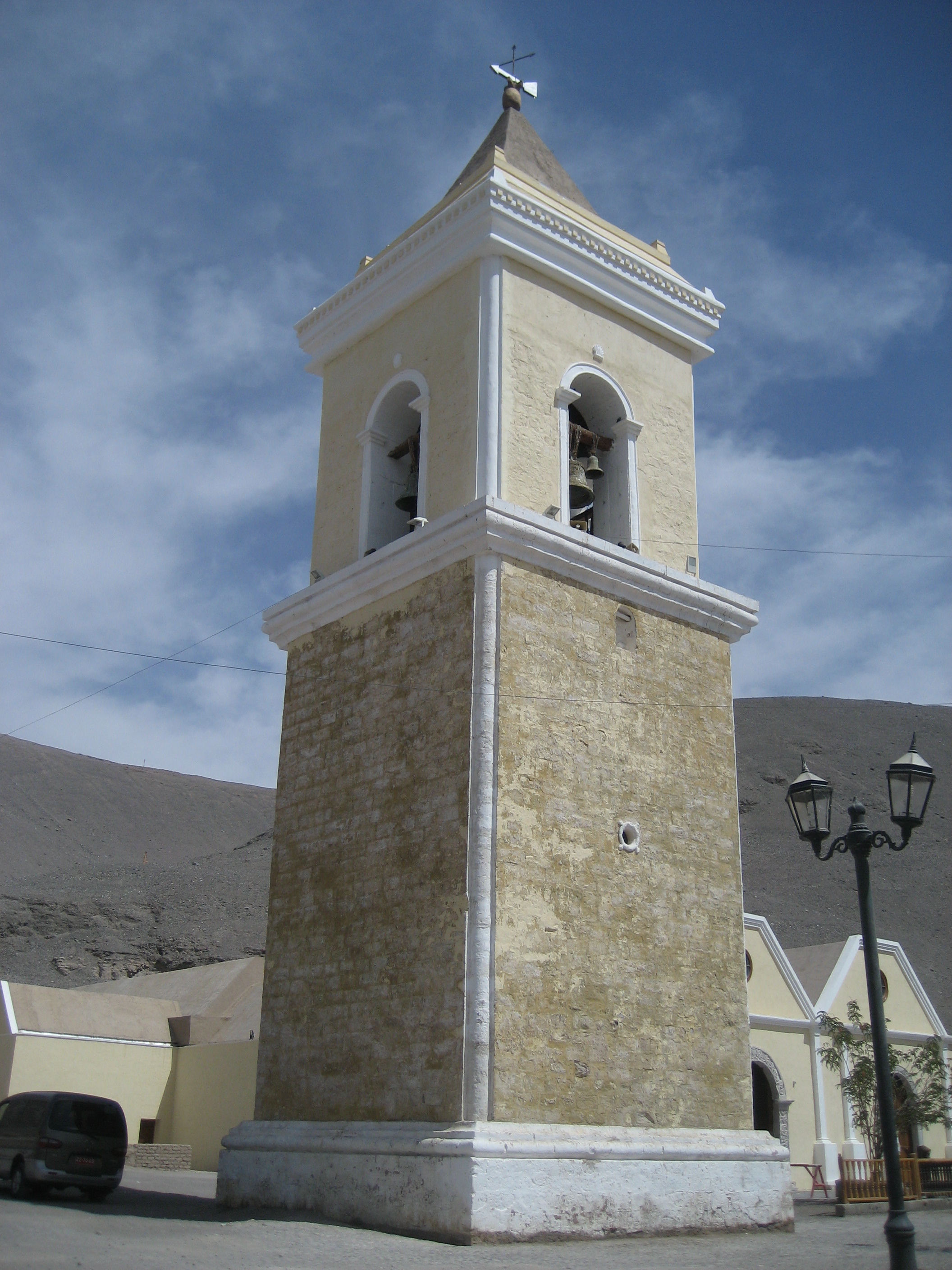
A historic village in the middle of the Atacama Desert, famous for its religious festival, adobe architecture, and for being the setting of one of the bloodiest battles of the War of the Pacific.
The village is a public space open 24 hours a day, although the Church of Saint Lawrence is usually open from 09:00 to 18:00 (subject to the caretaker's availability). To get there, you need to travel by private vehicle or tour from Iquique to the municipality of Huara and then turn off toward the Tarapacá Ravine.
No, access to the village and the historic church is completely free. However, voluntary donations are appreciated at the church to help with the maintenance of this important National Monument.
A relaxed visit of 1 to 2 hours is enough to walk around the square, the church, and enjoy the ravine landscape. Keep in mind that the trip from Iquique can take about 2 hours each way, so it is ideal to plan it as a half-day excursion.
This place is an 18th-century heritage landmark and the center of deep devotion to 'Lolo' (Saint Lawrence), patron saint of miners and transport workers. Its rebuilt church is a symbol of resilience in the face of earthquakes and fires, representing the living identity of the Chilean desert.
If you want to experience local culture at its fullest, visit during the Feast of Saint Lawrence around August 10. If you prefer peace and quiet and want to avoid crowds, the months from April to June or September to November offer more pleasant weather.
Accessibility is limited due to the dirt streets and uneven terrain typical of an old village in a ravine. However, the main square area and the front access to the church are passable with assistance.
On your route, you can visit the striking Atacama Giant on Unita Hill, the largest anthropomorphic geoglyph in the world. You are also close to Huara, a strategic stop with basic services and a historic pharmacy.
Bring cash (there are few card payment options), plenty of water, and strong sun protection. It is essential to fill up with fuel in Iquique or Huara before heading along the route, as there are no gas stations in the village of Tarapacá.
¿Prefieres escuchar en español?
🇪🇸 Escucha la audioguía de San Lorenzo de Tarapacá en español