No te vayas sin conocer la historia Suscribete
IAudioGuia iaudioguia
Audio Guides of Santiago

Audio Guide of Museum of Memory and Human Rights

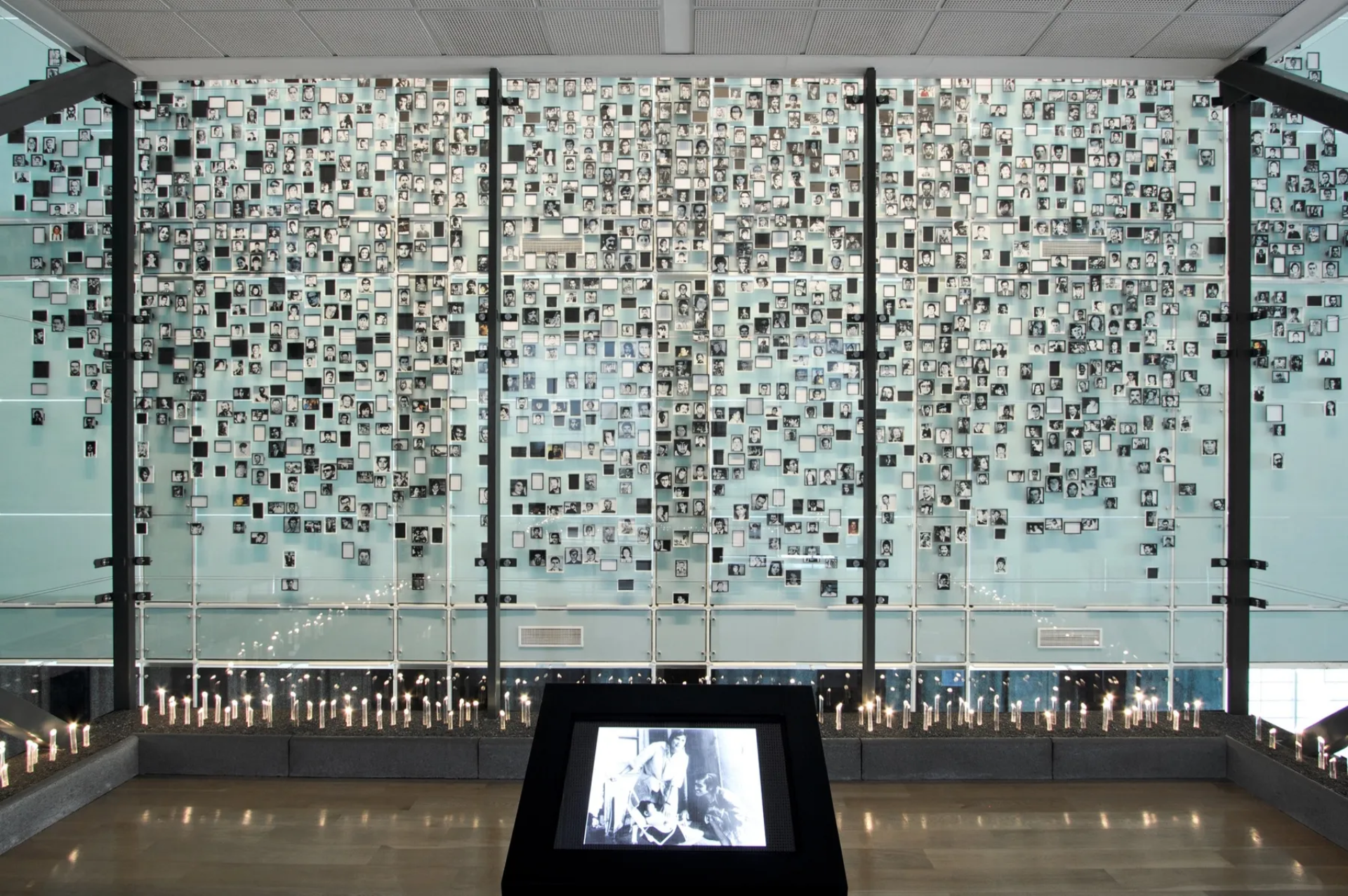
Donde los muros guardan 40.000 secretos y un terremoto quedó en segundo plano

✓ What guidebooks don't tell you
✓ Secrets other tourists miss
✓ Listen while you explore
Discover everything
00:00
00:00

📖 Audio Guide Chapters

6 chapters

1. The earthquake that became secondary news

🔒 Premium Content

Subscribe to access all chapters of this audio guide.

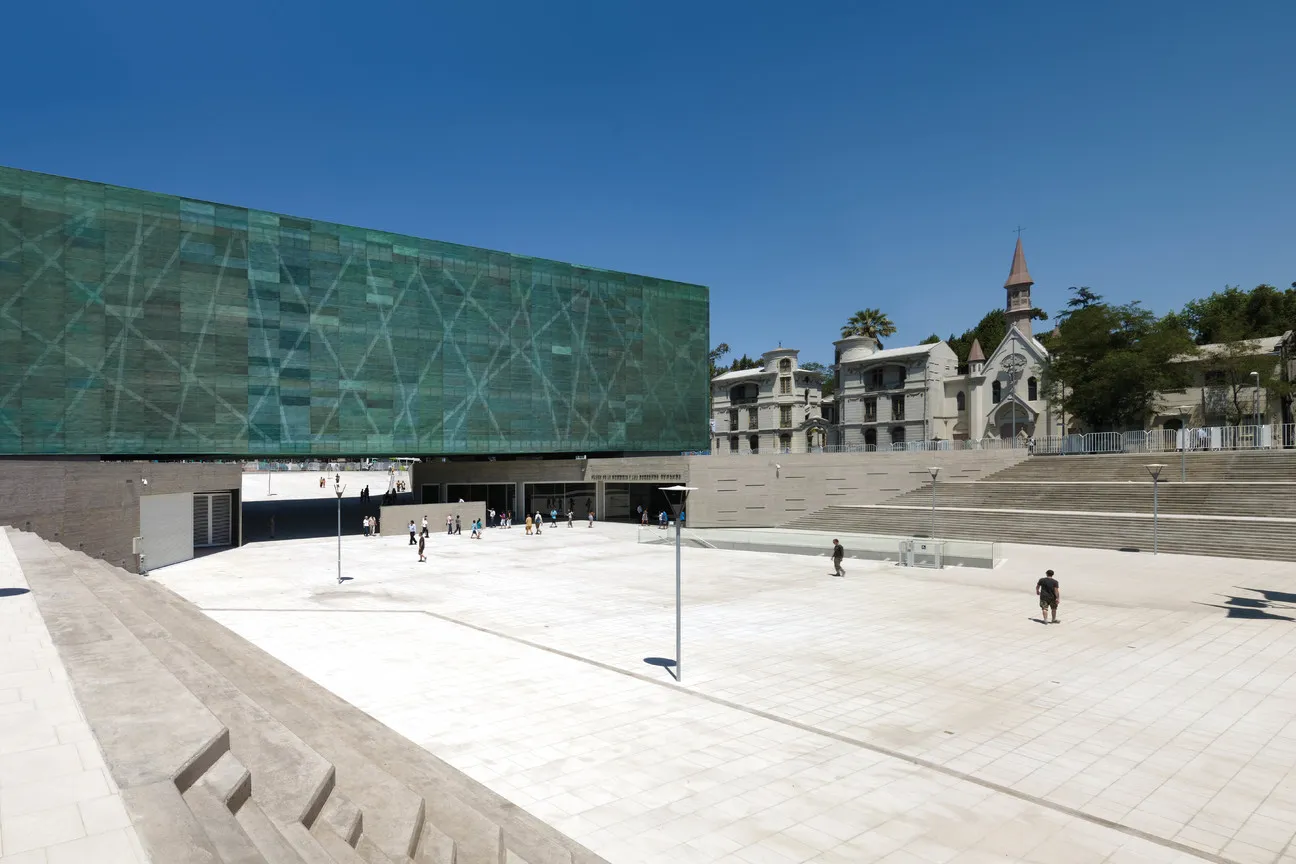
2. The concrete scar pointing toward the Presidential Palace

🔒 Premium Content

Subscribe to access all chapters of this audio guide.

3. Luz Donoso: the artist who slipped into the Directorate’s archives

🔒 Premium Content

Subscribe to access all chapters of this audio guide.

4. The condor that brought porn films

🔒 Premium Content

Subscribe to access all chapters of this audio guide.

5. The literal wounds in the paper

🔒 Premium Content

Subscribe to access all chapters of this audio guide.

6. Víctor Jara’s message that survived inside a shoe

🔒 Premium Content

Subscribe to access all chapters of this audio guide.

❓ Frequently Asked Questions

What are the opening hours, and how can I make sure my visit to the Museum of Memory and Human Rights goes smoothly?

The Museum of Memory and Human Rights is open Tuesday to Saturday from 10:00 a.m. to 6:00 p.m., and on Sundays from 10:00 a.m. to 5:00 p.m. For the best experience, it is advisable to check its official website before your visit, as hours may vary on public holidays or during special events. General admission is free and no advance reservation is required.

Is there an admission fee for the Museum, or is it free?

Good news: admission to the Museum of Memory and Human Rights is completely free. You can visit all of its permanent and temporary exhibitions at no cost, making it easier for everyone to learn about and reflect on Chile’s history.

How much time should I set aside for my visit to fully experience the Museum?

For a complete and meaningful visit, I suggest setting aside at least 2 to 3 hours. This will give you enough time to explore the exhibitions calmly, reflect on the content, and take in all the information on display.

Why is this Museum so important? What does it represent for Chile and its history?

This Museum is vital because it honors the victims of human rights violations that took place in Chile between 1973 and 1990. Its purpose is to preserve memory, encourage critical reflection on the past, and promote respect for human rights in the present and future, making it a fundamental pillar in the building of democracy and peace.

Is there a best time of day or time of year to visit the Museum to avoid crowds or have a better experience?

If you are looking for a quieter visit, I recommend going early in the morning right when it opens, or later in the afternoon, especially on weekdays. Weekends are usually busier. As for the time of year, the low tourist season months of March-April and September-November may offer a more relaxed experience.

Does the Museum have facilities for people with reduced mobility or wheelchair users?

Yes, the Museum of Memory and Human Rights is designed to be accessible. It has ramps, elevators, and adapted restrooms for people with reduced mobility, ensuring that all visitors can move through the facilities comfortably and safely.

Are there other interesting attractions near the Museum of Memory worth visiting before or after?

Absolutely. The Museum is located in the vibrant Yungay neighborhood, an area full of history. Very nearby you will find the National Museum of Natural History, Quinta Normal Park, ideal for a walk, and the Concha y Toro neighborhood with its classic architecture. You can also explore small cafés and art galleries in the surrounding area.

What practical tips would you give me to make the most of my visit to the Museum of Memory?

I suggest going with an open mind and a willingness to reflect. If you would like to go deeper, consider using the audio guide services to enrich your experience with narration and testimonies. Take your time, do not rush, and if you feel moved, allow yourself to process the emotions that arise. Avoid visiting in a hurry and appreciate this space of memory.

¿Prefieres escuchar en español?

🇪🇸 Escucha la audioguía de Museum of Memory and Human Rights en español