No te vayas sin conocer la historia Suscribete
IAudioGuia iaudioguia
Audio Guides of Pichilemu

Audio Guide of the Rural Child Museum

¿Sabías que en la capital del surf chileno, niños de hace un siglo ordeñaban vacas antes del desayuno? Descubre sus risas y lágrimas ocultas.

✓ What guidebooks don't tell you
✓ Secrets other tourists miss
✓ Listen while you explore
Discover everything
00:00
00:00
Rate this audio guide

📖 Audio Guide Chapters

6 chapters

1. The Plow That Defied the Waves

🔒 Premium Content

Subscribe to access all chapters of this audio guide.

2. Walls That Whisper Forgotten Trades

🔒 Premium Content

Subscribe to access all chapters of this audio guide.

3. Love in the Corral and Hatred Under the Sun

🔒 Premium Content

Subscribe to access all chapters of this audio guide.

4. The Myth of the Toy That Bit

🔒 Premium Content

Subscribe to access all chapters of this audio guide.

5. Marks That Lazy Eyes Ignore

🔒 Premium Content

Subscribe to access all chapters of this audio guide.

6. The Echo You Take at Sunset

🔒 Premium Content

Subscribe to access all chapters of this audio guide.

❓ Frequently Asked Questions

What are the opening hours of the Rural Child Museum in Pichilemu, and how can I visit it?

The Rural Child Museum in Pichilemu has opening hours that may vary depending on the season and the availability of the person in charge. The best option is to contact them directly before your visit to confirm. You can try calling Pichilemu’s tourist information number or looking for their Facebook page, if they have one. Local tourism services in Pichilemu may also offer details on how to get there and other useful information.

Do I have to pay to enter the Rural Child Museum, or is admission free?

Generally, small community museums such as the Rural Child Museum tend to offer free admission or accept a voluntary contribution. No specific information has been found about a fixed fee, so we suggest asking upon arrival or contacting them in advance to confirm. It is an excellent opportunity to support local initiatives.

How much time is recommended to tour the Rural Child Museum and fully appreciate everything it offers?

To have a good experience and appreciate the collection and the meaning of the exhibits, it is recommended to spend between 45 minutes and 1 hour on the visit. It is an intimate museum that tells a valuable story about rural life in the Pichilemu area.

What is the story behind the Rural Child Museum, and what makes it so special?

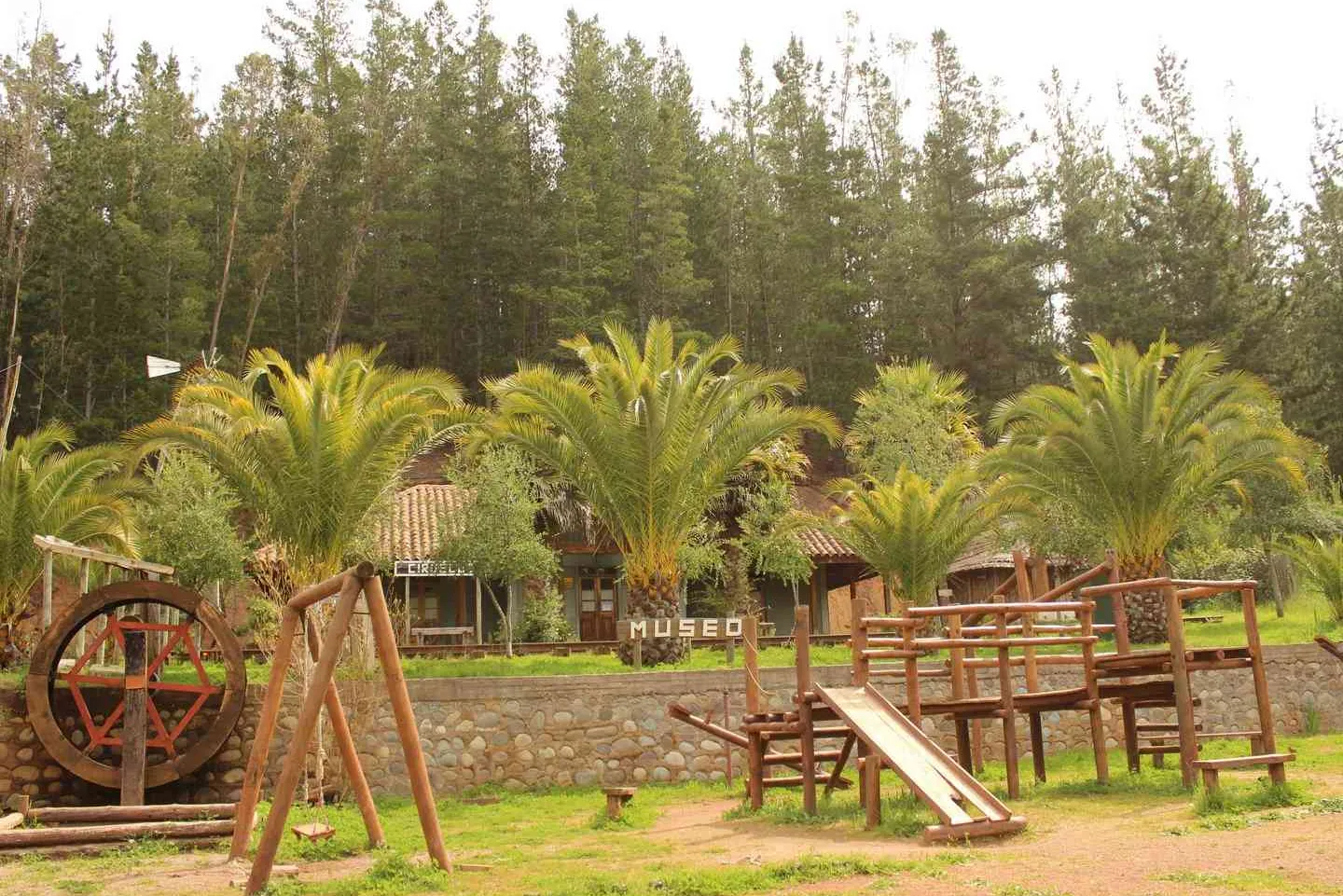
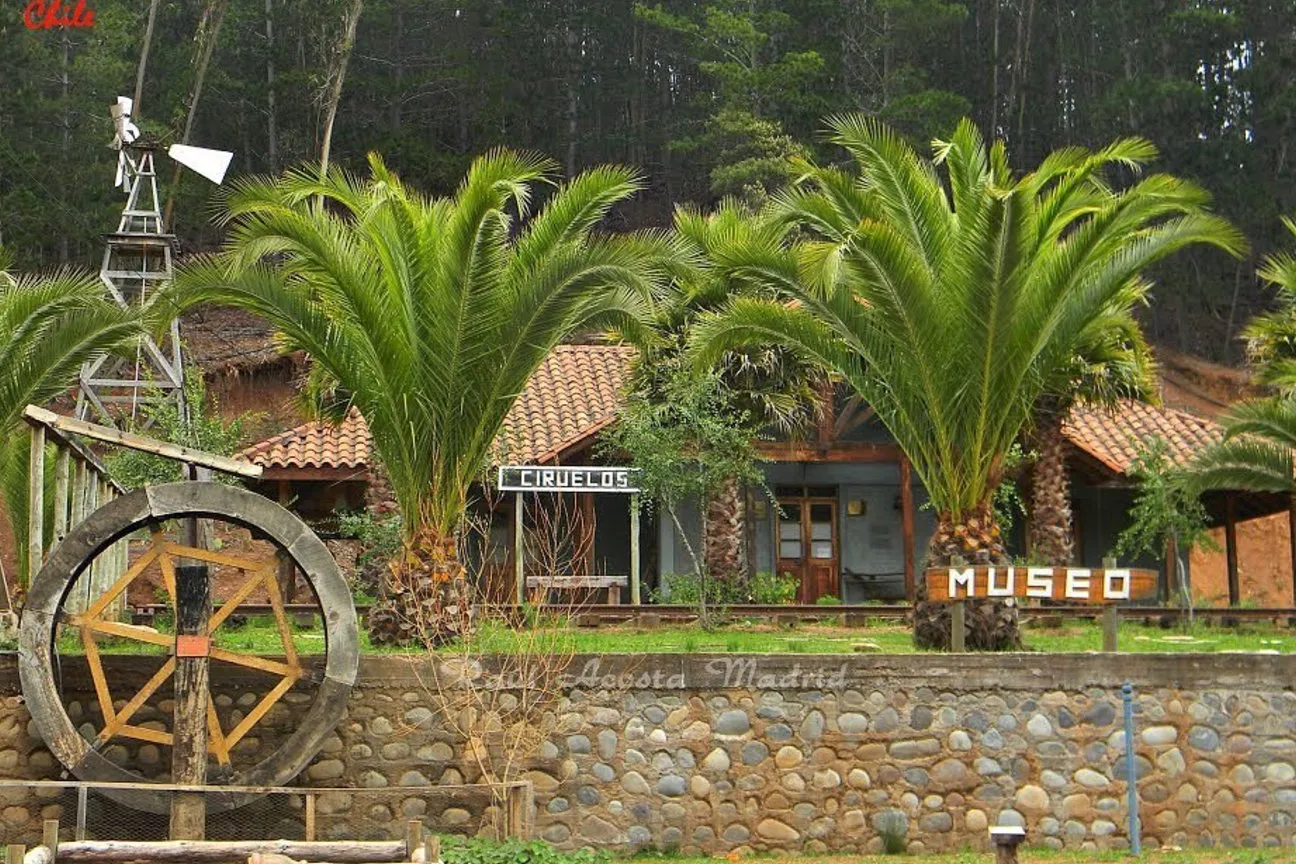
The Rural Child Museum celebrates and preserves the memory of childhood in the Chilean countryside, especially in the O'Higgins Region. Through old toys, miniature rural tools, and everyday objects, the museum evokes the life, games, and customs of children from the past, showing what it was like to grow up in a rural environment and its cultural and historical significance.

What is the best time of year or day to visit the Rural Child Museum?

Pichilemu is a popular destination in summer, which can mean larger crowds. If you are looking for a quieter experience, consider visiting in the low season (autumn or spring months) or during the mornings on any weekday. That way, you can enjoy the museum more calmly and possibly receive more personalized attention if the person in charge is present.

Does the Rural Child Museum have access for people with reduced mobility or wheelchairs?

Since it is a smaller-scale museum and is often housed in older buildings, accessibility for people with reduced mobility may be limited. We strongly recommend contacting the museum directly before your visit to ask about ramps, accessible restrooms, and any other facilities. Pichilemu tourist information may have details if direct museum contact is not easily available.

What other attractions or interesting places can I visit near the Rural Child Museum in Pichilemu?

Pichilemu is famous for its beaches, ideal for surfing and relaxing, such as Punta de Lobos Beach. You can also explore Ross Park, the Municipal Forest, Cahuil Lagoon and its salt flats, and the Monument to the Source of the Nilahue River. The town has a coastal charm that offers many options to complement your museum visit.

Any practical tips to make the most of my visit to the Rural Child Museum?

If possible, call ahead to confirm opening hours and availability. Prepare a few questions about the collection or rural history to interact with the staff, if someone is present, as they are often very knowledgeable and passionate. Also, take your time to observe the details of each object; each one tells a story that transports you to the past of rural childhood in Chile.

¿Prefieres escuchar en español?

🇪🇸 Escucha la audioguía de the Rural Child Museum en español