

No te vayas sin conocer la historia Suscribete
IAudioGuia iaudioguia
Audio Guides of Puerto Varas

Audio Guide of Philippi Park

Discover Philippi Park in Puerto Varas. A unique experience to learn about its history and significance.

✓ What guidebooks don't tell you
✓ Secrets other tourists miss
✓ Listen while you explore
Discover everything
00:00
00:00
Rate this audio guide

📖 Audio Guide Chapters

6 chapters

1. The explorer who drowned in Patagonia

🔒 Premium Content

Subscribe to access all chapters of this audio guide.

2. The myrtles hiding forgotten maps

🔒 Premium Content

Subscribe to access all chapters of this audio guide.

3. German loves and battles with the wilderness

🔒 Premium Content

Subscribe to access all chapters of this audio guide.

4. Killer swans and rains that drown dreams

🔒 Premium Content

Subscribe to access all chapters of this audio guide.

5. Marks on trunks that shout 'look here!'

🔒 Premium Content

Subscribe to access all chapters of this audio guide.

6. The green lung that will steal your heart

🔒 Premium Content

Subscribe to access all chapters of this audio guide.

❓ Frequently Asked Questions

What time is Philippi Park open, and how can I get there?

Philippi Park is generally accessible during the day. As it is a public space and viewpoint, it does not have fixed closing hours like a museum. The main ascent is via stairs from Costanera Street, but you can also reach part of the way by car. We recommend checking a local map for the easiest routes: View on Google Maps.

Do I have to pay an entrance fee to access Philippi Park, or is it free?

Good news! Access to Philippi Park is completely free. You can enjoy its trails and views at no cost, making it a perfect and budget-friendly plan for your visit to Puerto Varas.

How long would it take to visit Philippi Park comfortably?

To fully enjoy the panoramic views of Lake Llanquihue and the volcanoes, as well as walk the trails, we recommend setting aside between 1 and 2 hours. If you feel like taking lots of photos, perhaps a little longer.

What history or significance does Philippi Park have for Puerto Varas?

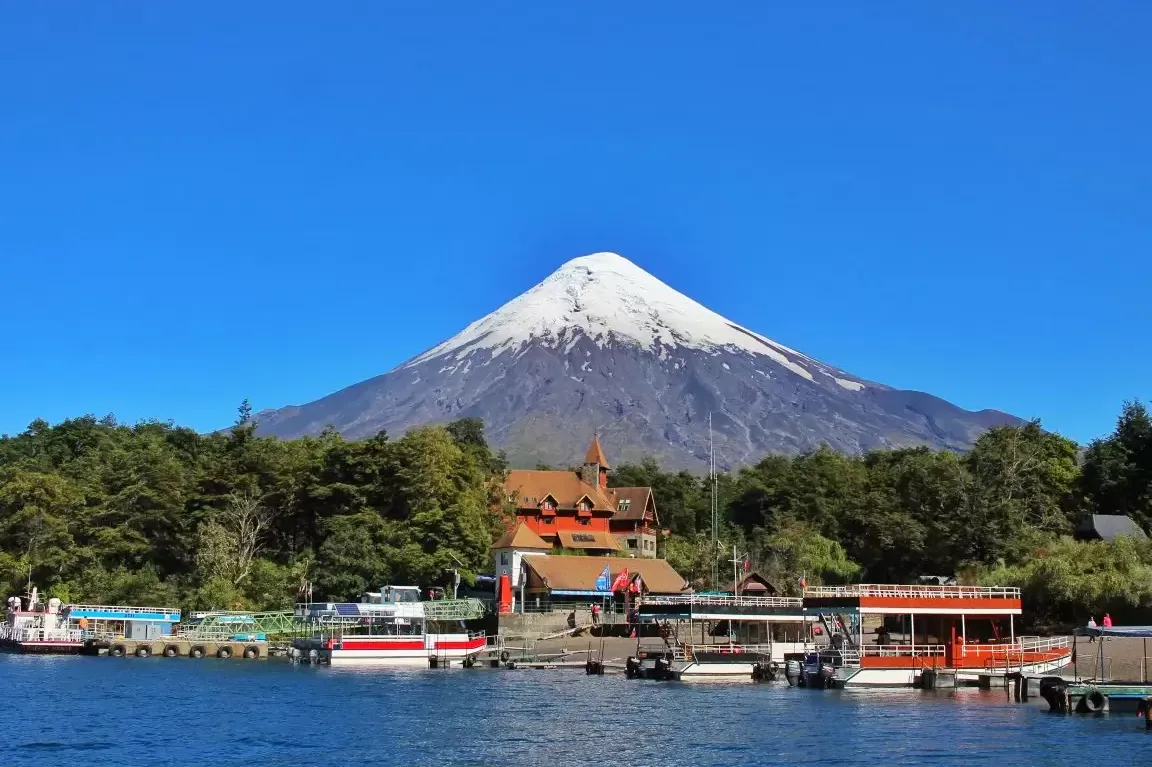
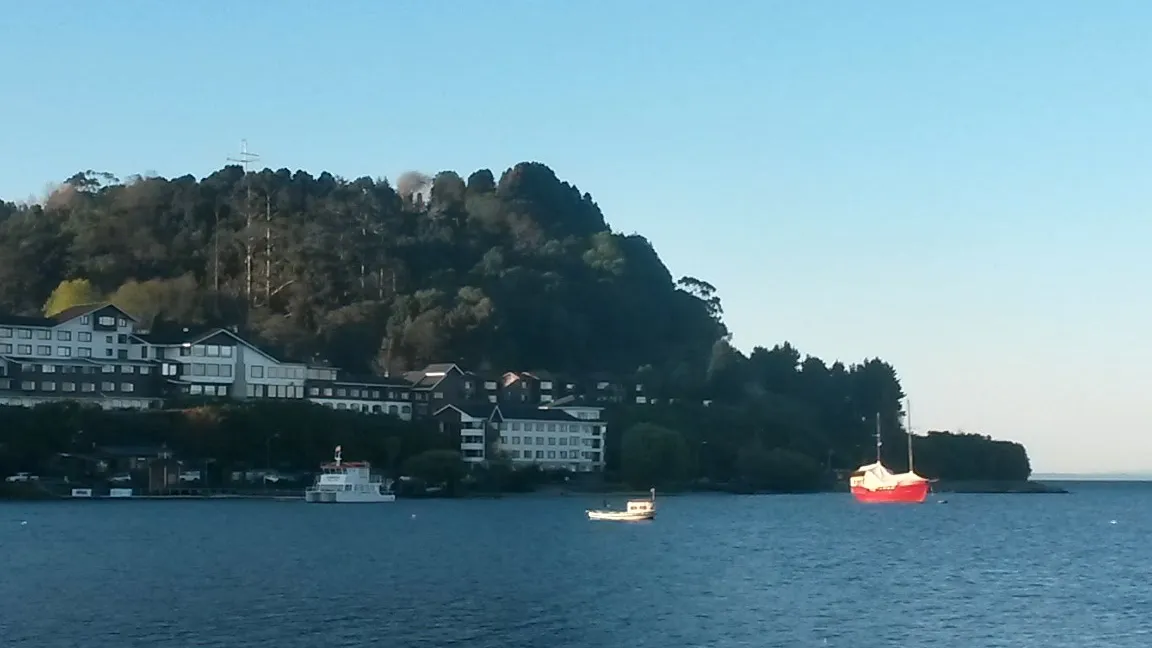
Philippi Park, also known as Philippi Hill, is a green lung and a natural viewpoint that pays tribute to Rodulfo Amando Philippi, a distinguished German naturalist. It is an iconic spot offering a privileged view of the city, the lake, and its imposing volcanoes, connecting local history with the natural beauty of the region.

What is the best time of day or year to visit Philippi Park?

For spectacular views, we suggest visiting at sunset, when the sky fills with color over the lake and the volcanoes. As for the best time of year, spring and summer (November to March) offer more pleasant weather and less rain, ideal for exploring without setbacks.

Is Philippi Park accessible for people with reduced mobility or wheelchairs?

Due to its hillside terrain and uneven trails, accessibility for people with reduced mobility or wheelchairs may be limited, especially in the upper area. The main ascent is by stairs, and the internal paths can be irregular. It is advisable to check with the local tourist office for specific options or alternative routes.

What other nearby attractions are there to visit after Philippi Park?

Puerto Varas has a lot to offer! Once you come down from the park, you can stroll along the waterfront, visit the Sacred Heart of Jesus Church, the city’s icon, or explore craft shops and enjoy the local cuisine. Lake Llanquihue is right there, inviting you to more adventures: Discover more about Puerto Varas.

Any practical tips to make the most of my visit to Philippi Park?

Absolutely! I recommend wearing comfortable walking shoes, bringing water to stay hydrated, and, if you go on sunny days, sunscreen and a hat. Don’t forget your camera—the views are stunning. If the day is cloudy, don’t be discouraged! Sometimes the mist adds a different and magical touch to the landscape. Enjoy the majesty of southern Chile!

¿Prefieres escuchar en español?

🇪🇸 Escucha la audioguía de Philippi Park en español