No te vayas sin conocer la historia Suscribete
IAudioGuia iaudioguia
Audio Guides of Chiloe

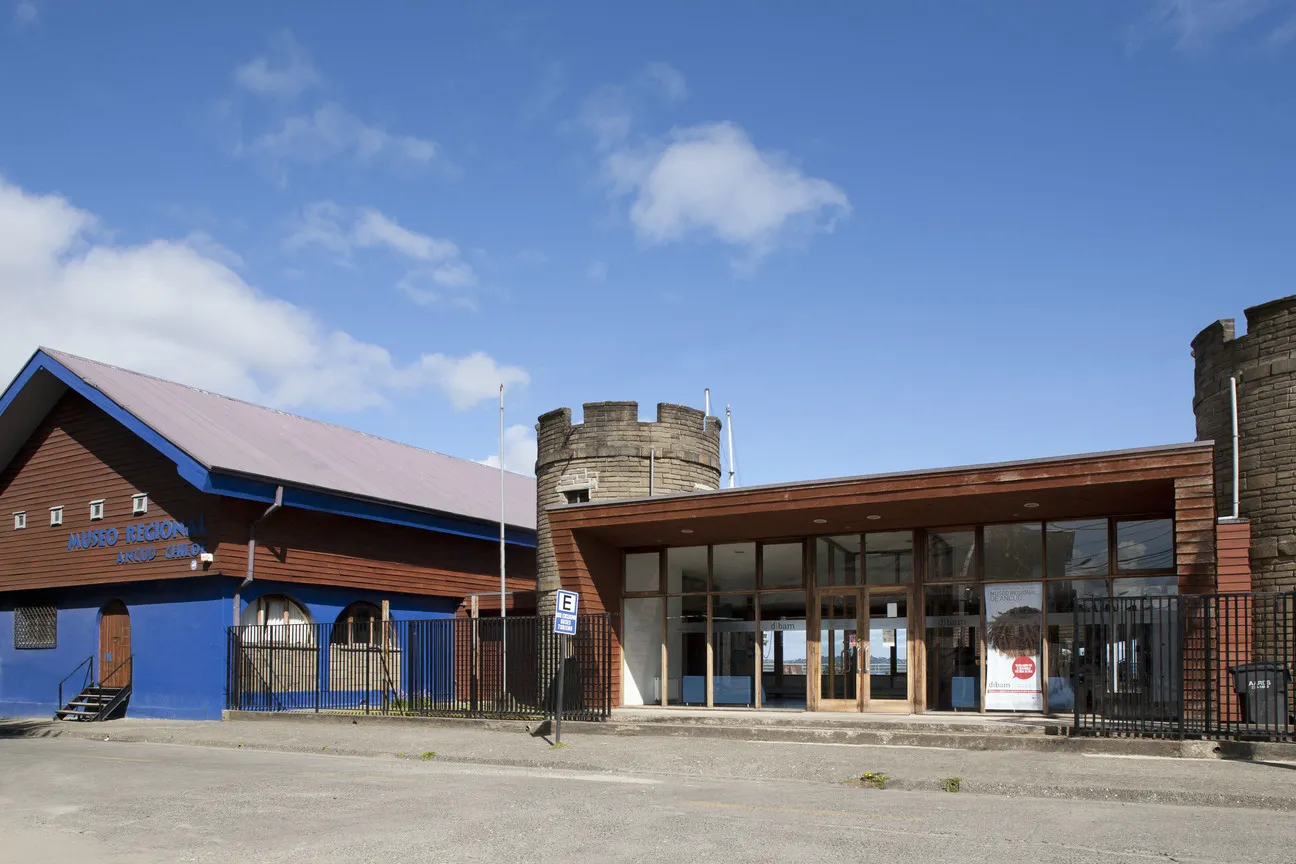
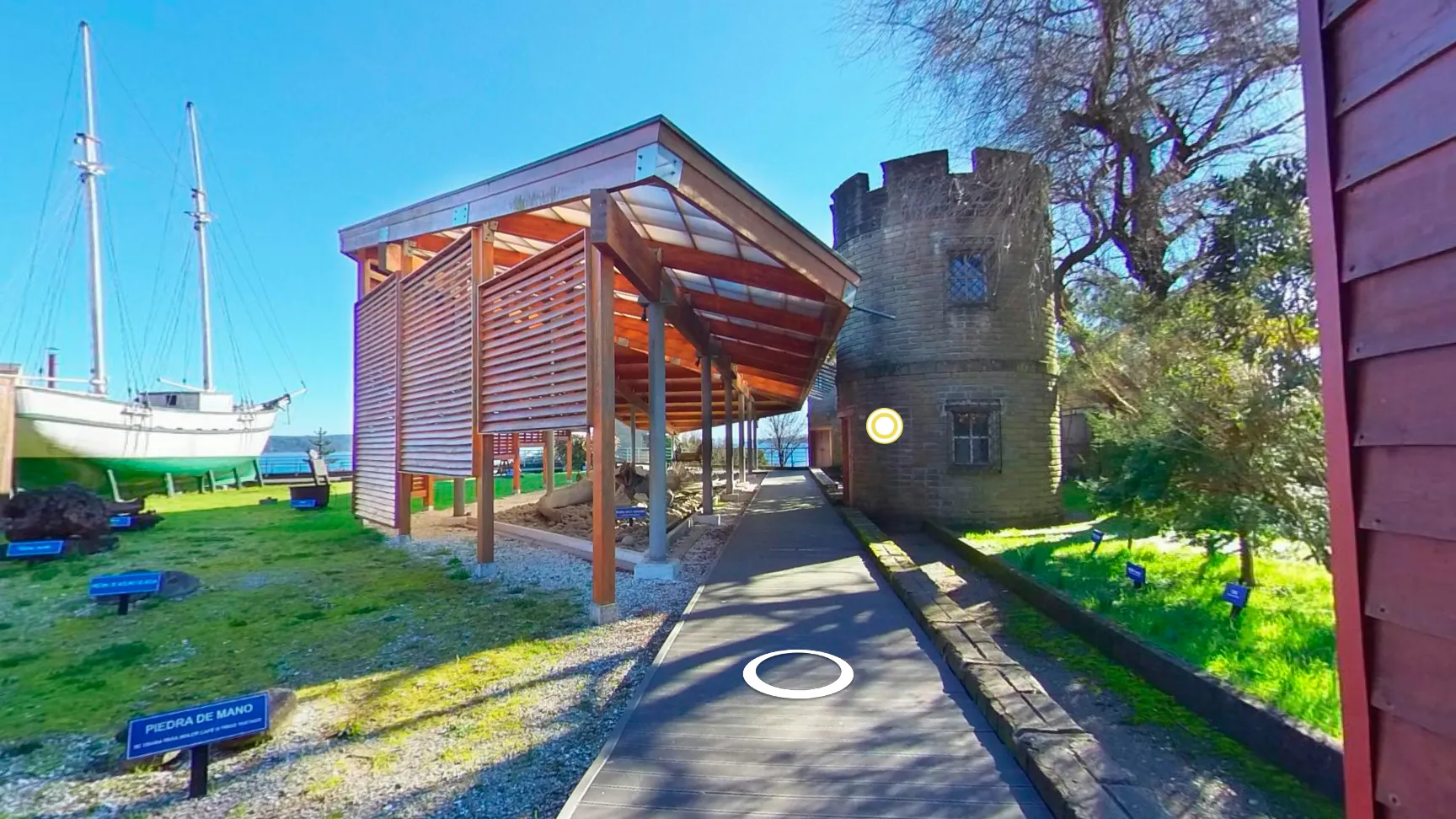
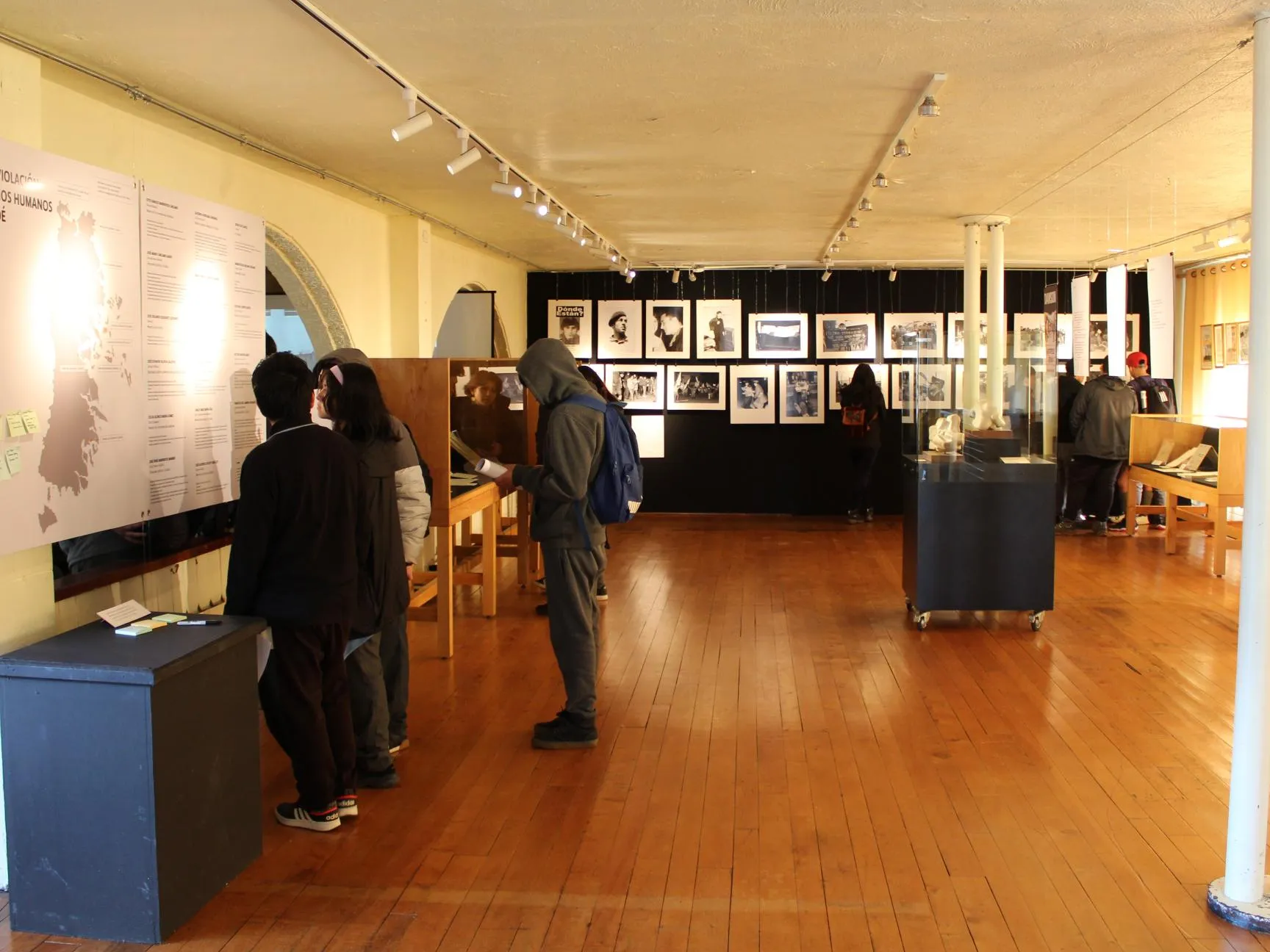
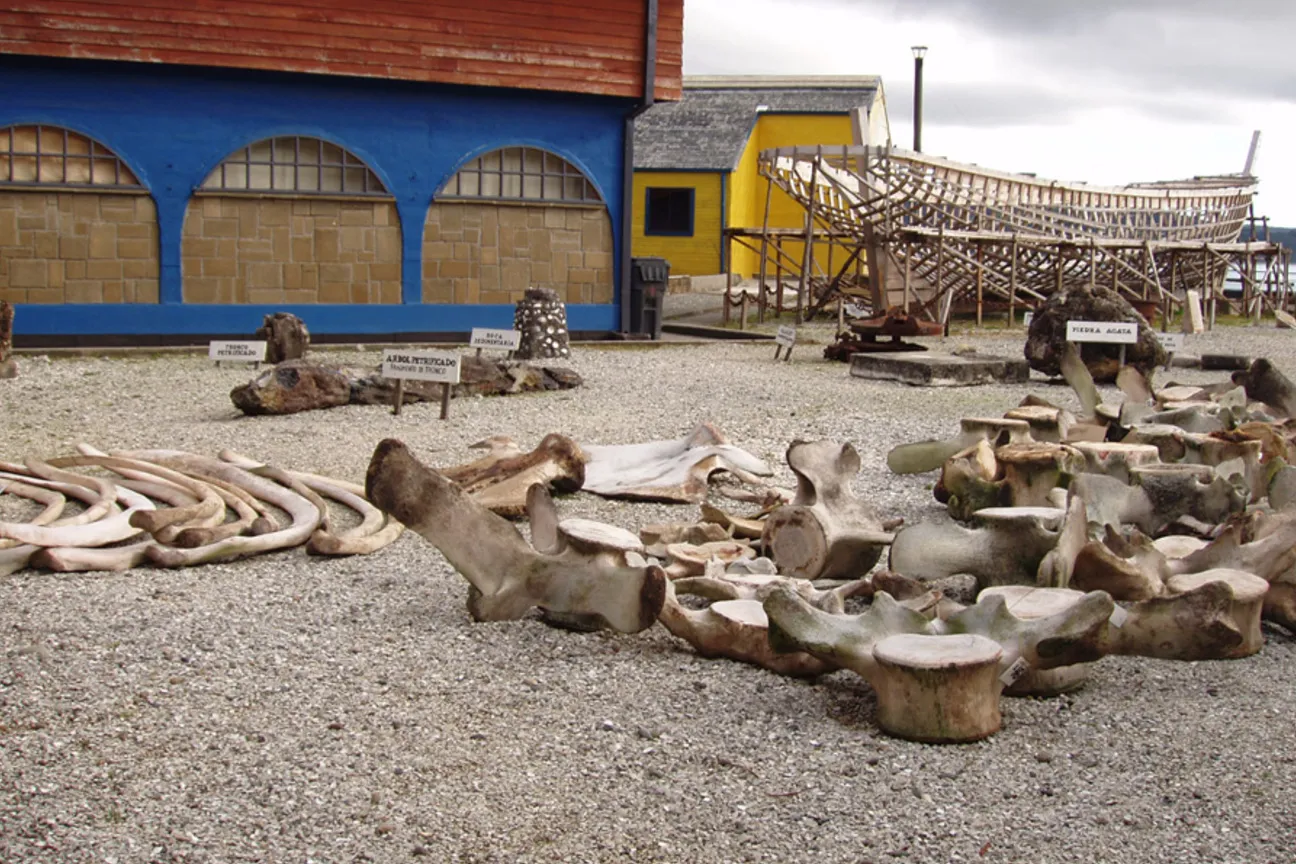
Audio Guide of Museo Regional de Ancud

A fascinating journey through the natural and cultural history of the Chiloé archipelago, from its origins to its vibrant present.

✓ What guidebooks don't tell you
✓ Secrets other tourists miss
✓ Listen while you explore
Discover everything
00:00
00:00
Rate this audio guide

📖 Audio Guide Chapters

6 chapters

1. A Journey Through Time in Chiloé

🔒 Premium Content

Subscribe to access all chapters of this audio guide.

2. Structures That Tell Stories

🔒 Premium Content

Subscribe to access all chapters of this audio guide.

3. The Living Culture of Chiloé on Display

🔒 Premium Content

Subscribe to access all chapters of this audio guide.

4. Shapers of Chiloé History

🔒 Premium Content

Subscribe to access all chapters of this audio guide.

5. Myths and Mysteries of the Archipelago

🔒 Premium Content

Subscribe to access all chapters of this audio guide.

6. A Lasting Legacy for Chiloé

🔒 Premium Content

Subscribe to access all chapters of this audio guide.

❓ Frequently Asked Questions

What are the opening hours of the Ancud Regional Museum, and how can I get there?

The museum is open Tuesday to Friday from 9:00 am to 1:00 pm and from 2:30 pm to 5:30 pm, and on Saturdays and Sundays from 10:00 am to 2:00 pm and from 3:00 pm to 6:00 pm; it is closed on Mondays and public holidays. It is located in downtown Ancud at 675 Libertad Street and is easily accessible on foot from the main square or by local bus; for more details, check the official website here.

How much does admission to the Ancud Regional Museum cost? Is it free for Chileans?

Admission to the Ancud Regional Museum is completely free for all visitors, including Chileans and foreigners, as it is a public museum managed by the National Cultural Heritage Service. No advance reservations are required for individual visits, but check the official website for updated opening hours.

How much time is recommended for visiting the Ancud Regional Museum?

It is recommended to allow at least 1 to 2 hours for a complete visit, exploring the rooms dedicated to Chiloé history, artifacts, and permanent exhibitions. If you want to go deeper into the explanations, you could extend your visit to 2.5 hours, but it is ideal for a relaxed morning or afternoon.

What is the historical and cultural importance of the Ancud Regional Museum?

The museum houses collections that tell the story of Chiloé from the pre-Columbian era to the present day, highlighting island culture, myths, and Chilean traditions such as stilt houses and maritime trade. It is a treasure for understanding the region’s unique identity, with archaeological and ethnographic pieces that reflect the island’s isolation and rich folklore.

When is the best time to visit the Ancud Regional Museum?

The best time is during the southern summer, from December to March, when the weather is milder and there are more daylight hours to combine the visit with outdoor walks. Choose the morning to avoid crowds and enjoy a fresh atmosphere, although on rainy days, which are common in Chiloé, the museum interior is a perfect refuge.

Is the Ancud Regional Museum accessible for people with reduced mobility?

Yes, the museum has access ramps at the main entrance and wheelchair-friendly corridors, making it easier for visitors with reduced mobility. However, some secondary rooms may have minor limitations; it is recommended to contact the staff at +56 65 262 2020 for personalized assistance or updated details.

What other attractions are near the Ancud Regional Museum?

Near the museum, just a few blocks away, visit the historic Saint Francis Church of Ancud, a Neo-Gothic landmark declared a national monument. You can also explore Fort San Antonio with its sea views, or head to Tepual Regional Park for nature walks; for more ideas, check Chiloé travel guides.

What practical tips can help me make the most of my visit to the Ancud Regional Museum?

Wear comfortable shoes for walking through the galleries and consider downloading an audio guide, if available, to enrich the cultural experience. Visit during the week for fewer crowds and combine your trip with a typical curanto lunch at nearby restaurants; don’t forget to check the Chiloé weather and bring a waterproof layer.

¿Prefieres escuchar en español?

🇪🇸 Escucha la audioguía de Museo Regional de Ancud en español