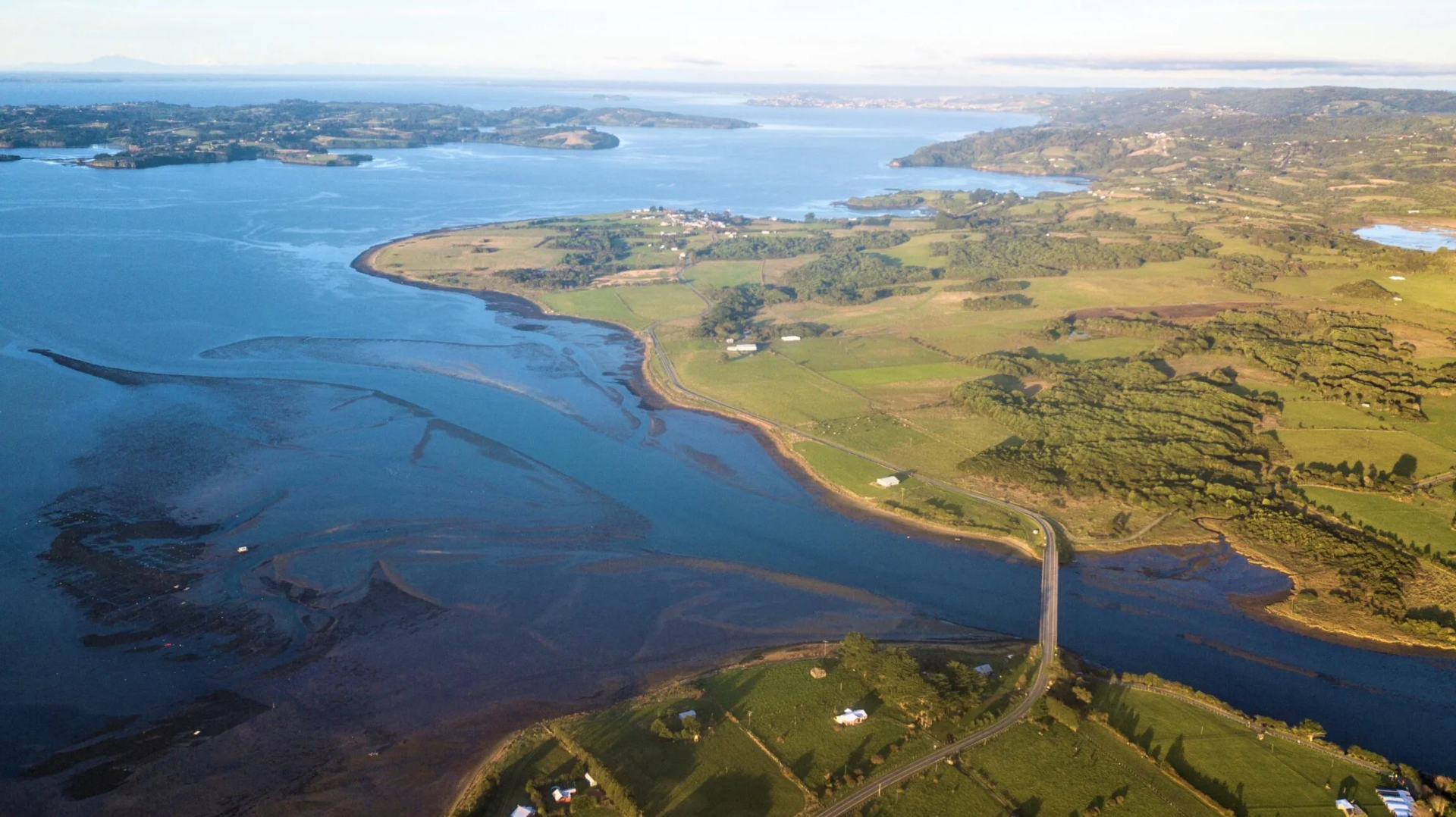
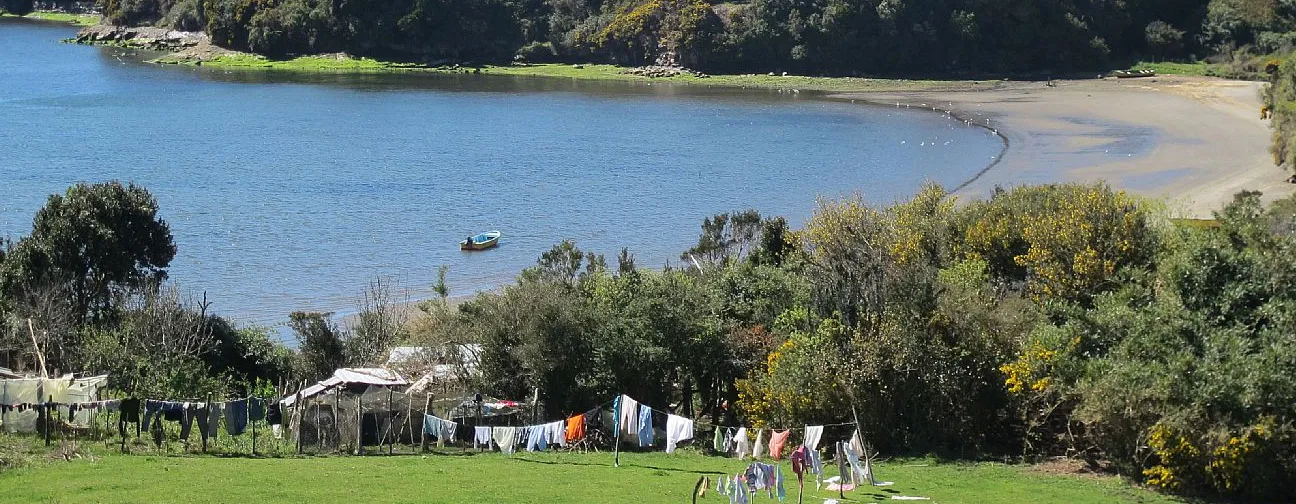
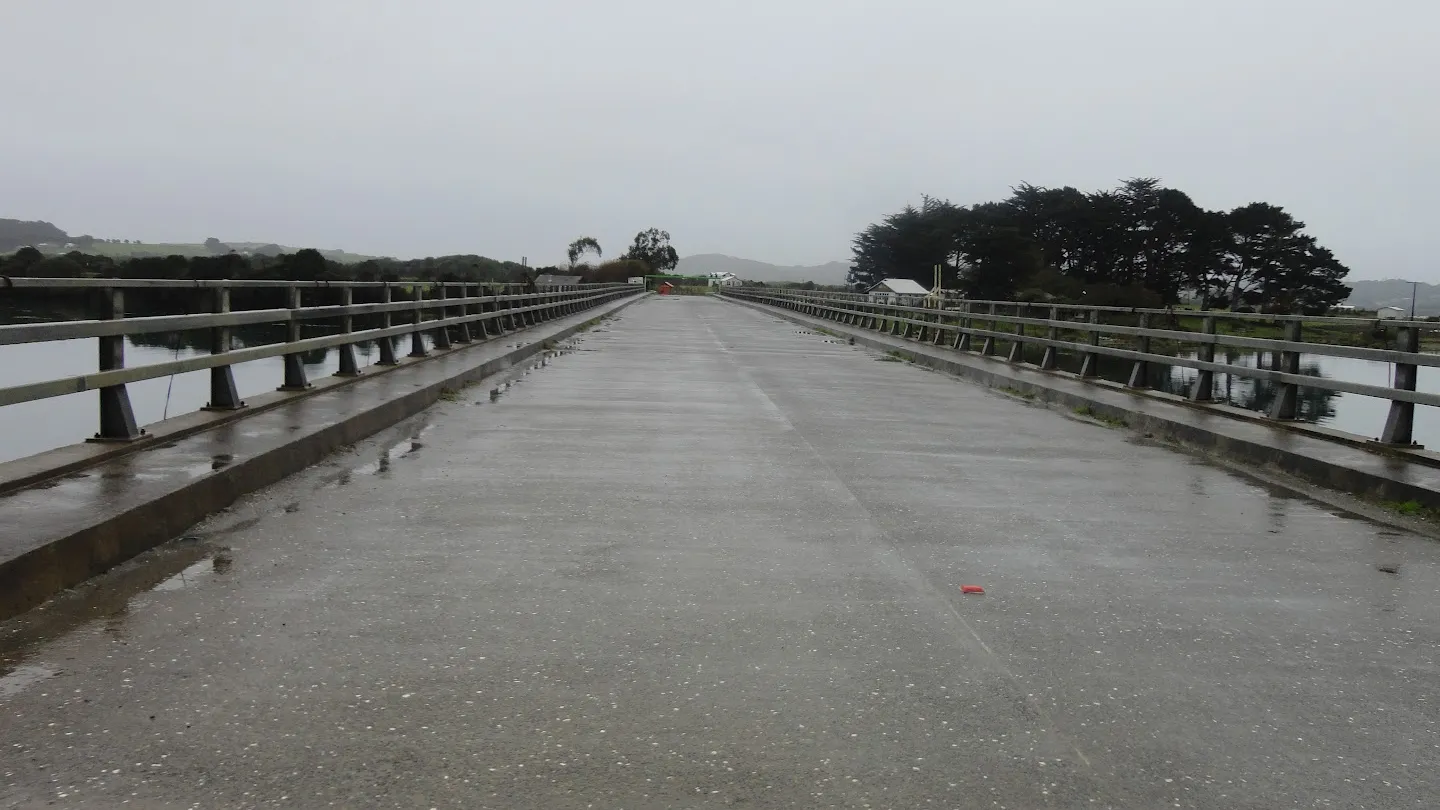
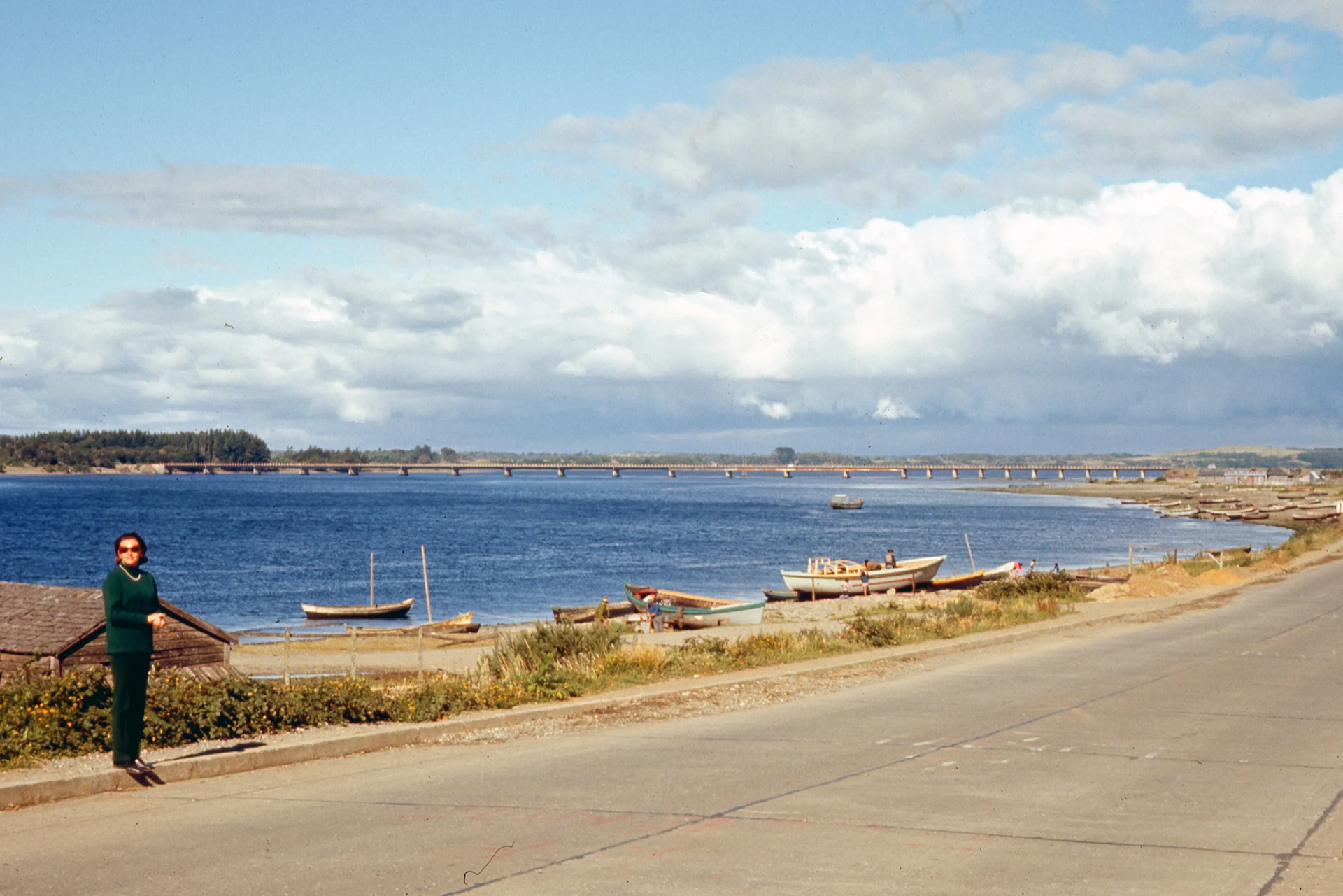
El Puente Quilo es un puente colgante de madera icónico en Ancud, Isla de Chiloé, Chile, que destaca por su arquitectura tradicional y su conexión con el paisaje natural del estero Quilo.
Quilo Bridge is open 24 hours a day, as it is an outdoor site accessible at any time. To get there, take Route 5 South from Puerto Montt to Ancud (about 1.5 hours by car), then follow the signs toward the northern sector of the island; signage is clear. You can check the map on the official Chile Travel website for more details.
Visiting Quilo Bridge is completely free, with no tickets or entrance fees required. Just consider transportation or parking costs if you are traveling in your own vehicle. For updated information, check the municipal portal of Ancud on its official website.
It is recommended to set aside between 30 and 60 minutes to explore the bridge, walk around the area, and enjoy the views of the Chiloé Channel. If you plan to take photos or have a picnic, it may take a bit longer, but it is ideal for a quick stop on your itinerary.
Quilo Bridge is an iconic wooden bridge built in the 1950s that connects Ancud with rural areas of Chiloé and represents traditional Chilote engineering adapted to island terrain. It is part of the region’s cultural heritage, highlighting the historic connection between communities and the unique landscape of the Great Island of Chiloé.
The best time is during the austral summer (December to March), when the weather is drier and temperatures are pleasant, making it ideal for walking. Choose early morning or sunset to avoid crowds and enjoy natural light that enhances the sea views; avoid the frequent rainy days in winter.
Access to the main bridge is reasonably accessible with gentle ramps, but the surrounding paths are uneven and include wooden steps, which may be challenging for wheelchairs. It is recommended to contact the municipality of Ancud at +56 65 262 7800 for assistance or adapted options before your visit.
Near Quilo Bridge, just 10 to 15 minutes away by car, you can visit Saint Francis Church in Ancud, a UNESCO site, or the Regional Museum of Chiloé to learn about local mythology. You can also explore Fort Lamport, which offers panoramic views; plan a full day combining them for an experience rich in Chilote history.
Wear comfortable shoes for walking on the wooden walkways, bring insect repellent and a light jacket for the coastal wind, and do not forget a camera for landscape photos. If you travel in high season, arrive early to avoid tour groups, and check the weather forecast in apps such as MeteoChile for a safe and pleasant visit.
¿Prefieres escuchar en español?
🇪🇸 Escucha la audioguía de Quilo Bridge en español